
JLPT N4 ဝေါဟာရအဓိပ္ပာယ် လေ့ကျင့်ခန်း - Unsolved

JLPT N4 စကားလုံး 631 လုံး၏ မြန်မာအဓိပ္ပာယ်ကို အဖြေရွေးချယ်စရာ လေးခုပါသော မေးခွန်းများဖြင့် လေ့လာပါ။
-
သစ်ရွက်
-
နေ့အချိန်
-
သင်ခန်းစာပြန်လေ့ကျင့်ခြင်း
-
ရှေ့ဆက်သည်
-
အနိုင်ကျင့်သည်
-
ငါးမျှားသည်
-
ရှေးအခါ
-
စာပေ
-
အသွင်အပြင်
-
လှပသော
-
မှန်ကန်သော
-
သေးမွှားသော / အသေးစိတ်သော
- 命令形「眠かれ」は現代語ではまれです。
-
အနိုင်ရသည်
-
လှုပ်ခါသည် / ယိမ်းနွဲ့သည်
-
ဆက်ဖြစ်သည်
-
အားနာမှု
-
ကျရှုံးမှု / အမှား
-
ယာဉ်မောင်း
-
ဂီတဖျော်ဖြေပွဲ
-
တိရစ္ဆာန်ဥယျာဉ်
-
ထုတ်လုပ်မှု
-
ပုံမှန်အသွားအပြန်လုပ်သည်
-
ဆောင်ရွက်သည်
-
ကြားရသည်
-
ယို
-
လူနာသွားမေးခြင်း
-
ရေကန်ကြီး
-
ဇနီး
-
နေ့စဉ်မှတ်တမ်း
-
လျှပ်စစ်မီးလုံး
近所
အနီးအနားပတ်ဝန်းကျင်
近所
အနီးအနားပတ်ဝန်းကျင်
Explanation
近所
အနီးအနားပတ်ဝန်းကျင်
近所
ရပ်ကွက် / နီးကျင်ရပ်ဝန်း / အနီးအနား

( Base form )
( romanization )
( hiragana )
準備する
ပြင်ဆင်သည်
準備する
ပြင်ဆင်သည်
Explanation
準備する
ပြင်ဆင်သည်
準備する
ကြိုတင်ပြင်ဆင်သည် / အဆင်သင့်ထားသည် / လုပ်ရန် အစီအစဉ်ပြင်ဆင်သည်

Word Forms
The basic and commonly used forms of this verb.
Basic forms
| Form | Word form | Usage |
|---|---|---|
| Imperfective form (mizenkei) |
Alternative:
準備せ
準備さ
|
Connects to endings such as nai, reru, and seru. |
| Continuative form (renyokei) | Connects to endings such as masu, tai, and ta. | |
| Conclusive form (shushikei) | Ends a sentence and serves as the dictionary form. | |
| Attributive form (rentaikei) | Modifies a noun. | |
| Conditional form (kateikei) | Combines with ba to express a condition. | |
| Imperative form (meireikei) |
Alternative:
準備せよ
|
Expresses a command or instruction. |
Common forms
火
မီး
火
မီး
Explanation
火
မီး
火
မီး / မီးအလျှင်း / ချက်ပြုတ်မီး

( romanization )
( hiragana )
眠い
အိပ်ချင်သော
眠い
အိပ်ချင်သော
Explanation
眠い
အိပ်ချင်သော
眠い
အိပ်ငိုက်သော / အိပ်ချင်သော / ငိုက်နေသော

Word Forms
The basic and commonly used forms of this adjective.
Basic forms
| Form | Word form | Usage |
|---|---|---|
| Imperfective form (mizenkei) | Used in forms such as karou; mainly literary. | |
| Continuative form (renyokei) |
Alternative:
眠かっ
|
Used in forms such as kute and kunai. |
| Conclusive form (shushikei) | Ends a sentence. | |
| Attributive form (rentaikei) | Modifies a noun. | |
| Conditional form (kateikei) | Expresses a condition with kereba. | |
| Imperative form (meireikei) | Rarely used in modern Japanese. |
Common forms
| Form | Word form | Usage |
|---|---|---|
| Te-form | Connects clauses with kute. | |
| Ta-form | Expresses the past with katta. | |
| Nai-form | Expresses negation with kunai. | |
| Ba-form | Expresses a condition with kereba. |
Notes
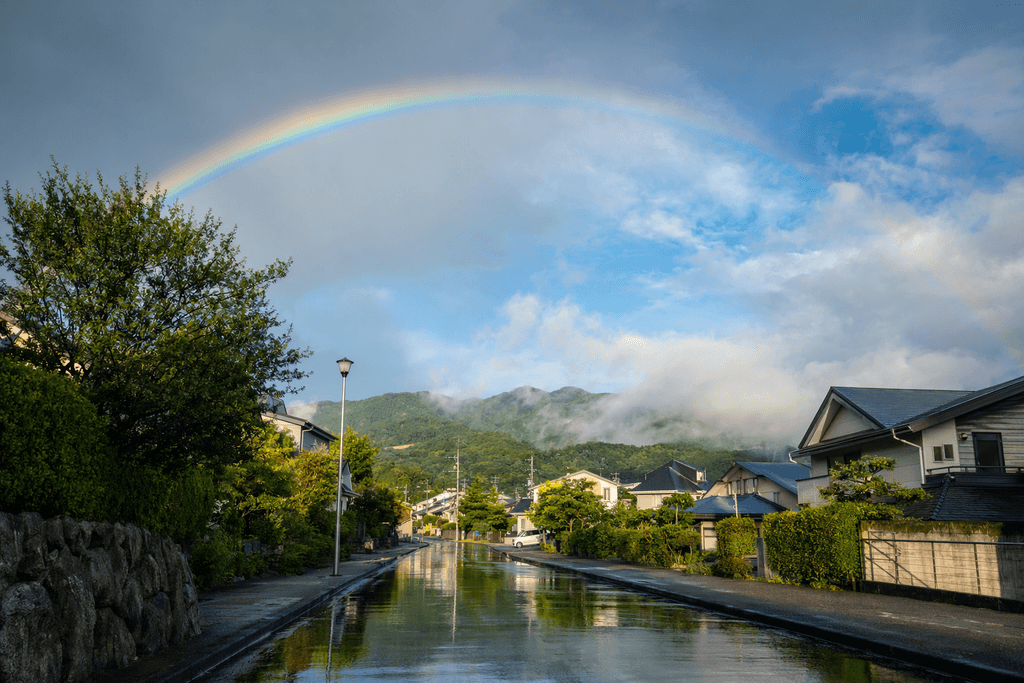
止む
ရပ်စဲသည်
止む
ရပ်စဲသည်
Explanation
止む
ရပ်စဲသည်
止む
ရပ်တန့်သည် / ရပ်နားသည် / ပြီးဆုံးသည်
Word Forms
The basic and commonly used forms of this verb.
Basic forms
| Form | Word form | Usage |
|---|---|---|
| Imperfective form (mizenkei) |
Alternative:
止も
|
Connects to endings such as nai, reru, and seru. |
| Continuative form (renyokei) | Connects to endings such as masu, tai, and ta. | |
| Conclusive form (shushikei) | Ends a sentence and serves as the dictionary form. | |
| Attributive form (rentaikei) | Modifies a noun. | |
| Conditional form (kateikei) | Combines with ba to express a condition. | |
| Imperative form (meireikei) | Expresses a command or instruction. |
Common forms
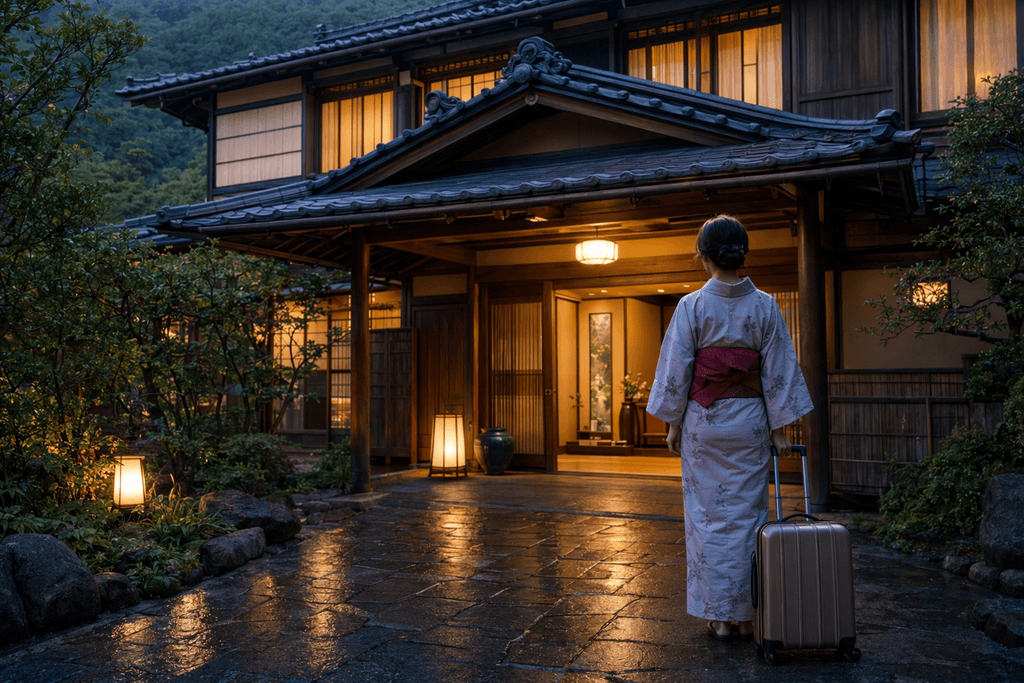
旅館
ဂျပန်ရိုးရာတည်းခိုခန်း
旅館
ဂျပန်ရိုးရာတည်းခိုခန်း
Explanation
旅館
ဂျပန်ရိုးရာတည်းခိုခန်း
旅館
ဂျပန်ရိုးရာ စတိုင် တည်းခိုရုံ / ဂျပန်ပုံစံ ဧည့်အိမ်
( Base form )
( romanization )
( romanization )
( hiragana historical )
( hiragana )
国際
နိုင်ငံတကာဆိုင်ရာ
国際
နိုင်ငံတကာဆိုင်ရာ
Explanation
国際
နိုင်ငံတကာဆိုင်ရာ
国際
အပြည်ပြည်ဆိုင်ရာ / နိုင်ငံတကာ / နိုင်ငံတကာရေးရာ

( Base form )
( romanization )
( hiragana )
太る
ဝလာသည်
太る
ဝလာသည်
Explanation
太る
ဝလာသည်
太る
ဝလာသည် / ကိုယ်အလေးချိန်တိုးသည် / ကိုယ်အသားတင်လာသည်

Word Forms
The basic and commonly used forms of this verb.
Basic forms
| Form | Word form | Usage |
|---|---|---|
| Imperfective form (mizenkei) |
Alternative:
太ろ
|
Connects to endings such as nai, reru, and seru. |
| Continuative form (renyokei) | Connects to endings such as masu, tai, and ta. | |
| Conclusive form (shushikei) | Ends a sentence and serves as the dictionary form. | |
| Attributive form (rentaikei) | Modifies a noun. | |
| Conditional form (kateikei) | Combines with ba to express a condition. | |
| Imperative form (meireikei) | Expresses a command or instruction. |
Common forms
レジ
ငွေရှင်းစက်
レジ
ငွေရှင်းစက်
Explanation
ငွေရှင်းစက်
レジ
ငွေတောင်းခံစက် / ငွေပေးချေရာကောင်တာ

( romanization )
お礼
ကျေးဇူးတင်စကား
お礼
ကျေးဇူးတင်စကား
Explanation
お礼
ကျေးဇူးတင်စကား
お礼
ကျေးဇူးတင်ခြင်း / ကျေးဇူးတင်စကား / ကျေးဇူးတင်လက်ဆောင်

( romanization )
Loading...

JLPT N4 多言語単語帳・631語 / JLPT N4 Multilingual Vocabulary: 631 Words

Jonathan Waller 氏の JLPT Resources の語彙リスト・レベル分類を出典とし、CC BY の条件に従って DiQt が初級向けに意味を作り直した631語の単語帳です。JLPT公式の語彙リストではありません。
This collection of 631 words is based on the vocabulary list and level classifications in Jonathan Waller’s JLPT Resources under CC BY, with meanings rewritten by DiQt for beginners. It is not an official JLPT vocabulary list.
Key Operations
Select the first quiz:
Ctrl + Enter
View Explanation:Ctrl + G
Close a feedback:Esc
When selecting a quiz
Answer:Enter
Select a choice:↓ or ↑
Reading out the question:Ctrl + K
View Hint: Ctrl + M
I don't know: Ctrl + Y



