
JLPT N4 ဝေါဟာရအဓိပ္ပာယ် လေ့ကျင့်ခန်း - Unsolved

JLPT N4 စကားလုံး 631 လုံး၏ မြန်မာအဓိပ္ပာယ်ကို အဖြေရွေးချယ်စရာ လေးခုပါသော မေးခွန်းများဖြင့် လေ့လာပါ။
-
သန်းတစ်ရာ
-
ဂျပန်အိပ်ရာခင်း
-
စာသား / ကျောင်းသုံးစာအုပ်
-
အသားညှပ်ပေါင်မုန့်
-
မီးလောင်မှု
-
ပိုးထည်
-
ထင်သည့်အတိုင်း / နောက်ဆုံးတော့လည်း
-
ယခုမှစ၍
-
အများအားဖြင့်
-
ရှိသည် / လာသည်
-
ပြုစုပျိုးထောင်သည်
-
ခိုးသည်
-
ကျောင်းဝင်ခြင်း
-
ဓာတ်ဆီ
-
ကလေး
-
အဆုံးပိုင်း / နောက်ဆုံး
-
အလှဆင်ပစ္စည်း
-
လေ / ပတ်ဝန်းကျင်အငွေ့အသက်
-
အရသာ
-
လက်မောင်း
-
ထိုင်ခုံနေရာ
-
မှောင်လာသည် / ကုန်ဆုံးသည်
-
ပိန်လာသည်
-
နင်းသည်
-
မျဉ်း
-
လမ်းညွှန်မှု
-
ဖန်သားပြင်
-
ဪဒီလိုကိုး
-
အင်း
-
တကယ်လား
事務所
ရုံးခန်း
事務所
ရုံးခန်း
Explanation
事務所
ရုံးခန်း
事務所
ရုံး / ရုံးခန်း / ဌာနရုံး

( Base form )
( romanization )
( hiragana )
湖
ရေကန်ကြီး
湖
ရေကန်ကြီး
Explanation
湖
ရေကန်ကြီး
湖
အင်း / ရေကန်

( romanization )
( romanization )
( hiragana historical )
( hiragana )
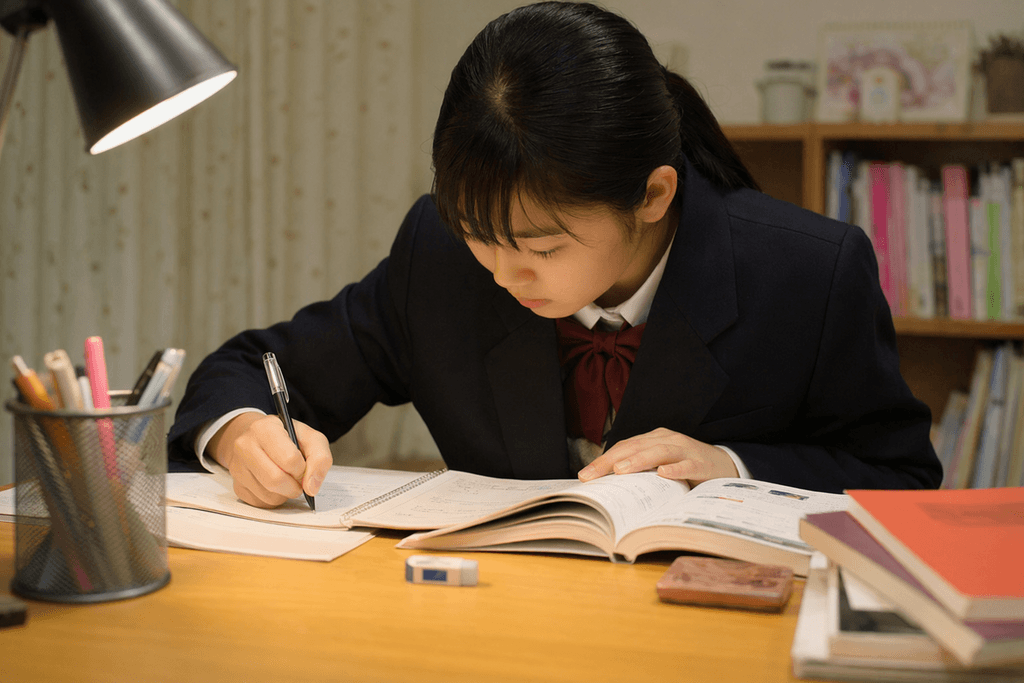
一生懸命
အစွမ်းကုန်
一生懸命
အစွမ်းကုန်
Explanation
一生懸命
အစွမ်းကုန်
一生懸命
အတတ်နိုင်ဆုံးကြိုးစားစွာ / စွမ်းအားအကုန်ထုတ်၍ / အကောင်းဆုံးလုပ်နိုင်သမျှ
( Base form )
( romanization )
( romanization )
( hiragana historical )
( hiragana )
打つ
ရိုက်သည်
打つ
ရိုက်သည်
Explanation
打つ
ရိုက်သည်
打つ
ရိုက်သည်၊ ထိုးသည် / စာရိုက်သည် / (ရှိုဂီ) ချပ်ချသည်၊ (ခေါက်ဆွဲ) ပြုလုပ်သည်

Word Forms
The basic and commonly used forms of this verb.
Basic forms
| Form | Word form | Usage |
|---|---|---|
| Imperfective form (mizenkei) |
Alternative:
打と
|
Connects to endings such as nai, reru, and seru. |
| Continuative form (renyokei) |
Alternative:
打っ
|
Connects to endings such as masu, tai, and ta. |
| Conclusive form (shushikei) | Ends a sentence and serves as the dictionary form. | |
| Attributive form (rentaikei) | Modifies a noun. | |
| Conditional form (kateikei) | Combines with ba to express a condition. | |
| Imperative form (meireikei) | Expresses a command or instruction. |
Common forms
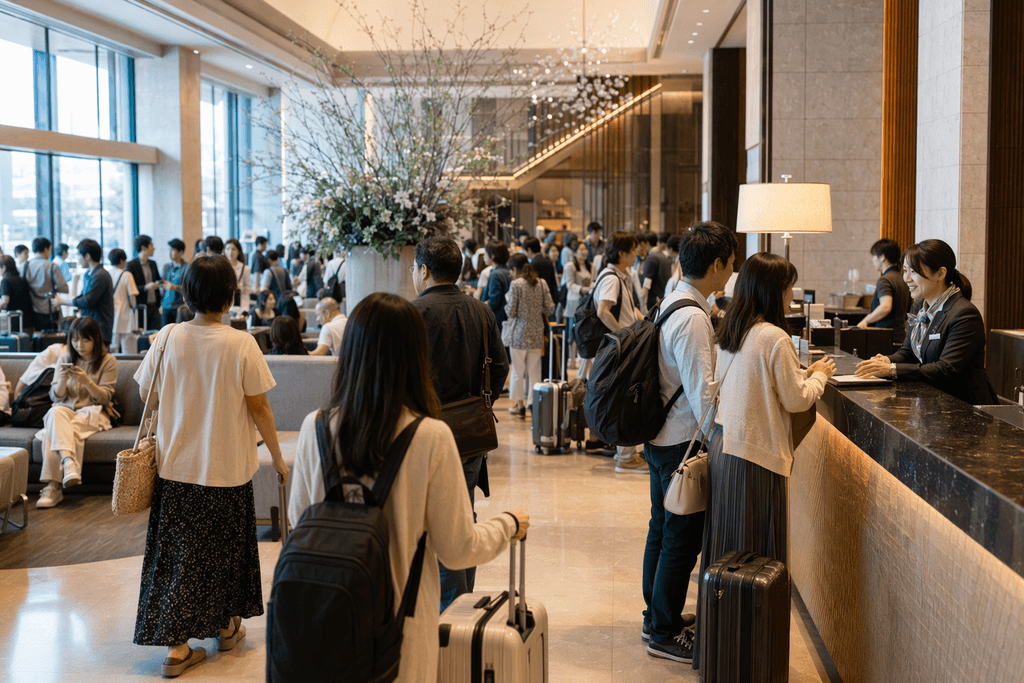
客
ဧည့်သည် / ဖောက်သည်
客
ဧည့်သည် / ဖောက်သည်
Explanation
客
ဧည့်သည် / ဖောက်သည်
客
ဧည့်သည် / ဖောက်သည် / ပုံမှန်ဖောက်သည်
( romanization )
( hiragana )
ご主人
သင့်ခင်ပွန်း
ご主人
သင့်ခင်ပွန်း
Explanation
ご主人
သင့်ခင်ပွန်း
ご主人
(ရိုသေ) တစ်ပါးသူ၏ လင်/အိမ်ထောင်ဦးစီး / (အိမ်၏) သခင်/ပိုင်ရှင် / အလုပ်ရှင်

( Base form )
( romanization )
( hiragana )
草
မြက်
草
မြက်
Explanation
草
မြက်
草
မြက် / မြက်ပင်

( romanization )
( hiragana )
倒れる
လဲကျသည်
倒れる
လဲကျသည်
Explanation
倒れる
လဲကျသည်
倒れる
လဲကျသည် / ပြိုကျသည် / ဒေဝါလီခံသည်

Word Forms
The basic and commonly used forms of this verb.
Basic forms
| Form | Word form | Usage |
|---|---|---|
| Imperfective form (mizenkei) | Connects to endings such as nai, reru, and seru. | |
| Continuative form (renyokei) | Connects to endings such as masu, tai, and ta. | |
| Conclusive form (shushikei) | Ends a sentence and serves as the dictionary form. | |
| Attributive form (rentaikei) | Modifies a noun. | |
| Conditional form (kateikei) | Combines with ba to express a condition. | |
| Imperative form (meireikei) |
Alternative:
倒れよ
|
Expresses a command or instruction. |
Common forms
港
ဆိပ်ကမ်း
港
ဆိပ်ကမ်း
Explanation
港
ဆိပ်ကမ်း
港
ဆိပ်ကမ်း / သင်္ဘောဆိပ် / ရေကြောင်းဆိပ်ကမ်း

( romanization )
( hiragana )
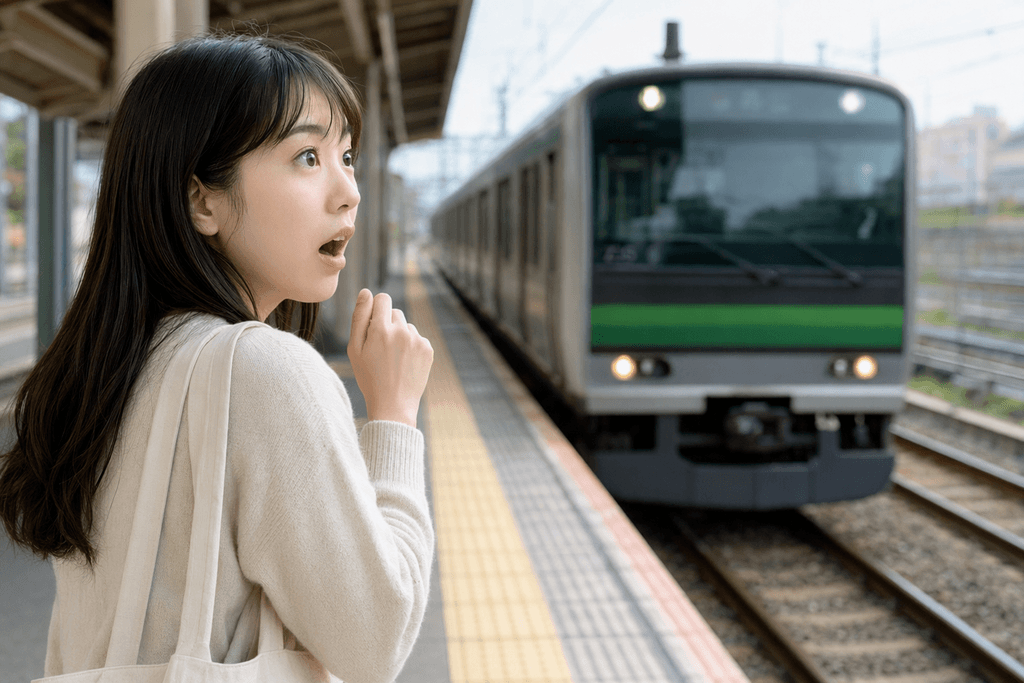
あ
အော်
あ
အော်
Explanation
အော်
あ
ဟာ၊ အို — အံ့သြခြင်း၊ သတိမိခြင်းကို ဖော်ပြသော စကားသံ / ဟာ! — တွေ့မြင်မိ သို့မဟုတ် ရုတ်တရက် သတိမိသွားချိန် ထွက်သံ / အာ… — စကားမစခင် သို့မဟုတ် စဉ်းစားနေချိန် သုံးသံ
( romanization )
Loading...

JLPT N4 多言語単語帳・631語 / JLPT N4 Multilingual Vocabulary: 631 Words

Jonathan Waller 氏の JLPT Resources の語彙リスト・レベル分類を出典とし、CC BY の条件に従って DiQt が初級向けに意味を作り直した631語の単語帳です。JLPT公式の語彙リストではありません。
This collection of 631 words is based on the vocabulary list and level classifications in Jonathan Waller’s JLPT Resources under CC BY, with meanings rewritten by DiQt for beginners. It is not an official JLPT vocabulary list.
Key Operations
Select the first quiz:
Ctrl + Enter
View Explanation:Ctrl + G
Close a feedback:Esc
When selecting a quiz
Answer:Enter
Select a choice:↓ or ↑
Reading out the question:Ctrl + K
View Hint: Ctrl + M
I don't know: Ctrl + Y



