
JLPT N4 ဝေါဟာရအဓိပ္ပာယ် လေ့ကျင့်ခန်း - Unsolved

JLPT N4 စကားလုံး 631 လုံး၏ မြန်မာအဓိပ္ပာယ်ကို အဖြေရွေးချယ်စရာ လေးခုပါသော မေးခွန်းများဖြင့် လေ့လာပါ။
-
သေးမွှားသော / အသေးစိတ်သော
-
တိမ်သော
-
ကြင်နာသော
- 別表記として「素晴しい」も用いられる。
-
သစ်ရွက်
-
သုတေသန
-
သူဌေး
-
ကြင်နာသော
-
တင်းကျပ်သော
-
အရသာရှိသော / ကျွမ်းကျင်သော
-
ခြေညှပ်ဖိနပ်
-
ရေနွေး
-
တက္ကသိုလ်ကျောင်းသား
-
ရေနွေးငွေ့ရထား
-
သမီး / မိန်းမပျို
-
ဆံပင်
-
အရောင်းနေရာ
-
သစ်ကိုင်း
-
ကြားနေရာ / အချိန်ကာလ
-
ကွဲသည် / အက်သည်
-
ထင်သည် / ခံစားရသည်
-
ကျိုးသည် / ကွေးသွားသည်
-
ကိရိယာ / နည်းလမ်း
-
အစားထိုးအရာ
-
အစီရင်ခံစာ
-
စင်
-
အလှဆင်ပစ္စည်း
-
ကျောင်းဆင်းခြင်း
-
သာမန်ဖြစ်သော / ဘူတာတိုင်းရပ်ရထား
-
သေချာသော / မှတ်မိသလောက်
-
စိတ်ပျက်မှု
素晴らしい
အလွန်ကောင်းမွန်သော
素晴らしい
အလွန်ကောင်းမွန်သော
Explanation
素晴らしい
အလွန်ကောင်းမွန်သော
素晴らしい
အံ့ဖွယ်ကောင်းသော / အလွန်ကောင်းမြတ်သော / ထူးခြားခမ်းနားသော

Word Forms
The basic and commonly used forms of this adjective.
Basic forms
| Form | Word form | Usage |
|---|---|---|
| Imperfective form (mizenkei) |
Alternative:
素晴しかろ
|
Used in forms such as karou; mainly literary. |
| Continuative form (renyokei) |
Alternative:
素晴らしかっ
素晴しく
素晴しかっ
|
Used in forms such as kute and kunai. |
| Conclusive form (shushikei) |
Alternative:
素晴しい
|
Ends a sentence. |
| Attributive form (rentaikei) |
Alternative:
素晴しい
|
Modifies a noun. |
| Conditional form (kateikei) |
Alternative:
素晴しけれ
|
Expresses a condition with kereba. |
| Imperative form (meireikei) |
Alternative:
素晴しかれ
|
Rarely used in modern Japanese. |
Common forms
| Form | Word form | Usage |
|---|---|---|
| Te-form |
Alternative:
素晴しくて
|
Connects clauses with kute. |
| Ta-form |
Alternative:
素晴しかった
|
Expresses the past with katta. |
| Nai-form |
Alternative:
素晴しくない
|
Expresses negation with kunai. |
| Ba-form |
Alternative:
素晴しければ
|
Expresses a condition with kereba. |
Notes
終わり
အဆုံး
終わり
အဆုံး
Explanation
終わり
အဆုံး
終わり
အဆုံး / နိဂုံး / အဆုံးသတ်

( Base form )
( romanization )
( romanization )
( hiragana historical )
細かい
သေးမွှားသော / အသေးစိတ်သော
細かい
သေးမွှားသော / အသေးစိတ်သော
Explanation
細かい
သေးမွှားသော / အသေးစိတ်သော
細かい
သေးငယ်သော / အသေးစိတ်သော / အရေးမပါသော

Word Forms
The basic and commonly used forms of this adjective.
Basic forms
| Form | Word form | Usage |
|---|---|---|
| Imperfective form (mizenkei) | Used in forms such as karou; mainly literary. | |
| Continuative form (renyokei) |
Alternative:
細かかっ
|
Used in forms such as kute and kunai. |
| Conclusive form (shushikei) | Ends a sentence. | |
| Attributive form (rentaikei) | Modifies a noun. | |
| Conditional form (kateikei) | Expresses a condition with kereba. | |
| Imperative form (meireikei) | Rarely used in modern Japanese. |
Common forms
機会
အခွင့်အရေး
機会
အခွင့်အရေး
Explanation
機会
အခွင့်အရေး
機会
အခွင့်အလမ်း / အခွင့်

( Base form )
( romanization )
( romanization )
( kyūjitai )
( hiragana historical )
( hiragana )
ステレオ
စတီရီယို
ステレオ
စတီရီယို
Explanation
စတီရီယို
ステレオ
ဘယ်-ညာ ချန်နယ်နှစ်ခုသုံး၍ နေရာခံမှု ပေးသည့် အသံ / ချန်နယ်နှစ်ခုသုံးသော အော်ဒီယို စနစ်/စက်

( romanization )
忘れ物
မေ့ကျန်ပစ္စည်း
忘れ物
မေ့ကျန်ပစ္စည်း
Explanation
忘れ物
မေ့ကျန်ပစ္စည်း
忘れ物
မေ့ထားသွားသောပစ္စည်း / လွဲချန်သွားသောပစ္စည်း / ပျောက်ဆုံးပစ္စည်း

( Base form )
( romanization )
( hiragana )
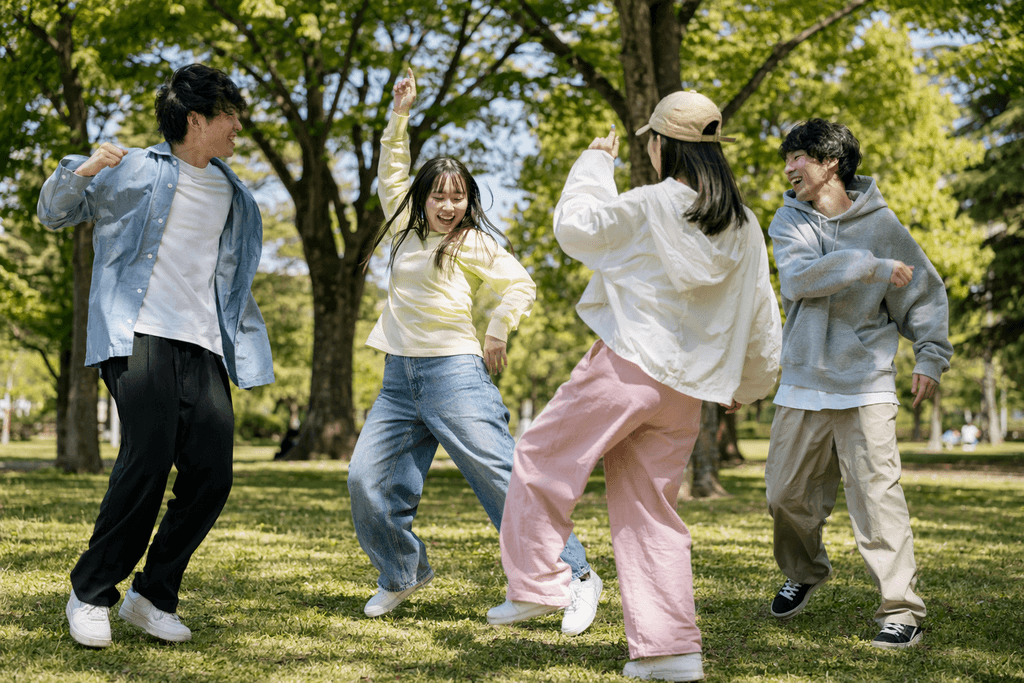
踊る
ကသည်
踊る
ကသည်
Explanation
踊る
ကသည်
踊る
အက ကသည် / အကပြသည်
Word Forms
The basic and commonly used forms of this verb.
Basic forms
| Form | Word form | Usage |
|---|---|---|
| Imperfective form (mizenkei) |
Alternative:
踊ろ
|
Connects to endings such as nai, reru, and seru. |
| Continuative form (renyokei) | Connects to endings such as masu, tai, and ta. | |
| Conclusive form (shushikei) | Ends a sentence and serves as the dictionary form. | |
| Attributive form (rentaikei) | Modifies a noun. | |
| Conditional form (kateikei) | Combines with ba to express a condition. | |
| Imperative form (meireikei) | Expresses a command or instruction. |
Common forms
ガソリン
ဓာတ်ဆီ
ガソリン
ဓာတ်ဆီ
Explanation
ဓာတ်ဆီ
ガソリン
ဘင်ဇင်း / မော်တော်ယာဉ်အင်ဂျင်သုံး ဓာတ်ဆီ

( romanization )
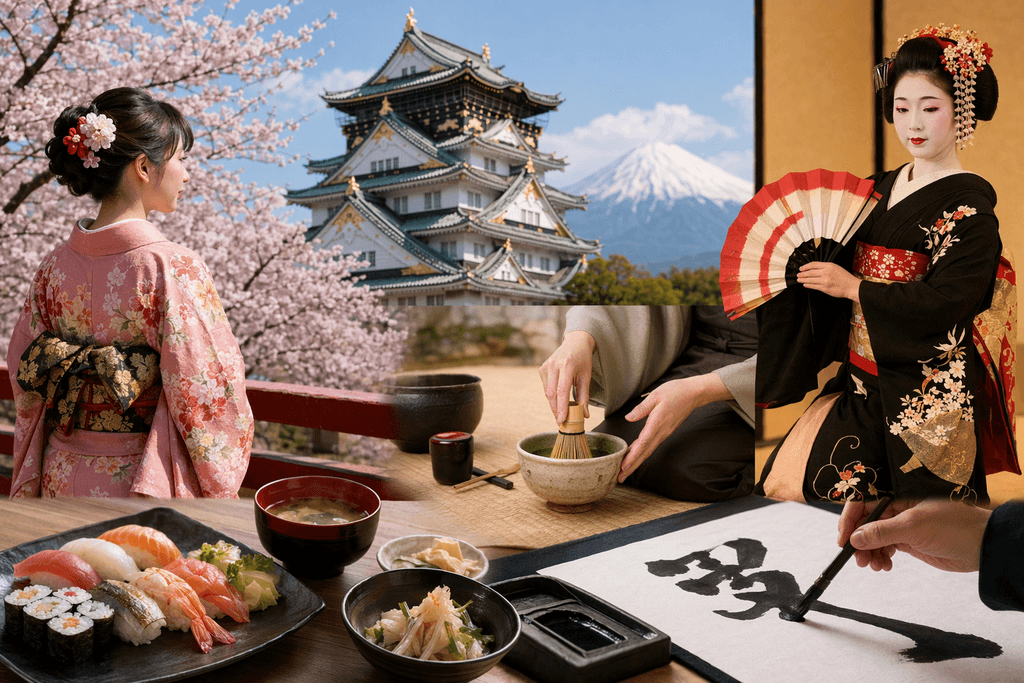
文化
ယဉ်ကျေးမှု
文化
ယဉ်ကျေးမှု
Explanation
文化
ယဉ်ကျေးမှု
文化
ယဉ်ကျေးမှု / လူစု၏ တန်ဖိုး၊ ယုံကြည်ချက်၊ အလေ့အထ စုစုပေါင်း / စာပေ၊ အနုပညာနှင့် ဓလေ့ထုံးတမ်းများ
( Base form )
( romanization )
( romanization )
( hiragana historical )
( hiragana )
特別
အထူးဖြစ်သော
特別
အထူးဖြစ်သော
Explanation
特別
အထူးဖြစ်သော
特別
အထူး / ထူးခြားသော / သီးခြားသော
Word Forms
The basic and commonly used forms of this adjectival noun.
Basic forms
| Form | Word form | Usage |
|---|---|---|
| Imperfective form (mizenkei) |
Alternative:
特別でしょ
|
Used in forms such as darou. |
| Continuative form (renyokei) |
Alternative:
特別に
|
Used with de or ni. |
| Conclusive form (shushikei) |
Alternative:
特別です
|
Ends a sentence with da. |
| Attributive form (rentaikei) |
Alternative:
特別である
|
Modifies a noun with na. |
| Conditional form (kateikei) |
Alternative:
特別であれば
|
Expresses a condition with nara. |
| Imperative form (meireikei) | Used in formal expressions such as de are. |
Common forms
Loading...

JLPT N4 多言語単語帳・631語 / JLPT N4 Multilingual Vocabulary: 631 Words

Jonathan Waller 氏の JLPT Resources の語彙リスト・レベル分類を出典とし、CC BY の条件に従って DiQt が初級向けに意味を作り直した631語の単語帳です。JLPT公式の語彙リストではありません。
This collection of 631 words is based on the vocabulary list and level classifications in Jonathan Waller’s JLPT Resources under CC BY, with meanings rewritten by DiQt for beginners. It is not an official JLPT vocabulary list.
Key Operations
Select the first quiz:
Ctrl + Enter
View Explanation:Ctrl + G
Close a feedback:Esc
When selecting a quiz
Answer:Enter
Select a choice:↓ or ↑
Reading out the question:Ctrl + K
View Hint: Ctrl + M
I don't know: Ctrl + Y



