
JLPT N4 ဝေါဟာရအဓိပ္ပာယ် လေ့ကျင့်ခန်း - Unsolved

JLPT N4 စကားလုံး 631 လုံး၏ မြန်မာအဓိပ္ပာယ်ကို အဖြေရွေးချယ်စရာ လေးခုပါသော မေးခွန်းများဖြင့် လေ့လာပါ။
-
တာတာမီဖျာ
-
ဖိတ်ကြားမှု
-
စိတ်အခြေအနေ
-
ထမင်းစားသည်
-
ကိုက်သည် / ဝါးသည်
-
ပြီးစီးသည်
-
အားကစားပြိုင်ပွဲ
-
ယို
-
အချိန်ပိုင်းအလုပ်
-
ထောင်သည်
-
ပြုလုပ်သည်
-
ဆက်ဖြစ်သည်
- 「頂く」は五段活用(カ行)。謙譲語として「もらう」「食べる・飲む」の意味で用いられるほか、「頭上に載せる」の意味でも用いられる。
- 表記の異形として「戴く」がある。
-
တည့်တည့် / ရုတ်တရက်
-
အများစု / လုနီးပါး
-
အလွန်အမင်း
-
အကယ်၍
-
အမေရိကန်ပြည်ထောင်စု
-
အာရှ
-
ဝါသနာ
-
ပြပွဲ
-
ကိုယ်မွေး / တိရစ္ဆာန်အမွေး
-
ဖျက်ဆီးသည်
-
မြင်သည် / ကြည့်သည်
-
အေးလာသည်
-
လျှပ်စစ်မီးလုံး
-
လေယာဉ်ကွင်း
-
ထိုင်ခုံနေရာ
-
လဲလှယ်သည်
-
အချိန်မီသည်
-
ယာဉ်မှဆင်းသည် / အောက်ဆင်းသည်
引き出し
အံဆွဲ
引き出し
အံဆွဲ
Explanation
引き出し
အံဆွဲ
引き出し
ပရိဘောဂတွင်ရှိ သုံးစွဲရန် ဆွဲထုတ်ထားသော အခန်း / စားပွဲ စသည့် ပရိဘောဂ၏ ဆွဲခန်း

( Base form )
( romanization )
沸かす
ရေနွေးတည်သည်
沸かす
ရေနွေးတည်သည်
Explanation
沸かす
ရေနွေးတည်သည်
沸かす
ရေကို ပူအောင် ချက်သည် / ရေကို ဒူဖန်တက်အောင် ပြုလုပ်သည်

Word Forms
The basic and commonly used forms of this verb.
Basic forms
| Form | Word form | Usage |
|---|---|---|
| Imperfective form (mizenkei) |
Alternative:
沸かそ
|
Connects to endings such as nai, reru, and seru. |
| Continuative form (renyokei) | Connects to endings such as masu, tai, and ta. | |
| Conclusive form (shushikei) | Ends a sentence and serves as the dictionary form. | |
| Attributive form (rentaikei) | Modifies a noun. | |
| Conditional form (kateikei) | Combines with ba to express a condition. | |
| Imperative form (meireikei) | Expresses a command or instruction. |
Common forms
森
သစ်တော
森
သစ်တော
Explanation
森
သစ်တော
森
တော / သစ်တော

( romanization )
( hiragana )
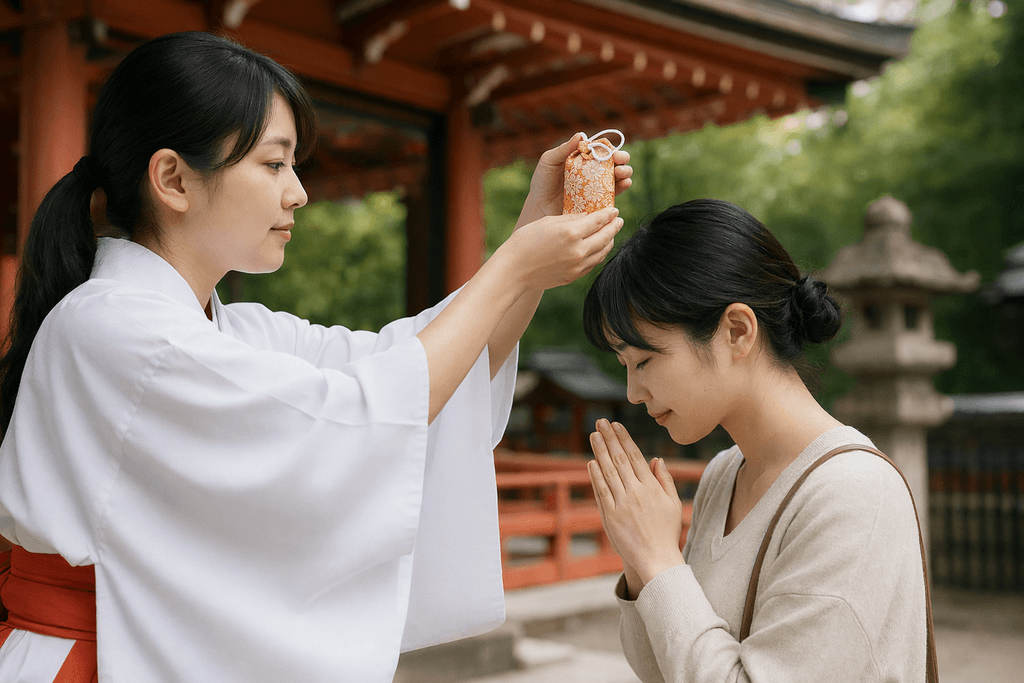
頂く
လက်ခံရရှိသည် / စားသည်
頂く
လက်ခံရရှိသည် / စားသည်
Explanation
頂く
လက်ခံရရှိသည် / စားသည်
頂く
ခေါင်းပေါ်သို့တင်သည် / (နိမ့်ချ) လက်ခံရယူသည် / (နိမ့်ချ) စားသောက်သည်
Word Forms
The basic and commonly used forms of this verb.
Basic forms
| Form | Word form | Usage |
|---|---|---|
| Imperfective form (mizenkei) |
Alternative:
戴か
頂こ
戴こ
|
Connects to endings such as nai, reru, and seru. |
| Continuative form (renyokei) |
Alternative:
戴き
|
Connects to endings such as masu, tai, and ta. |
| Conclusive form (shushikei) |
Alternative:
戴く
|
Ends a sentence and serves as the dictionary form. |
| Attributive form (rentaikei) |
Alternative:
戴く
|
Modifies a noun. |
| Conditional form (kateikei) |
Alternative:
戴け
|
Combines with ba to express a condition. |
| Imperative form (meireikei) |
Alternative:
戴け
|
Expresses a command or instruction. |
Common forms
| Form | Word form | Usage |
|---|---|---|
| Te-form |
Alternative:
戴いて
|
Connects clauses with te. |
| Ta-form |
Alternative:
戴いた
|
Expresses the past with ta. |
| Nai-form |
Alternative:
戴かない
|
Expresses negation with nai. |
| Masu-form |
Alternative:
戴きます
|
Used for polite speech. |
| Ba-form |
Alternative:
戴けば
|
Expresses a condition with ba. |
| Volitional form |
Alternative:
戴こう
|
Expresses intention or invitation. |
Notes
最近
မကြာသေးမီက
最近
မကြာသေးမီက
Explanation
最近
မကြာသေးမီက
最近
လတ်တလော / မကြာသေးမီက / ယနေ့ခေတ်မှာ

( Base form )
( romanization )
( hiragana )
アフリカ
အာဖရိက
アフリカ
အာဖရိက
Explanation
အာဖရိက
アフリカ
ကမ္ဘာပေါ်ရှိ တိုက်တစ်ခု / အာဖရိကတိုက်

( romanization )
試験
စာမေးပွဲ
試験
စာမေးပွဲ
Explanation
試験
စာမေးပွဲ
試験
စာမေးပွဲ / စမ်းသပ်ခြင်း / လေ့လာရေး စမ်းသပ်မှု

( Base form )
( romanization )
( kyūjitai )
( hiragana )
受ける
စာမေးပွဲဖြေသည် / သင်ခန်းစာသင်ယူသည်
受ける
စာမေးပွဲဖြေသည် / သင်ခန်းစာသင်ယူသည်
Explanation
受ける
စာမေးပွဲဖြေသည် / သင်ခန်းစာသင်ယူသည်
受ける
လက်ခံသည်၊ ရရှိသည် / (စာမေးပွဲ၊ စမ်းသပ်မှု၊ သက်ရောက်မှု) ကို ဖြေဆိုသည်/ခံရသည် / လူကြိုက်များသည်၊ ရေပန်းစားသည်၊ ရယ်စရာ ဖြစ်သည်

Word Forms
The basic and commonly used forms of this verb.
Basic forms
| Form | Word form | Usage |
|---|---|---|
| Imperfective form (mizenkei) | Connects to endings such as nai, reru, and seru. | |
| Continuative form (renyokei) | Connects to endings such as masu, tai, and ta. | |
| Conclusive form (shushikei) | Ends a sentence and serves as the dictionary form. | |
| Attributive form (rentaikei) | Modifies a noun. | |
| Conditional form (kateikei) | Combines with ba to express a condition. | |
| Imperative form (meireikei) |
Alternative:
受けよ
|
Expresses a command or instruction. |
Common forms
故障
စက်ချို့ယွင်းမှု
故障
စက်ချို့ယွင်းမှု
Explanation
故障
စက်ချို့ယွင်းမှု
故障
ပျက်စီးမှု / အလုပ်မလုပ်ခြင်း / ချို့ယွင်းချက်

( Base form )
( romanization )
( romanization )
( hiragana historical )
( hiragana )
漬ける
စိမ်သည် / ချဉ်ဖတ်လုပ်သည်
漬ける
စိမ်သည် / ချဉ်ဖတ်လုပ်သည်
Explanation
漬ける
စိမ်သည် / ချဉ်ဖတ်လုပ်သည်
漬ける
စိမ်နှစ်သည် / အရည်ထဲသို့ ငုတ်သည် / ချဉ်တင်သည်

Word Forms
The basic and commonly used forms of this verb.
Basic forms
| Form | Word form | Usage |
|---|---|---|
| Imperfective form (mizenkei) | Connects to endings such as nai, reru, and seru. | |
| Continuative form (renyokei) | Connects to endings such as masu, tai, and ta. | |
| Conclusive form (shushikei) | Ends a sentence and serves as the dictionary form. | |
| Attributive form (rentaikei) | Modifies a noun. | |
| Conditional form (kateikei) | Combines with ba to express a condition. | |
| Imperative form (meireikei) |
Alternative:
漬けよ
|
Expresses a command or instruction. |
Common forms
Loading...

JLPT N4 多言語単語帳・631語 / JLPT N4 Multilingual Vocabulary: 631 Words

Jonathan Waller 氏の JLPT Resources の語彙リスト・レベル分類を出典とし、CC BY の条件に従って DiQt が初級向けに意味を作り直した631語の単語帳です。JLPT公式の語彙リストではありません。
This collection of 631 words is based on the vocabulary list and level classifications in Jonathan Waller’s JLPT Resources under CC BY, with meanings rewritten by DiQt for beginners. It is not an official JLPT vocabulary list.
Key Operations
Select the first quiz:
Ctrl + Enter
View Explanation:Ctrl + G
Close a feedback:Esc
When selecting a quiz
Answer:Enter
Select a choice:↓ or ↑
Reading out the question:Ctrl + K
View Hint: Ctrl + M
I don't know: Ctrl + Y



