
JLPT N4 ဝေါဟာရအဓိပ္ပာယ် လေ့ကျင့်ခန်း - Unsolved

JLPT N4 စကားလုံး 631 လုံး၏ မြန်မာအဓိပ္ပာယ်ကို အဖြေရွေးချယ်စရာ လေးခုပါသော မေးခွန်းများဖြင့် လေ့လာပါ။
-
လှုပ်ခါသည် / ယိမ်းနွဲ့သည်
-
ဆုတောင်းသည်
-
ကောက်ယူသည်
-
ကြောက်စရာကောင်းသော
-
သေးမွှားသော / အသေးစိတ်သော
-
ဝမ်းနည်းသော
-
ဖန်သားပြင်
-
အလယ်တန်းကျောင်း
-
လက်စွပ်
-
ကြောက်စရာကောင်းသော
-
ကြင်နာသော
-
အရသာရှိသော / ကျွမ်းကျင်သော
- 「哀しい」は異表記。
-
သင့်အိမ်
-
အနီးအနားပတ်ဝန်းကျင်
-
ရှေးအခါ
-
တိမ်
-
ပုံသဏ္ဌာန်
-
အများဆုံး / အောက်ပါ
-
အစည်းအဝေးခန်း
-
ကျေးဇူးကြောင့်
-
ဖိတ်ကြားမှု
-
ကုမ္ပဏီဥက္ကဋ္ဌ
-
ကြေညာသူ
-
ခဲဖျက်
-
ညစ်ပတ်လာသည်
-
သွားကြိုသည် / ကြိုဆိုသည်
-
သယ်ဆောင်သည်
-
ခေတ်
-
ခရီးဆောင်အိတ်
-
ပထဝီဝင်
続ける
ဆက်လုပ်သည်
続ける
ဆက်လုပ်သည်
Explanation
続ける
ဆက်လုပ်သည်
続ける
ဆက်လက်လုပ်ဆောင်သည် / ဆက်လုပ်သည်

Word Forms
The basic and commonly used forms of this verb.
Basic forms
| Form | Word form | Usage |
|---|---|---|
| Imperfective form (mizenkei) | Connects to endings such as nai, reru, and seru. | |
| Continuative form (renyokei) | Connects to endings such as masu, tai, and ta. | |
| Conclusive form (shushikei) | Ends a sentence and serves as the dictionary form. | |
| Attributive form (rentaikei) | Modifies a noun. | |
| Conditional form (kateikei) | Combines with ba to express a condition. | |
| Imperative form (meireikei) |
Alternative:
続けよ
|
Expresses a command or instruction. |
Common forms
おかしい
ထူးဆန်းသော / ရယ်စရာကောင်းသော
おかしい
ထူးဆန်းသော / ရယ်စရာကောင်းသော
Explanation
ထူးဆန်းသော / ရယ်စရာကောင်းသော
おかしい
ထူးထူးခြားခြား / ရယ်စရာကောင်းသော

Word Forms
The basic and commonly used forms of this adjective.
Basic forms
| Form | Word form | Usage |
|---|---|---|
| Imperfective form (mizenkei) |
Alternative:
可笑しかろ
|
Used in forms such as karou; mainly literary. |
| Continuative form (renyokei) |
Alternative:
可笑しく
おかしかっ
可笑しかっ
|
Used in forms such as kute and kunai. |
| Conclusive form (shushikei) |
Alternative:
可笑しい
|
Ends a sentence. |
| Attributive form (rentaikei) |
Alternative:
可笑しい
|
Modifies a noun. |
| Conditional form (kateikei) |
Alternative:
可笑しけれ
|
Expresses a condition with kereba. |
| Imperative form (meireikei) |
Alternative:
可笑しかれ
|
Rarely used in modern Japanese. |
Common forms
喧嘩
ရန်ဖြစ်ခြင်း
喧嘩
ရန်ဖြစ်ခြင်း
Explanation
喧嘩
ရန်ဖြစ်ခြင်း
喧嘩
ရိုက်နှက်ပွဲ / အငြင်းပွားခြင်း

( Base form )
( romanization )
( romanization )
( hiragana historical )
( hiragana )
悲しい
ဝမ်းနည်းသော
悲しい
ဝမ်းနည်းသော
Explanation
悲しい
ဝမ်းနည်းသော
悲しい
ဝမ်းနည်းသော / စိတ်မကောင်းသော

Word Forms
The basic and commonly used forms of this adjective.
Basic forms
| Form | Word form | Usage |
|---|---|---|
| Imperfective form (mizenkei) |
Alternative:
哀しかろ
|
Used in forms such as karou; mainly literary. |
| Continuative form (renyokei) |
Alternative:
哀しく
悲しかっ
哀しかっ
|
Used in forms such as kute and kunai. |
| Conclusive form (shushikei) |
Alternative:
哀しい
|
Ends a sentence. |
| Attributive form (rentaikei) |
Alternative:
哀しい
|
Modifies a noun. |
| Conditional form (kateikei) |
Alternative:
哀しけれ
|
Expresses a condition with kereba. |
| Imperative form (meireikei) |
Alternative:
哀しかれ
|
Rarely used in modern Japanese. |
Common forms
| Form | Word form | Usage |
|---|---|---|
| Te-form |
Alternative:
哀しくて
|
Connects clauses with kute. |
| Ta-form |
Alternative:
哀しかった
|
Expresses the past with katta. |
| Nai-form |
Alternative:
哀しくない
|
Expresses negation with kunai. |
| Ba-form |
Alternative:
哀しければ
|
Expresses a condition with kereba. |
Notes
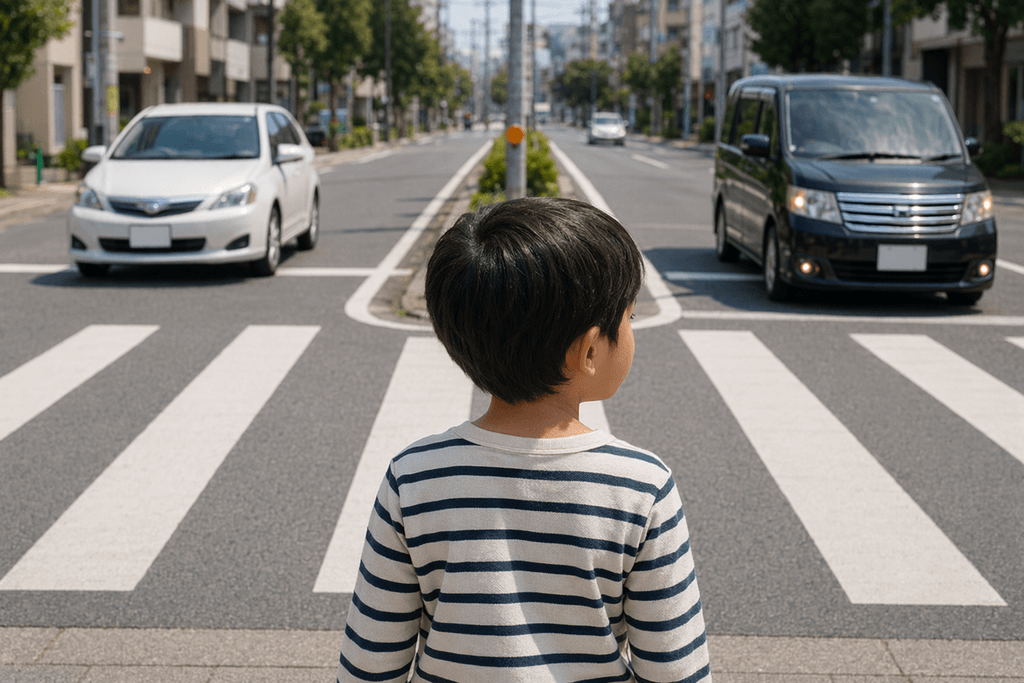
両方
နှစ်ခုလုံး
両方
နှစ်ခုလုံး
Explanation
両方
နှစ်ခုလုံး
両方
နှစ်ဖက်လုံး / အဘက်နှစ်ဘက်လုံး
( Base form )
( romanization )
( kyūjitai )
( hiragana )
ガラス
ဖန်
ガラス
ဖန်
Explanation
ဖန်
ガラス
ကြည်လင်ပြီး ပျက်ကွဲလွယ်သော မှန်ပစ္စည်း / ဆီလီကာအခြေခံဖြင့် ပြုလုပ်ထားသော ကြည်လင်ပစ္စည်း

( romanization )
意見
ထင်မြင်ချက်
意見
ထင်မြင်ချက်
Explanation
意見
ထင်မြင်ချက်
意見
အမြင် / အယူအဆ / မှတ်ချက်

( Base form )
( romanization )
( hiragana )
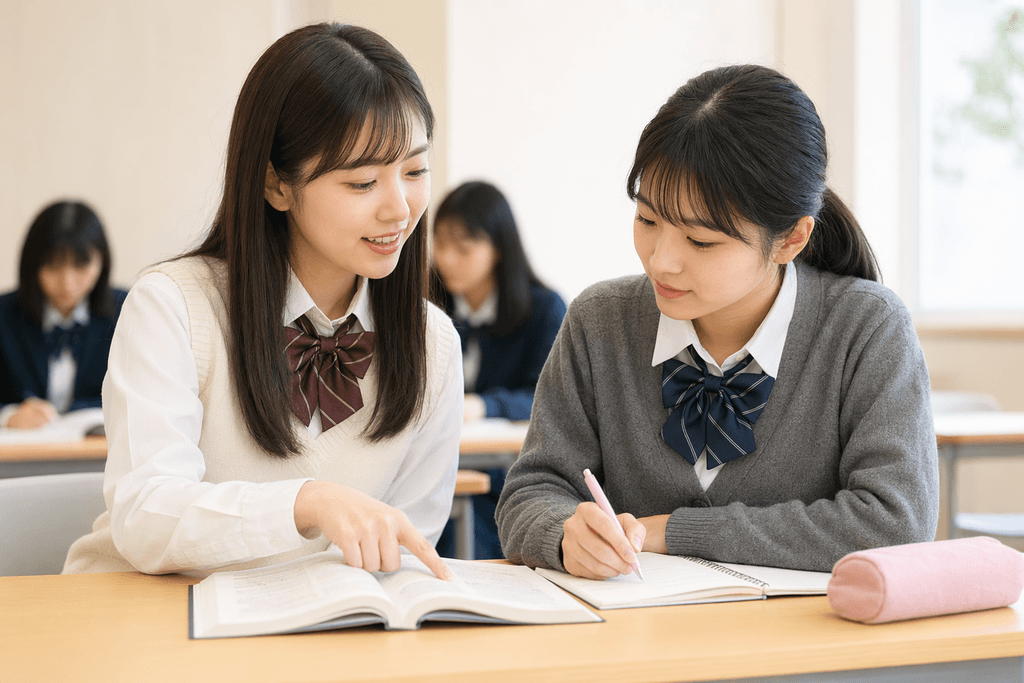
先輩
စီနီယာ
先輩
စီနီယာ
Explanation
先輩
စီနီယာ
先輩
မိမိကျောင်း/အလုပ်/ကလပ်/နယ်ပယ်တွင် အရင်ဝင်ထားသော အကြီးသူ / တစ်ကျောင်းတွင် အမြင့်တန်း ကျောင်းသား / အလုပ်တွင် အရင်ဝင်ထားသော အကြီးဝင် အလုပ်ဖက်
( Base form )
( romanization )
( hiragana )
下がる
နိမ့်ကျသည်
下がる
နိမ့်ကျသည်
Explanation
下がる
နိမ့်ကျသည်
下がる
လောင်းလျားသည် / ကျသည်; ဆင်းသည် / နောက်ဆုတ်သည်; ဆုတ်ခွာသည်

Word Forms
The basic and commonly used forms of this verb.
Basic forms
| Form | Word form | Usage |
|---|---|---|
| Imperfective form (mizenkei) | Connects to endings such as nai, reru, and seru. | |
| Continuative form (renyokei) |
Alternative:
下がっ
|
Connects to endings such as masu, tai, and ta. |
| Conclusive form (shushikei) | Ends a sentence and serves as the dictionary form. | |
| Attributive form (rentaikei) | Modifies a noun. | |
| Conditional form (kateikei) | Combines with ba to express a condition. | |
| Imperative form (meireikei) | Expresses a command or instruction. |
Common forms
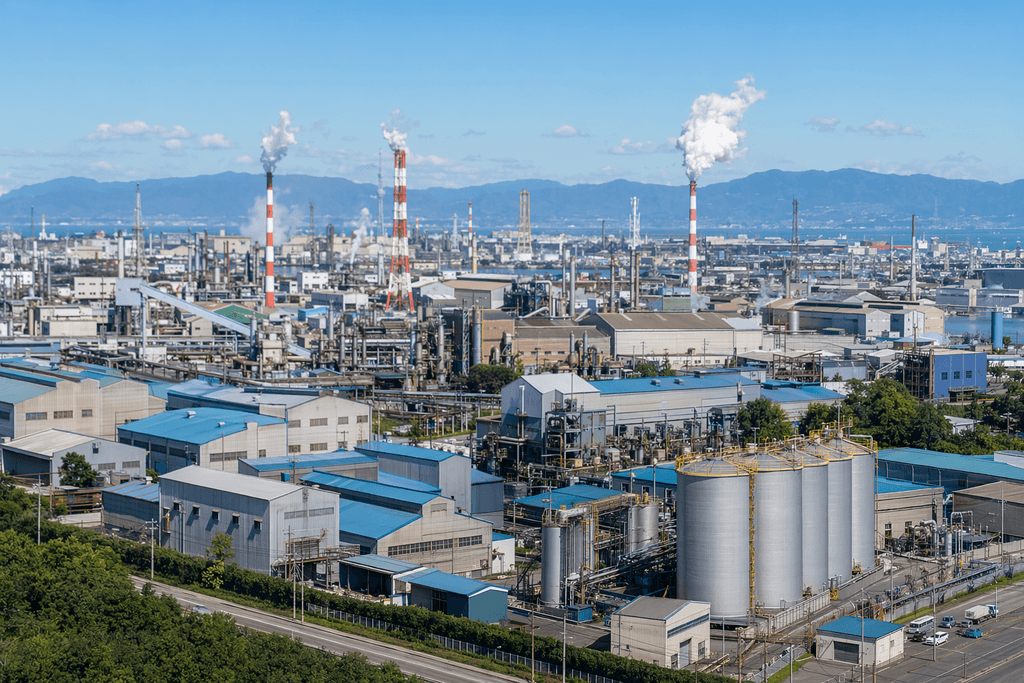
工業
ကုန်ထုတ်လုပ်ငန်း
工業
ကုန်ထုတ်လုပ်ငန်း
Explanation
工業
ကုန်ထုတ်လုပ်ငန်း
工業
စက်မှု / စက်မှုလုပ်ငန်း
( Base form )
( romanization )
( hiragana )
Loading...

JLPT N4 多言語単語帳・631語 / JLPT N4 Multilingual Vocabulary: 631 Words

Jonathan Waller 氏の JLPT Resources の語彙リスト・レベル分類を出典とし、CC BY の条件に従って DiQt が初級向けに意味を作り直した631語の単語帳です。JLPT公式の語彙リストではありません。
This collection of 631 words is based on the vocabulary list and level classifications in Jonathan Waller’s JLPT Resources under CC BY, with meanings rewritten by DiQt for beginners. It is not an official JLPT vocabulary list.
Key Operations
Select the first quiz:
Ctrl + Enter
View Explanation:Ctrl + G
Close a feedback:Esc
When selecting a quiz
Answer:Enter
Select a choice:↓ or ↑
Reading out the question:Ctrl + K
View Hint: Ctrl + M
I don't know: Ctrl + Y



