
JLPT N1: Kahulugan ng mga salita - Unsolved

Alamin ang kahulugan ng 3032 salita sa JLPT N1 sa Filipino sa pamamagitan ng mga tanong na may apat na pagpipilian.
-
magkasalungat / magkaiba
-
guluhin / gambalain
-
sugatan / ikadalamhati
-
lumiit
-
pumurol
-
tawagin / magpakilala bilang
-
pagkukunwari
-
pagpapaunlad
-
pagharang / pagpigil sa pondo
-
bagong pagtatayo
-
pag-aaksaya
-
tindig / estruktura
-
ginto
-
kasiglahan
-
yari / hilaw na hiniwang isda
-
sumingit
-
magtaglay
-
i-address kay
-
dinamiko
-
estilong pino
-
walang katwiran / padalus-dalos
-
higitan
-
maging masalimuot
-
ipagbawal
- カ行五段活用の動詞。
-
kawalan ng pahintulot
-
mananampalataya
-
pagdaragdag
-
madalas na madalas
-
sa di-malamang dahilan
-
nakahilera nang mahaba
宛てる
i-address kay
宛てる
i-address kay
Explanation
宛てる
i-address kay
宛てる
lagyan ng pangalan at tirahan ng padadalhan (sa sulat o parsela) / iukol o itukoy para sa isang tao
Iginiit niya na ang liham ng protesta ay dapat ipadala sa responsableng opisyal, ngunit ayon sa nakagawian ng organisasyon, karaniwan itong ipinapasa sa departamento ng ugnayang pampubliko.

Word Forms
The basic and commonly used forms of this verb.
Basic forms
| Form | Word form | Usage |
|---|---|---|
| Imperfective form (mizenkei) | Connects to endings such as nai, reru, and seru. | |
| Continuative form (renyokei) | Connects to endings such as masu, tai, and ta. | |
| Conclusive form (shushikei) | Ends a sentence and serves as the dictionary form. | |
| Attributive form (rentaikei) | Modifies a noun. | |
| Conditional form (kateikei) | Combines with ba to express a condition. | |
| Imperative form (meireikei) |
Alternative:
宛てよ
|
Expresses a command or instruction. |
Common forms
赴く
magtungo
赴く
magtungo
Explanation
赴く
magtungo
赴く
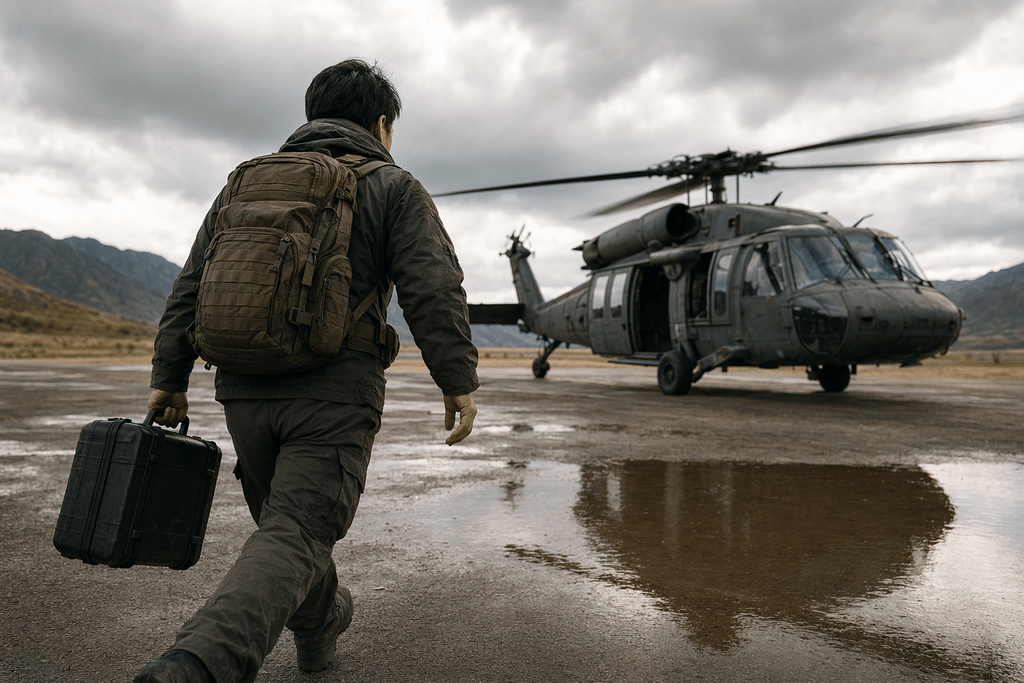
Tumungo sa isang direksyon / Humantong o umabot sa isang kalagayan
Word Forms
The basic and commonly used forms of this verb.
Basic forms
| Form | Word form | Usage |
|---|---|---|
| Imperfective form (mizenkei) |
Alternative:
赴こ
|
Connects to endings such as nai, reru, and seru. |
| Continuative form (renyokei) | Connects to endings such as masu, tai, and ta. | |
| Conclusive form (shushikei) | Ends a sentence and serves as the dictionary form. | |
| Attributive form (rentaikei) | Modifies a noun. | |
| Conditional form (kateikei) | Combines with ba to express a condition. | |
| Imperative form (meireikei) | Expresses a command or instruction. |
Common forms
物議
kontrobersiyang pampubliko
物議
kontrobersiyang pampubliko
Explanation
物議
kontrobersiyang pampubliko
物議
usap-usapan ng publiko / kontrobersiya sa madla / batikos at talakayan ng publiko
Nagdulot ng kontrobersiya ang pahayag na iyon at nauwi sa isang malawakang talakayang panlipunan hanggang sa puntong araw-araw itong itinatampok ng iba’t ibang media.

( Base form )
( romanization )
( hiragana )
質疑
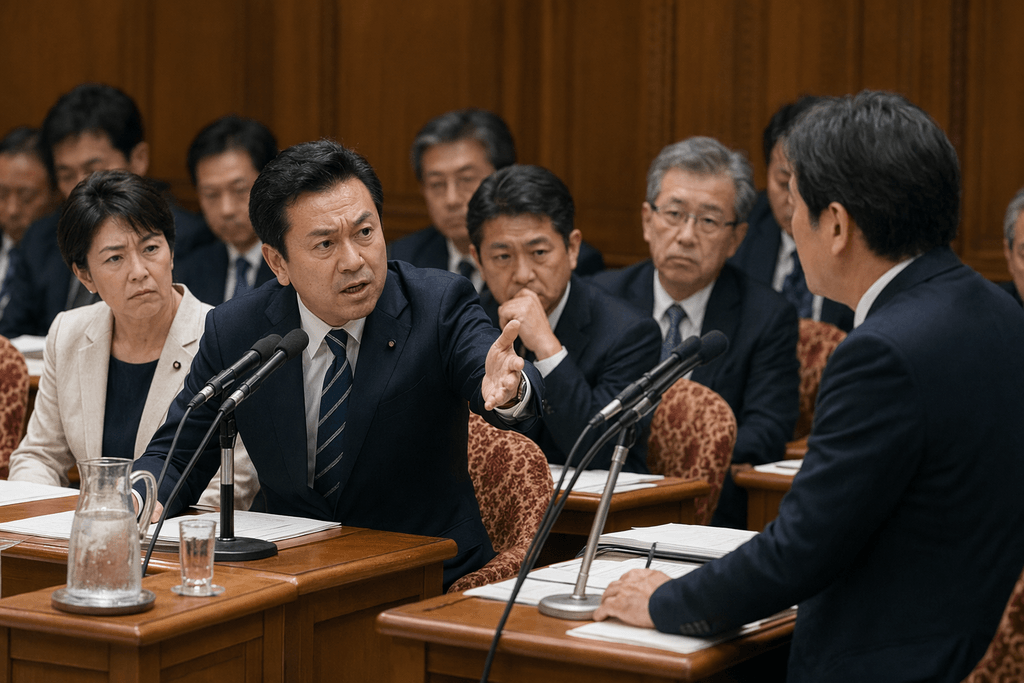
pagtatanong sa pagdinig
質疑
pagtatanong sa pagdinig
Explanation
質疑
pagtatanong sa pagdinig
質疑
pagtatanong / tanong / pag-uusisa
( Base form )
( romanization )
( romanization )
( hiragana historical )
( hiragana )
肉親
kadugo
肉親
kadugo
Explanation
肉親
kadugo
肉親
kadugo / kamag-anak sa dugo / kaanak

( Base form )
( romanization )
( hiragana )
込める
ilagay sa loob / lagyan ng damdamin
込める
ilagay sa loob / lagyan ng damdamin
Explanation
込める
ilagay sa loob / lagyan ng damdamin
込める
isama; ipaloob / kargahan ng bala / gawin nang buong puso
Sa pamamagitan ng paglalagay ng kanyang walang katapusang kalungkutan para sa kanyang yumaong kaibigan sa isang liham, sa wakas ay napagpasyahan niyang harapin ang kanyang pagkawala.

Word Forms
The basic and commonly used forms of this verb.
Basic forms
| Form | Word form | Usage |
|---|---|---|
| Imperfective form (mizenkei) | Connects to endings such as nai, reru, and seru. | |
| Continuative form (renyokei) | Connects to endings such as masu, tai, and ta. | |
| Conclusive form (shushikei) | Ends a sentence and serves as the dictionary form. | |
| Attributive form (rentaikei) | Modifies a noun. | |
| Conditional form (kateikei) | Combines with ba to express a condition. | |
| Imperative form (meireikei) |
Alternative:
込めよ
|
Expresses a command or instruction. |
Common forms
陰気
mapanglaw
陰気
mapanglaw
Explanation
陰気
mapanglaw
陰気
malungkot / malumbay / mapanglaw
Ang malungkot na katahimikan na nakabitin sa silid ng kumperensya ay nagsasalita nang mas malinaw tungkol sa plano sa pagsasaayos na hindi babanggitin ng sinuman.

Word Forms
The basic and commonly used forms of this adjectival noun.
Basic forms
| Form | Word form | Usage |
|---|---|---|
| Imperfective form (mizenkei) | Used in forms such as darou. | |
| Continuative form (renyokei) |
Alternative:
陰気に
|
Used with de or ni. |
| Conclusive form (shushikei) | Ends a sentence with da. | |
| Attributive form (rentaikei) |
Alternative:
陰気の
|
Modifies a noun with na. |
| Conditional form (kateikei) | Expresses a condition with nara. | |
| Imperative form (meireikei) | Used in formal expressions such as de are. |
Common forms
欠く
magkulang / tapyasin
欠く
magkulang / tapyasin
Explanation
欠く
magkulang / tapyasin
欠く
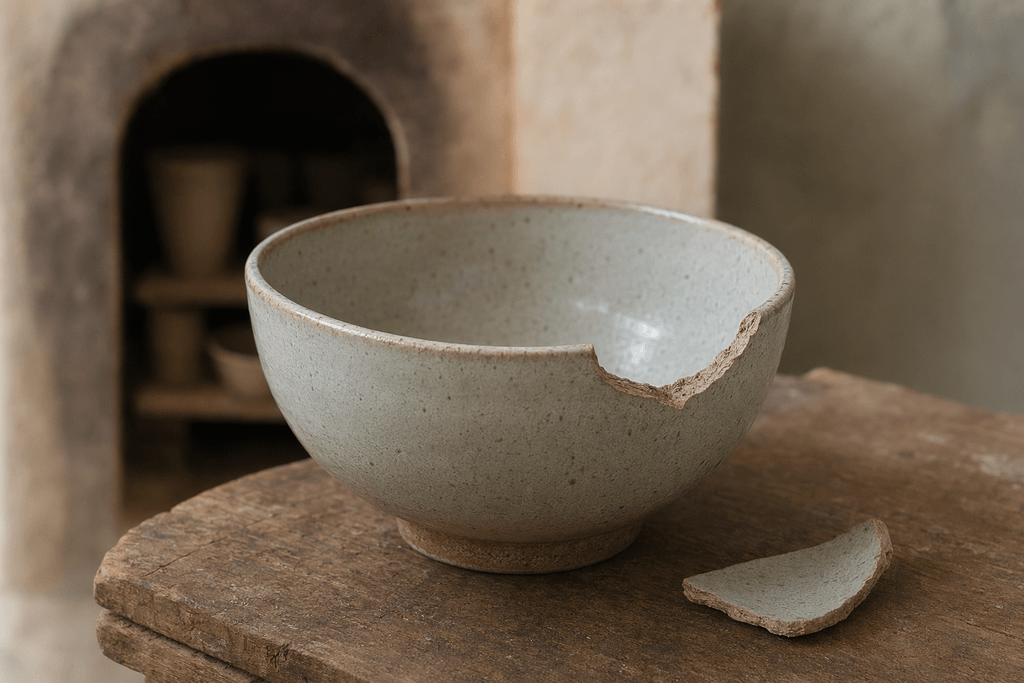
magkulang / mabungi / mawalan ng kapiraso
Nagkamali ang potter sa pagkontrol ng temperatura habang nagbe-bake, at nauwi sa pagkakabiyak ng gilid ng mangkok ng tsaa na pinaghirapan niyang tapusin.
Word Forms
The basic and commonly used forms of this verb.
Basic forms
| Form | Word form | Usage |
|---|---|---|
| Imperfective form (mizenkei) |
Alternative:
欠こ
|
Connects to endings such as nai, reru, and seru. |
| Continuative form (renyokei) | Connects to endings such as masu, tai, and ta. | |
| Conclusive form (shushikei) | Ends a sentence and serves as the dictionary form. | |
| Attributive form (rentaikei) | Modifies a noun. | |
| Conditional form (kateikei) | Combines with ba to express a condition. | |
| Imperative form (meireikei) | Expresses a command or instruction. |
Common forms
| Form | Word form | Usage |
|---|---|---|
| Te-form | Connects clauses with te. | |
| Ta-form | Expresses the past with ta. | |
| Nai-form | Expresses negation with nai. | |
| Masu-form | Used for polite speech. | |
| Ba-form | Expresses a condition with ba. | |
| Volitional form | Expresses intention or invitation. |
Notes
吹奏
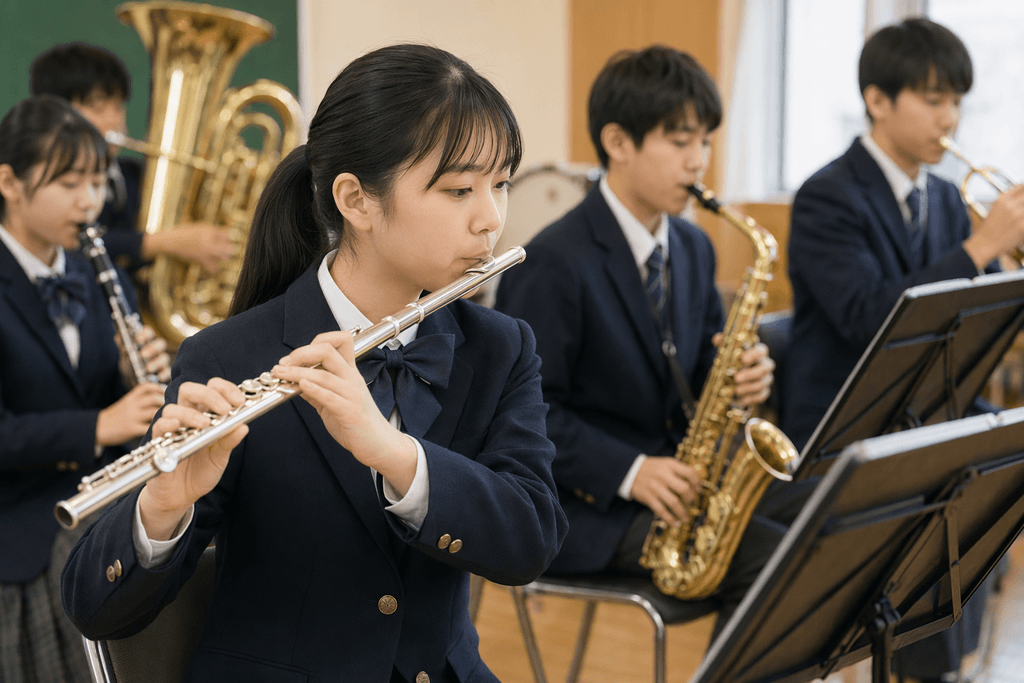
pagtugtog ng instrumentong hinihipan
吹奏
pagtugtog ng instrumentong hinihipan
Explanation
吹奏
pagtugtog ng instrumentong hinihipan
吹奏
pagtugtog ng mga instrumentong panghihip / pagganap gamit ang mga instrumentong panghihip
Ang kasanayan sa pagtugtog ng instrumentong panghihip ay hindi lamang nakasalalay sa talento; napapakinis ito sa pamamagitan ng patuloy at masusing pagsasama-sama ng mga batayang pagsasanay.
( Base form )
( romanization )
( hiragana )
前もって
nang pauna
前もって
nang pauna
Explanation
前もって
nang pauna
前もって
nang pauna / bago pa / una pa man
Upang matiyak na ang mahahalagang negosasyon ay magpatuloy nang maayos, mahalaga na mag-isip nang maaga kung paano tumugon sa inaasahang pagtutol.

( Base form )
( romanization )
Loading...

JLPT N1 多言語単語帳・3032語 / JLPT N1 Multilingual Vocabulary: 3032 Words

Jonathan Waller 氏の JLPT Resources の語彙リスト・レベル分類を出典とし、CC BY の条件に従って DiQt が学習者向けに意味を作り直した3032語の単語帳です。JLPT公式の語彙リストではありません。
This collection of 3032 words is based on the vocabulary list and level classifications in Jonathan Waller’s JLPT Resources under CC BY, with meanings rewritten by DiQt for learners. It is not an official JLPT vocabulary list.
Key Operations
Select the first quiz:
Ctrl + Enter
View Explanation:Ctrl + G
Close a feedback:Esc
When selecting a quiz
Answer:Enter
Select a choice:↓ or ↑
Reading out the question:Ctrl + K
View Hint: Ctrl + M
I don't know: Ctrl + Y



