
JLPT N1: Kahulugan ng mga salita - Unsolved

Alamin ang kahulugan ng 3032 salita sa JLPT N1 sa Filipino sa pamamagitan ng mga tanong na may apat na pagpipilian.
-
malungkot / nakakayamot
-
nakapagpapalakas ng loob
-
kasuklam-suklam
-
makihalo / malihis ang isip
-
magkamali / baguhin
-
pilitin
-
harapin
-
magpagawa ayon sa sukat
-
maubos
-
nostalhiya / pangungulila sa bahay
-
mga kagamitang luwad
-
pagiging pabaya
-
hindi pagboto / pag-urong sa laro
-
deklarasyon
-
patakaran
-
patalastas
-
haligi
-
damdamin / atmospera
-
habihan
-
presipitasyon
-
digmaan / labanan
-
pagpapanagot
-
paghihiwalay
-
panggugubat
-
bangin
-
sari-saring paninda
-
gawain / suliranin
-
panahon ng kasagsagan
-
depinisyon
-
diseksiyon / awtopsiya
なれなれしい
masyadong palagay ang loob
なれなれしい
masyadong palagay ang loob
Explanation
masyadong palagay ang loob
なれなれしい
sobrang pamilyar / masyadong malapit ang pakikitungo kahit hindi naman / pangahas sa pakikitungo
Kahit unang beses pa lang kaming nagkita, masyado siyang palagay-loob at lumalapit nang lumalapit, kaya lalo lang nitong pinataas ang aking pag-iingat.

Word Forms
The basic and commonly used forms of this adjective.
Basic forms
| Form | Word form | Usage |
|---|---|---|
| Imperfective form (mizenkei) |
Alternative:
馴れ馴れしかろ
|
Used in forms such as karou; mainly literary. |
| Continuative form (renyokei) |
Alternative:
なれなれしかっ
馴れ馴れしく
馴れ馴れしかっ
|
Used in forms such as kute and kunai. |
| Conclusive form (shushikei) |
Alternative:
馴れ馴れしい
|
Ends a sentence. |
| Attributive form (rentaikei) |
Alternative:
馴れ馴れしい
|
Modifies a noun. |
| Conditional form (kateikei) |
Alternative:
馴れ馴れしけれ
|
Expresses a condition with kereba. |
| Imperative form (meireikei) |
Alternative:
馴れ馴れしかれ
|
Rarely used in modern Japanese. |
Common forms
| Form | Word form | Usage |
|---|---|---|
| Te-form |
Alternative:
馴れ馴れしくて
|
Connects clauses with kute. |
| Ta-form |
Alternative:
馴れ馴れしかった
|
Expresses the past with katta. |
| Nai-form |
Alternative:
馴れ馴れしくない
|
Expresses negation with kunai. |
| Ba-form |
Alternative:
馴れ馴れしければ
|
Expresses a condition with kereba. |
貫く
tumagos / ituloy hanggang wakas
貫く
tumagos / ituloy hanggang wakas
Explanation
貫く
tumagos / ituloy hanggang wakas
貫く
tagusin / panindigan

Word Forms
The basic and commonly used forms of this verb.
Basic forms
| Form | Word form | Usage |
|---|---|---|
| Imperfective form (mizenkei) | Connects to endings such as nai, reru, and seru. | |
| Continuative form (renyokei) | Connects to endings such as masu, tai, and ta. | |
| Conclusive form (shushikei) | Ends a sentence and serves as the dictionary form. | |
| Attributive form (rentaikei) | Modifies a noun. | |
| Conditional form (kateikei) | Combines with ba to express a condition. | |
| Imperative form (meireikei) | Expresses a command or instruction. |
Common forms
仕える
maglingkod
仕える
maglingkod
Explanation
仕える
maglingkod
仕える
maglingkod / magsilbi sa amo/pinuno / pumasok sa serbisyo publiko

Word Forms
The basic and commonly used forms of this verb.
Basic forms
| Form | Word form | Usage |
|---|---|---|
| Imperfective form (mizenkei) | Connects to endings such as nai, reru, and seru. | |
| Continuative form (renyokei) | Connects to endings such as masu, tai, and ta. | |
| Conclusive form (shushikei) | Ends a sentence and serves as the dictionary form. | |
| Attributive form (rentaikei) | Modifies a noun. | |
| Conditional form (kateikei) | Combines with ba to express a condition. | |
| Imperative form (meireikei) |
Alternative:
仕えよ
|
Expresses a command or instruction. |
Common forms
絨毯
karpet
絨毯
karpet
Explanation
絨毯
karpet
絨毯
karpet / alpombra
Ang karpet na iniwan ng lola ko, bagama't kumupas na sa paglipas ng mga taon, ay hindi pa rin nawawala ang maringal nitong anyo, na para bang hinabi rito ang mga alaala ng angkan.

( Base form )
( romanization )
( hiragana )
所在
kinaroroonan
所在
kinaroroonan
Explanation
所在
kinaroroonan
所在
kinaroroonan / kinalalagyan / lokasyon

( Base form )
( romanization )
( hiragana )
爆弾
bomba
爆弾
bomba
Explanation
爆弾
bomba
爆弾
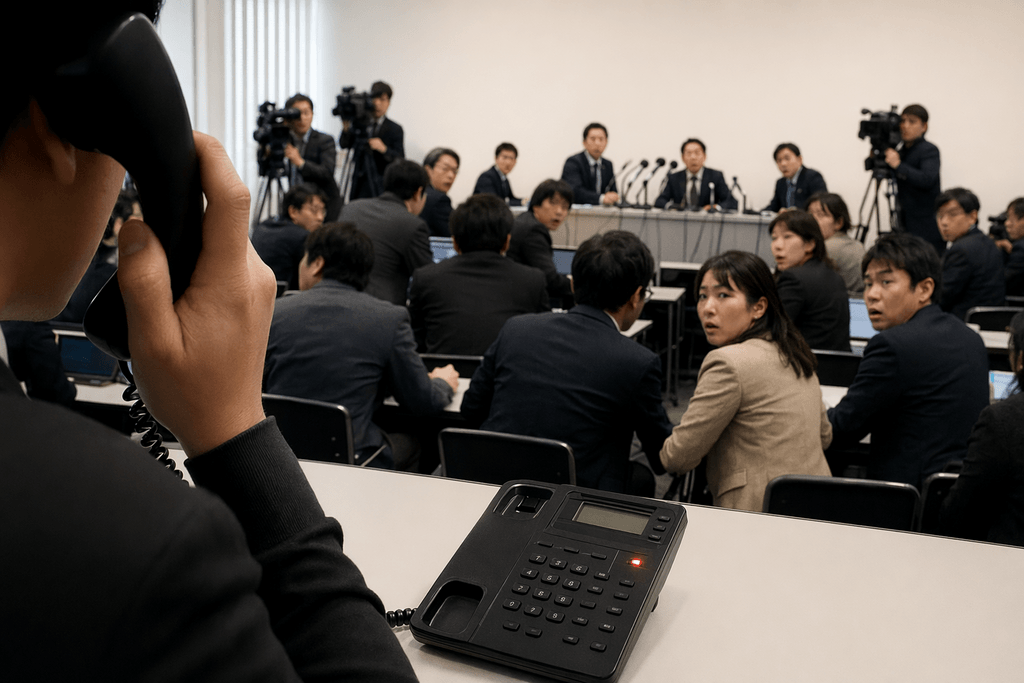
bomba; aparatong pampasabog / (pangingisda) kabibe na may putik sa loob imbes na laman
Sa gitna ng press conference, may natanggap na anonymous na tip na nagsasabing “may inilagay na bomba,” at sa isang iglap ay nagkagulo ang lugar.
( Base form )
( romanization )
( kyūjitai )
( hiragana )
蓮
lotus
蓮
lotus
Explanation
蓮
lotus
蓮
lotus (lotos) / bulaklak ng lotus
Ang lotus, na nagtataas pa rin ng isang dalisay na bulaklak mula sa isang maputik na lawa, ay matagal nang ipinagdiriwang bilang isang metapora para sa isang buhay na hindi nawawala ang dignidad nito kahit na sa paghihirap.

( romanization )
( hiragana )
刷り
paglilimbag
刷り
paglilimbag
Explanation
刷り
paglilimbag
刷り
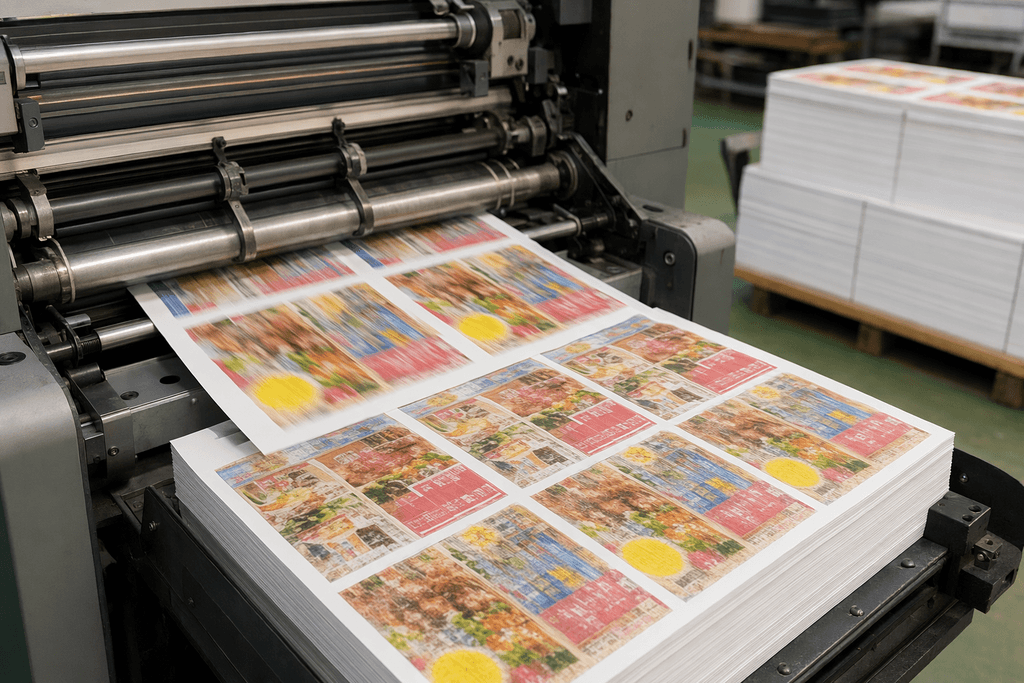
paglilimbag / limbag (kopya) / dami ng limbag
( Base form )
( romanization )
利息
interes sa pera
利息
interes sa pera
Explanation
利息
interes sa pera
利息
interes sa utang o deposito / tubo na binabayaran sa pinahiram na pera / kabayaran sa paggamit ng pera
Dahil sa biglaang pagtaas ng mga rate ng interes sa merkado, ang interes ng mga loan na may variable na interes ay lumampas sa inaasahan at piniga ang cash flow ng mga sambahayan.

( Base form )
( romanization )
( hiragana )
憤慨
pagngingitngit
憤慨
pagngingitngit
Explanation
憤慨
pagngingitngit
憤慨
matinding galit / poot / hinanakit
Ang galit ng publiko sa hindi malinaw na tugon ng gobyerno ay naging imposibleng balewalain habang ang mga rally ng protesta ay lumalawak araw-araw.

( Base form )
( romanization )
( hiragana )
Loading...

JLPT N1 多言語単語帳・3032語 / JLPT N1 Multilingual Vocabulary: 3032 Words

Jonathan Waller 氏の JLPT Resources の語彙リスト・レベル分類を出典とし、CC BY の条件に従って DiQt が学習者向けに意味を作り直した3032語の単語帳です。JLPT公式の語彙リストではありません。
This collection of 3032 words is based on the vocabulary list and level classifications in Jonathan Waller’s JLPT Resources under CC BY, with meanings rewritten by DiQt for learners. It is not an official JLPT vocabulary list.
Key Operations
Select the first quiz:
Ctrl + Enter
View Explanation:Ctrl + G
Close a feedback:Esc
When selecting a quiz
Answer:Enter
Select a choice:↓ or ↑
Reading out the question:Ctrl + K
View Hint: Ctrl + M
I don't know: Ctrl + Y



