
JLPT N1: Kahulugan ng mga salita - Unsolved

Alamin ang kahulugan ng 3032 salita sa JLPT N1 sa Filipino sa pamamagitan ng mga tanong na may apat na pagpipilian.
-
pagdaing
-
antigong bagay
-
taong may talento
-
pag-unawa
-
paghahanda / paghahanap ng pulis
-
pagtakas palayo
-
gumabay
-
tumagos / ituloy hanggang wakas
-
idagdag
-
pera
-
pagdurugo
-
pag-angat
-
lahat ng tao
-
makisig
-
kalagayan
-
pamahalaang republikano
-
pagpapabawas ng pasanin
-
usaping militar
-
pamumuno
-
pagbulwak
-
katapatan ng loob
-
tumanda
-
magsuot / kumain
-
dumaing / umungol
- 「徹する」はサ行変格活用の複合動詞として扱う。
- 未然形には「徹し」のほか、「徹さない」などに現れる「徹さ」、文語的な「徹せず」などに現れる「徹せ」がある。
-
paunang bentahan
-
resepsiyon / harapan
-
malawak na langit
-
masalimuot
-
napakalaki
-
paulit-ulit / nakakaumay
排水
pagpapaagos ng tubig
排水
pagpapaagos ng tubig
Explanation
排水
pagpapaagos ng tubig
排水
paagusan ng tubig / pagtaboy sa tubig ng isang bagay / maruming tubig
Umabot na sa limitasyon ang kakayahan ng mga lumang tubo sa pagdaloy ng tubig, kaya tumataas ang panganib na bahain ang mga pasilidad sa ilalim ng lupa sa tuwing may malalakas na pag-ulan.

( Base form )
( romanization )
( hiragana )
酪農
pag-aalaga ng hayop na panggatas
酪農
pag-aalaga ng hayop na panggatas
Explanation
酪農
pag-aalaga ng hayop na panggatas
酪農
pag-aalaga ng mga hayop para sa gatas (lalo na baka) / pagsasakang nakatuon sa produksyon ng gatas / sakahan ng mga gatasang hayop
Sa kabila ng pagtataguyod ng pagbawas sa pasaning pangkapaligiran, sa mga sakahan ng pagawaan ng gatas ay pinipiga ng pagtaas ng presyo ng pakain ang pamamahala, at ang pagtiyak ng pagpapanatili ay naging isang agarang hamon.

( Base form )
( romanization )
( hiragana )
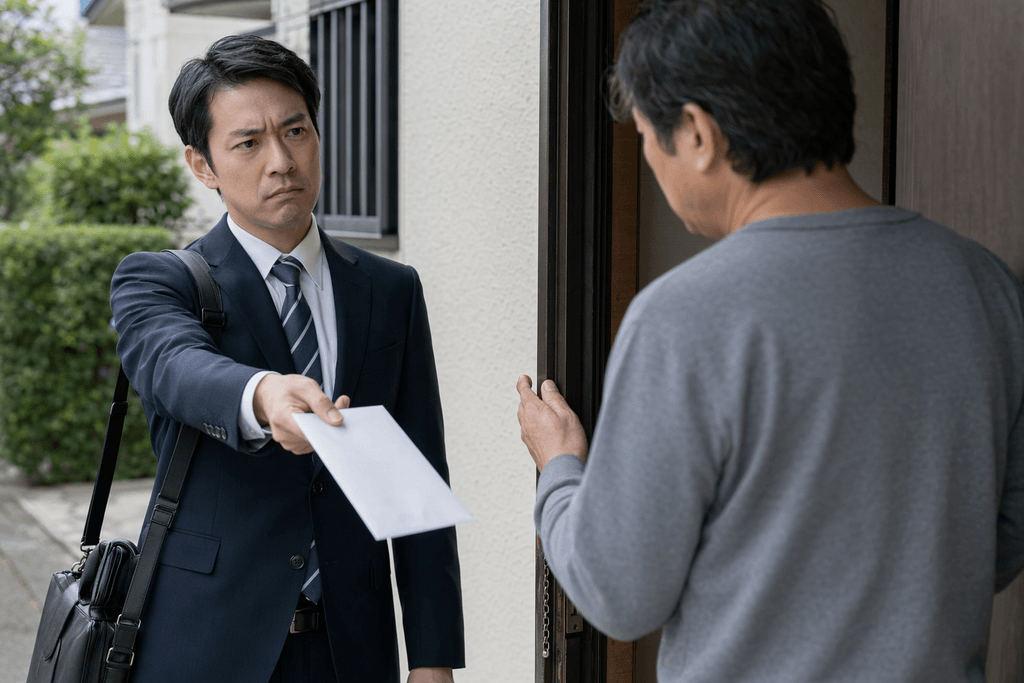
取り立てる
maningil ng utang / itaguyod sa puwesto
取り立てる
maningil ng utang / itaguyod sa puwesto
Explanation
取り立てる
maningil ng utang / itaguyod sa puwesto
取り立てる
maningil / singilin / mangolekta
Word Forms
The basic and commonly used forms of this verb.
Basic forms
| Form | Word form | Usage |
|---|---|---|
| Imperfective form (mizenkei) | Connects to endings such as nai, reru, and seru. | |
| Continuative form (renyokei) | Connects to endings such as masu, tai, and ta. | |
| Conclusive form (shushikei) | Ends a sentence and serves as the dictionary form. | |
| Attributive form (rentaikei) | Modifies a noun. | |
| Conditional form (kateikei) | Combines with ba to express a condition. | |
| Imperative form (meireikei) |
Alternative:
取り立てよ
|
Expresses a command or instruction. |
Common forms
協会
asosasyon
協会
asosasyon
Explanation
協会
asosasyon
協会
asosasyon / samahan / kapisanan

( Base form )
( romanization )
( romanization )
( kyūjitai )
( hiragana historical )
( hiragana )
海峡
kipot
海峡
kipot
Explanation
海峡
kipot
海峡
kipot / kipot na dagat / kipot na lagusan ng dagat
Sa makapal na hamog, pasumpong-sumpong na umalingawngaw ang busina ng barkong tumatawid sa kipot, at lubos kong nadama na kahit bahagyang paglihis sa ruta ay maaaring ikamatay.

( Base form )
( romanization )
( kyūjitai )
( hiragana )
購入
pagbili
購入
pagbili
Explanation
購入
pagbili
購入
pagbili / binili

( Base form )
( romanization )
( romanization )
( hiragana historical )
( hiragana )
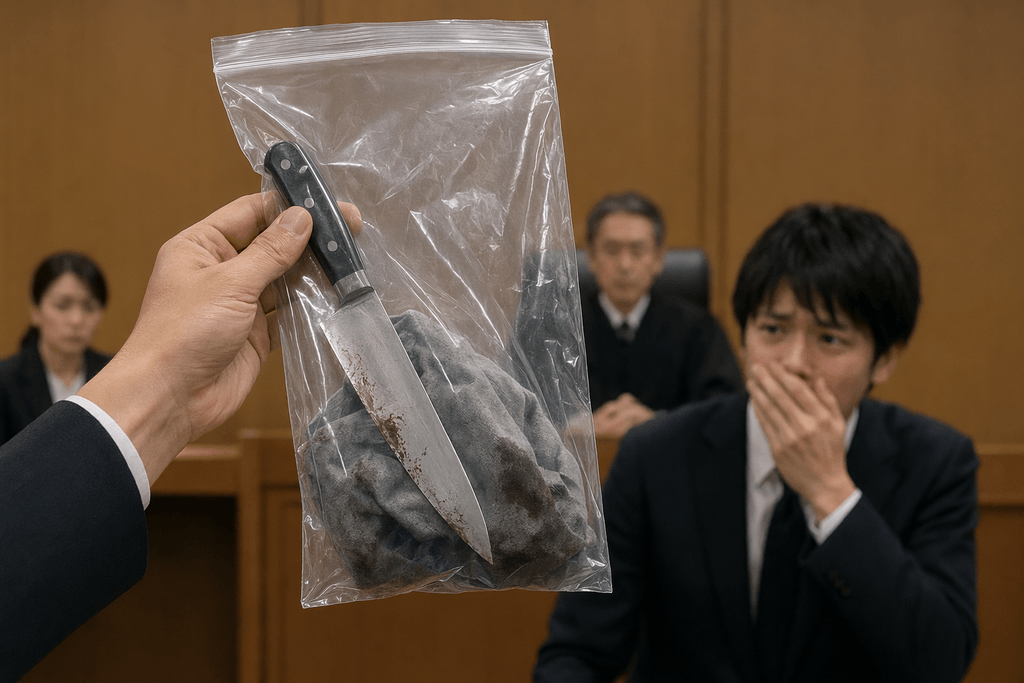
証拠
ebidensiya
証拠
ebidensiya
Explanation
証拠
ebidensiya
証拠
ebidensya / patunay / katibayan
( Base form )
( romanization )
( romanization )
( kyūjitai )
( hiragana historical )
( hiragana )
徹する
italaga ang sarili
徹する
italaga ang sarili
Explanation
徹する
italaga ang sarili
徹する
maglaan ng sarili nang lubusan / ituloy hanggang dulo / gawin nang buong-buo at walang iba

Word Forms
The basic and commonly used forms of this verb.
Basic forms
| Form | Word form | Usage |
|---|---|---|
| Imperfective form (mizenkei) |
Alternative:
徹さ
徹せ
|
Connects to endings such as nai, reru, and seru. |
| Continuative form (renyokei) | Connects to endings such as masu, tai, and ta. | |
| Conclusive form (shushikei) | Ends a sentence and serves as the dictionary form. | |
| Attributive form (rentaikei) | Modifies a noun. | |
| Conditional form (kateikei) | Combines with ba to express a condition. | |
| Imperative form (meireikei) |
Alternative:
徹せよ
|
Expresses a command or instruction. |
Common forms
| Form | Word form | Usage |
|---|---|---|
| Te-form | Connects clauses with te. | |
| Ta-form | Expresses the past with ta. | |
| Nai-form |
Alternative:
徹さない
|
Expresses negation with nai. |
| Masu-form | Used for polite speech. | |
| Ba-form | Expresses a condition with ba. | |
| Volitional form | Expresses intention or invitation. |
Notes
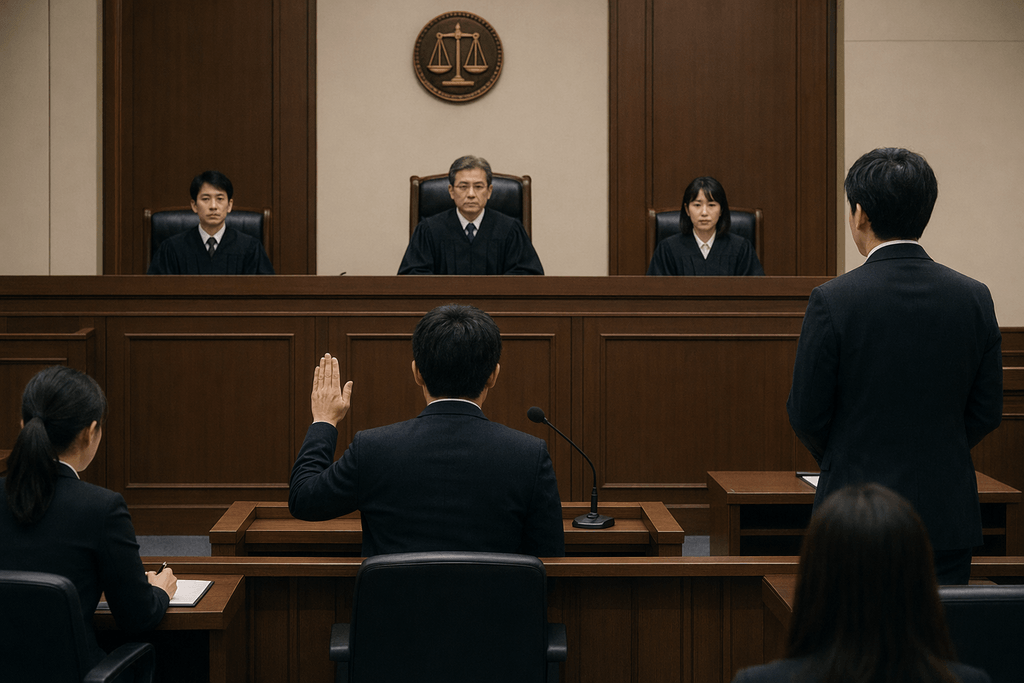
法廷
silid-hukuman
法廷
silid-hukuman
Explanation
法廷
silid-hukuman
法廷
hukuman / korte / hanay ng mga hukom
Sa sandaling ang patotoo ng saksi ay nagsiwalat ng mga kontradiksyon, isang tensyon na maaaring matukoy ang kapalaran ng akusado ay kumalat sa tahimik na hukuman.
( Base form )
( romanization )
( hiragana )
しぶとい
matibay ang loob
しぶとい
matibay ang loob
Explanation
matibay ang loob
しぶとい
matigas ang ulo / mapilit / hindi madaling sumuko

Word Forms
The basic and commonly used forms of this adjective.
Basic forms
| Form | Word form | Usage |
|---|---|---|
| Imperfective form (mizenkei) | Used in forms such as karou; mainly literary. | |
| Continuative form (renyokei) |
Alternative:
しぶとう
|
Used in forms such as kute and kunai. |
| Conclusive form (shushikei) | Ends a sentence. | |
| Attributive form (rentaikei) | Modifies a noun. | |
| Conditional form (kateikei) | Expresses a condition with kereba. | |
| Imperative form (meireikei) | Rarely used in modern Japanese. |
Common forms
Loading...

JLPT N1 多言語単語帳・3032語 / JLPT N1 Multilingual Vocabulary: 3032 Words

Jonathan Waller 氏の JLPT Resources の語彙リスト・レベル分類を出典とし、CC BY の条件に従って DiQt が学習者向けに意味を作り直した3032語の単語帳です。JLPT公式の語彙リストではありません。
This collection of 3032 words is based on the vocabulary list and level classifications in Jonathan Waller’s JLPT Resources under CC BY, with meanings rewritten by DiQt for learners. It is not an official JLPT vocabulary list.
Key Operations
Select the first quiz:
Ctrl + Enter
View Explanation:Ctrl + G
Close a feedback:Esc
When selecting a quiz
Answer:Enter
Select a choice:↓ or ↑
Reading out the question:Ctrl + K
View Hint: Ctrl + M
I don't know: Ctrl + Y



