
JLPT N1: Kahulugan ng mga salita - Unsolved

Alamin ang kahulugan ng 3032 salita sa JLPT N1 sa Filipino sa pamamagitan ng mga tanong na may apat na pagpipilian.
-
katwiran
-
paglapit
-
matibay na paniniwala
-
kariktan
-
barkong pandigma
-
pangangalap ng balita
-
mga gastusin
-
punong paulownia
-
pagkaabala
-
magkagulo
-
maglambing / umasa sa kabaitan
-
ilabas sa bentahan / ipasikat
-
tanggapan ng buwis
-
tunay na pangyayari
-
hampas / paghampas ng bola
-
sirain / mabigong gawin
-
lipulin
-
magtayo / pumuwesto
-
panghuhuli ng balyena
-
kulungan
-
pag-upo
-
magbalik ng liwanag
-
magtayo / pumuwesto
-
pagsamahin
-
walang alalahanin
-
malambot at nababaluktot
-
lehitimo / makatwiran
- 擬態語由来の形容動詞。連体では「だぶだぶの」もよく用いられる。
-
masaktan
-
tiisin / pigilan
-
pag-usapan ang plano
- ラ行五段活用。連用形接続で促音便(群がって・群がった)をとる。
使用人
katulong sa bahay
使用人
katulong sa bahay
Explanation
使用人
katulong sa bahay
使用人
empleyado / katulong / lingkod
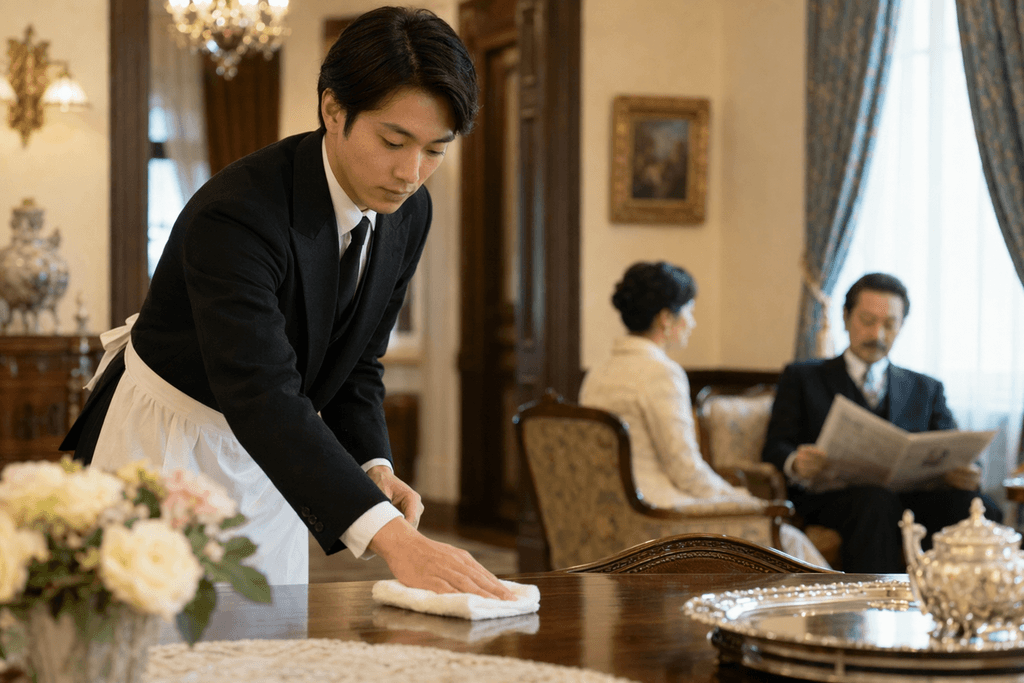
Matapos maglingkod sa loob ng maraming taon bilang empleyado ng isang lumang pamilya, naakit siya sa alitan ng mga kamag-anak sa mansyon sa sandaling ipaalam sa publiko ang kalooban ng pinuno ng pamilya.
( Base form )
( romanization )
( hiragana )
主人公
pangunahing tauhan
主人公
pangunahing tauhan
Explanation
主人公
pangunahing tauhan
主人公
pangunahing tauhan / bida / protagonista

( Base form )
( romanization )
( hiragana )
手回し
paunang paghahanda
手回し
paunang paghahanda
Explanation
手回し
paunang paghahanda
手回し
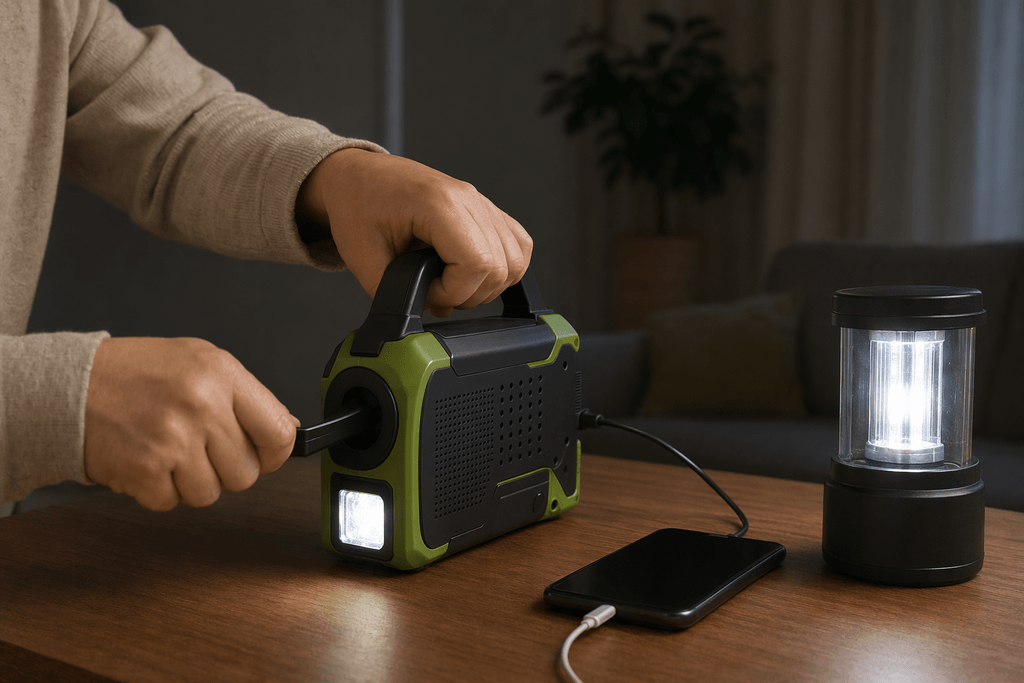
mano-manong pagpihit o pag-ikot / (panglarawan) mano-manong pinapaikot o pinapagana / paghahanda; pagsasaayos
Kaagad pagkatapos ng lindol, ang hand-cranked generator na ipinakilala sa pag-asa ng pagkawala ng kuryente ay gumanap ng isang kailangang-kailangan na papel sa pag-secure ng isang paraan ng komunikasyon.
( Base form )
( romanization )
( romanization )
( hiragana historical )
染みる
manuot / mahapdi
染みる
manuot / mahapdi
Explanation
染みる
manuot / mahapdi
染みる
tumagos / manuot / manghapdi o kumirot
Ang tunog ng ulan sa kalaliman ng gabi ay tahimik na nagpanumbalik sa puso ko—parang dahan-dahang tumatagos sa kaloob-looban—ang pag-asang halos nawala.

Word Forms
The basic and commonly used forms of this verb.
Basic forms
| Form | Word form | Usage |
|---|---|---|
| Imperfective form (mizenkei) | Connects to endings such as nai, reru, and seru. | |
| Continuative form (renyokei) | Connects to endings such as masu, tai, and ta. | |
| Conclusive form (shushikei) | Ends a sentence and serves as the dictionary form. | |
| Attributive form (rentaikei) | Modifies a noun. | |
| Conditional form (kateikei) | Combines with ba to express a condition. | |
| Imperative form (meireikei) |
Alternative:
染みよ
|
Expresses a command or instruction. |
Common forms
些事
maliit na bagay
些事
maliit na bagay
Explanation
些事
maliit na bagay
些事
maliit na bagay / hindi mahalagang bagay / walang‑kabuluhang bagay

( Base form )
( romanization )
( hiragana )
剥ぐ
balatan
剥ぐ
balatan
Explanation
剥ぐ
balatan
剥ぐ
balatan / hubaran / alisan; tanggalan (ng isang bagay)

Word Forms
The basic and commonly used forms of this verb.
Basic forms
| Form | Word form | Usage |
|---|---|---|
| Imperfective form (mizenkei) |
Alternative:
剥ご
|
Connects to endings such as nai, reru, and seru. |
| Continuative form (renyokei) | Connects to endings such as masu, tai, and ta. | |
| Conclusive form (shushikei) | Ends a sentence and serves as the dictionary form. | |
| Attributive form (rentaikei) | Modifies a noun. | |
| Conditional form (kateikei) | Combines with ba to express a condition. | |
| Imperative form (meireikei) | Expresses a command or instruction. |
Common forms
復旧
pagpapanumbalik
復旧
pagpapanumbalik
Explanation
復旧
pagpapanumbalik
復旧
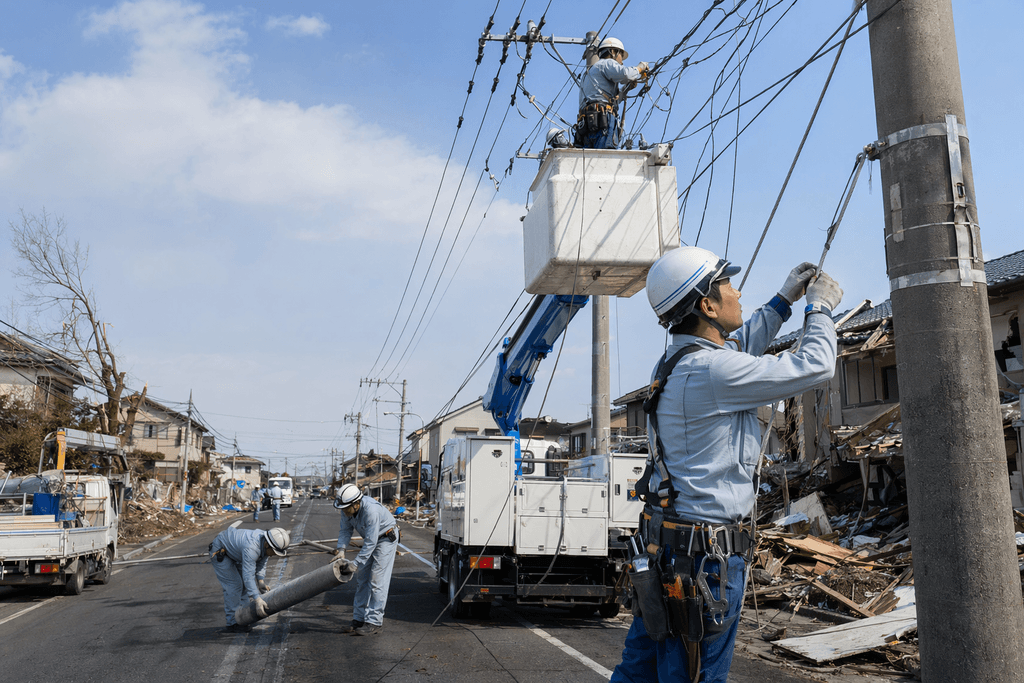
pagpapanumbalik / pagsasaayos muli / pagbabalik sa dati
Matapos ang isang malakihang sakuna, itinuring na pinakamataas na prayoridad ang pagpapanumbalik ng mga lifeline (mahahalagang serbisyo), at magkatuwang na kumilos ang mga lokal na pamahalaan at mga pribadong kumpanya upang tumugon.
( Base form )
( romanization )
( hiragana )
煽てる
bolahin para kumilos
煽てる
bolahin para kumilos
Explanation
煽てる
bolahin para kumilos
煽てる
bolahin / udyukin sa pamamagitan ng papuri / magpasiklab ng kaguluhan
Ang purihin ang mga tauhan para maudyok sila at mapasalo pa sa kanila kahit ang sobra-sobrang overtime ay isang kilos na hindi nararapat sa isang tagapamahala.

Word Forms
The basic and commonly used forms of this verb.
Basic forms
| Form | Word form | Usage |
|---|---|---|
| Imperfective form (mizenkei) | Connects to endings such as nai, reru, and seru. | |
| Continuative form (renyokei) | Connects to endings such as masu, tai, and ta. | |
| Conclusive form (shushikei) | Ends a sentence and serves as the dictionary form. | |
| Attributive form (rentaikei) | Modifies a noun. | |
| Conditional form (kateikei) | Combines with ba to express a condition. | |
| Imperative form (meireikei) |
Alternative:
煽てよ
|
Expresses a command or instruction. |
Common forms
だぶだぶ
maluwang
だぶだぶ
maluwang
Explanation
maluwang
だぶだぶ
maluwag / sobrang luwag / lawlaw
Matigas ang ulo niyang tumangging alisin ang baggy coat, na sinabi niyang isang alaala mula sa kanyang lolo, kahit na kinutya ito ng mga tao bilang anachronistic.

Word Forms
The basic and commonly used forms of this adjectival noun.
Basic forms
| Form | Word form | Usage |
|---|---|---|
| Imperfective form (mizenkei) | Used in forms such as darou. | |
| Continuative form (renyokei) |
Alternative:
だぶだぶに
だぶだぶだっ
|
Used with de or ni. |
| Conclusive form (shushikei) | Ends a sentence with da. | |
| Attributive form (rentaikei) |
Alternative:
だぶだぶの
|
Modifies a noun with na. |
| Conditional form (kateikei) | Expresses a condition with nara. | |
| Imperative form (meireikei) | Used in formal expressions such as de are. |
Common forms
| Form | Word form | Usage |
|---|---|---|
| Te-form equivalent | Connects clauses using de. | |
| Ta-form | Expresses the past with datta. | |
| Nai-form |
Alternative:
だぶだぶじゃない
|
Expresses negation with dewa nai or ja nai. |
| Desu-form | Used for polite speech. |
Notes
群がる
magkumpulan
群がる
magkumpulan
Explanation
群がる
magkumpulan
群がる
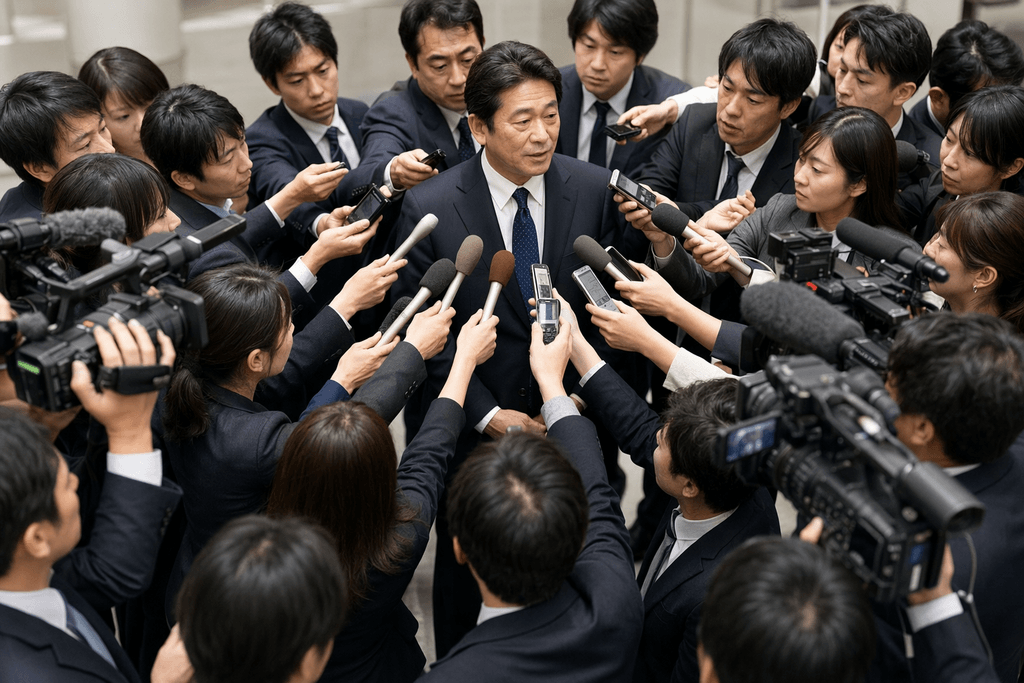
magkumpol / magdagsaan / magtipon-tipon
Sa press conference para sa paglulunsad ng bagong produkto, sabay-sabay na nagsiksikan ang mga mamamahayag sa paligid ng pangulo ng kumpanya, at sinikap nilang hindi makaligtaan kahit kaunting sinabi niya.
Word Forms
The basic and commonly used forms of this verb.
Basic forms
| Form | Word form | Usage |
|---|---|---|
| Imperfective form (mizenkei) |
Alternative:
群がろ
|
Connects to endings such as nai, reru, and seru. |
| Continuative form (renyokei) | Connects to endings such as masu, tai, and ta. | |
| Conclusive form (shushikei) | Ends a sentence and serves as the dictionary form. | |
| Attributive form (rentaikei) | Modifies a noun. | |
| Conditional form (kateikei) | Combines with ba to express a condition. | |
| Imperative form (meireikei) | Expresses a command or instruction. |
Common forms
| Form | Word form | Usage |
|---|---|---|
| Te-form | Connects clauses with te. | |
| Ta-form | Expresses the past with ta. | |
| Nai-form | Expresses negation with nai. | |
| Masu-form | Used for polite speech. | |
| Ba-form | Expresses a condition with ba. | |
| Volitional form | Expresses intention or invitation. |
Notes
Loading...

JLPT N1 多言語単語帳・3032語 / JLPT N1 Multilingual Vocabulary: 3032 Words

Jonathan Waller 氏の JLPT Resources の語彙リスト・レベル分類を出典とし、CC BY の条件に従って DiQt が学習者向けに意味を作り直した3032語の単語帳です。JLPT公式の語彙リストではありません。
This collection of 3032 words is based on the vocabulary list and level classifications in Jonathan Waller’s JLPT Resources under CC BY, with meanings rewritten by DiQt for learners. It is not an official JLPT vocabulary list.
Key Operations
Select the first quiz:
Ctrl + Enter
View Explanation:Ctrl + G
Close a feedback:Esc
When selecting a quiz
Answer:Enter
Select a choice:↓ or ↑
Reading out the question:Ctrl + K
View Hint: Ctrl + M
I don't know: Ctrl + Y



