
JLPT N1: Kahulugan ng mga salita - Unsolved

Alamin ang kahulugan ng 3032 salita sa JLPT N1 sa Filipino sa pamamagitan ng mga tanong na may apat na pagpipilian.
-
pundasyon
-
hanay ng teksto
-
pakikipagtalik
-
palasyo
-
pagkaangkop
-
sarili
-
pagkalito ng magkaibang bagay
-
kasalukuyang umiiral
-
pag-iikid ng sinulid
-
mikrobyo
-
pagsasarili
-
saloobin / hangarin
-
pagi
-
maayos na pakikipagtulungan
-
impeksiyon
-
paghahandog
-
natatanging kasanayan
-
pagkagalit
-
pagkakatapos / kinita
-
paunang pagpapaliwanag
-
pakikialam
-
mabuti at masama
-
pag-uugnay
-
labanan
-
patagasin / laktawan
-
dumagsa
-
mag-ulat
- 「躾ける」「仕付ける」ともに下一段活用。
-
pagaanin
-
pasanin
-
nakatanim
神秘
hiwaga
神秘
hiwaga
Explanation
神秘
hiwaga
神秘
hiwaga / misteryo / kahiwagaan

( Base form )
( romanization )
( hiragana )
桟橋
pantalan
桟橋
pantalan
Explanation
桟橋
pantalan
桟橋
pantalan / daungan

( Base form )
( romanization )
( romanization )
( hiragana historical )
( hiragana )
内陸
kalupaan sa loob
内陸
kalupaan sa loob
Explanation
内陸
kalupaan sa loob
内陸
loob ng bansa / kaloob-looban ng lupain / bahaging malayo sa baybayin
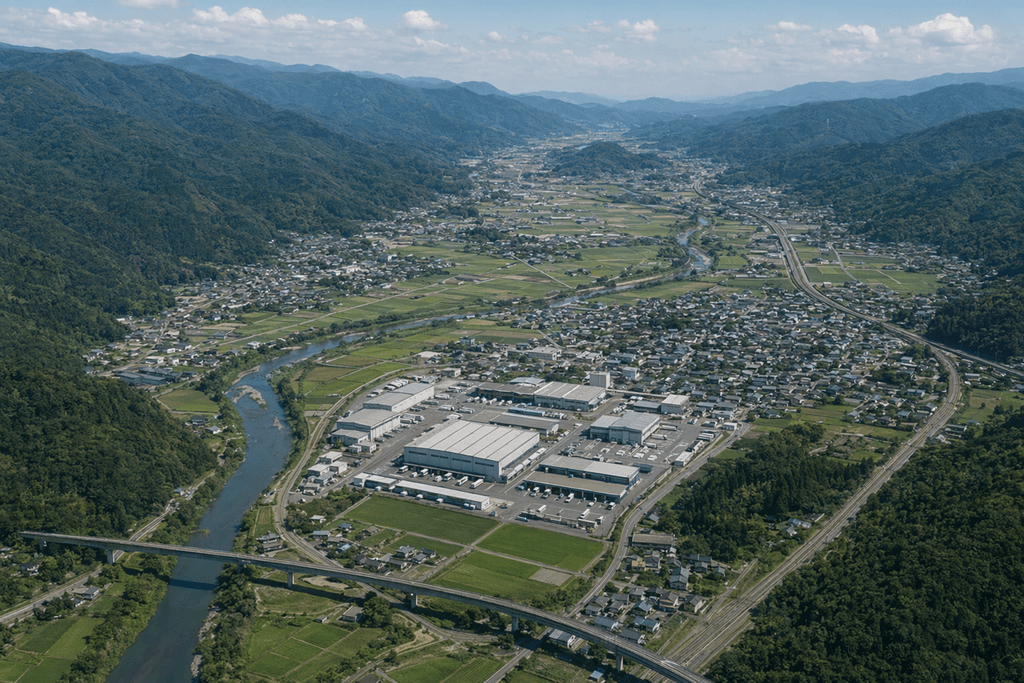
Dahil direktang tinamaan ng bagyo ang mga baybaying lugar at naparalisa ang logistics, naglatag ang pamahalaan ng patakaran na tipunin ang mga suplay sa mga sentrong nasa loob ng lupain at unti-unting ipapadala ang mga ito sa mga apektadong lugar.
( Base form )
( romanization )
( kyūjitai )
( hiragana )
お襁褓
lampin
お襁褓
lampin
Explanation
お襁褓
lampin
お襁褓
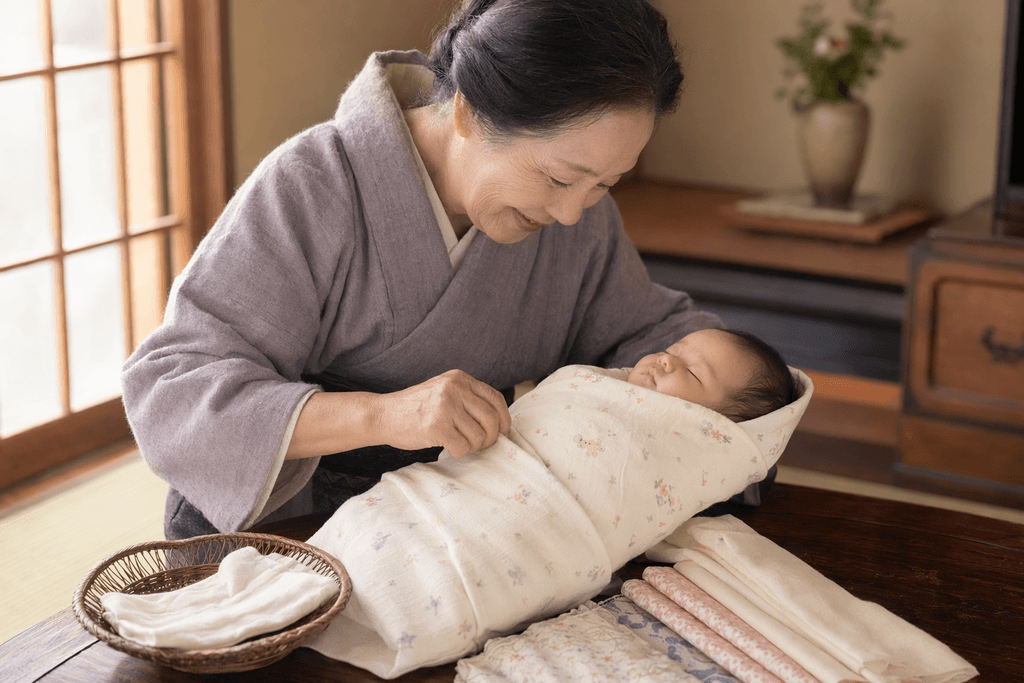
lampin / diaper ng sanggol / pambalot ng sanggol
( romanization )
( hiragana )
新興
bagong pag-usbong
新興
bagong pag-usbong
Explanation
新興
bagong pag-usbong
新興
pag-usbong / pagsibol / pagsikat

( Base form )
( romanization )
( hiragana )
混同
pagkalito ng magkaibang bagay
混同
pagkalito ng magkaibang bagay
Explanation
混同
pagkalito ng magkaibang bagay
混同
pagkalito / pagkakahalo-halo / pagkakapalit

( Base form )
( romanization )
( hiragana )
密度
densidad
密度
densidad
Explanation
密度
densidad
密度
densidad (pisika) / kasiksikan
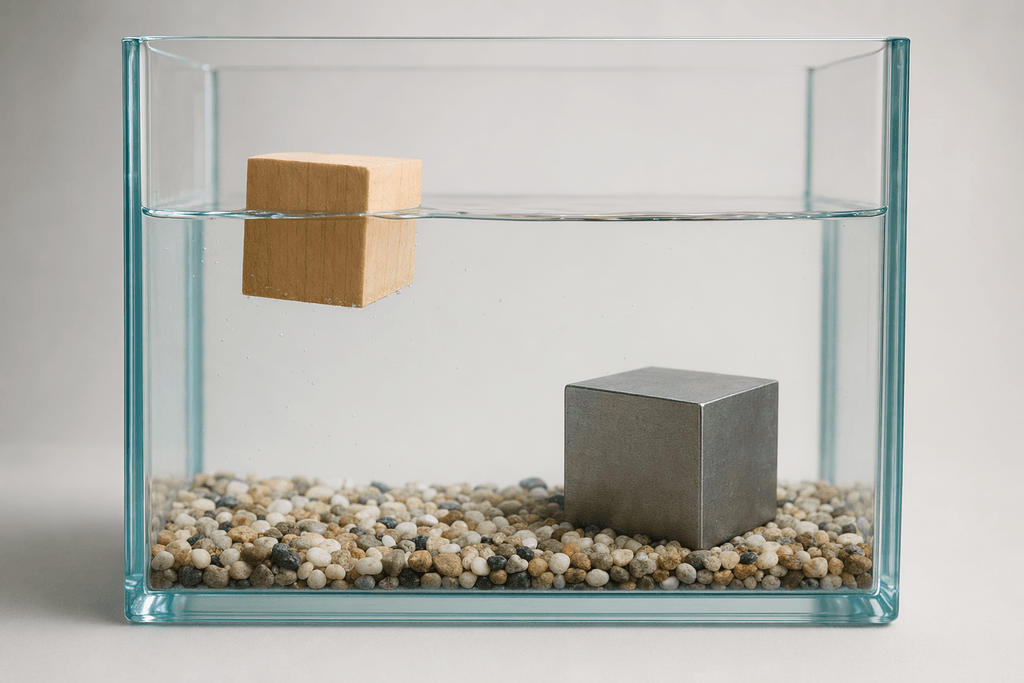
Sa pamamagitan ng tumpak na pagsukat ng densidad ng isang sangkap, maaari nating i-eksperimento ang bisa ng mga hipotesis tungkol sa komposisyon at panloob na istraktura nito.
( Base form )
( romanization )
( hiragana )
雅致
pinong panlasa
雅致
pinong panlasa
Explanation
雅致
pinong panlasa
雅致
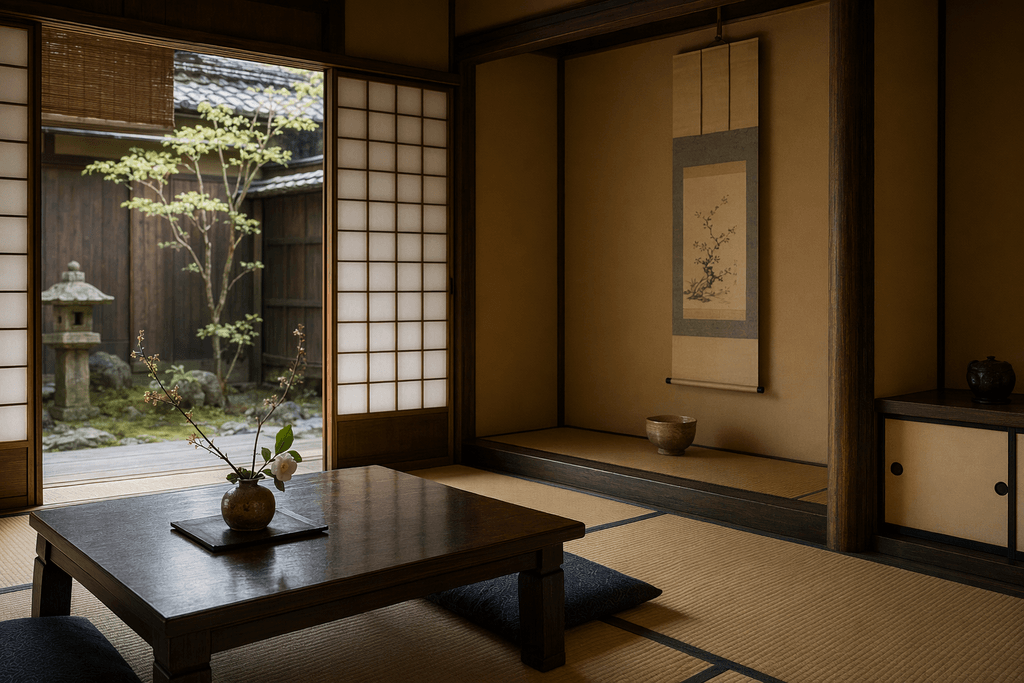
kapinohan / kariktan / magandang panlasa
( Base form )
( romanization )
( hiragana )
しつける
disiplinahin / hilbanahin
しつける
disiplinahin / hilbanahin
Explanation
disiplinahin / hilbanahin
しつける
disiplinahin o turuang umasal nang maayos / tahiing pansamantala (sa pananahi)

Word Forms
The basic and commonly used forms of this verb.
Basic forms
| Form | Word form | Usage |
|---|---|---|
| Imperfective form (mizenkei) | Connects to endings such as nai, reru, and seru. | |
| Continuative form (renyokei) | Connects to endings such as masu, tai, and ta. | |
| Conclusive form (shushikei) | Ends a sentence and serves as the dictionary form. | |
| Attributive form (rentaikei) | Modifies a noun. | |
| Conditional form (kateikei) | Combines with ba to express a condition. | |
| Imperative form (meireikei) |
Alternative:
しつけよ
|
Expresses a command or instruction. |
Common forms
| Form | Word form | Usage |
|---|---|---|
| Te-form | Connects clauses with te. | |
| Ta-form | Expresses the past with ta. | |
| Nai-form | Expresses negation with nai. | |
| Masu-form | Used for polite speech. | |
| Ba-form | Expresses a condition with ba. | |
| Volitional form | Expresses intention or invitation. |
Notes
寄り掛かる
sumandig / umasa sa
寄り掛かる
sumandig / umasa sa
Explanation
寄り掛かる
sumandig / umasa sa
寄り掛かる
sumandal (sa) / umasa (sa)

Word Forms
The basic and commonly used forms of this verb.
Basic forms
| Form | Word form | Usage |
|---|---|---|
| Imperfective form (mizenkei) |
Alternative:
寄り掛かろ
|
Connects to endings such as nai, reru, and seru. |
| Continuative form (renyokei) | Connects to endings such as masu, tai, and ta. | |
| Conclusive form (shushikei) | Ends a sentence and serves as the dictionary form. | |
| Attributive form (rentaikei) | Modifies a noun. | |
| Conditional form (kateikei) | Combines with ba to express a condition. | |
| Imperative form (meireikei) | Expresses a command or instruction. |
Common forms
Loading...

JLPT N1 多言語単語帳・3032語 / JLPT N1 Multilingual Vocabulary: 3032 Words

Jonathan Waller 氏の JLPT Resources の語彙リスト・レベル分類を出典とし、CC BY の条件に従って DiQt が学習者向けに意味を作り直した3032語の単語帳です。JLPT公式の語彙リストではありません。
This collection of 3032 words is based on the vocabulary list and level classifications in Jonathan Waller’s JLPT Resources under CC BY, with meanings rewritten by DiQt for learners. It is not an official JLPT vocabulary list.
Key Operations
Select the first quiz:
Ctrl + Enter
View Explanation:Ctrl + G
Close a feedback:Esc
When selecting a quiz
Answer:Enter
Select a choice:↓ or ↑
Reading out the question:Ctrl + K
View Hint: Ctrl + M
I don't know: Ctrl + Y



