
JLPT N1: Kahulugan ng mga salita - Unsolved

Alamin ang kahulugan ng 3032 salita sa JLPT N1 sa Filipino sa pamamagitan ng mga tanong na may apat na pagpipilian.
-
sumandal / mabigatan ang sikmura
-
magpahatid ng inorder
-
diinan / pigilan
-
pagkakalihis / pagkakaiba
-
pagganting-salakay
-
kanser
-
napakahalaga
-
hindi makatarungan
-
maitim na kayumanggi
-
aralin
-
kristal / pagkikristal
-
kapangyarihang pampolitika
-
kontra
-
muli
-
iba't ibang
-
sumuway / lumaban sa
-
umibig
-
sumayaw / lumipad-lipad
-
pumikit
-
ihagis sa loob
-
maghuni
-
paamuin
-
alisin
-
masaktan
-
personal na selyo
-
bihag
-
gawain / suliranin
-
estilong Hapones
-
paglilipat ng tauhan
-
organo ng katawan
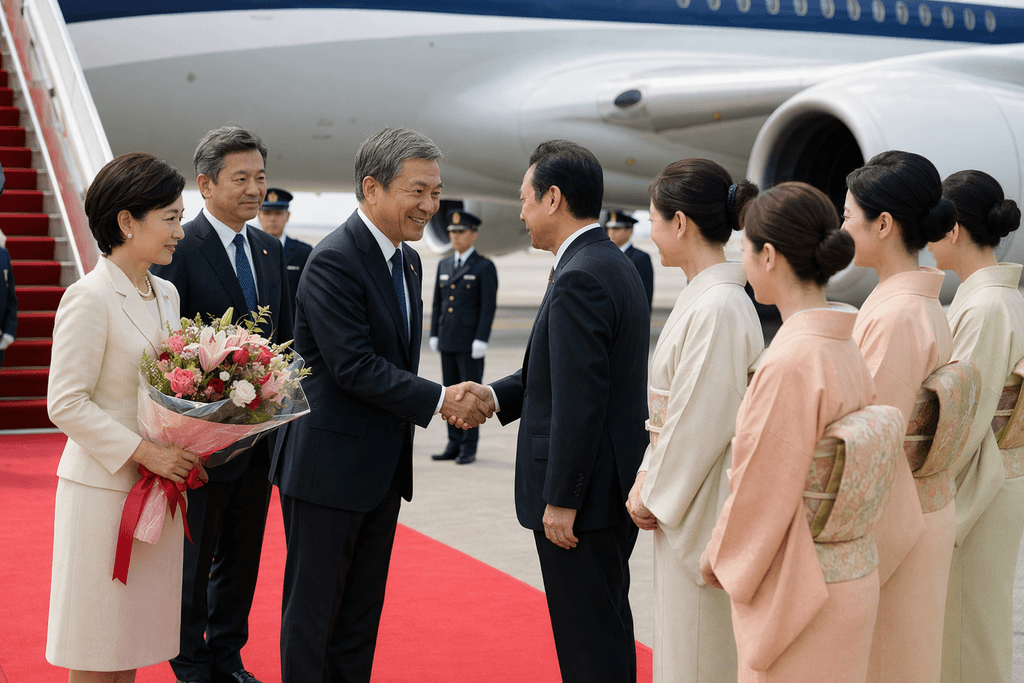
もてなす
mag-asikaso ng bisita
もてなす
mag-asikaso ng bisita
Explanation
mag-asikaso ng bisita
もてなす
tumanggap ng panauhin / asikasuhin ang panauhin / manlibre (magpa-kain/inumin sa bisita)
Word Forms
The basic and commonly used forms of this verb.
Basic forms
| Form | Word form | Usage |
|---|---|---|
| Imperfective form (mizenkei) |
Alternative:
もてなそ
|
Connects to endings such as nai, reru, and seru. |
| Continuative form (renyokei) | Connects to endings such as masu, tai, and ta. | |
| Conclusive form (shushikei) | Ends a sentence and serves as the dictionary form. | |
| Attributive form (rentaikei) | Modifies a noun. | |
| Conditional form (kateikei) | Combines with ba to express a condition. | |
| Imperative form (meireikei) | Expresses a command or instruction. |
Common forms
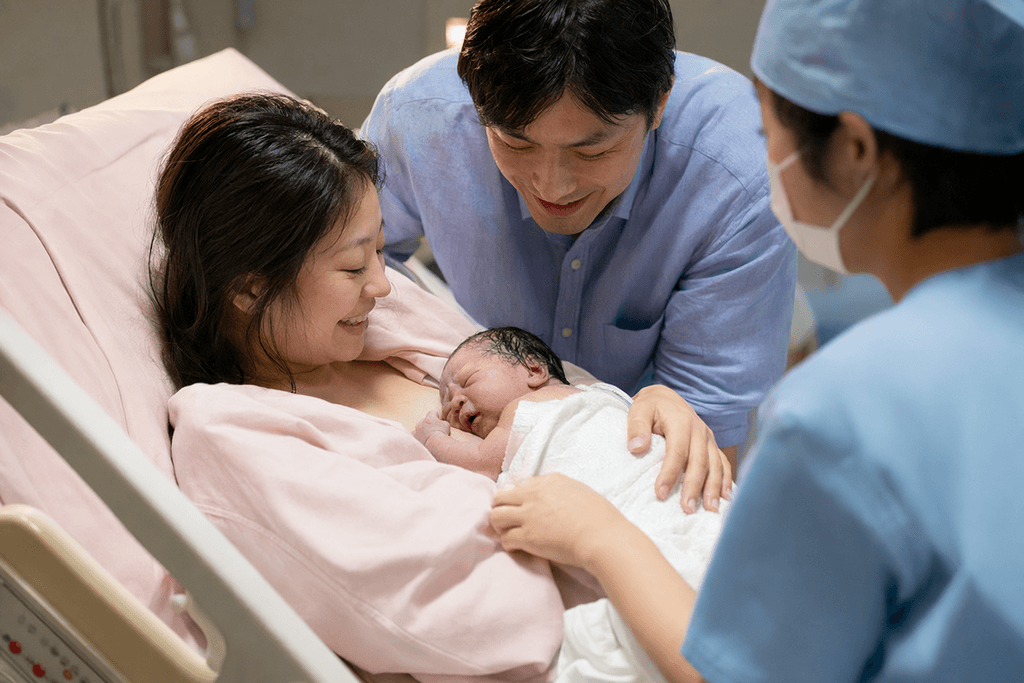
出生
pagsilang
出生
pagsilang
Explanation
出生
pagsilang
出生
kapanganakan / pagsilang / pagkasilang
Ang mga testimonya tungkol sa lihim ng kapanganakan ay paulit-ulit na nagbago-bago, at habang mas sinisikap nilang lapitan ang katotohanan, lalo namang naging tikom ang bibig ng mga sangkot.
( Base form )
( romanization )
( romanization )
( hiragana )
誠実
tapat
誠実
tapat
Explanation
誠実
tapat
誠実
tapat / taos-puso / mapagkakatiwalaan
Ang kanyang tapat na paninindigan ay nanatiling pare-pareho kahit sa mga negosasyong may kasamang salungat na interes, at ginawa nitong hindi matitinag ang tiwala sa kanya ng mga nakapaligid.

Word Forms
The basic and commonly used forms of this adjectival noun.
Basic forms
| Form | Word form | Usage |
|---|---|---|
| Imperfective form (mizenkei) | Used in forms such as darou. | |
| Continuative form (renyokei) |
Alternative:
誠実に
|
Used with de or ni. |
| Conclusive form (shushikei) | Ends a sentence with da. | |
| Attributive form (rentaikei) | Modifies a noun with na. | |
| Conditional form (kateikei) | Expresses a condition with nara. | |
| Imperative form (meireikei) | Used in formal expressions such as de are. |
Common forms
申告
pagdedeklara / paghahain ng ulat sa buwis
申告
pagdedeklara / paghahain ng ulat sa buwis
Explanation
申告
pagdedeklara / paghahain ng ulat sa buwis
申告
deklarasyon / pag-uulat (opisyal) / pag-file

( Base form )
( romanization )
( hiragana )
御
kagalang-galang
御
kagalang-galang
Explanation
御
kagalang-galang
御
unlaping pampagalang / unlaping nagsasaad na ang tinutukoy ay pag-aari o kaugnay ng kausap

( romanization )
( hiragana )
収まる
magkasya / humupa
収まる
magkasya / humupa
Explanation
収まる
magkasya / humupa
収まる
mailagay sa ayos / maibalik sa puwesto o sa dati / maayos o maresolba (ang usapin)

Word Forms
The basic and commonly used forms of this verb.
Basic forms
| Form | Word form | Usage |
|---|---|---|
| Imperfective form (mizenkei) | Connects to endings such as nai, reru, and seru. | |
| Continuative form (renyokei) | Connects to endings such as masu, tai, and ta. | |
| Conclusive form (shushikei) | Ends a sentence and serves as the dictionary form. | |
| Attributive form (rentaikei) | Modifies a noun. | |
| Conditional form (kateikei) | Combines with ba to express a condition. | |
| Imperative form (meireikei) | Expresses a command or instruction. |
Common forms
凝らす
ituon / pagandahin nang maingat
凝らす
ituon / pagandahin nang maingat
Explanation
凝らす
ituon / pagandahin nang maingat
凝らす
tipunin / ituon

Word Forms
The basic and commonly used forms of this verb.
Basic forms
| Form | Word form | Usage |
|---|---|---|
| Imperfective form (mizenkei) |
Alternative:
凝らそ
|
Connects to endings such as nai, reru, and seru. |
| Continuative form (renyokei) | Connects to endings such as masu, tai, and ta. | |
| Conclusive form (shushikei) | Ends a sentence and serves as the dictionary form. | |
| Attributive form (rentaikei) | Modifies a noun. | |
| Conditional form (kateikei) | Combines with ba to express a condition. | |
| Imperative form (meireikei) | Expresses a command or instruction. |
Common forms
乱れる
magkagulo
乱れる
magkagulo
Explanation
乱れる
magkagulo
乱れる
malito / mawala sa ayos / magkagulo
Word Forms
The basic and commonly used forms of this verb.
Basic forms
| Form | Word form | Usage |
|---|---|---|
| Imperfective form (mizenkei) | Connects to endings such as nai, reru, and seru. | |
| Continuative form (renyokei) | Connects to endings such as masu, tai, and ta. | |
| Conclusive form (shushikei) | Ends a sentence and serves as the dictionary form. | |
| Attributive form (rentaikei) | Modifies a noun. | |
| Conditional form (kateikei) | Combines with ba to express a condition. | |
| Imperative form (meireikei) |
Alternative:
乱れよ
|
Expresses a command or instruction. |
Common forms
失格
diskuwalipikasyon
失格
diskuwalipikasyon
Explanation
失格
diskuwalipikasyon
失格
pagkabigo sa pamantayan / hindi pagtupad sa mga rekisito / diskwalipikasyon

( Base form )
( romanization )
( hiragana )
軽減
pagpapabawas ng pasanin
軽減
pagpapabawas ng pasanin
Explanation
軽減
pagpapabawas ng pasanin
軽減
pagbawas / pagpapagaan (ng sakit o pasanin) / pag-ibsan (ng kirot)
Inihayag ng pamahalaan ang patakarang magsagawa ng malawakang pagsusuri at pagbabago sa sistema ng pagbubuwis upang mabawasan ang pasanin ng maliliit at katamtamang laki ng mga negosyo.

( Base form )
( romanization )
( hiragana )
Loading...

JLPT N1 多言語単語帳・3032語 / JLPT N1 Multilingual Vocabulary: 3032 Words

Jonathan Waller 氏の JLPT Resources の語彙リスト・レベル分類を出典とし、CC BY の条件に従って DiQt が学習者向けに意味を作り直した3032語の単語帳です。JLPT公式の語彙リストではありません。
This collection of 3032 words is based on the vocabulary list and level classifications in Jonathan Waller’s JLPT Resources under CC BY, with meanings rewritten by DiQt for learners. It is not an official JLPT vocabulary list.
Key Operations
Select the first quiz:
Ctrl + Enter
View Explanation:Ctrl + G
Close a feedback:Esc
When selecting a quiz
Answer:Enter
Select a choice:↓ or ↑
Reading out the question:Ctrl + K
View Hint: Ctrl + M
I don't know: Ctrl + Y



