
JLPT N1: Kahulugan ng mga salita - Unsolved

Alamin ang kahulugan ng 3032 salita sa JLPT N1 sa Filipino sa pamamagitan ng mga tanong na may apat na pagpipilian.
-
pagiging pabaya
-
paghahabi
-
pandiwang katawanin
-
paghihiwalay
-
kawani
-
masahe
-
maglagay ng patibong / simulan
-
maging mamasa-masa / umunlad
-
manipulahin / patakbuhin
- 上一段・下一段型の下一段活用。「SNS映え」などの文脈では俗に「ばえる」と読まれることもあります。
-
kuwelyo
-
mga hakbang
-
dekorasyon
-
pamamaraan
-
kakaibang hilig
-
pagdurugo
-
marumi / kasuklam-suklam
-
kapansin-pansin
-
maligamgam / walang sigla
-
ipagbawal / pigilin
-
maputol
-
mag-ulat
-
mamintog / magtampo
-
maging maselan sa
-
dilaan / maliitin
-
pagsasakatuparan
-
sari-sari
-
konsensus
-
talunin
-
ipaliwanag / itaguyod
-
damputin
- 五段活用(マ行)の動詞。未然形は「ない」に続く形を primary とし、意志形に用いる「阻も」を variants に入れた。
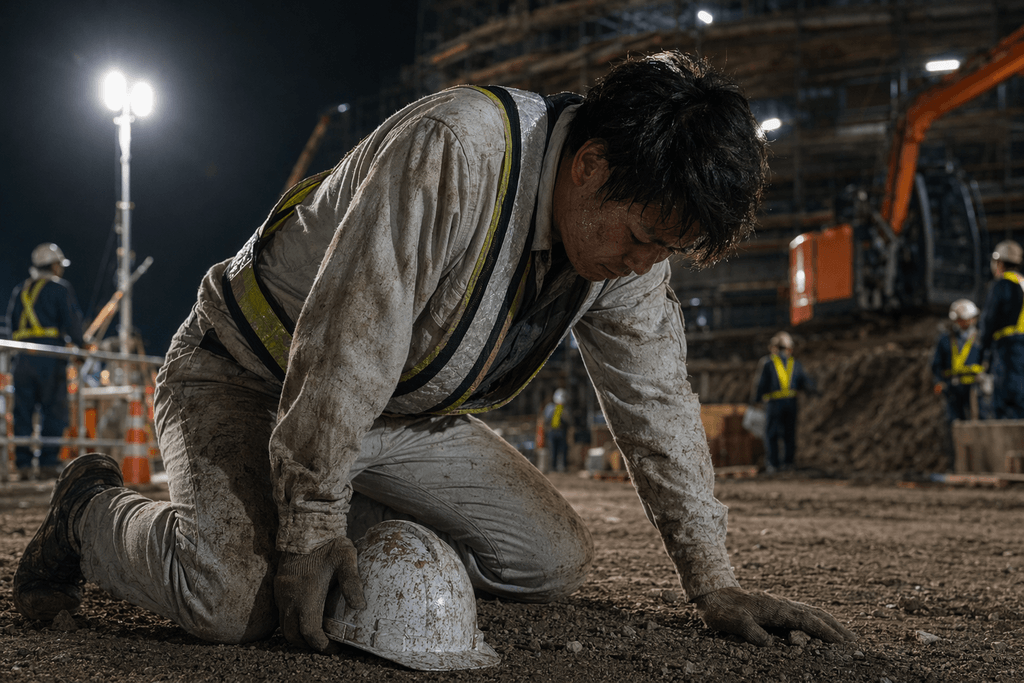
体力
lakas ng katawan
体力
lakas ng katawan
Explanation
体力
lakas ng katawan
体力
lakas ng katawan / pisikal na lakas / tatag ng katawan
Sa mga lugar ng trabaho na sunod-sunod ang pagpupuyat, hindi lang lakas ng katawan kundi pati konsentrasyon ay nauubos, at kung magkamali sa paghusga, hindi na ito maibabalik.
( Base form )
( romanization )
( kyūjitai )
( hiragana )
駄作
walang kuwentang akda
駄作
walang kuwentang akda
Explanation
駄作
walang kuwentang akda
駄作
basurang akda / mababang uri ng likha / pangit na obra
Bagaman nagtataglay ito ng pangalan ng isang master, hindi maitago ng pelikula ang sirang balangkas at mababaw na paglalarawan, at ibinasura ito ng mga kritiko bilang isang basura na gawain.

( Base form )
( romanization )
( hiragana )
映える
maging kaakit-akit
映える
maging kaakit-akit
Explanation
映える
maging kaakit-akit
映える
magandang tingnan / kumikinang / namumukod
Ang mga litratong labis na inedit para magmukhang maganda sa SNS ay maaaring mukhang kahanga-hanga sa isang iglap, ngunit dahil sa malaking agwat nito sa realidad, lalo pang tumitindi ang pakiramdam ng kawalan.

Word Forms
The basic and commonly used forms of this verb.
Basic forms
| Form | Word form | Usage |
|---|---|---|
| Imperfective form (mizenkei) | Connects to endings such as nai, reru, and seru. | |
| Continuative form (renyokei) | Connects to endings such as masu, tai, and ta. | |
| Conclusive form (shushikei) | Ends a sentence and serves as the dictionary form. | |
| Attributive form (rentaikei) | Modifies a noun. | |
| Conditional form (kateikei) | Combines with ba to express a condition. | |
| Imperative form (meireikei) |
Alternative:
映えよ
|
Expresses a command or instruction. |
Common forms
| Form | Word form | Usage |
|---|---|---|
| Te-form | Connects clauses with te. | |
| Ta-form | Expresses the past with ta. | |
| Nai-form | Expresses negation with nai. | |
| Masu-form | Used for polite speech. | |
| Ba-form | Expresses a condition with ba. | |
| Volitional form | Expresses intention or invitation. |
Notes
加入
pagsali
加入
pagsali
Explanation
加入
pagsali
加入
pagsapi; pagiging kasapi ng grupo / pag-anib sa isang samahan o organisasyon / subskripsiyon; pagpaparehistro sa serbisyo o plano
Kahit sumali ka matapos basahing mabuti ang mga tuntunin, hindi kakaunti ang mga nagsisisi kapag masalimuot ang proseso ng pag-alis ng pagiging miyembro.

( Base form )
( romanization )
( romanization )
( hiragana historical )
( hiragana )
打開
paglutas sa pagkakabalaho
打開
paglutas sa pagkakabalaho
Explanation
打開
paglutas sa pagkakabalaho
打開
pagbubukas-daan / malaking tagumpay / pag-igpaw sa hadlang
Upang mabasag ang pagkakatengga, kailangan na huwag kumapit sa umiiral na balangkas at tiyagang isulong ang pagbuo ng pagkakasundo ng mga may kinalamang panig.

( Base form )
( romanization )
( hiragana )
心細い
nababahala / nalulungkot
心細い
nababahala / nalulungkot
Explanation
心細い
nababahala / nalulungkot
心細い
pinanghihinaan ng loob / nalulumbay / walang pag-asa
Naiwan ako nang mag-isa sa isang di-kilalang bayan matapos kong ma-miss ang huling tren, at sa sandaling iyon, sobrang lungkot at pangungulila ko na para bang sinisikipan ang dibdib ko.

Word Forms
The basic and commonly used forms of this adjective.
Basic forms
| Form | Word form | Usage |
|---|---|---|
| Imperfective form (mizenkei) | Used in forms such as karou; mainly literary. | |
| Continuative form (renyokei) |
Alternative:
心細かっ
|
Used in forms such as kute and kunai. |
| Conclusive form (shushikei) | Ends a sentence. | |
| Attributive form (rentaikei) | Modifies a noun. | |
| Conditional form (kateikei) | Expresses a condition with kereba. | |
| Imperative form (meireikei) | Rarely used in modern Japanese. |
Common forms
抜かす
laktawan
抜かす
laktawan
Explanation
抜かす
laktawan
抜かす
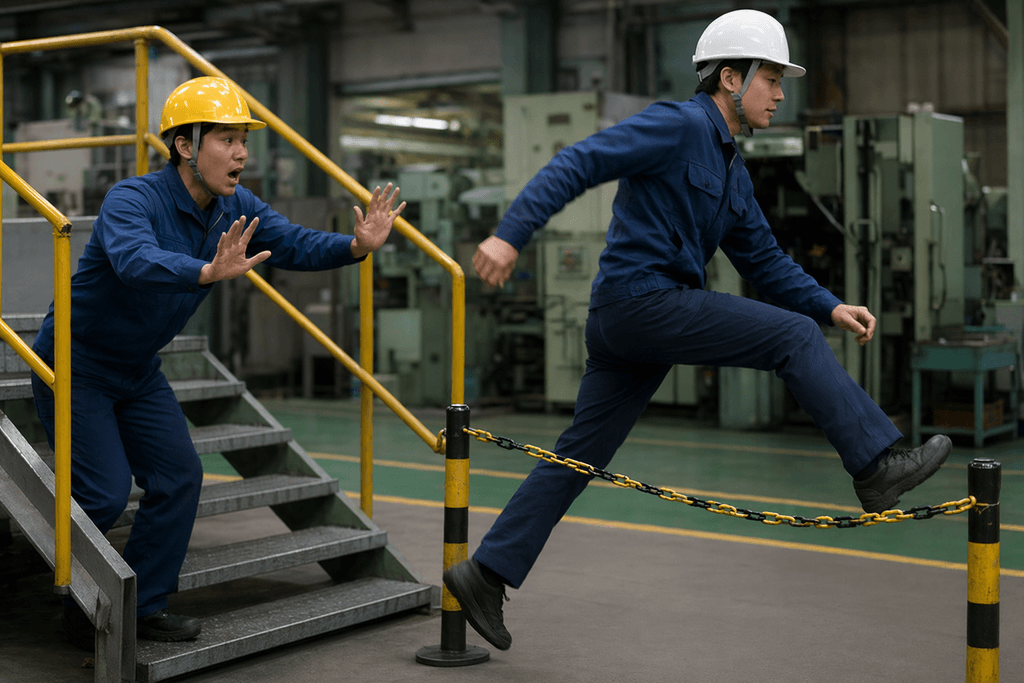
laktawan / ipagwalang-bahala / magsalita (bastos)
Kung ang paraan ay nilalaktawan ang mga pamamaraan sa kaligtasan, gaano man kabigat ang paghabol sa kahusayan, hindi pa rin mapipigilan ang mga aksidente.
Word Forms
The basic and commonly used forms of this verb.
Basic forms
| Form | Word form | Usage |
|---|---|---|
| Imperfective form (mizenkei) |
Alternative:
抜かそ
|
Connects to endings such as nai, reru, and seru. |
| Continuative form (renyokei) | Connects to endings such as masu, tai, and ta. | |
| Conclusive form (shushikei) | Ends a sentence and serves as the dictionary form. | |
| Attributive form (rentaikei) | Modifies a noun. | |
| Conditional form (kateikei) | Combines with ba to express a condition. | |
| Imperative form (meireikei) | Expresses a command or instruction. |
Common forms
割り込む
sumingit
割り込む
sumingit
Explanation
割り込む
sumingit
割り込む
sumingit (sa pila o trapiko) / sumabat/sumingit sa usapan / pumasok nang sapilitan

Word Forms
The basic and commonly used forms of this verb.
Basic forms
| Form | Word form | Usage |
|---|---|---|
| Imperfective form (mizenkei) |
Alternative:
割り込も
|
Connects to endings such as nai, reru, and seru. |
| Continuative form (renyokei) |
Alternative:
割り込ん
|
Connects to endings such as masu, tai, and ta. |
| Conclusive form (shushikei) | Ends a sentence and serves as the dictionary form. | |
| Attributive form (rentaikei) | Modifies a noun. | |
| Conditional form (kateikei) | Combines with ba to express a condition. | |
| Imperative form (meireikei) | Expresses a command or instruction. |
Common forms
敗戦
pagkatalo sa digmaan
敗戦
pagkatalo sa digmaan
Explanation
敗戦
pagkatalo sa digmaan
敗戦
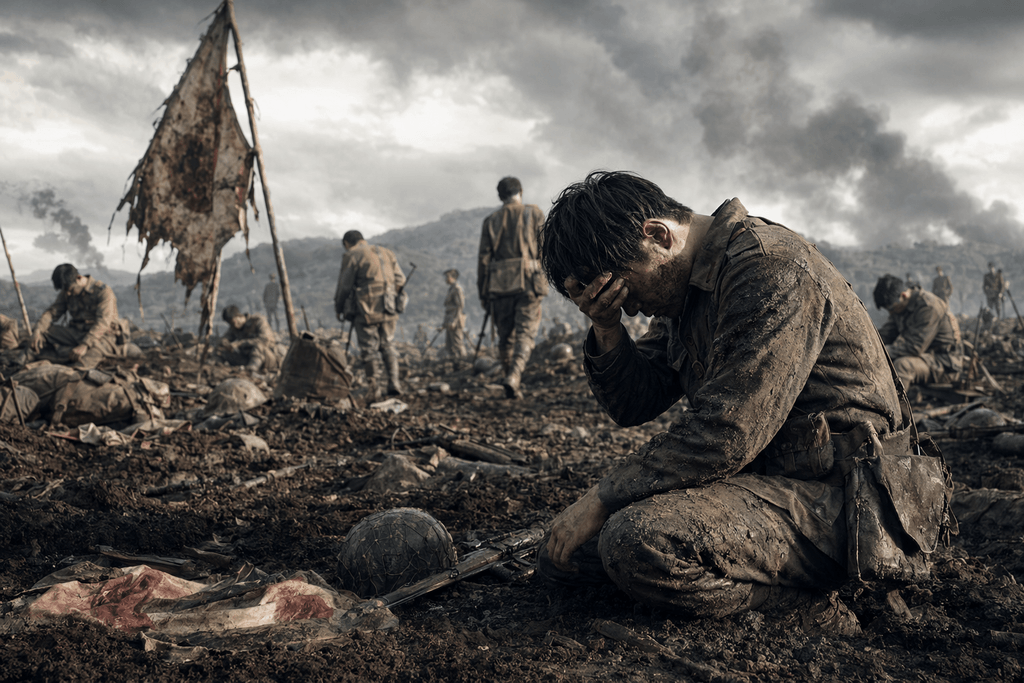
pagkatalo sa digmaan / pagkatalo sa paligsahan
( Base form )
( romanization )
( kyūjitai )
( hiragana )
阻む
hadlangan
阻む
hadlangan
Explanation
阻む
hadlangan
阻む
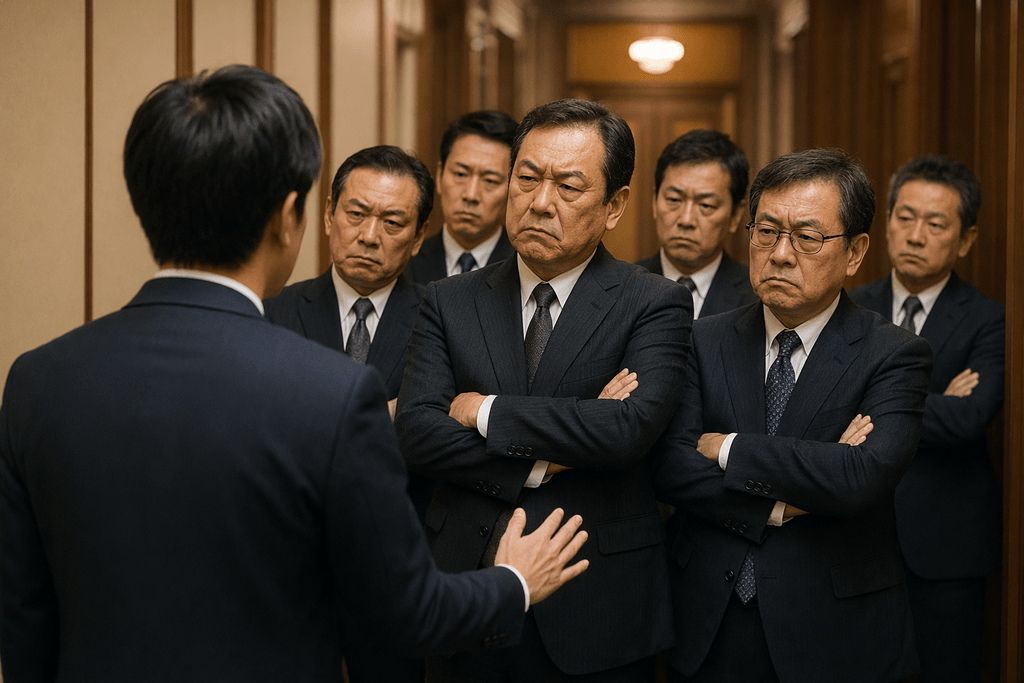
hadlangan / pigilan / harangin
Habang hinahadlangan ng ilang puwersang kumakapit sa mga pansariling interes ang pagsulong ng mga reporma, nagpasyang magsagawa ang pamahalaan ng mga hakbang upang matiyak ang transparency.
Word Forms
The basic and commonly used forms of this verb.
Basic forms
| Form | Word form | Usage |
|---|---|---|
| Imperfective form (mizenkei) |
Alternative:
阻も
|
Connects to endings such as nai, reru, and seru. |
| Continuative form (renyokei) | Connects to endings such as masu, tai, and ta. | |
| Conclusive form (shushikei) | Ends a sentence and serves as the dictionary form. | |
| Attributive form (rentaikei) | Modifies a noun. | |
| Conditional form (kateikei) | Combines with ba to express a condition. | |
| Imperative form (meireikei) | Expresses a command or instruction. |
Common forms
| Form | Word form | Usage |
|---|---|---|
| Te-form | Connects clauses with te. | |
| Ta-form | Expresses the past with ta. | |
| Nai-form | Expresses negation with nai. | |
| Masu-form | Used for polite speech. | |
| Ba-form | Expresses a condition with ba. | |
| Volitional form | Expresses intention or invitation. |
Notes
Loading...

JLPT N1 多言語単語帳・3032語 / JLPT N1 Multilingual Vocabulary: 3032 Words

Jonathan Waller 氏の JLPT Resources の語彙リスト・レベル分類を出典とし、CC BY の条件に従って DiQt が学習者向けに意味を作り直した3032語の単語帳です。JLPT公式の語彙リストではありません。
This collection of 3032 words is based on the vocabulary list and level classifications in Jonathan Waller’s JLPT Resources under CC BY, with meanings rewritten by DiQt for learners. It is not an official JLPT vocabulary list.
Key Operations
Select the first quiz:
Ctrl + Enter
View Explanation:Ctrl + G
Close a feedback:Esc
When selecting a quiz
Answer:Enter
Select a choice:↓ or ↑
Reading out the question:Ctrl + K
View Hint: Ctrl + M
I don't know: Ctrl + Y



