
JLPT N1: Kahulugan ng mga salita - Unsolved

Alamin ang kahulugan ng 3032 salita sa JLPT N1 sa Filipino sa pamamagitan ng mga tanong na may apat na pagpipilian.
-
dalubhasaang dalawang taon
-
di-tuwirang pananalita
-
ugnayang personal
-
Budismong Zen
-
tuwirang itaas
-
pisyolohiya / regla
-
pagtanggi / beto
-
tubo
-
pagkuha
-
unang biyahe ng tren
-
pagkukunwari
-
pagsasabatas
-
buong puso
-
eksakto
-
tiyak na tiyak
-
ihalo / magtagisan ng espada
-
maging matao / umunlad
-
ibawas
-
pagdaong sa pampang
-
ipinahayag na hangarin
-
payl
-
tawagin para tumigil
-
patigasin / patatagin
-
mamataan
- 五段活用の動詞。「舞うて」「舞うた」は古風・方言的な異形。
-
arkeolohiya
-
pagkakapare-pareho
-
paghahanap sa nawawala
-
pagkapit / pagkahumaling
-
antigong bagay
-
pagpapasya
身振り
kumpas
身振り
kumpas
Explanation
身振り
kumpas
身振り
kumpas o galaw ng kamay / kilos ng katawan bilang pahiwatig / gestikulasyon
Kapag nauutal siya at nauubusan ng salita, sinusubukan niyang iparating ang intensyon sa pamamagitan lang ng mga kumpas, pero minsan lalo pa itong nagdudulot ng hindi pagkakaunawaan.

( Base form )
( romanization )
下心
lihim na motibo
下心
lihim na motibo
Explanation
下心
lihim na motibo
下心
lihim na motibo / nakatagong hangarin / radikal na "puso" sa ibaba ng kanji

( Base form )
( romanization )
( hiragana )
理性
katwiran
理性
katwiran
Explanation
理性
katwiran
理性
katwiran / lohika / pagkamakatwiran

( Base form )
( romanization )
( hiragana )
フロント
resepsiyon / harapan
フロント
resepsiyon / harapan
Explanation
resepsiyon / harapan
フロント
mesa ng resepsyon (sa hotel) / resepsyon / harapan
Dahil patuloy na dumarating ang mga reklamo mula sa mga bisita, walang pagpipilian ang manager kundi suriin ang mga pamamaraan ng pagtugon ng reception desk.

( romanization )
適宜
nang naaangkop
適宜
nang naaangkop
Explanation
適宜
nang naaangkop
適宜
angkop / naaangkop / nababagay

( Base form )
( romanization )
( adnominal )
( adverbial )
( hiragana )
( table-tags )
( inflection-template )
( imperfective stem )
( imperfective stem )
( imperfective )
( continuative stem )
( continuative stem )
( continuative )
( stem terminative )
( stem terminative )
( terminative )
( attributive stem )
( attributive stem )
( attributive )
( hypothetical stem )
( hypothetical stem )
( hypothetical )
( Imperative stem )
( Imperative stem )
( Imperative )
( informal negative )
( informal negative )
( informal negative )
( informal negative )
( informal negative )
( informal negative )
( informal Past )
( informal Past )
( informal Past )
( informal negative Past )
( informal negative Past )
( informal negative Past )
( informal negative Past )
( informal negative Past )
( informal negative Past )
( formal )
( formal )
( formal )
( formal negative )
( formal negative )
( formal negative )
( formal negative )
( formal negative )
( formal negative )
( formal Past )
( formal Past )
( formal Past )
( formal negative Past )
( formal negative Past )
( formal negative Past )
( formal negative Past )
( formal negative Past )
( formal negative Past )
( conjunctive )
( conjunctive )
( conjunctive )
( Conditional )
( Conditional )
( Conditional )
( Conditional Past )
( Conditional Past )
( Conditional Past )
( volitional )
( volitional )
( volitional )
( adverbial )
( adverbial )
( adverbial )
( noun-from-adj )
( noun-from-adj )
( noun-from-adj )
弛む
lumuwag
弛む
lumuwag
Explanation
弛む
lumuwag
弛む
lumuwag / magluwag ang kapit / magluwag sa pagsisikap
Kahit nalalapit na ang deadline, kapag lumuwag ang pagbabantay, ang maliliit na hindi pagkakapagsuri ay maaaring mauwi sa nakamamatay na pagkakamali.

Word Forms
The basic and commonly used forms of this verb.
Basic forms
| Form | Word form | Usage |
|---|---|---|
| Imperfective form (mizenkei) |
Alternative:
弛も
|
Connects to endings such as nai, reru, and seru. |
| Continuative form (renyokei) | Connects to endings such as masu, tai, and ta. | |
| Conclusive form (shushikei) | Ends a sentence and serves as the dictionary form. | |
| Attributive form (rentaikei) | Modifies a noun. | |
| Conditional form (kateikei) | Combines with ba to express a condition. | |
| Imperative form (meireikei) | Expresses a command or instruction. |
Common forms
素材
hilaw na materyal / paksa
素材
hilaw na materyal / paksa
Explanation
素材
hilaw na materyal / paksa
素材
hilaw na materyal; sangkap sa paggawa o pagluluto / materyales para sa web, disenyo, o sining / sangguniang materyal para sa pagsulat
Upang maisabay ang kaligtasan at kakayahang magpahayag, kailangang maingat na pumili ng mga materyal ayon sa gagamitin at magkaroon ng disenyo na isinasaalang-alang hanggang sa proseso ng pagproseso.

( Base form )
( romanization )
( hiragana )
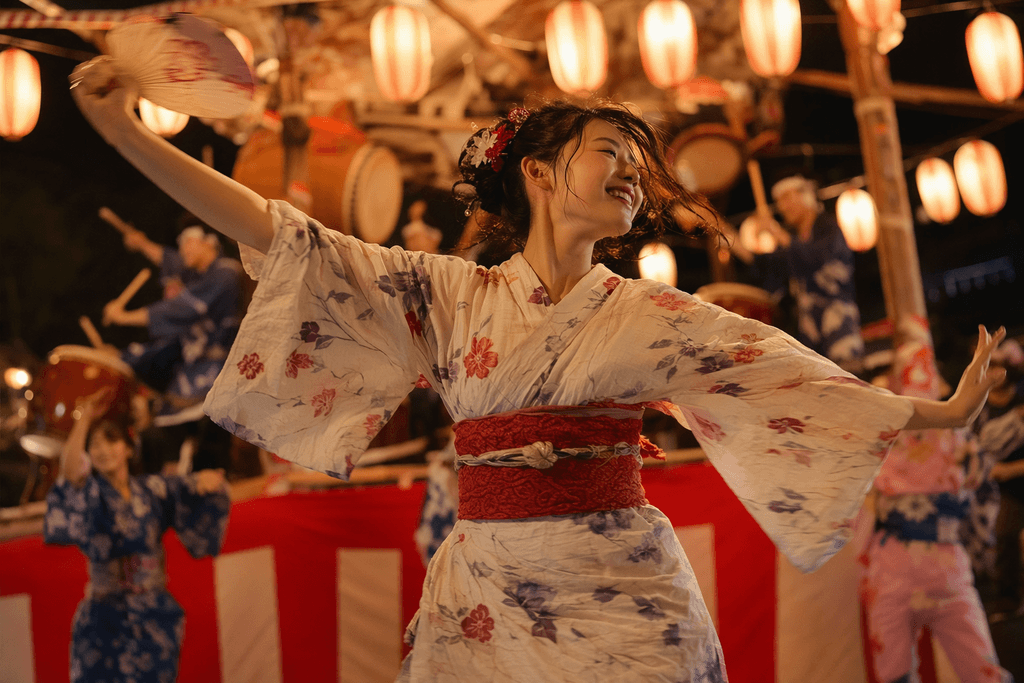
舞う
sumayaw / lumipad-lipad
舞う
sumayaw / lumipad-lipad
Explanation
舞う
sumayaw / lumipad-lipad
舞う
sumayaw / umikot / patuloy na gumalaw
Ang paningin sa kanya na tahimik na sumasayaw kasama ang isang tagahanga sa entablado ng Noh ay nag-iwan ng malalim at mahiwagang afterglow sa puso ng mga manonood.
Word Forms
The basic and commonly used forms of this verb.
Basic forms
| Form | Word form | Usage |
|---|---|---|
| Imperfective form (mizenkei) |
Alternative:
舞お
|
Connects to endings such as nai, reru, and seru. |
| Continuative form (renyokei) |
Alternative:
舞っ
|
Connects to endings such as masu, tai, and ta. |
| Conclusive form (shushikei) | Ends a sentence and serves as the dictionary form. | |
| Attributive form (rentaikei) | Modifies a noun. | |
| Conditional form (kateikei) | Combines with ba to express a condition. | |
| Imperative form (meireikei) | Expresses a command or instruction. |
Common forms
| Form | Word form | Usage |
|---|---|---|
| Te-form |
Alternative:
舞うて
|
Connects clauses with te. |
| Ta-form |
Alternative:
舞うた
|
Expresses the past with ta. |
| Nai-form | Expresses negation with nai. | |
| Masu-form | Used for polite speech. | |
| Ba-form | Expresses a condition with ba. | |
| Volitional form | Expresses intention or invitation. |
Notes
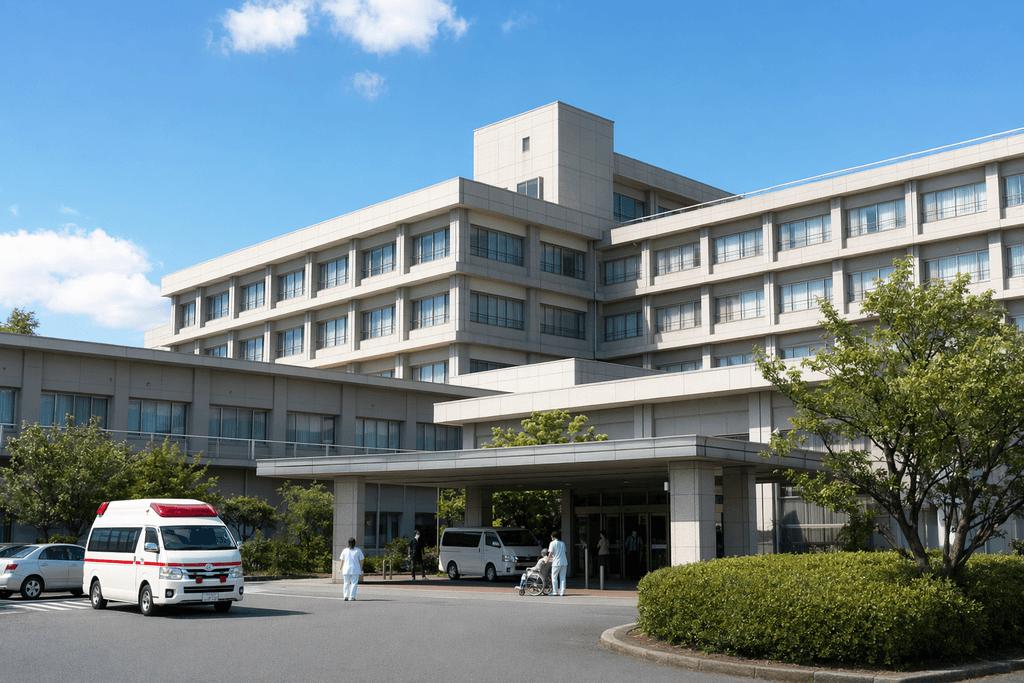
公立
pampubliko
公立
pampubliko
Explanation
公立
pampubliko
公立
pampubliko (tulad ng institusyon) / pinatatakbo ng pamahalaan
Tungkol sa pagsasanib at pagbuwag ng mga pampublikong ospital, ang pinakamalaking isyu ay kung paano mababalanse ang pagpapanatili ng serbisyong medikal sa komunidad at ang pasaning pinansyal.
( Base form )
( romanization )
( hiragana )
貝殻
kabibe
貝殻
kabibe
Explanation
貝殻
kabibe
貝殻
kabibe / balat ng molusko sa dagat
Sa pamamagitan ng maingat na pagsusuri sa mga shell na nakakalat sa kahabaan ng beach, makikita ng isa hindi lamang ang mga pagbabago sa mga alon ng karagatan kundi maging ang banayad na mga pagbabago na naranasan ng lokal na ecosystem.

( Base form )
( romanization )
( romanization )
( kyūjitai )
( hiragana historical )
( hiragana )
Loading...

JLPT N1 多言語単語帳・3032語 / JLPT N1 Multilingual Vocabulary: 3032 Words

Jonathan Waller 氏の JLPT Resources の語彙リスト・レベル分類を出典とし、CC BY の条件に従って DiQt が学習者向けに意味を作り直した3032語の単語帳です。JLPT公式の語彙リストではありません。
This collection of 3032 words is based on the vocabulary list and level classifications in Jonathan Waller’s JLPT Resources under CC BY, with meanings rewritten by DiQt for learners. It is not an official JLPT vocabulary list.
Key Operations
Select the first quiz:
Ctrl + Enter
View Explanation:Ctrl + G
Close a feedback:Esc
When selecting a quiz
Answer:Enter
Select a choice:↓ or ↑
Reading out the question:Ctrl + K
View Hint: Ctrl + M
I don't know: Ctrl + Y



