
JLPT N1: Kahulugan ng mga salita - Unsolved

Alamin ang kahulugan ng 3032 salita sa JLPT N1 sa Filipino sa pamamagitan ng mga tanong na may apat na pagpipilian.
-
antigong bagay
-
pag-iipon
-
taog at kati
-
pagsasagawa
-
pagkukulang
-
lagay ng mga pangyayari
-
mababang ranggo
-
protina
-
iba't ibang punongkahoy
-
lugar na hinati
-
kuwelyo ng hayop
-
takdang huling araw
-
karamdaman
-
pag-unawa sa damdamin
-
pagkukunwari
-
gawang-kamay / pagmamaniobra
-
magnetismo
-
kolonya
-
payak
-
maselan / payat
-
dilaw
-
anestesya
-
pagdaing
-
pagbaba ng pagganap
-
marilag
-
matindi
-
dinamiko
-
pagreretiro / retirado
-
makisig
-
pinakahuling puwesto
模倣
panggagaya
模倣
panggagaya
Explanation
模倣
panggagaya
模倣
paggaya / pagkopya / imitasyon
Sa unang tingin, ang kanyang trabaho ay tila walang iba kundi isang imitasyon ng mga klasikong kuwadro na gawa, ngunit sa katunayan naglalaman ito ng isang matalim na pagpuna sa modernong lipunan.

( Base form )
( romanization )
( romanization )
( hiragana historical )
( hiragana )
見込み
pag-asa sa hinaharap
見込み
pag-asa sa hinaharap
Explanation
見込み
pag-asa sa hinaharap
見込み
posibilidad / inaasahan / pag-asa

( Base form )
( romanization )
立法
paggawa ng batas
立法
paggawa ng batas
Explanation
立法
paggawa ng batas
立法
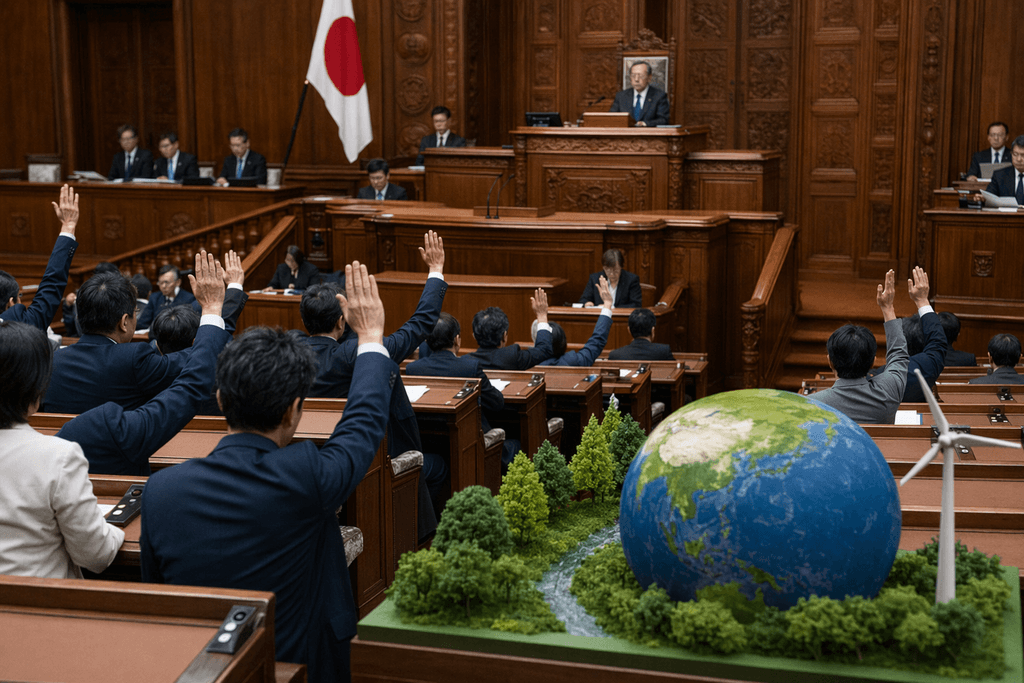
paggawa ng batas / legislasyon / proseso ng pagbabalangkas at pagpapatibay ng batas
Kahit na punan ng hudikatura ang mga kakulangan sa batas sa pamamagitan ng mga indibidwal na alitan, ang pagdidisenyo ng mga institusyong sumasaklaw sa buong lipunan ay, sa likas na katangian, dapat isakatuparan sa pamamagitan ng lehislasyong nakabatay sa masusing deliberasyon.
( Base form )
( romanization )
( hiragana )
憂鬱
panlulumo
憂鬱
panlulumo
Explanation
憂鬱
panlulumo
憂鬱
matinding lungkot / pagkalumbay / panlulumo
Araw-araw ay patuloy akong hinahabol ng mga deadline, at isang hindi maipaliwanag na lungkot ang unti-unting lumubog at namuo sa kaibuturan ng dibdib ko.

( Base form )
( romanization )
( romanization )
( hiragana historical )
( hiragana )
不意
pagkakabigla
不意
pagkakabigla
Explanation
不意
pagkakabigla
不意
bigla / di-inaasahan / walang babala

( Base form )
( romanization )
( adnominal )
( adverbial )
( hiragana )
( table-tags )
( inflection-template )
( imperfective stem )
( imperfective stem )
( imperfective )
( continuative stem )
( continuative stem )
( continuative )
( stem terminative )
( stem terminative )
( terminative )
( attributive stem )
( attributive stem )
( attributive )
( hypothetical stem )
( hypothetical stem )
( hypothetical )
( Imperative stem )
( Imperative stem )
( Imperative )
( informal negative )
( informal negative )
( informal negative )
( informal negative )
( informal negative )
( informal negative )
( informal Past )
( informal Past )
( informal Past )
( informal negative Past )
( informal negative Past )
( informal negative Past )
( informal negative Past )
( informal negative Past )
( informal negative Past )
( formal )
( formal )
( formal )
( formal negative )
( formal negative )
( formal negative )
( formal negative )
( formal negative )
( formal negative )
( formal Past )
( formal Past )
( formal Past )
( formal negative Past )
( formal negative Past )
( formal negative Past )
( formal negative Past )
( formal negative Past )
( formal negative Past )
( conjunctive )
( conjunctive )
( conjunctive )
( Conditional )
( Conditional )
( Conditional )
( Conditional Past )
( Conditional Past )
( Conditional Past )
( volitional )
( volitional )
( volitional )
( adverbial )
( adverbial )
( adverbial )
( noun-from-adj )
( noun-from-adj )
( noun-from-adj )
保護
proteksiyon
保護
proteksiyon
Explanation
保護
proteksiyon
保護
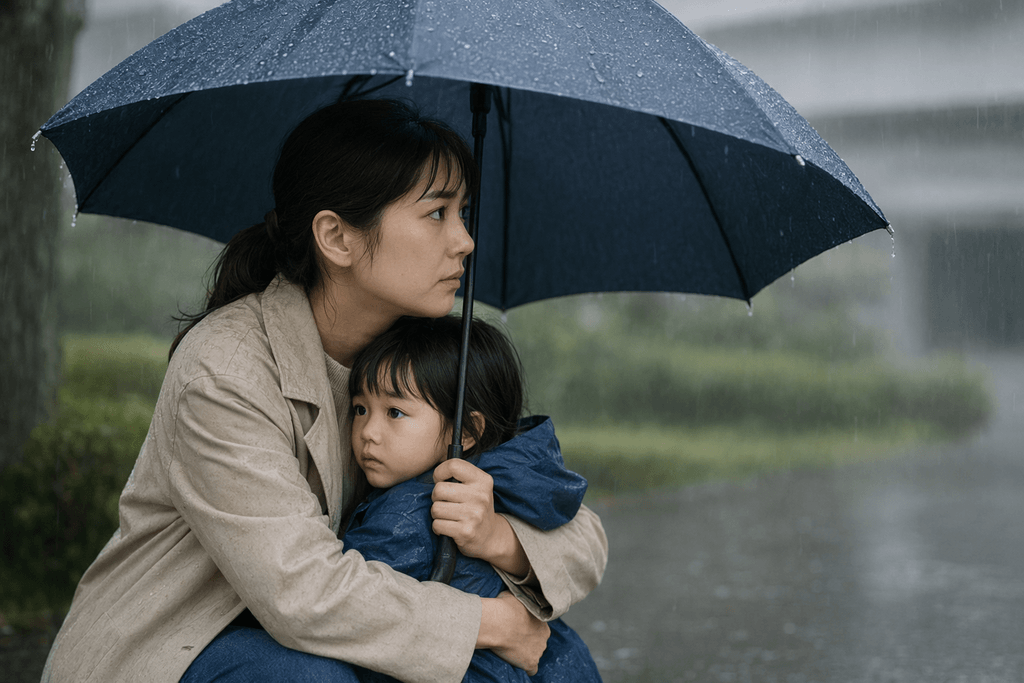
proteksiyon / pagsasanggalang / pangangalaga
Habang nagpapatuloy ang pag-unlad sa ilalim ng pagkukunwari ng paglago ng ekonomiya, ang mga patakaran na nagpapaliban sa proteksyon ng mga endangered species ay walang iba kundi isang malubhang pagtataksil sa mga susunod na henerasyon.
( Base form )
( romanization )
( hiragana )
猛烈
matindi
猛烈
matindi
Explanation
猛烈
matindi
猛烈
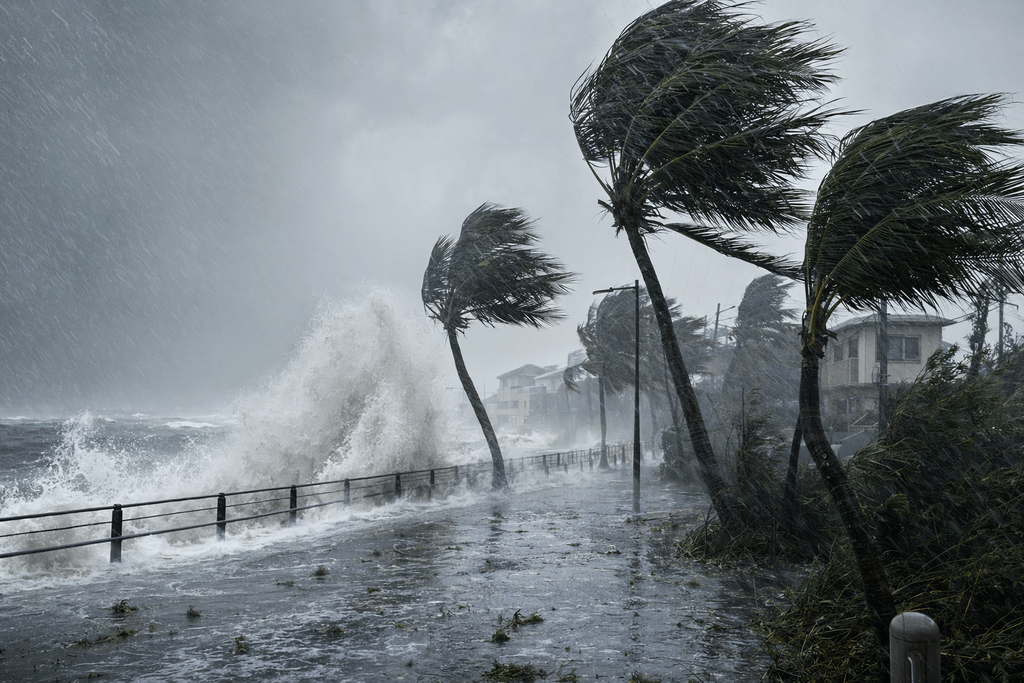
matindi / masidhi / mabagsik
Word Forms
The basic and commonly used forms of this adjectival noun.
Basic forms
| Form | Word form | Usage |
|---|---|---|
| Imperfective form (mizenkei) |
Alternative:
猛烈でしょ
|
Used in forms such as darou. |
| Continuative form (renyokei) |
Alternative:
猛烈に
|
Used with de or ni. |
| Conclusive form (shushikei) |
Alternative:
猛烈です
|
Ends a sentence with da. |
| Attributive form (rentaikei) |
Alternative:
猛烈なる
|
Modifies a noun with na. |
| Conditional form (kateikei) |
Alternative:
猛烈であれば
|
Expresses a condition with nara. |
| Imperative form (meireikei) | Used in formal expressions such as de are. |
Common forms
重宝
mahalagang yaman
重宝
mahalagang yaman
Explanation
重宝
mahalagang yaman
重宝
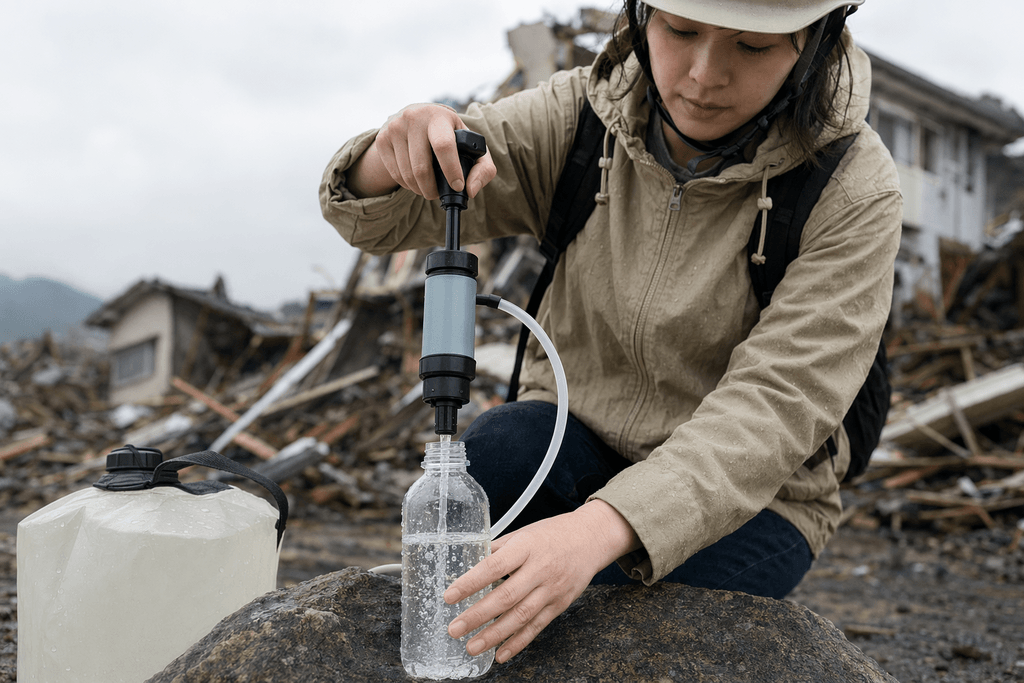
napakahalagang kayamanan / yaman na hindi matatawaran / kayamanang pambihira
( Base form )
( romanization )
( kyūjitai )
( hiragana )
頑丈
matibay
頑丈
matibay
Explanation
頑丈
matibay
頑丈
matibay / matatag / matipuno
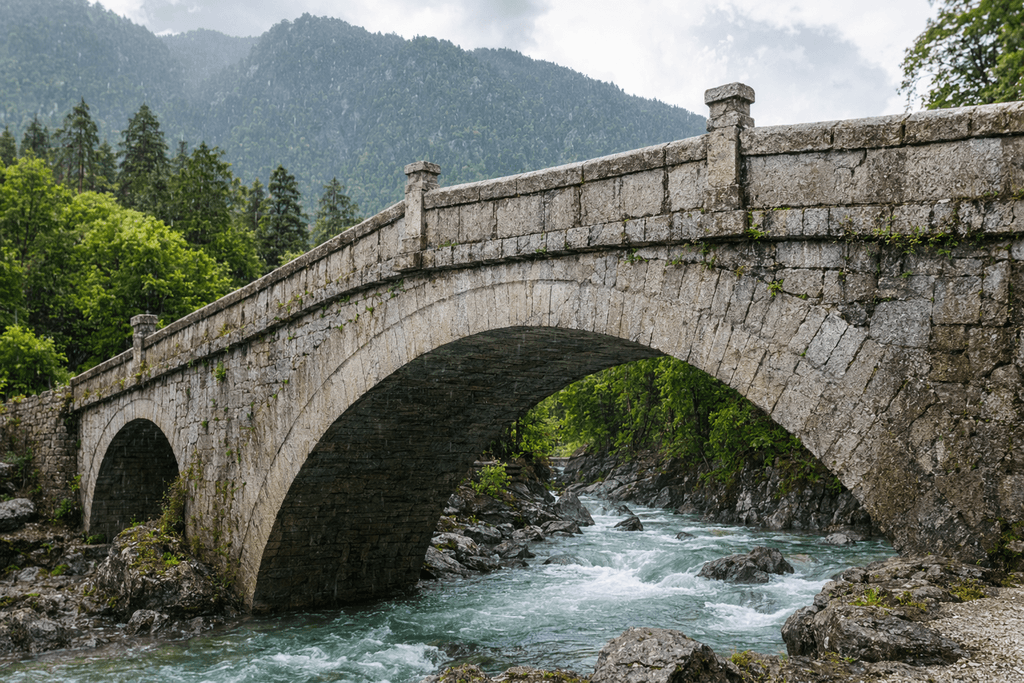
Ang tulay na ito ay nananatiling matibay kahit na nalantad sa hangin at ulan sa loob ng isang daang taon, at hanggang ngayon ay gumaganap pa rin bilang pangunahing ugat ng transportasyon ng komunidad.
Word Forms
The basic and commonly used forms of this adjectival noun.
Basic forms
| Form | Word form | Usage |
|---|---|---|
| Imperfective form (mizenkei) | Used in forms such as darou. | |
| Continuative form (renyokei) |
Alternative:
頑丈に
頑丈だっ
|
Used with de or ni. |
| Conclusive form (shushikei) | Ends a sentence with da. | |
| Attributive form (rentaikei) | Modifies a noun with na. | |
| Conditional form (kateikei) |
Alternative:
頑丈であれば
|
Expresses a condition with nara. |
| Imperative form (meireikei) | Used in formal expressions such as de are. |
Common forms
趣
halina / diwa
趣
halina / diwa
Explanation
趣
halina / diwa
趣
diwa o buod ng isang bagay / panlasa o kagandahang pino / anyo o dating

Loading...

JLPT N1 多言語単語帳・3032語 / JLPT N1 Multilingual Vocabulary: 3032 Words

Jonathan Waller 氏の JLPT Resources の語彙リスト・レベル分類を出典とし、CC BY の条件に従って DiQt が学習者向けに意味を作り直した3032語の単語帳です。JLPT公式の語彙リストではありません。
This collection of 3032 words is based on the vocabulary list and level classifications in Jonathan Waller’s JLPT Resources under CC BY, with meanings rewritten by DiQt for learners. It is not an official JLPT vocabulary list.
Key Operations
Select the first quiz:
Ctrl + Enter
View Explanation:Ctrl + G
Close a feedback:Esc
When selecting a quiz
Answer:Enter
Select a choice:↓ or ↑
Reading out the question:Ctrl + K
View Hint: Ctrl + M
I don't know: Ctrl + Y



