
JLPT N1: Kahulugan ng mga salita - Unsolved

Alamin ang kahulugan ng 3032 salita sa JLPT N1 sa Filipino sa pamamagitan ng mga tanong na may apat na pagpipilian.
-
kalasag / dahilan
-
pamarisan
-
alyansa
-
legal na hustong gulang
-
tekstong Hapones
-
pagpila
-
kontrobersiyang pampubliko
-
dekorasyon
-
antigong bagay
-
sumuway / lumaban sa
-
pumikit
-
magdalamhati
-
ikabit
-
sumandal / mabigatan ang sikmura
-
ituloy hanggang wakas
-
pagkakurba
-
pagkaabala
-
bisa
-
malaking halaga ng pera
-
sarsa / pinagmulan
-
bituka
-
ulila
-
pantay na paglalapat
-
pagkahumaling / pag-unlad ng ekonomiya
-
magtinginan / ipagpaliban
-
pabilisin
-
makasalubong
- 「挑む」はマ行五段活用です。
- 未然形の「挑も」は意志形「挑もう」などに現れる形です。
-
bahagya na
-
ito at iyon
-
hindi man lang
興業
negosyong pang-industriya
興業
negosyong pang-industriya
Explanation
興業
negosyong pang-industriya
興業
pagsulong ng industriya / pagpapaunlad ng industriya / pagtaguyod ng industriya
Ang pang-industriya na negosyo sa rehiyong ito ay nagtulak sa mabigat at kemikal na industriyalisasyon pagkatapos ng digmaan, ngunit dahil napabayaan nitong tumugon sa mga regulasyon sa kapaligiran, mabilis itong nawalan ng pagiging mapagkumpitensya.

( Base form )
( romanization )
( hiragana )
左利き
kaliwete
左利き
kaliwete
Explanation
左利き
kaliwete
左利き
pagiging mas bihasa sa kaliwang kamay kaysa sa kanan / taong kaliwete

( Base form )
( Base form )
( romanization )
( romanization )
提示
pagpapakita
提示
pagpapakita
Explanation
提示
pagpapakita
提示
pagpapakita / paghaharap (ng ebidensiya) / paglalahad

( Base form )
( romanization )
( hiragana )
諮る
humingi ng payo
諮る
humingi ng payo
Explanation
諮る
humingi ng payo
諮る
sumangguni / kumonsulta / idulog ang usapin
Tungkol sa patakaran para sa bagong negosyo, pagkatapos konsultahin ang mga kaugnay na departamento, planong pormal na iharap ang panukala sa lupon ng mga direktor.

Word Forms
The basic and commonly used forms of this verb.
Basic forms
| Form | Word form | Usage |
|---|---|---|
| Imperfective form (mizenkei) |
Alternative:
諮ろ
|
Connects to endings such as nai, reru, and seru. |
| Continuative form (renyokei) | Connects to endings such as masu, tai, and ta. | |
| Conclusive form (shushikei) | Ends a sentence and serves as the dictionary form. | |
| Attributive form (rentaikei) | Modifies a noun. | |
| Conditional form (kateikei) | Combines with ba to express a condition. | |
| Imperative form (meireikei) | Expresses a command or instruction. |
Common forms
洒落る
manamit nang elegante / magbiro
洒落る
manamit nang elegante / magbiro
Explanation
洒落る
manamit nang elegante / magbiro
洒落る
magbihis nang magara o pormado / magbiro; magsabi ng matalinong hirit / maging bastos o walang-galang
Ito ay hindi bilang kung ang simpleng pagsusuot ng mga mamahaling damit ay gumawa ka hitsura naka-istilong; Ang tunay na kagandahan ay lumilitaw lamang kapag binabasa mo ang kapaligiran at subtly hayaan ang iyong indibidwalidad na magpakita.

Word Forms
The basic and commonly used forms of this verb.
Basic forms
| Form | Word form | Usage |
|---|---|---|
| Imperfective form (mizenkei) |
Alternative:
しゃれ
|
Connects to endings such as nai, reru, and seru. |
| Continuative form (renyokei) |
Alternative:
しゃれ
|
Connects to endings such as masu, tai, and ta. |
| Conclusive form (shushikei) |
Alternative:
しゃれる
|
Ends a sentence and serves as the dictionary form. |
| Attributive form (rentaikei) |
Alternative:
しゃれる
|
Modifies a noun. |
| Conditional form (kateikei) |
Alternative:
しゃれれ
|
Combines with ba to express a condition. |
| Imperative form (meireikei) |
Alternative:
しゃれろ
洒落よ
しゃれよ
|
Expresses a command or instruction. |
Common forms
| Form | Word form | Usage |
|---|---|---|
| Te-form |
Alternative:
しゃれて
|
Connects clauses with te. |
| Ta-form |
Alternative:
しゃれた
|
Expresses the past with ta. |
| Nai-form |
Alternative:
しゃれない
|
Expresses negation with nai. |
| Masu-form |
Alternative:
しゃれます
|
Used for polite speech. |
| Ba-form |
Alternative:
しゃれれば
|
Expresses a condition with ba. |
| Volitional form |
Alternative:
しゃれよう
|
Expresses intention or invitation. |
情
damdamin / habag
情
damdamin / habag
Explanation
情
damdamin / habag
情
damdamin / pagmamahal / kalagayan
Bagama't alam ko nang makatuwiran na dapat siyang parusahan, ang emosyon na ipinanganak mula sa aming mahabang pakikipag-ugnayan ay nagpahina sa aking paghuhusga.

( romanization )
( romanization )
( hiragana historical )
( hiragana )
衆
madla
衆
madla
Explanation
衆
madla
衆
madla / karamihan / maraming tao
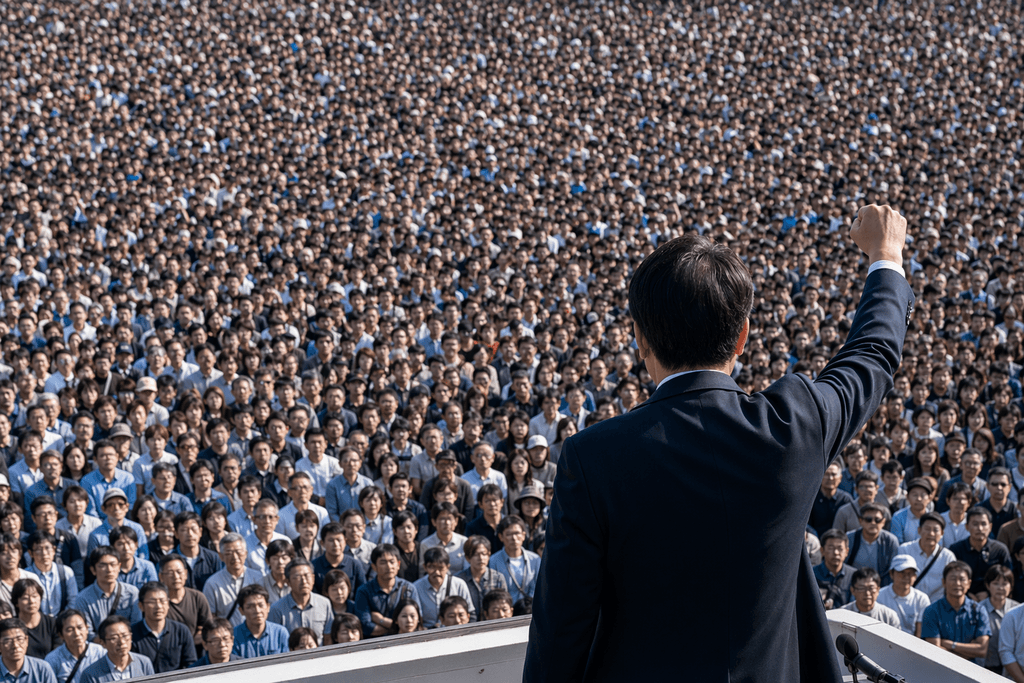
Habang sinasabi ng mga namumuno na sila ang nagsasalita para sa boses ng nakararami, sa totoo lang ay ginagamit lang nila ang nakararami bilang madaling mapakilos na pwersa ayon sa kanilang kagustuhan.
( romanization )
( hiragana )
着席
pag-upo
着席
pag-upo
Explanation
着席
pag-upo
着席
pag-upo / pagkakaupo

( Base form )
( romanization )
( hiragana )
挑む
hamunin
挑む
hamunin
Explanation
挑む
hamunin
挑む
hamunin / sumubok / tanggapin ang hamon

Word Forms
The basic and commonly used forms of this verb.
Basic forms
| Form | Word form | Usage |
|---|---|---|
| Imperfective form (mizenkei) |
Alternative:
挑も
|
Connects to endings such as nai, reru, and seru. |
| Continuative form (renyokei) | Connects to endings such as masu, tai, and ta. | |
| Conclusive form (shushikei) | Ends a sentence and serves as the dictionary form. | |
| Attributive form (rentaikei) | Modifies a noun. | |
| Conditional form (kateikei) | Combines with ba to express a condition. | |
| Imperative form (meireikei) | Expresses a command or instruction. |
Common forms
| Form | Word form | Usage |
|---|---|---|
| Te-form | Connects clauses with te. | |
| Ta-form | Expresses the past with ta. | |
| Nai-form | Expresses negation with nai. | |
| Masu-form | Used for polite speech. | |
| Ba-form | Expresses a condition with ba. | |
| Volitional form | Expresses intention or invitation. |
Notes
正に
malapit nang / eksakto
正に
malapit nang / eksakto
Explanation
正に
malapit nang / eksakto
正に
eksakto / tiyak na / talagang

( Base form )
( romanization )
Loading...

JLPT N1 多言語単語帳・3032語 / JLPT N1 Multilingual Vocabulary: 3032 Words

Jonathan Waller 氏の JLPT Resources の語彙リスト・レベル分類を出典とし、CC BY の条件に従って DiQt が学習者向けに意味を作り直した3032語の単語帳です。JLPT公式の語彙リストではありません。
This collection of 3032 words is based on the vocabulary list and level classifications in Jonathan Waller’s JLPT Resources under CC BY, with meanings rewritten by DiQt for learners. It is not an official JLPT vocabulary list.
Key Operations
Select the first quiz:
Ctrl + Enter
View Explanation:Ctrl + G
Close a feedback:Esc
When selecting a quiz
Answer:Enter
Select a choice:↓ or ↑
Reading out the question:Ctrl + K
View Hint: Ctrl + M
I don't know: Ctrl + Y



