
JLPT N1: Kahulugan ng mga salita - Unsolved

Alamin ang kahulugan ng 3032 salita sa JLPT N1 sa Filipino sa pamamagitan ng mga tanong na may apat na pagpipilian.
-
palabunutan
-
muling pagtustos
-
eksperto / mga liham
-
siga
-
pagtatae
-
paggagamot
-
tiyak na tiyak
-
higit sa lahat
-
nang sobrang luwag
-
palibutan
-
mamasa
-
sumakop ng malaking espasyo
- 「研ぐ」はガ行五段活用。連用形に「て」「た」が続く場合はイ音便となり、「研いで」「研いだ」となる。
-
tapat
-
hindi pa napaunlad
-
mahina
-
pagkakaiba-iba
-
orbita / riles
-
sining at agham
-
baga
-
pangangalap
-
gawain / suliranin
-
tuwirang ibaba
-
prinsipyo
-
hanging malamig
-
baligtad
-
pagkakatatag
-
kalagayan ng mga bagay
-
matuto sa masamang karanasan
-
isaisip / sikaping gawin
-
lumabo / tumagas
設定
pagtatakda / pagsasaayos ng sistema
設定
pagtatakda / pagsasaayos ng sistema
Explanation
設定
pagtatakda / pagsasaayos ng sistema
設定
mga setting / pagsasaayos / konpigurasyon

( Base form )
( romanization )
( hiragana )
申し分
pagkukulang
申し分
pagkukulang
Explanation
申し分
pagkukulang
申し分
reklamo / pagkukulang / puntong maaaring punahin

( Base form )
( romanization )
( hiragana )
真に
tunay na
真に
tunay na
Explanation
真に
tunay na
真に
tunay na / talagang / totoong
Kung magtatagumpay o hindi ang repormang ito ay nakasalalay sa kung tunay nating pakikinggan ang tinig ng mamamayan at kung maipapatupad natin ito nang hindi nagpapasailalim sa mga nakaugat na pansariling interes.
( Base form )
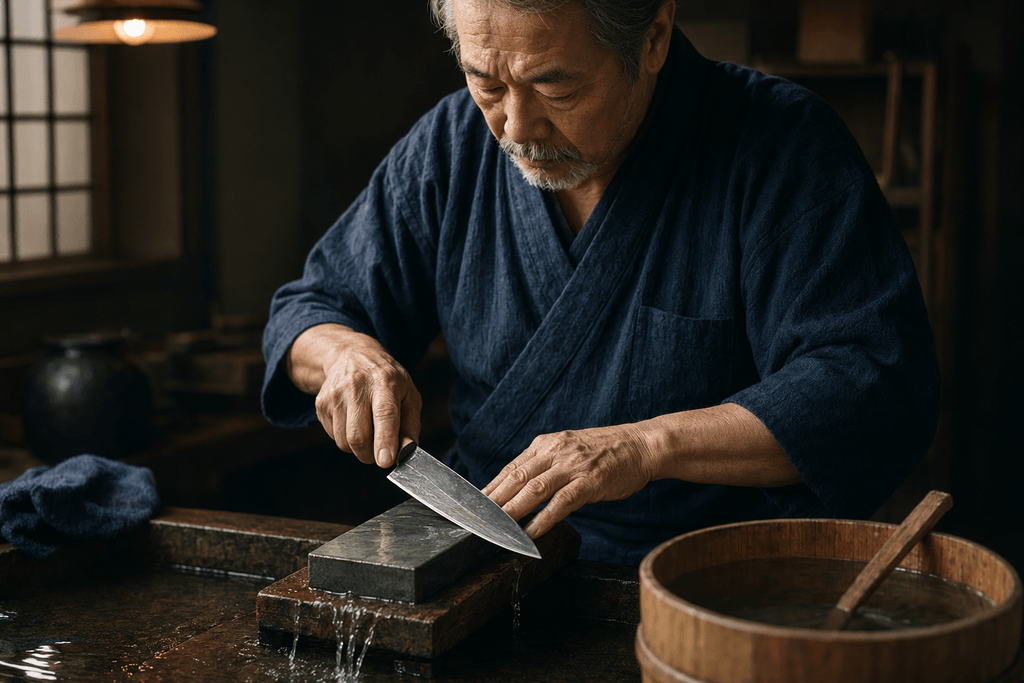
研ぐ
maghasa / maghugas ng bigas
研ぐ
maghasa / maghugas ng bigas
Explanation
研ぐ
maghasa / maghugas ng bigas
研ぐ
hasain / hugasan ang bigas / kinisin o pakintabin
Word Forms
The basic and commonly used forms of this verb.
Basic forms
| Form | Word form | Usage |
|---|---|---|
| Imperfective form (mizenkei) |
Alternative:
研ご
|
Connects to endings such as nai, reru, and seru. |
| Continuative form (renyokei) | Connects to endings such as masu, tai, and ta. | |
| Conclusive form (shushikei) | Ends a sentence and serves as the dictionary form. | |
| Attributive form (rentaikei) | Modifies a noun. | |
| Conditional form (kateikei) | Combines with ba to express a condition. | |
| Imperative form (meireikei) | Expresses a command or instruction. |
Common forms
| Form | Word form | Usage |
|---|---|---|
| Te-form | Connects clauses with te. | |
| Ta-form | Expresses the past with ta. | |
| Nai-form | Expresses negation with nai. | |
| Masu-form | Used for polite speech. | |
| Ba-form | Expresses a condition with ba. | |
| Volitional form | Expresses intention or invitation. |
Notes
温和
mahinahon / banayad
温和
mahinahon / banayad
Explanation
温和
mahinahon / banayad
温和
mahinahon / banayad / magiliw

Word Forms
The basic and commonly used forms of this adjectival noun.
Basic forms
| Form | Word form | Usage |
|---|---|---|
| Imperfective form (mizenkei) | Used in forms such as darou. | |
| Continuative form (renyokei) |
Alternative:
温和に
|
Used with de or ni. |
| Conclusive form (shushikei) | Ends a sentence with da. | |
| Attributive form (rentaikei) | Modifies a noun with na. | |
| Conditional form (kateikei) | Expresses a condition with nara. | |
| Imperative form (meireikei) | Used in formal expressions such as de are. |
Common forms
登録
pagpaparehistro
登録
pagpaparehistro
Explanation
登録
pagpaparehistro
登録
pagpaparehistro / rekord / subskripsiyon (sa Internet)
Kinakailangan ang paunang pagpaparehistro upang magamit ang bagong serbisyo, at kapag lumampas na sa takdang panahon, hindi na tatanggapin sa anumang paraan.

( Base form )
( romanization )
( kyūjitai )
( hiragana )
対応
pagtugon / pagkakatumbas
対応
pagtugon / pagkakatumbas
Explanation
対応
pagtugon / pagkakatumbas
対応
pagtutugma / katugmaan (sa kompyuter) / pag-asikaso

( Base form )
( romanization )
( kyūjitai )
( hiragana )
無言
walang imik
無言
walang imik
Explanation
無言
walang imik
無言
katahimikan / pananahimik / hindi pagsasalita

( Base form )
( romanization )
( hiragana )
火花
tilamsik ng apoy
火花
tilamsik ng apoy
Explanation
火花
tilamsik ng apoy
火花
munting liyab o kislap mula sa apoy o pagkikiskisan / biglaang kislap ng liwanag / simula o mitsa ng alitan o pangyayari

( Base form )
( romanization )
( hiragana )
書き取る
isulat ang idinidikta
書き取る
isulat ang idinidikta
Explanation
書き取る
isulat ang idinidikta
書き取る
isulat / isulat ang dinidikta / itranskriba

Word Forms
The basic and commonly used forms of this verb.
Basic forms
| Form | Word form | Usage |
|---|---|---|
| Imperfective form (mizenkei) |
Alternative:
書き取ろ
|
Connects to endings such as nai, reru, and seru. |
| Continuative form (renyokei) |
Alternative:
書き取っ
|
Connects to endings such as masu, tai, and ta. |
| Conclusive form (shushikei) | Ends a sentence and serves as the dictionary form. | |
| Attributive form (rentaikei) | Modifies a noun. | |
| Conditional form (kateikei) | Combines with ba to express a condition. | |
| Imperative form (meireikei) | Expresses a command or instruction. |
Common forms
Loading...

JLPT N1 多言語単語帳・3032語 / JLPT N1 Multilingual Vocabulary: 3032 Words

Jonathan Waller 氏の JLPT Resources の語彙リスト・レベル分類を出典とし、CC BY の条件に従って DiQt が学習者向けに意味を作り直した3032語の単語帳です。JLPT公式の語彙リストではありません。
This collection of 3032 words is based on the vocabulary list and level classifications in Jonathan Waller’s JLPT Resources under CC BY, with meanings rewritten by DiQt for learners. It is not an official JLPT vocabulary list.
Key Operations
Select the first quiz:
Ctrl + Enter
View Explanation:Ctrl + G
Close a feedback:Esc
When selecting a quiz
Answer:Enter
Select a choice:↓ or ↑
Reading out the question:Ctrl + K
View Hint: Ctrl + M
I don't know: Ctrl + Y



