
JLPT N1: Kahulugan ng mga salita - Unsolved

Alamin ang kahulugan ng 3032 salita sa JLPT N1 sa Filipino sa pamamagitan ng mga tanong na may apat na pagpipilian.
-
pagsisimula
-
pagbili
-
pagtutugma ng tala
-
magtanong ng impormasyon
-
pormal na humiling
-
patigasin / patatagin
-
alyansa
-
baha
-
panganganak
-
huling pangkat na bantay
-
hangad
-
pagkasira ng bagay
-
ayusin
-
magtanong ng impormasyon
-
matakot
-
payat na payat / pinanghinaan ng loob
-
tiyak / nang malayong higit
-
nang mariin / nang malaki
-
yugyugin
-
gumawa ng krimen / gahasain
-
pahirapan
-
isama sa kabuuan
-
sumalungat
-
ibatay sa
- 読みは「まぐれる」。現代語では同字の「紛れる」は「まぎれる」と読む用法も一般的です。
-
rebyu ng aklat
-
unang edisyon
-
pagpapasigla ng pag-unlad
-
magpakumbaba
-
tumagas / malaktawan
-
ikabit
形成
pagkakahubog
形成
pagkakahubog
Explanation
形成
pagkakahubog
形成
pagbuo / paghuhubog / (daglat) operasyong rekonstruktibo

( Base form )
( romanization )
( hiragana )
掲げる
itaas / itaguyod
掲げる
itaas / itaguyod
Explanation
掲げる
itaas / itaguyod
掲げる
itaas o isabit (hal. bandila o karatula) / ilathala o ipalimbag / ideklara o ihayag; magtaguyod ng islogan o plano
Hindi sapat na magtaguyod lamang ng bagong pananaw; kapag naisasalin ito hanggang sa pagdisenyo ng mga sistema na akma sa aktuwal na kalagayan sa lugar ng trabaho, saka pa lamang magsisimulang magbago ang organisasyon.

Word Forms
The basic and commonly used forms of this verb.
Basic forms
| Form | Word form | Usage |
|---|---|---|
| Imperfective form (mizenkei) | Connects to endings such as nai, reru, and seru. | |
| Continuative form (renyokei) | Connects to endings such as masu, tai, and ta. | |
| Conclusive form (shushikei) | Ends a sentence and serves as the dictionary form. | |
| Attributive form (rentaikei) | Modifies a noun. | |
| Conditional form (kateikei) | Combines with ba to express a condition. | |
| Imperative form (meireikei) |
Alternative:
掲げよ
|
Expresses a command or instruction. |
Common forms
まま
paminsan-minsan
まま
paminsan-minsan
Explanation
paminsan-minsan
まま
paminsan-minsan / minsan / panaka-naka

( romanization )
社交
pakikisalamuha
社交
pakikisalamuha
Explanation
社交
pakikisalamuha
社交
pakikisalamuha / pakikihalubilo / pakikitungo sa kapwa
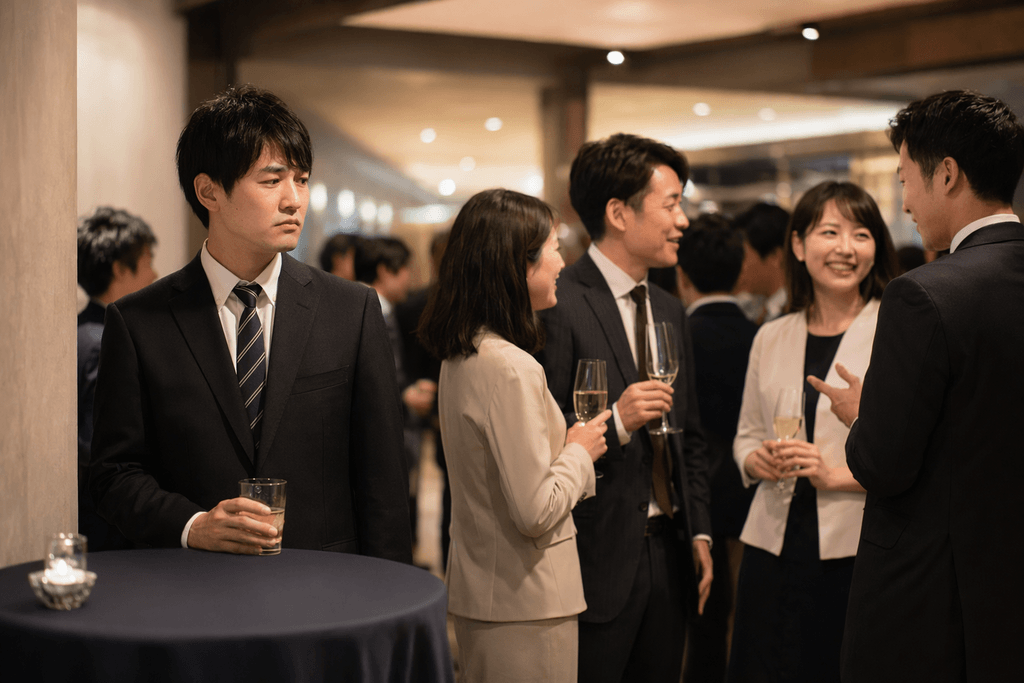
Sa mga araw-araw na abala sa trabaho, lagi kong ipinagpapaliban ang pakikisalamuha, ngunit ramdam na ramdam ko ang kapalit nito—kitang-kita kung paano numinipis at humihina ang aking network ng mga kakilala.
( Base form )
( romanization )
( hiragana )
損なう
sirain / mabigong gawin
損なう
sirain / mabigong gawin
Explanation
損なう
sirain / mabigong gawin
損なう
sirain / makapinsala / dumungis

Word Forms
The basic and commonly used forms of this verb.
Basic forms
| Form | Word form | Usage |
|---|---|---|
| Imperfective form (mizenkei) |
Alternative:
損なお
|
Connects to endings such as nai, reru, and seru. |
| Continuative form (renyokei) | Connects to endings such as masu, tai, and ta. | |
| Conclusive form (shushikei) | Ends a sentence and serves as the dictionary form. | |
| Attributive form (rentaikei) | Modifies a noun. | |
| Conditional form (kateikei) | Combines with ba to express a condition. | |
| Imperative form (meireikei) | Expresses a command or instruction. |
Common forms
たくさん
marami
たくさん
marami
Explanation
marami
たくさん
marami / sapat (sa dami)
Habang umuunlad ang pagpapaunlad ng mga lungsod, marami ring naiulat na mga kaso kung saan nawawala ang makasaysayang tanawin, kaya muli tayong hinahamon na pag-isipan ang balanse sa pagitan ng kaginhawaan at pangangalaga ng kultura.

( romanization )
( adnominal )
( adverbial )
凭れる
sumandal / mabigatan ang sikmura
凭れる
sumandal / mabigatan ang sikmura
Explanation
凭れる
sumandal / mabigatan ang sikmura
凭れる
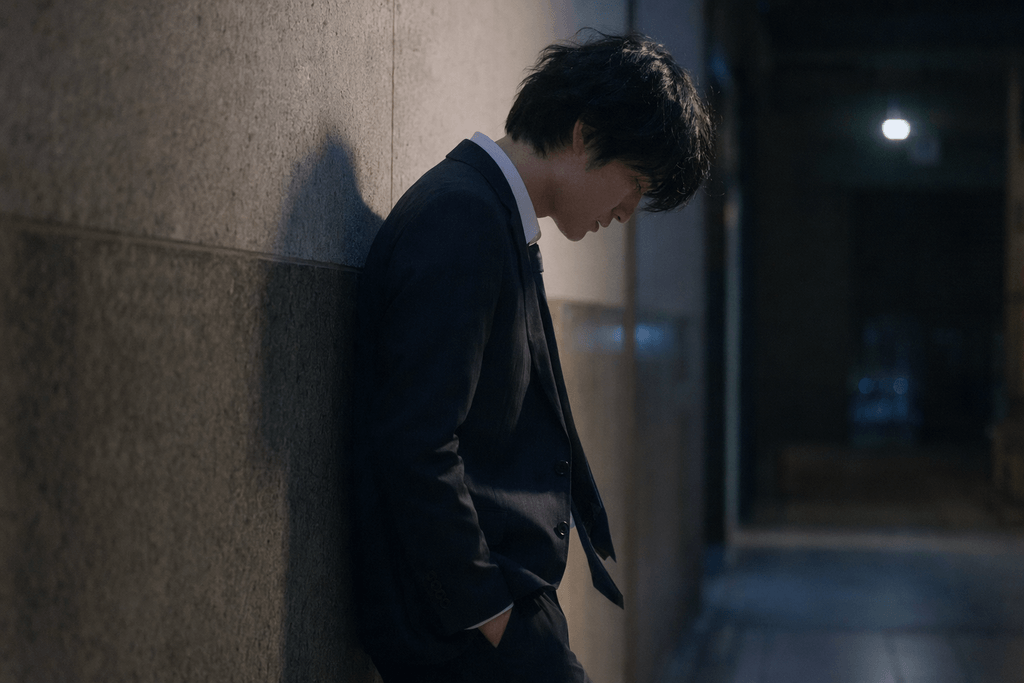
sumandal / sandig sa / umasa (sa)
Word Forms
The basic and commonly used forms of this verb.
Basic forms
| Form | Word form | Usage |
|---|---|---|
| Imperfective form (mizenkei) | Connects to endings such as nai, reru, and seru. | |
| Continuative form (renyokei) | Connects to endings such as masu, tai, and ta. | |
| Conclusive form (shushikei) | Ends a sentence and serves as the dictionary form. | |
| Attributive form (rentaikei) | Modifies a noun. | |
| Conditional form (kateikei) | Combines with ba to express a condition. | |
| Imperative form (meireikei) |
Alternative:
凭れよ
|
Expresses a command or instruction. |
Common forms
紛れる
makihalo / malihis ang isip
紛れる
makihalo / malihis ang isip
Explanation
紛れる
makihalo / malihis ang isip
紛れる
mawala / maligaw

Word Forms
The basic and commonly used forms of this verb.
Basic forms
| Form | Word form | Usage |
|---|---|---|
| Imperfective form (mizenkei) | Connects to endings such as nai, reru, and seru. | |
| Continuative form (renyokei) | Connects to endings such as masu, tai, and ta. | |
| Conclusive form (shushikei) | Ends a sentence and serves as the dictionary form. | |
| Attributive form (rentaikei) | Modifies a noun. | |
| Conditional form (kateikei) | Combines with ba to express a condition. | |
| Imperative form (meireikei) |
Alternative:
紛れよ
|
Expresses a command or instruction. |
Common forms
| Form | Word form | Usage |
|---|---|---|
| Te-form | Connects clauses with te. | |
| Ta-form | Expresses the past with ta. | |
| Nai-form | Expresses negation with nai. | |
| Masu-form | Used for polite speech. | |
| Ba-form | Expresses a condition with ba. | |
| Volitional form | Expresses intention or invitation. |
Notes
劇団
kompanya ng teatro
劇団
kompanya ng teatro
Explanation
劇団
kompanya ng teatro
劇団
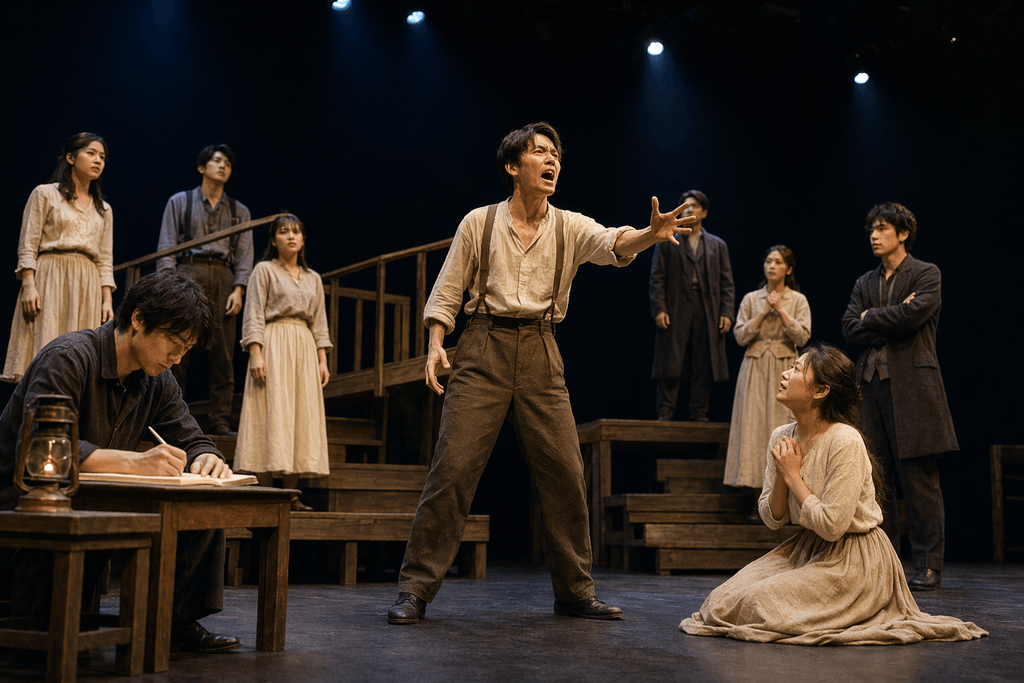
grupo ng mga artista sa teatro / samahang pangteatro / kompanya ng teatro
( Base form )
( romanization )
( kyūjitai )
( hiragana )
嘲笑う
kutyain
嘲笑う
kutyain
Explanation
嘲笑う
kutyain
嘲笑う
tuyain / mangutya / hamakin
Word Forms
The basic and commonly used forms of this verb.
Basic forms
| Form | Word form | Usage |
|---|---|---|
| Imperfective form (mizenkei) | Connects to endings such as nai, reru, and seru. | |
| Continuative form (renyokei) | Connects to endings such as masu, tai, and ta. | |
| Conclusive form (shushikei) | Ends a sentence and serves as the dictionary form. | |
| Attributive form (rentaikei) | Modifies a noun. | |
| Conditional form (kateikei) | Combines with ba to express a condition. | |
| Imperative form (meireikei) | Expresses a command or instruction. |
Common forms
Loading...

JLPT N1 多言語単語帳・3032語 / JLPT N1 Multilingual Vocabulary: 3032 Words

Jonathan Waller 氏の JLPT Resources の語彙リスト・レベル分類を出典とし、CC BY の条件に従って DiQt が学習者向けに意味を作り直した3032語の単語帳です。JLPT公式の語彙リストではありません。
This collection of 3032 words is based on the vocabulary list and level classifications in Jonathan Waller’s JLPT Resources under CC BY, with meanings rewritten by DiQt for learners. It is not an official JLPT vocabulary list.
Key Operations
Select the first quiz:
Ctrl + Enter
View Explanation:Ctrl + G
Close a feedback:Esc
When selecting a quiz
Answer:Enter
Select a choice:↓ or ↑
Reading out the question:Ctrl + K
View Hint: Ctrl + M
I don't know: Ctrl + Y



