
JLPT N1 어휘 뜻 4지선다 - Unsolved

4지선다 문제로 JLPT N1 어휘 3032개의 뜻을 한국어로 익힙니다.
-
반란
-
봉쇄 / 자금 동결
-
지방
-
덧붙이다
-
마르다
-
삼가다 / 기록하다
-
얼마 안 되다
-
헐렁하다
-
긴요하다
- 「気紛れ」の別表記。
-
눅눅해지다
-
둘러싸다
-
부피가 크다
- 「研ぐ」はガ行五段活用。連用形に「て」「た」が続く場合はイ音便となり、「研いで」「研いだ」となる。
-
전망 / 앞날의 가능성
-
활
-
산업 진흥 사업
-
명찰
-
관점
-
행주
-
응모
-
부담
-
숙명
-
거대한
-
같은
-
반대
-
씨 / 님
-
느끼는 기색을 보이다
-
-파
-
총명함
-
게스트
-
달음박질
分離
분리
分離
분리
Explanation
分離
분리
分離
분리 / 격리 / (전파·오디오) 선택도·감도, 채널 분리도

( Base form )
( romanization )
( hiragana )
追い込む
몰아넣다
追い込む
몰아넣다
Explanation
追い込む
몰아넣다
追い込む
몰아넣다 / 궁지로 몰다 / 압박하여 하게 만들다

Word Forms
The basic and commonly used forms of this verb.
Basic forms
| Form | Word form | Usage |
|---|---|---|
| Imperfective form (mizenkei) |
Alternative:
追い込も
|
Connects to endings such as nai, reru, and seru. |
| Continuative form (renyokei) | Connects to endings such as masu, tai, and ta. | |
| Conclusive form (shushikei) | Ends a sentence and serves as the dictionary form. | |
| Attributive form (rentaikei) | Modifies a noun. | |
| Conditional form (kateikei) | Combines with ba to express a condition. | |
| Imperative form (meireikei) | Expresses a command or instruction. |
Common forms
気まぐれ
변덕스럽다
気まぐれ
변덕스럽다
Explanation
気まぐれ
변덕스럽다
気まぐれ
변덕스러운 / 기분에 따라 변하는 / 제멋대로인

Word Forms
The basic and commonly used forms of this adjectival noun.
Basic forms
| Form | Word form | Usage |
|---|---|---|
| Imperfective form (mizenkei) | Used in forms such as darou. | |
| Continuative form (renyokei) |
Alternative:
気まぐれに
気まぐれだっ
|
Used with de or ni. |
| Conclusive form (shushikei) | Ends a sentence with da. | |
| Attributive form (rentaikei) | Modifies a noun with na. | |
| Conditional form (kateikei) | Expresses a condition with nara. | |
| Imperative form (meireikei) | Used in formal expressions such as de are. |
Common forms
| Form | Word form | Usage |
|---|---|---|
| Te-form equivalent | Connects clauses using de. | |
| Ta-form | Expresses the past with datta. | |
| Nai-form |
Alternative:
気まぐれじゃない
|
Expresses negation with dewa nai or ja nai. |
| Desu-form | Used for polite speech. |
Notes
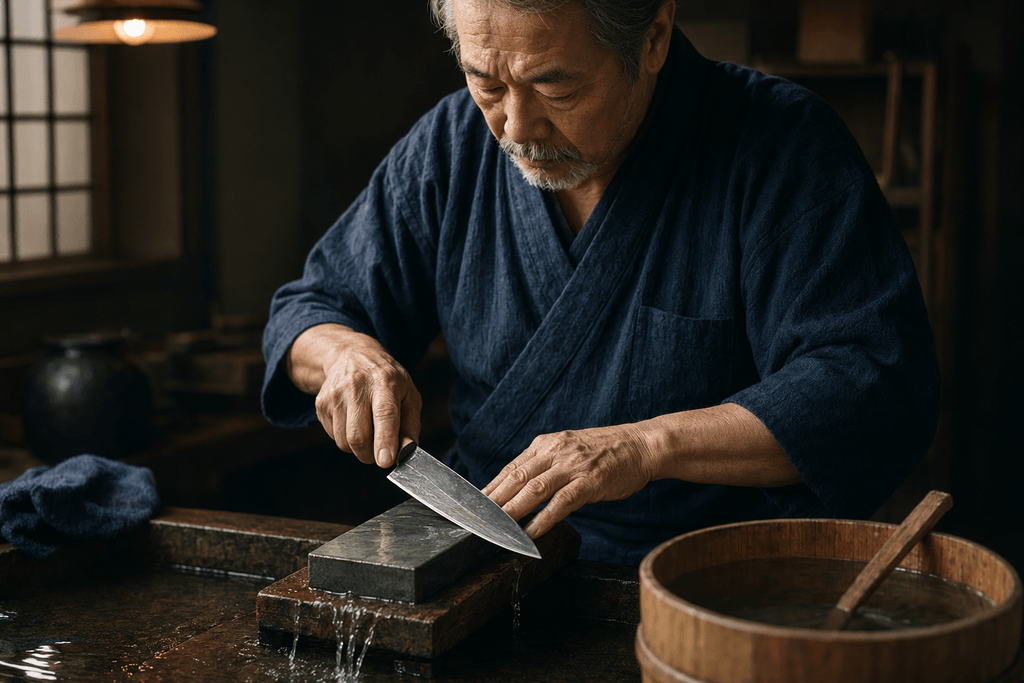
研ぐ
갈다 / 쌀을 씻다
研ぐ
갈다 / 쌀을 씻다
Explanation
研ぐ
갈다 / 쌀을 씻다
研ぐ
칼·도끼 등을 갈다 / 쌀을 씻다 / 표면을 닦아 광을 내다
Word Forms
The basic and commonly used forms of this verb.
Basic forms
| Form | Word form | Usage |
|---|---|---|
| Imperfective form (mizenkei) |
Alternative:
研ご
|
Connects to endings such as nai, reru, and seru. |
| Continuative form (renyokei) | Connects to endings such as masu, tai, and ta. | |
| Conclusive form (shushikei) | Ends a sentence and serves as the dictionary form. | |
| Attributive form (rentaikei) | Modifies a noun. | |
| Conditional form (kateikei) | Combines with ba to express a condition. | |
| Imperative form (meireikei) | Expresses a command or instruction. |
Common forms
| Form | Word form | Usage |
|---|---|---|
| Te-form | Connects clauses with te. | |
| Ta-form | Expresses the past with ta. | |
| Nai-form | Expresses negation with nai. | |
| Masu-form | Used for polite speech. | |
| Ba-form | Expresses a condition with ba. | |
| Volitional form | Expresses intention or invitation. |
Notes
天体
천체
天体
천체
Explanation
天体
천체
天体
우주 공간에 존재하는 자연 물체 / 별·행성·위성·소행성·혜성 등 하늘의 물체

( Base form )
( romanization )
( kyūjitai )
( hiragana )
乙
둘째 등급 / 멋스러운
乙
둘째 등급 / 멋스러운
Explanation
乙
둘째 등급 / 멋스러운
乙
범상치 않은, 색다른 / 기이한, 괴상한

( romanization )
( adnominal )
( adverbial )
( hiragana )
( table-tags )
( inflection-template )
( imperfective stem )
( imperfective stem )
( imperfective )
( continuative stem )
( continuative stem )
( continuative )
( stem terminative )
( stem terminative )
( terminative )
( attributive stem )
( attributive stem )
( attributive )
( hypothetical stem )
( hypothetical stem )
( hypothetical )
( Imperative stem )
( Imperative stem )
( Imperative )
( informal negative )
( informal negative )
( informal negative )
( informal negative )
( informal negative )
( informal negative )
( informal Past )
( informal Past )
( informal Past )
( informal negative Past )
( informal negative Past )
( informal negative Past )
( informal negative Past )
( informal negative Past )
( informal negative Past )
( formal )
( formal )
( formal )
( formal negative )
( formal negative )
( formal negative )
( formal negative )
( formal negative )
( formal negative )
( formal Past )
( formal Past )
( formal Past )
( formal negative Past )
( formal negative Past )
( formal negative Past )
( formal negative Past )
( formal negative Past )
( formal negative Past )
( conjunctive )
( conjunctive )
( conjunctive )
( Conditional )
( Conditional )
( Conditional )
( Conditional Past )
( Conditional Past )
( Conditional Past )
( volitional )
( volitional )
( volitional )
( adverbial )
( adverbial )
( adverbial )
( noun-from-adj )
( noun-from-adj )
( noun-from-adj )
転勤
전근
転勤
전근
Explanation
転勤
전근
転勤
전근 / 근무지 이동 / 인사발령에 따른 지역·지점 이동

( Base form )
( romanization )
( hiragana )
故
고
故
고
Explanation
故
고
故
고(故); 죽은, 고인 / 옛; 과거의, 이전의 / 전(前); 전임의, 전(전직의)

( romanization )
( hiragana )
番目
번째
番目
번째
Explanation
番目
번째
番目
서수를 나타내는 접미사 / ~번째

( Base form )
( romanization )
( hiragana )
赤字
적자
赤字
적자
Explanation
赤字
적자
赤字
적자, 결손 / 빨간 글씨 / 빨간 수정·교정 표시

( Base form )
( romanization )
( hiragana )
Loading...

JLPT N1 多言語単語帳・3032語 / JLPT N1 Multilingual Vocabulary: 3032 Words

Jonathan Waller 氏の JLPT Resources の語彙リスト・レベル分類を出典とし、CC BY の条件に従って DiQt が学習者向けに意味を作り直した3032語の単語帳です。JLPT公式の語彙リストではありません。
This collection of 3032 words is based on the vocabulary list and level classifications in Jonathan Waller’s JLPT Resources under CC BY, with meanings rewritten by DiQt for learners. It is not an official JLPT vocabulary list.
Key Operations
Select the first quiz:
Ctrl + Enter
View Explanation:Ctrl + G
Close a feedback:Esc
When selecting a quiz
Answer:Enter
Select a choice:↓ or ↑
Reading out the question:Ctrl + K
View Hint: Ctrl + M
I don't know: Ctrl + Y



