
JLPT N1 어휘 뜻 4지선다 - Unsolved

4지선다 문제로 JLPT N1 어휘 3032개의 뜻을 한국어로 익힙니다.
-
체납
-
기능
-
무능
-
튼튼하다
-
국제적이다
-
정상적이다
- 「裸足」は名詞的にも用いられ、「裸足の」「裸足で」が一般的です。
- 「玄人裸足」のように接尾的に用いて「専門家も及ばないほど優れている」の意を表すことがあります。
-
매체
-
맥박
-
기말
-
표시
-
모습
-
와트
-
국산
-
꽃꿀 / 벌꿀
-
방식
-
화기애애하다
-
상세하다
-
성실하다
-
여객
-
지령
-
소정
-
한기
-
고용
-
생사
-
맞춤 주문하다
-
묻히다 / 메워지다
-
삶다
-
저축
-
수갑
-
예언
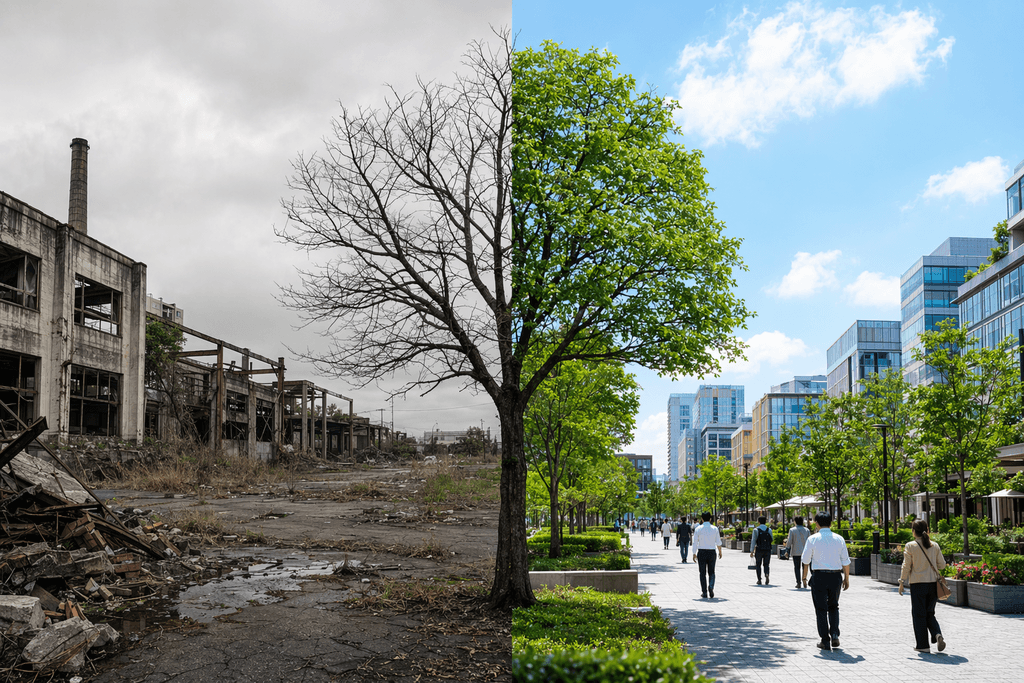
再生
재생
再生
재생
Explanation
再生
재생
再生
부활·되살아남(의 상태) / 재사용·재활용 / (음성·영상 등의) 재생
( Base form )
( romanization )
( hiragana )
裸足
맨발
裸足
맨발
Explanation
裸足
맨발
裸足
맨발의 / (접미적) 프로도 상대가 안 될 만큼 뛰어난

Word Forms
The basic and commonly used forms of this adjectival noun.
Basic forms
| Form | Word form | Usage |
|---|---|---|
| Imperfective form (mizenkei) | Used in forms such as darou. | |
| Continuative form (renyokei) |
Alternative:
裸足に
裸足だっ
|
Used with de or ni. |
| Conclusive form (shushikei) | Ends a sentence with da. | |
| Attributive form (rentaikei) |
Alternative:
裸足の
|
Modifies a noun with na. |
| Conditional form (kateikei) |
Alternative:
裸足であれば
|
Expresses a condition with nara. |
| Imperative form (meireikei) | Used in formal expressions such as de are. |
Common forms
| Form | Word form | Usage |
|---|---|---|
| Te-form equivalent | Connects clauses using de. | |
| Ta-form | Expresses the past with datta. | |
| Nai-form |
Alternative:
裸足じゃない
|
Expresses negation with dewa nai or ja nai. |
| Desu-form | Used for polite speech. |
Notes
アルミ
알루미늄
アルミ
알루미늄
Explanation
알루미늄
アルミ
알루미늄 / 알루미늄의 줄임말

( romanization )
介護
돌봄
介護
돌봄
Explanation
介護
돌봄
介護
노인이나 장애인을 돌보는 일 / 간병·요양 / 돌봄 서비스
( Base form )
( romanization )
( hiragana )
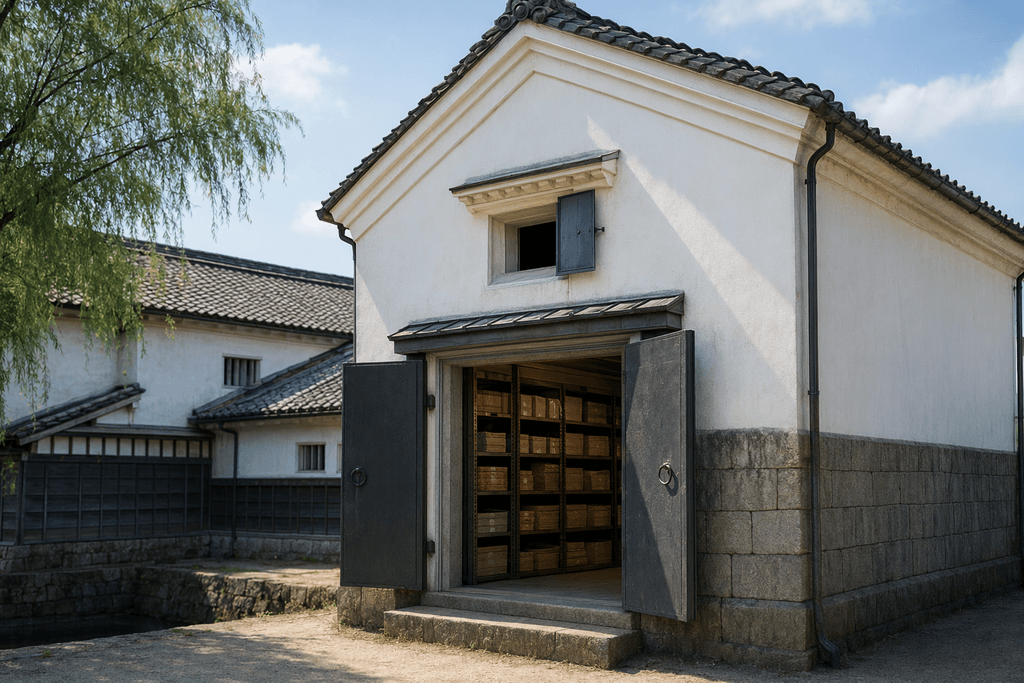
蔵
곳간
蔵
곳간
Explanation
蔵
곳간
蔵
창고 / 곳간 / 저장고
( romanization )
( kyūjitai )
( hiragana )
まちまち
제각각이다
まちまち
제각각이다
Explanation
제각각이다
まちまち
제각각인 / 서로 다른 / 일정치 않은

Word Forms
The basic and commonly used forms of this adjectival noun.
Basic forms
| Form | Word form | Usage |
|---|---|---|
| Imperfective form (mizenkei) |
Alternative:
まちまちでしょ
|
Used in forms such as darou. |
| Continuative form (renyokei) |
Alternative:
まちまちに
|
Used with de or ni. |
| Conclusive form (shushikei) |
Alternative:
まちまちです
|
Ends a sentence with da. |
| Attributive form (rentaikei) |
Alternative:
まちまちの
|
Modifies a noun with na. |
| Conditional form (kateikei) | Expresses a condition with nara. | |
| Imperative form (meireikei) | Used in formal expressions such as de are. |
Common forms
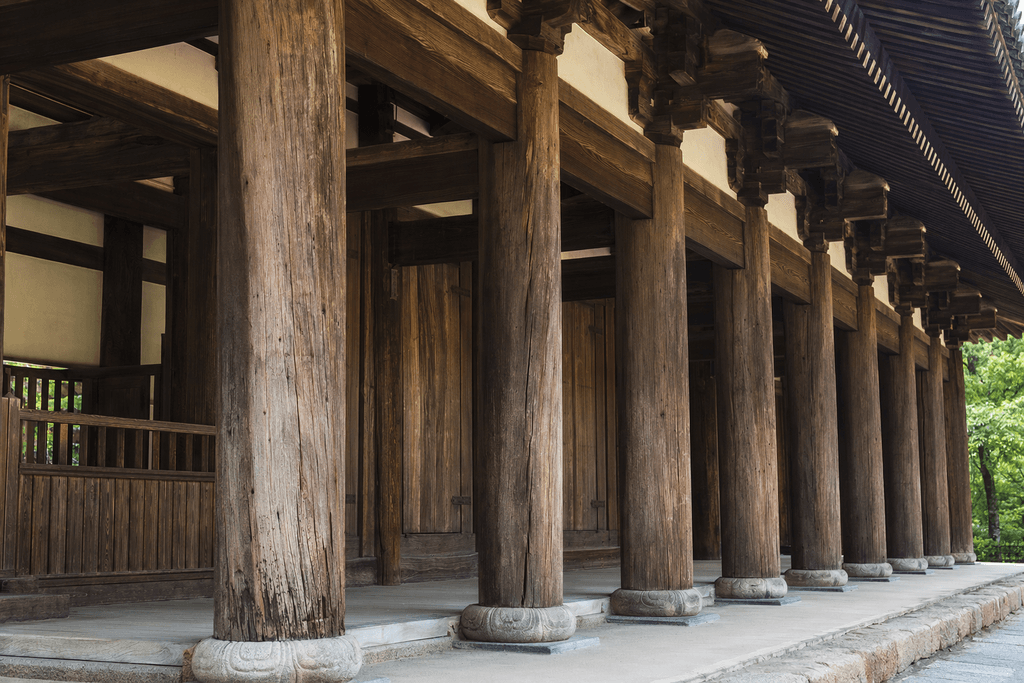
柱
기둥
柱
기둥
Explanation
柱
기둥
柱
기둥 / 버팀목, 지주 / (비유) 중심이 되는 사람·역할
( romanization )
( hiragana )
爆破
폭파
爆破
폭파
Explanation
爆破
폭파
爆破
폭약으로 구조물 등을 파괴하는 일 / 폭약을 이용한 발파 작업 / 폭발로 인한 강한 충격·파괴

( Base form )
( romanization )
( hiragana )
引き取る
인수하다 / 물러가다
引き取る
인수하다 / 물러가다
Explanation
引き取る
인수하다 / 물러가다
引き取る
되찾다; 회수하다; 수거하다 / (사람·동물 등을) 맡아 돌보다; 양육하다; 입양하다 / 숨을 거두다

Word Forms
The basic and commonly used forms of this verb.
Basic forms
| Form | Word form | Usage |
|---|---|---|
| Imperfective form (mizenkei) |
Alternative:
引き取ろ
|
Connects to endings such as nai, reru, and seru. |
| Continuative form (renyokei) | Connects to endings such as masu, tai, and ta. | |
| Conclusive form (shushikei) | Ends a sentence and serves as the dictionary form. | |
| Attributive form (rentaikei) | Modifies a noun. | |
| Conditional form (kateikei) | Combines with ba to express a condition. | |
| Imperative form (meireikei) | Expresses a command or instruction. |
Common forms
十分
십 분
十分
십 분
Explanation
十分
십 분
十分
10분 / 십 분

( Base form )
( romanization )
( hiragana )
Loading...

JLPT N1 多言語単語帳・3032語 / JLPT N1 Multilingual Vocabulary: 3032 Words

Jonathan Waller 氏の JLPT Resources の語彙リスト・レベル分類を出典とし、CC BY の条件に従って DiQt が学習者向けに意味を作り直した3032語の単語帳です。JLPT公式の語彙リストではありません。
This collection of 3032 words is based on the vocabulary list and level classifications in Jonathan Waller’s JLPT Resources under CC BY, with meanings rewritten by DiQt for learners. It is not an official JLPT vocabulary list.
Key Operations
Select the first quiz:
Ctrl + Enter
View Explanation:Ctrl + G
Close a feedback:Esc
When selecting a quiz
Answer:Enter
Select a choice:↓ or ↑
Reading out the question:Ctrl + K
View Hint: Ctrl + M
I don't know: Ctrl + Y



