
JLPT N1 어휘 뜻 4지선다 - Unsolved

4지선다 문제로 JLPT N1 어휘 3032개의 뜻을 한국어로 익힙니다.
-
참의원
-
화성
-
산타클로스
-
싱겁다
-
날쌔다
-
공허하다 / 헛되다
-
거느리다
-
몰두하다
-
깎아내리다
- 「重んずる」はサ変系の「〜ずる」動詞で、「重んじる」と同義。現代語では連用形由来の「重んじて」「重んじた」「重んじない」が一般的。
-
또한 / 때문에
-
따위
-
-구나
-
흥분 / 고조
-
반사 / 반사 작용
-
원문
-
운영
-
솔직함
-
비료
-
적절히
-
꽉 / 훨씬
-
딱 잘라
-
면하다
-
벗겨지다 / 빛이 바래다
-
모면하다
-
자칫하면 / 어쨌든
-
이제 와서
-
원래
-
불쾌하다 / 외설적이다
-
괴롭다 / 관능적이다
-
귀중하다 / 고귀하다
- 「好い」は「良い」と同じく、口語では終止・連体形に「いい」も用いられます。活用形は一般に「よく」「よかった」「よければ」のように「よ-」系になります。
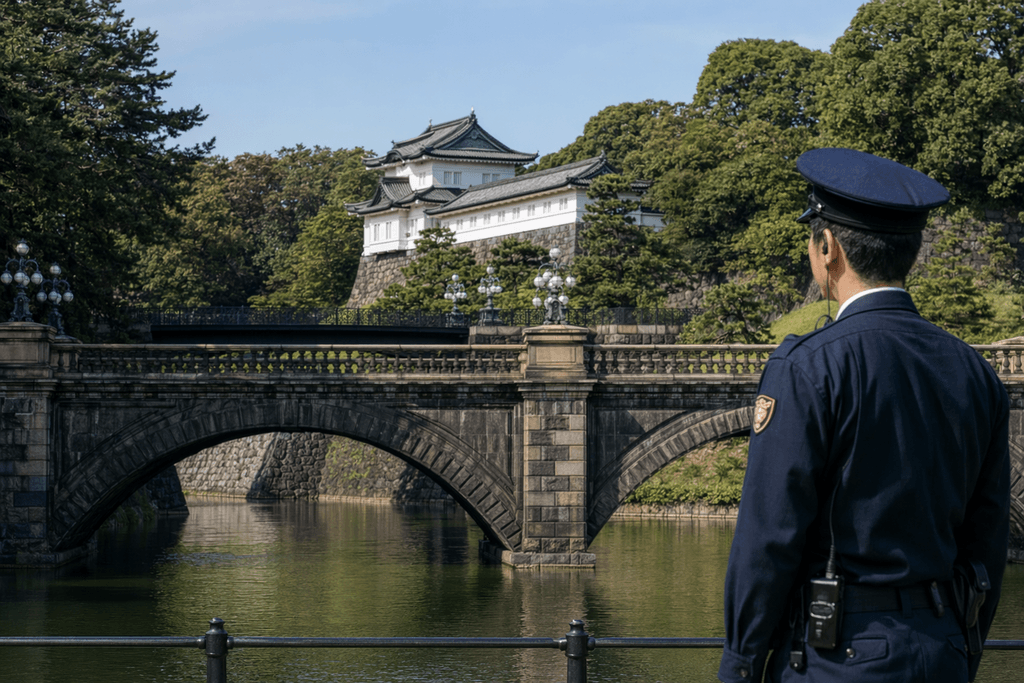
皇居
황궁
皇居
황궁
Explanation
皇居
황궁
皇居
일본 천황의 궁전 / 일본 천황의 공식 거처 / 도쿄에 위치한 일본 황실의 궁전
( Base form )
( romanization )
( romanization )
( hiragana historical )
( hiragana )
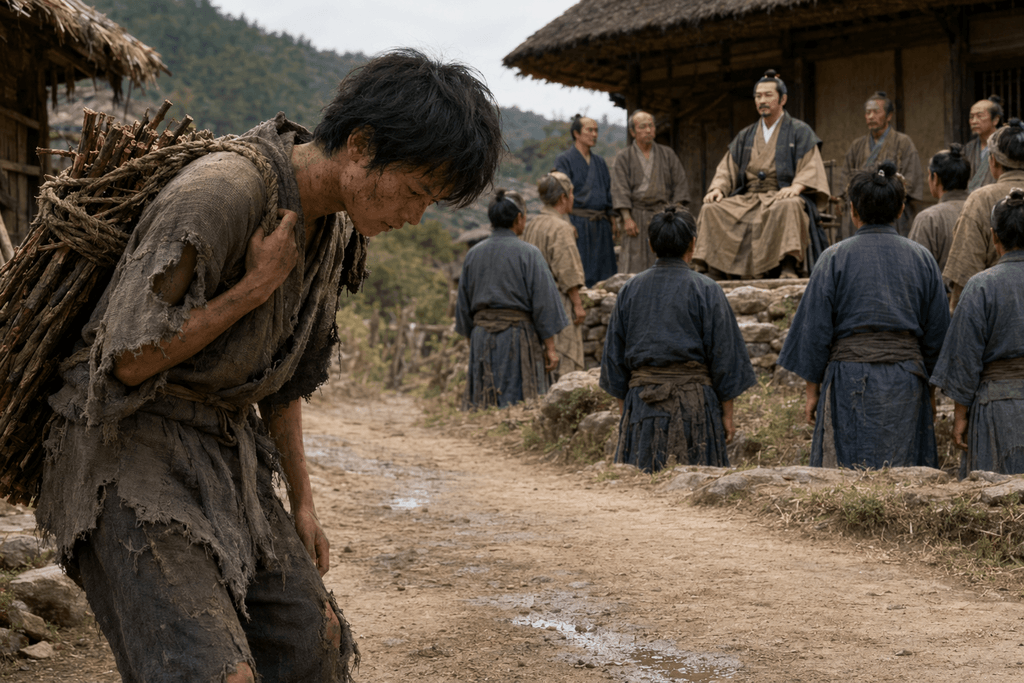
卑しい
탐욕스럽다 / 천박하다
卑しい
탐욕스럽다 / 천박하다
Explanation
卑しい
탐욕스럽다 / 천박하다
卑しい
비천한 / 천박하거나 비열한 / 탐욕스러운
Word Forms
The basic and commonly used forms of this adjective.
Basic forms
| Form | Word form | Usage |
|---|---|---|
| Imperfective form (mizenkei) | Used in forms such as karou; mainly literary. | |
| Continuative form (renyokei) |
Alternative:
卑しかっ
|
Used in forms such as kute and kunai. |
| Conclusive form (shushikei) | Ends a sentence. | |
| Attributive form (rentaikei) | Modifies a noun. | |
| Conditional form (kateikei) | Expresses a condition with kereba. | |
| Imperative form (meireikei) | Rarely used in modern Japanese. |
Common forms
重んずる
중히 여기다
重んずる
중히 여기다
Explanation
重んずる
중히 여기다
重んずる
존중하다 / 중시하다 / 소중히 여기다

Word Forms
The basic and commonly used forms of this verb.
Basic forms
| Form | Word form | Usage |
|---|---|---|
| Imperfective form (mizenkei) |
Alternative:
重んぜ
|
Connects to endings such as nai, reru, and seru. |
| Continuative form (renyokei) | Connects to endings such as masu, tai, and ta. | |
| Conclusive form (shushikei) | Ends a sentence and serves as the dictionary form. | |
| Attributive form (rentaikei) | Modifies a noun. | |
| Conditional form (kateikei) | Combines with ba to express a condition. | |
| Imperative form (meireikei) |
Alternative:
重んぜよ
重んじよ
|
Expresses a command or instruction. |
Common forms
| Form | Word form | Usage |
|---|---|---|
| Te-form | Connects clauses with te. | |
| Ta-form | Expresses the past with ta. | |
| Nai-form |
Alternative:
重んぜない
|
Expresses negation with nai. |
| Masu-form | Used for polite speech. | |
| Ba-form |
Alternative:
重んじれば
|
Expresses a condition with ba. |
| Volitional form | Expresses intention or invitation. |
Notes
けれど
하지만
けれど
하지만
Explanation
하지만
けれど
그러나 / 하지만 / 그렇지만

( romanization )
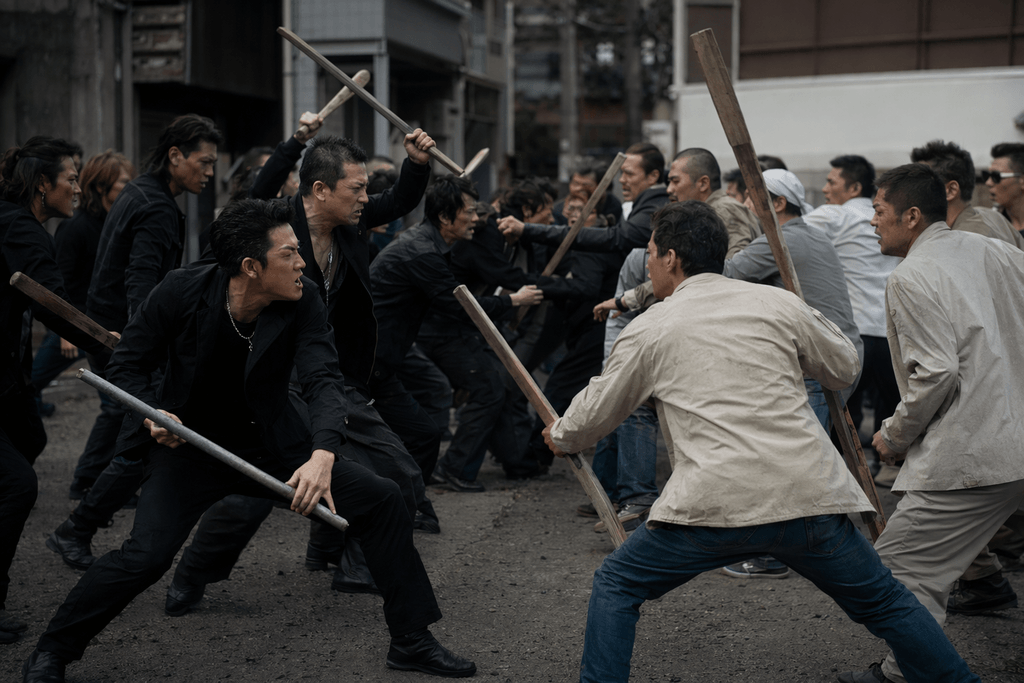
抗争
항쟁
抗争
항쟁
Explanation
抗争
항쟁
抗争
항쟁 / 투쟁 / 대립
( Base form )
( romanization )
( hiragana )
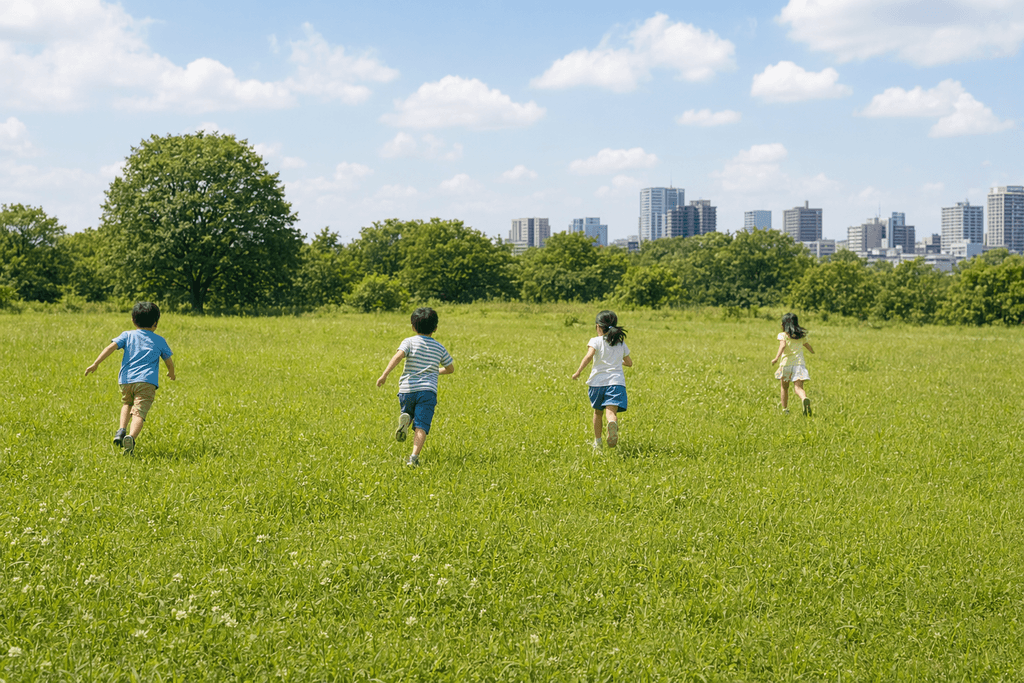
原っぱ
빈 들판
原っぱ
빈 들판
Explanation
原っぱ
빈 들판
原っぱ
들판 / 벌판 / 빈 들판
( Base form )
( romanization )
さぞ
필시
さぞ
필시
Explanation
필시
さぞ
틀림없이 / 분명히 / 필시

( romanization )
結び付く
결부되다
結び付く
결부되다
Explanation
結び付く
결부되다
結び付く
결합되다 / 결부되다 / 묶이다

Word Forms
The basic and commonly used forms of this verb.
Basic forms
| Form | Word form | Usage |
|---|---|---|
| Imperfective form (mizenkei) |
Alternative:
結び付こ
結びつか
結びつこ
|
Connects to endings such as nai, reru, and seru. |
| Continuative form (renyokei) |
Alternative:
結び付い
結びつき
結びつい
|
Connects to endings such as masu, tai, and ta. |
| Conclusive form (shushikei) |
Alternative:
結びつく
|
Ends a sentence and serves as the dictionary form. |
| Attributive form (rentaikei) |
Alternative:
結びつく
|
Modifies a noun. |
| Conditional form (kateikei) |
Alternative:
結びつけ
|
Combines with ba to express a condition. |
| Imperative form (meireikei) |
Alternative:
結びつけ
|
Expresses a command or instruction. |
Common forms
| Form | Word form | Usage |
|---|---|---|
| Te-form |
Alternative:
結びついて
|
Connects clauses with te. |
| Ta-form |
Alternative:
結びついた
|
Expresses the past with ta. |
| Nai-form |
Alternative:
結びつかない
|
Expresses negation with nai. |
| Masu-form |
Alternative:
結びつきます
|
Used for polite speech. |
| Ba-form |
Alternative:
結びつけば
|
Expresses a condition with ba. |
| Volitional form |
Alternative:
結びつこう
|
Expresses intention or invitation. |
ひいては
나아가
ひいては
나아가
Explanation
나아가
ひいては
나아가서는 / 더 나아가 / 결국에는

( romanization )
好い
좋다
好い
좋다
Explanation
好い
좋다
好い
좋다 / 괜찮다 / 바람직하다

Word Forms
The basic and commonly used forms of this adjective.
Basic forms
| Form | Word form | Usage |
|---|---|---|
| Imperfective form (mizenkei) |
Alternative:
良かろ
よかろ
|
Used in forms such as karou; mainly literary. |
| Continuative form (renyokei) |
Alternative:
良く
よく
|
Used in forms such as kute and kunai. |
| Conclusive form (shushikei) |
Alternative:
良い
よい
いい
|
Ends a sentence. |
| Attributive form (rentaikei) |
Alternative:
良い
よい
いい
|
Modifies a noun. |
| Conditional form (kateikei) |
Alternative:
良けれ
よけれ
|
Expresses a condition with kereba. |
| Imperative form (meireikei) |
Alternative:
良かれ
よかれ
|
Rarely used in modern Japanese. |
Common forms
| Form | Word form | Usage |
|---|---|---|
| Te-form |
Alternative:
良くて
よくて
|
Connects clauses with kute. |
| Ta-form |
Alternative:
良かった
よかった
|
Expresses the past with katta. |
| Nai-form |
Alternative:
良くない
よくない
|
Expresses negation with kunai. |
| Ba-form |
Alternative:
良ければ
よければ
|
Expresses a condition with kereba. |
Notes
Loading...

JLPT N1 多言語単語帳・3032語 / JLPT N1 Multilingual Vocabulary: 3032 Words

Jonathan Waller 氏の JLPT Resources の語彙リスト・レベル分類を出典とし、CC BY の条件に従って DiQt が学習者向けに意味を作り直した3032語の単語帳です。JLPT公式の語彙リストではありません。
This collection of 3032 words is based on the vocabulary list and level classifications in Jonathan Waller’s JLPT Resources under CC BY, with meanings rewritten by DiQt for learners. It is not an official JLPT vocabulary list.
Key Operations
Select the first quiz:
Ctrl + Enter
View Explanation:Ctrl + G
Close a feedback:Esc
When selecting a quiz
Answer:Enter
Select a choice:↓ or ↑
Reading out the question:Ctrl + K
View Hint: Ctrl + M
I don't know: Ctrl + Y



