
JLPT N1 어휘 뜻 4지선다 - Unsolved

4지선다 문제로 JLPT N1 어휘 3032개의 뜻을 한국어로 익힙니다.
-
증거
-
체형
-
처치 / 조치
-
분리
-
추궁
-
임업
-
인장
-
전근
-
퇴학
-
떨다
-
밀려오다
-
번영하다
- 「報ずる」は「報じる」と同系のサ変型の語で、未然形・命令形などに「報ぜ-」系の異形がある。
-
제철
-
성명
-
민박집
-
어리석다
-
가냘프다 / 날씬하다
-
지적이다
-
열정
-
장내 전체
-
몸짓
-
권위 / 권위자
-
형태
-
남의 눈
-
맨발
-
경솔하다
-
국제적이다
-
사이
-
일동
-
최선 / 조끼
張り紙
벽보
張り紙
벽보
Explanation
張り紙
벽보
張り紙
스티커·라벨 / 포스터·벽보

( Base form )
( romanization )
( hiragana )
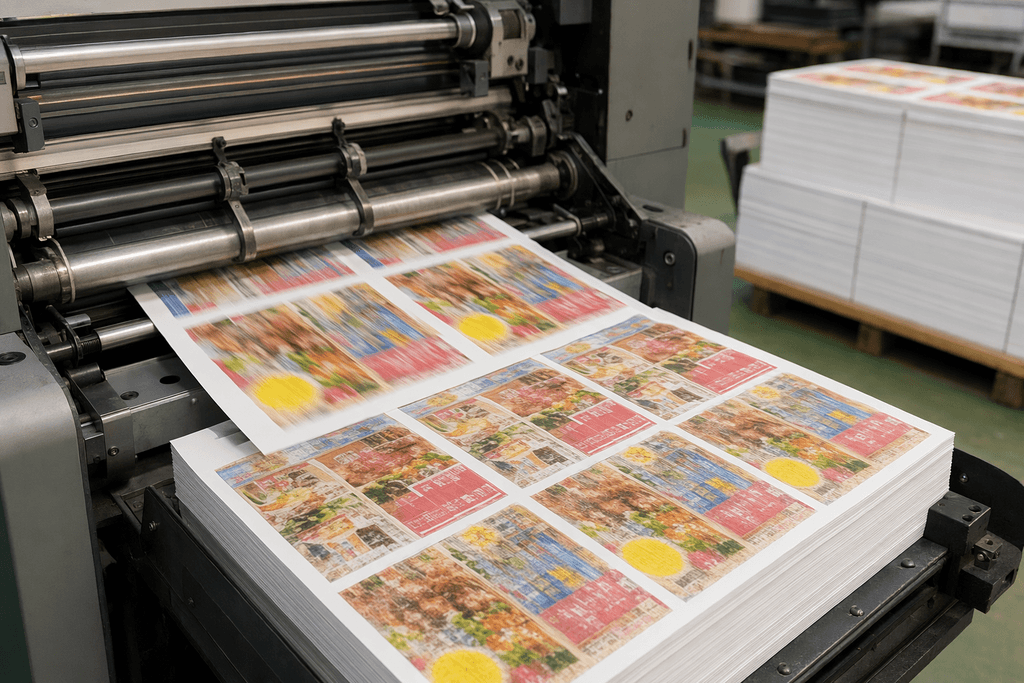
刷り
인쇄
刷り
인쇄
Explanation
刷り
인쇄
刷り
인쇄 / (서적의) 쇄, 인쇄 횟수
( Base form )
( romanization )
動力
동력
動力
동력
Explanation
動力
동력
動力
기계나 장치를 움직이게 하는 힘 / 전기에 의한 동력(전력) / 물리학에서의 에너지

( Base form )
( romanization )
( hiragana )
報ずる
보도하다
報ずる
보도하다
Explanation
報ずる
보도하다
報ずる
알리다 / 보고하다

Word Forms
The basic and commonly used forms of this verb.
Basic forms
| Form | Word form | Usage |
|---|---|---|
| Imperfective form (mizenkei) |
Alternative:
報ぜ
|
Connects to endings such as nai, reru, and seru. |
| Continuative form (renyokei) | Connects to endings such as masu, tai, and ta. | |
| Conclusive form (shushikei) | Ends a sentence and serves as the dictionary form. | |
| Attributive form (rentaikei) | Modifies a noun. | |
| Conditional form (kateikei) | Combines with ba to express a condition. | |
| Imperative form (meireikei) |
Alternative:
報じよ
報ぜよ
|
Expresses a command or instruction. |
Common forms
| Form | Word form | Usage |
|---|---|---|
| Te-form | Connects clauses with te. | |
| Ta-form | Expresses the past with ta. | |
| Nai-form |
Alternative:
報ぜない
|
Expresses negation with nai. |
| Masu-form | Used for polite speech. | |
| Ba-form | Expresses a condition with ba. | |
| Volitional form |
Alternative:
報ぜよう
|
Expresses intention or invitation. |
Notes
腕前
솜씨
腕前
솜씨
Explanation
腕前
솜씨
腕前
솜씨 / 기량 / 실력

( romanization )
( romanization )
( hiragana historical )
ふんだん
풍부하다
ふんだん
풍부하다
Explanation
풍부하다
ふんだん
풍부한 / 넉넉한 / 아낌없는
Word Forms
The basic and commonly used forms of this adjectival noun.
Basic forms
| Form | Word form | Usage |
|---|---|---|
| Imperfective form (mizenkei) | Used in forms such as darou. | |
| Continuative form (renyokei) |
Alternative:
ふんだんで
|
Used with de or ni. |
| Conclusive form (shushikei) | Ends a sentence with da. | |
| Attributive form (rentaikei) |
Alternative:
ふんだんである
|
Modifies a noun with na. |
| Conditional form (kateikei) |
Alternative:
ふんだんであれば
|
Expresses a condition with nara. |
| Imperative form (meireikei) | Used in formal expressions such as de are. |
Common forms
居住
거주
居住
거주
Explanation
居住
거주
居住
거주 / 주거

( Base form )
( romanization )
( hiragana )
おりもの
직물
おりもの
직물
Explanation
직물
おりもの
질 분비물 / 냉 / 대하

( romanization )
( hiragana historical )
無礼
무례하다
無礼
무례하다
Explanation
無礼
무례하다
無礼
무례한 / 예의 없는 / 실례되는

Word Forms
The basic and commonly used forms of this adjectival noun.
Basic forms
| Form | Word form | Usage |
|---|---|---|
| Imperfective form (mizenkei) | Used in forms such as darou. | |
| Continuative form (renyokei) |
Alternative:
無礼に
|
Used with de or ni. |
| Conclusive form (shushikei) | Ends a sentence with da. | |
| Attributive form (rentaikei) | Modifies a noun with na. | |
| Conditional form (kateikei) | Expresses a condition with nara. | |
| Imperative form (meireikei) | Used in formal expressions such as de are. |
Common forms
委託
위탁
委託
위탁
Explanation
委託
위탁
委託
위탁, 맡김, 의뢰 / 위탁판매의 준말 / 위탁참가의 준말

( Base form )
( romanization )
( hiragana )
Loading...

JLPT N1 多言語単語帳・3032語 / JLPT N1 Multilingual Vocabulary: 3032 Words

Jonathan Waller 氏の JLPT Resources の語彙リスト・レベル分類を出典とし、CC BY の条件に従って DiQt が学習者向けに意味を作り直した3032語の単語帳です。JLPT公式の語彙リストではありません。
This collection of 3032 words is based on the vocabulary list and level classifications in Jonathan Waller’s JLPT Resources under CC BY, with meanings rewritten by DiQt for learners. It is not an official JLPT vocabulary list.
Key Operations
Select the first quiz:
Ctrl + Enter
View Explanation:Ctrl + G
Close a feedback:Esc
When selecting a quiz
Answer:Enter
Select a choice:↓ or ↑
Reading out the question:Ctrl + K
View Hint: Ctrl + M
I don't know: Ctrl + Y



