
JLPT N2 වචන අර්ථ පුහුණුව - Unsolved

පිළිතුරු විකල්ප හතරක් ඇති ප්රශ්න මඟින් JLPT N2 වචන 1790ක අර්ථ සිංහලෙන් ඉගෙන ගන්න.
-
කැඩී බිඳී යනවා
-
තදින් විශ්වාස කරනවා
-
පල දරනවා / ඉදෙනවා
- 「喩える」は異表記。
-
ගුණ කිරීම
-
තුරඟ තරග
-
වැහි කබාය
-
ගඟේ උඩුගං යනවා / අතීතයට යනවා
-
එකට එකතු වෙනවා / තීරණයකට එනවා
-
පහළට බහිනවා
- 五段活用(ラ行)の動詞。
-
පදික ගමනාගමනය
-
පොත්පත්
-
නොසැලකිලිමත්කම
-
බඳිනවා / සීමා කරනවා
-
ඇතුළත් කරනවා
-
ඇවිදීම නතර කරනවා
- 五段活用(ラ行)の動詞です。
-
කඳවුර
-
සැබෑ හැකියාව / බලය
-
අඩු කිරීම / ඉතිරි ශේෂය
-
ගොඩනැගිල්ල
-
බාධාව
-
එක් එක් අය
-
ප්රශ්නෝත්තරය
-
ප්රදීපාගාරය
-
මනඃකල්පිතය
-
අත වියදම් මුදල්
-
බිම හිඳින කුෂන් එක
-
සීරුමාරුව
-
රාජ කුමරිය
-
ස්වාභාවික / සාමාන්ය
-
අගුළු ලා තබන කබඩය
例える
උපමා කරනවා
例える
උපමා කරනවා
Explanation
例える
උපමා කරනවා
例える
සම කිරීම / උපමා කර පැහැදිලි කිරීම / සමාන ලෙස සලකීම

Word Forms
The basic and commonly used forms of this verb.
Basic forms
| Form | Word form | Usage |
|---|---|---|
| Imperfective form (mizenkei) |
Alternative:
喩え
|
Connects to endings such as nai, reru, and seru. |
| Continuative form (renyokei) |
Alternative:
喩え
|
Connects to endings such as masu, tai, and ta. |
| Conclusive form (shushikei) |
Alternative:
喩える
|
Ends a sentence and serves as the dictionary form. |
| Attributive form (rentaikei) |
Alternative:
喩える
|
Modifies a noun. |
| Conditional form (kateikei) |
Alternative:
喩えれ
|
Combines with ba to express a condition. |
| Imperative form (meireikei) |
Alternative:
例えよ
喩えろ
喩えよ
|
Expresses a command or instruction. |
Common forms
| Form | Word form | Usage |
|---|---|---|
| Te-form |
Alternative:
喩えて
|
Connects clauses with te. |
| Ta-form |
Alternative:
喩えた
|
Expresses the past with ta. |
| Nai-form |
Alternative:
喩えない
|
Expresses negation with nai. |
| Masu-form |
Alternative:
喩えます
|
Used for polite speech. |
| Ba-form |
Alternative:
喩えれば
|
Expresses a condition with ba. |
| Volitional form |
Alternative:
喩えよう
|
Expresses intention or invitation. |
Notes
木材
දැව
木材
දැව
Explanation
木材
දැව
木材
දැව (ගොඩනැගිලි/සකස් කිරීම සඳහා භාවිතා කරන) / ලී ද්රව්යය / ඉදිකිරීම් දැව

( Base form )
( romanization )
( hiragana )
茂る
සරුවට වැවෙනවා
茂る
සරුවට වැවෙනවා
Explanation
茂る
සරුවට වැවෙනවා
茂る
ඝනව වැඩෙන්න / මුල්යව/සාරවත් ලෙස පැළවෙන්න / වෘක්ෂලතා බහුලව පිරී සිටින්න

Word Forms
The basic and commonly used forms of this verb.
Basic forms
| Form | Word form | Usage |
|---|---|---|
| Imperfective form (mizenkei) |
Alternative:
茂ろ
|
Connects to endings such as nai, reru, and seru. |
| Continuative form (renyokei) | Connects to endings such as masu, tai, and ta. | |
| Conclusive form (shushikei) | Ends a sentence and serves as the dictionary form. | |
| Attributive form (rentaikei) | Modifies a noun. | |
| Conditional form (kateikei) | Combines with ba to express a condition. | |
| Imperative form (meireikei) | Expresses a command or instruction. |
Common forms
| Form | Word form | Usage |
|---|---|---|
| Te-form | Connects clauses with te. | |
| Ta-form | Expresses the past with ta. | |
| Nai-form | Expresses negation with nai. | |
| Masu-form | Used for polite speech. | |
| Ba-form | Expresses a condition with ba. | |
| Volitional form | Expresses intention or invitation. |
Notes
句読点
විරාම ලකුණු
句読点
විරාම ලකුණු
Explanation
句読点
විරාම ලකුණු
句読点
විරාම ලකුණු / විරාම හා කොමාව ඇතුළු ලකුණු / වචන විරාම/වාක්ය විරාම ලකුණු

( Base form )
( romanization )
( kyūjitai )
( hiragana )
張り切る
උනන්දුවෙන් සිටිනවා
張り切る
උනන්දුවෙන් සිටිනවා
Explanation
張り切る
උනන්දුවෙන් සිටිනවා
張り切る
උද්යෝගයෙන්/උනන්දුවෙන් කටයුතු කරනවා / උත්සාහයෙන් දැඩිව ක්රියා කරනවා / (තන්තුවක් ආදිය) තදට ඇදිලා තියෙනවා

Word Forms
The basic and commonly used forms of this verb.
Basic forms
| Form | Word form | Usage |
|---|---|---|
| Imperfective form (mizenkei) |
Alternative:
張り切ろ
|
Connects to endings such as nai, reru, and seru. |
| Continuative form (renyokei) | Connects to endings such as masu, tai, and ta. | |
| Conclusive form (shushikei) | Ends a sentence and serves as the dictionary form. | |
| Attributive form (rentaikei) | Modifies a noun. | |
| Conditional form (kateikei) | Combines with ba to express a condition. | |
| Imperative form (meireikei) | Expresses a command or instruction. |
Common forms
| Form | Word form | Usage |
|---|---|---|
| Te-form | Connects clauses with te. | |
| Ta-form | Expresses the past with ta. | |
| Nai-form | Expresses negation with nai. | |
| Masu-form | Used for polite speech. | |
| Ba-form | Expresses a condition with ba. | |
| Volitional form | Expresses intention or invitation. |
Notes
サンプル
නියැදිය
サンプル
නියැදිය
Explanation
නියැදිය
サンプル
නියැදිය / දර්ශන නියැදිය / පරීක්ෂණ සඳහා දෙන නියැදි භාණ්ඩය

( Base form )
( romanization )
( stem )
( Past )
( table-tags )
( inflection-template )
( imperfective stem )
( imperfective stem )
( continuative stem )
( continuative stem )
( stem terminative )
( stem terminative )
( attributive stem )
( attributive stem )
( hypothetical stem )
( hypothetical stem )
( Imperative literary stem )
( colloquial Imperative stem )
( Imperative literary stem )
( colloquial Imperative stem )
( Passive voice )
( Passive voice )
( causative )
( causative )
( causative )
( causative )
( potential )
( potential )
( volitional )
( volitional )
( negative )
( negative )
( continuative negative )
( continuative negative )
( formal )
( formal )
( perfective )
( perfective )
( conjunctive )
( conjunctive )
( Conditional hypothetical )
( Conditional hypothetical )
ぼろ
වැරහැලි / සැඟවූ අඩුපාඩු
ぼろ
වැරහැලි / සැඟවූ අඩුපාඩු
Explanation
වැරහැලි / සැඟවූ අඩුපාඩු
ぼろ
කැඩී-බිදී ගිය රෙදි කැබැල්ල (බොරු රෙදි) / පැරණි/අඳුරු වූ ඇඳුම් (කැඩීගිය ඇඳුම්) / දෝෂය; අඩුපාඩුව; දුර්වල ලක්ෂණය

( Base form )
( Base form )
( romanization )
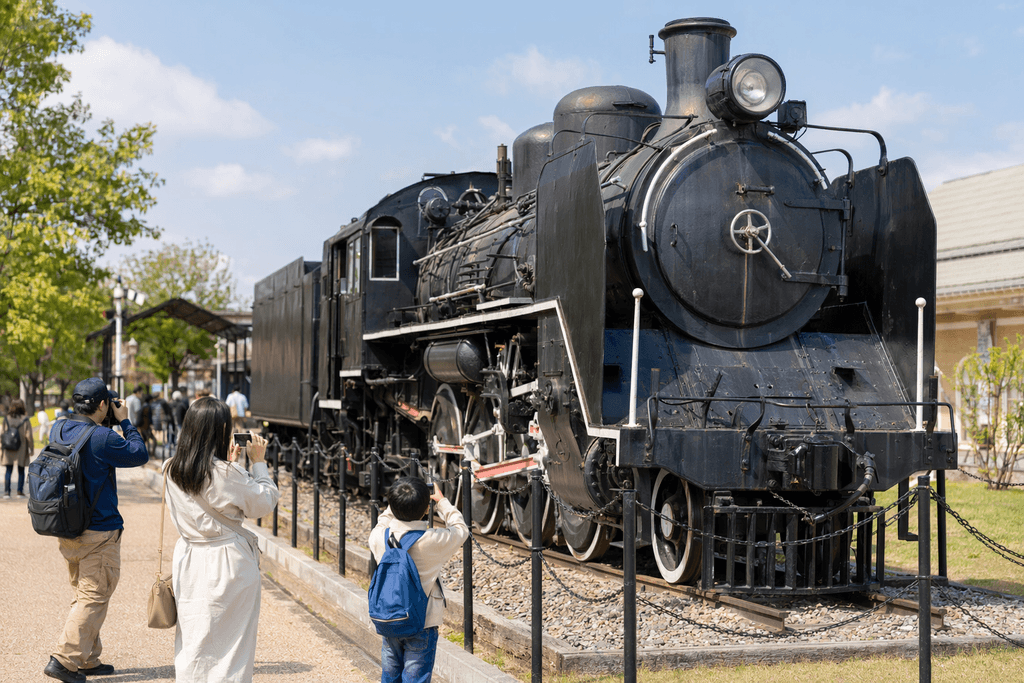
機関車
දුම්රිය එන්ජිම
機関車
දුම්රිය එන්ජිම
Explanation
機関車
දුම්රිය එන්ජිම
機関車
එන්ජිම (දුම්රිය) / දුම්රිය එන්ජිම / ලොකොමොටිව්
( Base form )
( romanization )
( romanization )
( hiragana historical )
( hiragana )
ビタミン
විටමින්
ビタミン
විටමින්
Explanation
විටමින්
ビタミン
විටමින් / ශරීර වර්ධනය හා සෞඛ්යයට අවශ්ය ජීව-පෝෂක ද්රව්ය / අවශ්ය ක්ෂුද්ර පෝෂක

( romanization )
和英
ජපන්-ඉංග්රීසි
和英
ජපන්-ඉංග්රීසි
Explanation
和英
ජපන්-ඉංග්රීසි
和英
ජපන්–ඉංග්රීසි (භාෂා යුගලය) / ජපන් සිට ඉංග්රීසි වෙත (පරිවර්තනය/ශබ්දකෝෂය)

( Base form )
( romanization )
( hiragana )
Loading...

JLPT N2 多言語単語帳・1790語 / JLPT N2 Multilingual Vocabulary: 1790 Words

Jonathan Waller 氏の JLPT Resources の語彙リスト・レベル分類を出典とし、CC BY の条件に従って DiQt が学習者向けに意味を作り直した1790語の単語帳です。JLPT公式の語彙リストではありません。
This collection of 1790 words is based on the vocabulary list and level classifications in Jonathan Waller’s JLPT Resources under CC BY, with meanings rewritten by DiQt for learners. It is not an official JLPT vocabulary list.
Key Operations
Select the first quiz:
Ctrl + Enter
View Explanation:Ctrl + G
Close a feedback:Esc
When selecting a quiz
Answer:Enter
Select a choice:↓ or ↑
Reading out the question:Ctrl + K
View Hint: Ctrl + M
I don't know: Ctrl + Y



