
JLPT N2 වචන අර්ථ පුහුණුව - Unsolved

පිළිතුරු විකල්ප හතරක් ඇති ප්රශ්න මඟින් JLPT N2 වචන 1790ක අර්ථ සිංහලෙන් ඉගෙන ගන්න.
-
කඩය
-
මැද / අතරමැදි කාලය
-
ඉලක්කය
-
අභ්යන්තර දුරකථන අංකය
-
දිශා ඊතලය
-
අක්ෂර කලාව සඳහා තීන්ත
-
කඩා වදිනවා / තල්ලු කර ඇතුළු කරනවා
-
පොතක් ලියනවා
-
බඩගා යනවා
-
හැලෙනවා
-
තැම්බී පිසෙනවා
-
නිම වෙනවා
- 「漬ける」とも表記する。
-
දරුණු / රළු
-
ඝෝෂාකාරී / නොසන්සුන්
-
නිහඬ / කීකරු
-
මෘදුව / නිහඬව
-
අවසානයේ / යන්තමින්
-
නොසැලකිලිමත්ව / අධික ලෙස
-
ප්රාදේශීය විශේෂ නිෂ්පාදනය
-
කන්ජි සංයුක්ත පදය / ව්යවහාර ප්රකාශය
-
වැහි කබාය
-
යළි පණ ලබනවා
-
වැඩී එනවා
-
කෑගසනවා
- 表記: 炙る・焙る
-
සසඳන විට
-
අලුතින් / විධිමත් ලෙස
-
මෘදුව / නිහඬව
-
හැකිළෙනවා
-
නමස්කාර කරනවා / ආයාචනා කරනවා
-
එකතු කර තබනවා
一休み
කෙටි විවේකය
一休み
කෙටි විවේකය
Explanation
一休み
කෙටි විවේකය
一休み
කෙටි විරාමයක් / සුළු විවේකයක් / විවේකය / විරාමය

枕
කොට්ටය
枕
කොට්ටය
Explanation
枕
කොට්ටය
枕
කොට්ටය / හිස තැබීම සඳහා ඇති කොට්ටය / නිදාගැනීමේ කොට්ටය

( romanization )
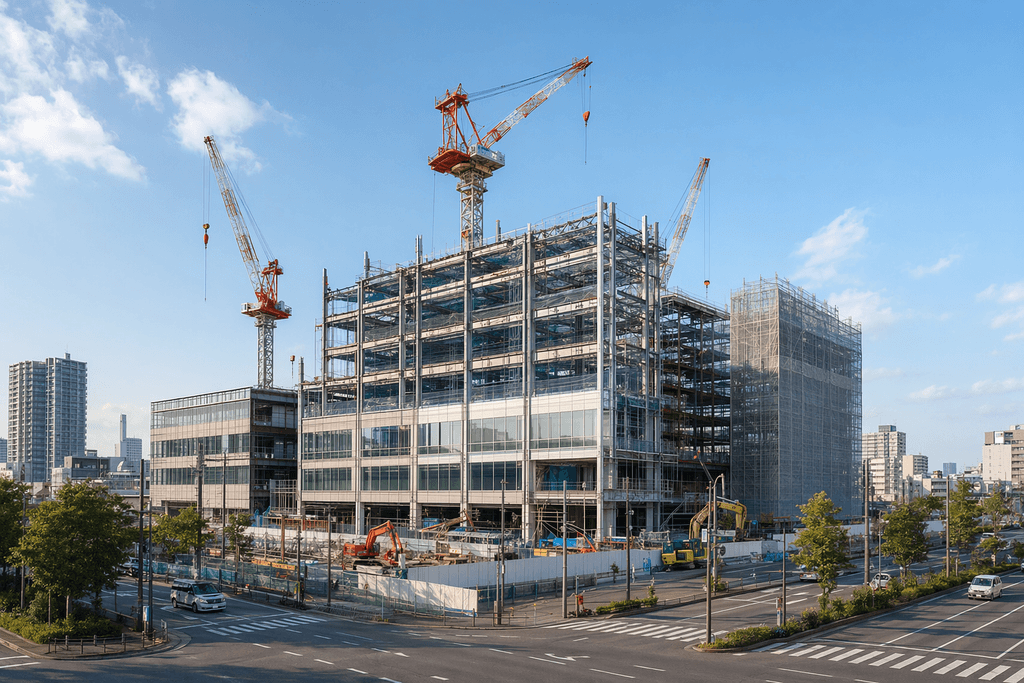
建つ
ඉදි වෙනවා
建つ
ඉදි වෙනවා
Explanation
建つ
ඉදි වෙනවා
建つ
(ගොඩනැගිල්ලක්/සංරචනයක්) ඉදිකරනු ලැබීම / (ගොඩනැගිල්ලක්) නැගී සිටීම/නැඟීම / ඉදිවීම
Word Forms
The basic and commonly used forms of this verb.
Basic forms
| Form | Word form | Usage |
|---|---|---|
| Imperfective form (mizenkei) | Connects to endings such as nai, reru, and seru. | |
| Continuative form (renyokei) | Connects to endings such as masu, tai, and ta. | |
| Conclusive form (shushikei) | Ends a sentence and serves as the dictionary form. | |
| Attributive form (rentaikei) | Modifies a noun. | |
| Conditional form (kateikei) | Combines with ba to express a condition. | |
| Imperative form (meireikei) | Expresses a command or instruction. |
Common forms
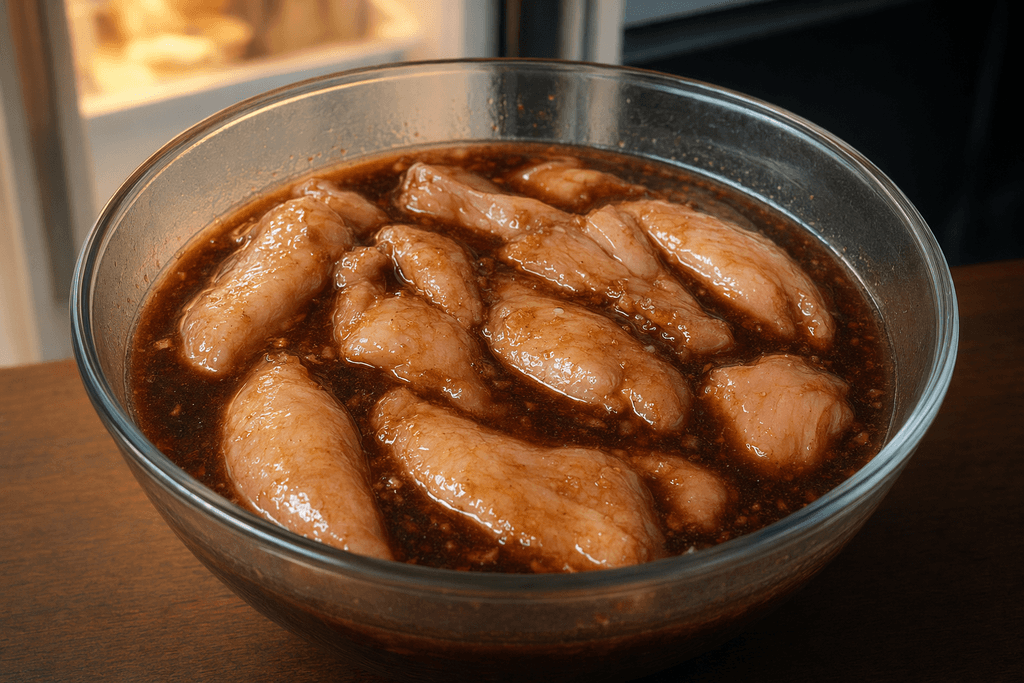
浸ける
පොඟවා තබනවා / ගිල්වනවා
浸ける
පොඟවා තබනවා / ගිල්වනවා
Explanation
浸ける
පොඟවා තබනවා / ගිල්වනවා
浸ける
දියට හෝ සෝස්ට මද වේලාවක් දමා තබා පොඟවීම / ඇතුළට මැදීම (දියෙහි දමා)
Word Forms
The basic and commonly used forms of this verb.
Basic forms
| Form | Word form | Usage |
|---|---|---|
| Imperfective form (mizenkei) |
Alternative:
漬け
つけ
|
Connects to endings such as nai, reru, and seru. |
| Continuative form (renyokei) |
Alternative:
漬け
つけ
|
Connects to endings such as masu, tai, and ta. |
| Conclusive form (shushikei) |
Alternative:
漬ける
つける
|
Ends a sentence and serves as the dictionary form. |
| Attributive form (rentaikei) |
Alternative:
漬ける
つける
|
Modifies a noun. |
| Conditional form (kateikei) |
Alternative:
漬けれ
つけれ
|
Combines with ba to express a condition. |
| Imperative form (meireikei) |
Alternative:
浸けよ
漬けろ
漬けよ
つけろ
つけよ
|
Expresses a command or instruction. |
Common forms
| Form | Word form | Usage |
|---|---|---|
| Te-form |
Alternative:
漬けて
つけて
|
Connects clauses with te. |
| Ta-form |
Alternative:
漬けた
つけた
|
Expresses the past with ta. |
| Nai-form |
Alternative:
漬けない
つけない
|
Expresses negation with nai. |
| Masu-form |
Alternative:
漬けます
つけます
|
Used for polite speech. |
| Ba-form |
Alternative:
漬ければ
つければ
|
Expresses a condition with ba. |
| Volitional form |
Alternative:
漬けよう
つけよう
|
Expresses intention or invitation. |
Notes
そそっかしい
නොසැලකිලිමත්
そそっかしい
නොසැලකිලිමත්
Explanation
නොසැලකිලිමත්
そそっかしい
අවධානයෙන් නොසිතින / අසාවධාන හා අකල්පනාකාරී / තදින් නොසිතා කරන

Word Forms
The basic and commonly used forms of this adjective.
Basic forms
| Form | Word form | Usage |
|---|---|---|
| Imperfective form (mizenkei) | Used in forms such as karou; mainly literary. | |
| Continuative form (renyokei) |
Alternative:
そそっかしかっ
|
Used in forms such as kute and kunai. |
| Conclusive form (shushikei) | Ends a sentence. | |
| Attributive form (rentaikei) | Modifies a noun. | |
| Conditional form (kateikei) | Expresses a condition with kereba. | |
| Imperative form (meireikei) | Rarely used in modern Japanese. |
Common forms
とっくに
බොහෝ කලකට පෙර සිට
とっくに
බොහෝ කලකට පෙර සිට
Explanation
බොහෝ කලකට පෙර සිට
とっくに
දැනටමත් / බොහෝ කලකට පෙර / කාලයක් තිස්සේම

( romanization )
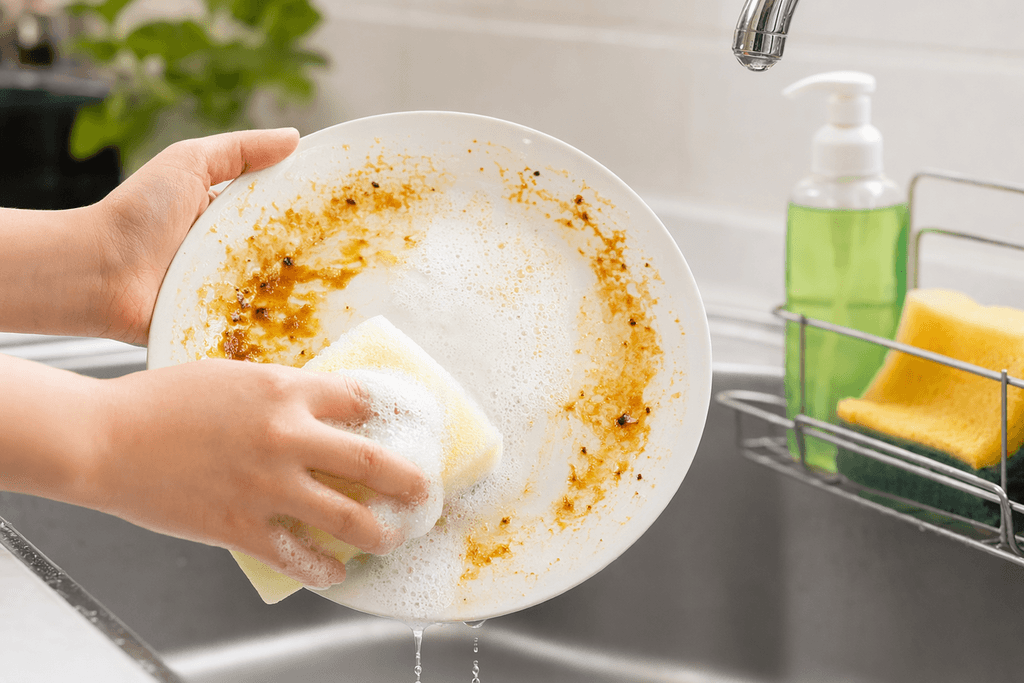
洗剤
සේදුම් කාරකය
洗剤
සේදුම් කාරකය
Explanation
洗剤
සේදුම් කාරකය
洗剤
ඩිටර්ජන්ට් / සබන් කුඩු / පිරිසිදු කිරීමේ ද්රව්ය
( Base form )
( romanization )
( kyūjitai )
( hiragana )
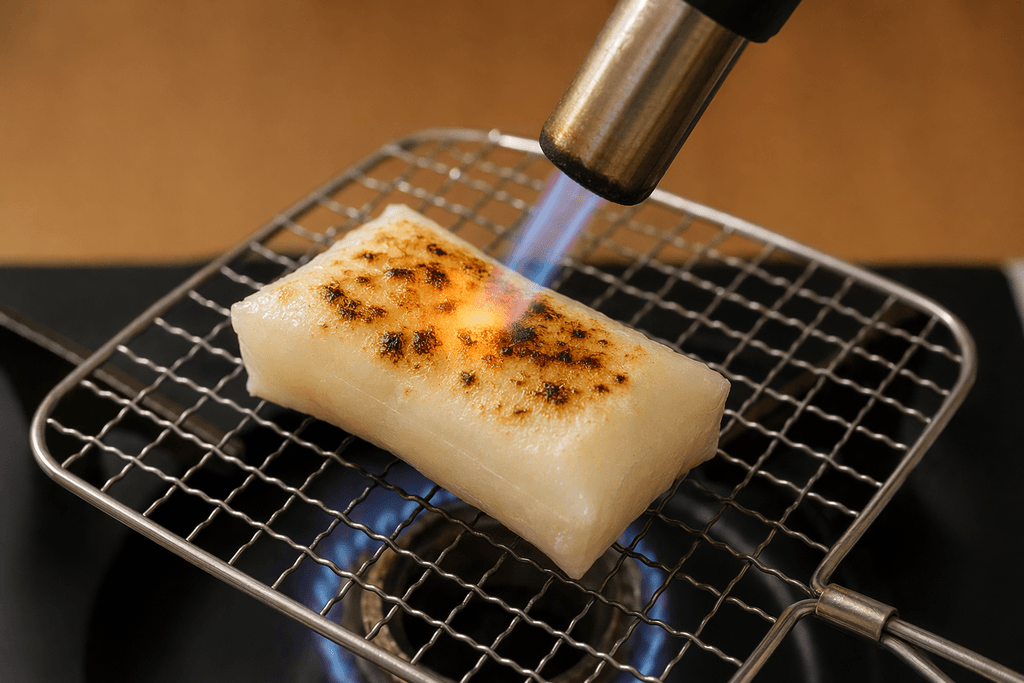
あぶる
ගින්නේ රත් කරනවා
あぶる
ගින්නේ රත් කරනවා
Explanation
ගින්නේ රත් කරනවා
あぶる
දැල්ලට ළඟ කර සුළු ලෙස දහනය කිරීම / ග්රිල් කර පිළිස්සීම / ටෝස්ට් කර රතු පාටට කරවීම
Word Forms
The basic and commonly used forms of this verb.
Basic forms
| Form | Word form | Usage |
|---|---|---|
| Imperfective form (mizenkei) |
Alternative:
あぶろ
|
Connects to endings such as nai, reru, and seru. |
| Continuative form (renyokei) | Connects to endings such as masu, tai, and ta. | |
| Conclusive form (shushikei) | Ends a sentence and serves as the dictionary form. | |
| Attributive form (rentaikei) | Modifies a noun. | |
| Conditional form (kateikei) | Combines with ba to express a condition. | |
| Imperative form (meireikei) | Expresses a command or instruction. |
Common forms
| Form | Word form | Usage |
|---|---|---|
| Te-form | Connects clauses with te. | |
| Ta-form | Expresses the past with ta. | |
| Nai-form | Expresses negation with nai. | |
| Masu-form | Used for polite speech. | |
| Ba-form | Expresses a condition with ba. | |
| Volitional form | Expresses intention or invitation. |
Notes
どうせ
කොහොමත්
どうせ
කොහොමත්
Explanation
කොහොමත්
どうせ
ඕනෑම විදිහකට (අවසානයේදී) / කෙසේ වෙතත්; කොහොමත් / එහෙමත් නැත්නම්; කෙසේ හෝ

( romanization )
繋がる
සම්බන්ධ වී තිබෙනවා
繋がる
සම්බන්ධ වී තිබෙනවා
Explanation
繋がる
සම්බන්ධ වී තිබෙනවා
繋がる
සම්බන්ධ වීම / එකතු වීම/ඇලීම / නෑදෑකමෙන් බැඳීම

Word Forms
The basic and commonly used forms of this verb.
Basic forms
| Form | Word form | Usage |
|---|---|---|
| Imperfective form (mizenkei) | Connects to endings such as nai, reru, and seru. | |
| Continuative form (renyokei) | Connects to endings such as masu, tai, and ta. | |
| Conclusive form (shushikei) | Ends a sentence and serves as the dictionary form. | |
| Attributive form (rentaikei) | Modifies a noun. | |
| Conditional form (kateikei) | Combines with ba to express a condition. | |
| Imperative form (meireikei) | Expresses a command or instruction. |
Common forms
Loading...

JLPT N2 多言語単語帳・1790語 / JLPT N2 Multilingual Vocabulary: 1790 Words

Jonathan Waller 氏の JLPT Resources の語彙リスト・レベル分類を出典とし、CC BY の条件に従って DiQt が学習者向けに意味を作り直した1790語の単語帳です。JLPT公式の語彙リストではありません。
This collection of 1790 words is based on the vocabulary list and level classifications in Jonathan Waller’s JLPT Resources under CC BY, with meanings rewritten by DiQt for learners. It is not an official JLPT vocabulary list.
Key Operations
Select the first quiz:
Ctrl + Enter
View Explanation:Ctrl + G
Close a feedback:Esc
When selecting a quiz
Answer:Enter
Select a choice:↓ or ↑
Reading out the question:Ctrl + K
View Hint: Ctrl + M
I don't know: Ctrl + Y



