
JLPT N2 වචන අර්ථ පුහුණුව - Unsolved

පිළිතුරු විකල්ප හතරක් ඇති ප්රශ්න මඟින් JLPT N2 වචන 1790ක අර්ථ සිංහලෙන් ඉගෙන ගන්න.
-
දල්වනවා / ගිනි දල්වනවා
-
රැවුල කපනවා
-
පණිවිඩයක් යවනවා
- 「盛る(もる)」はラ行五段活用。
-
අහංකාර
-
සුදුම සුදු
-
පිරිසිදු
-
අතර හිර වෙනවා
-
ඊළඟට පැමිණෙනවා
-
අලවනවා
-
ගබඩා කාමරය
-
තේමාව
-
කතාබහ කරමින් / දුරකථන මාර්ගය කාර්යබහුල
-
ආකාරය / ආකෘතිය
-
අක්ෂර කලාව සඳහා තීන්ත
-
කවරය
-
මට්ටම
-
අදහස
-
හයිකු කවිය
-
අවසානය දක්වා / හුදෙක්
-
නොනවත්වා
-
කොහෙත්ම නැත / අතිශයින්
-
සම්මන්ත්රණ පන්තිය
-
නාම පත්රය
-
වාහනයට නැගීම
-
සත්ත්ව මේදය
-
දෙගුණය
-
නාම පුවරුව
-
වාචික පරිවර්තනය
-
ජවය
-
ශක්තිමත් කිරීම
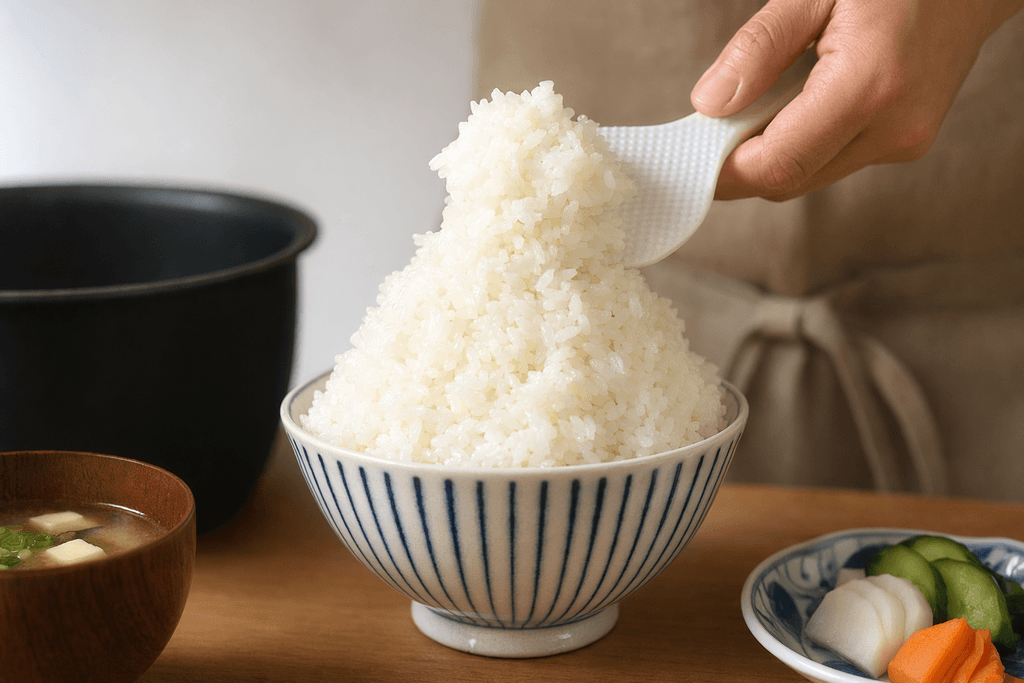
盛る
කෑම බෙදනවා / ගොඩ ගසනවා
盛る
කෑම බෙදනවා / ගොඩ ගසනවා
Explanation
盛る
කෑම බෙදනවා / ගොඩ ගසනවා
盛る
ගොඩක් කර ගොඩගැසීම/එකතු කර වඩනය කිරීම / ඇත්තට වඩා වැඩි කර කියීම (අතිශයෝක්ති කිරීම) / කන්ටේනරයකට පිරවීම හෝ බෙහෙත්/විෂ දීම
Word Forms
The basic and commonly used forms of this verb.
Basic forms
| Form | Word form | Usage |
|---|---|---|
| Imperfective form (mizenkei) |
Alternative:
盛ろ
|
Connects to endings such as nai, reru, and seru. |
| Continuative form (renyokei) | Connects to endings such as masu, tai, and ta. | |
| Conclusive form (shushikei) | Ends a sentence and serves as the dictionary form. | |
| Attributive form (rentaikei) | Modifies a noun. | |
| Conditional form (kateikei) | Combines with ba to express a condition. | |
| Imperative form (meireikei) | Expresses a command or instruction. |
Common forms
| Form | Word form | Usage |
|---|---|---|
| Te-form | Connects clauses with te. | |
| Ta-form | Expresses the past with ta. | |
| Nai-form | Expresses negation with nai. | |
| Masu-form | Used for polite speech. | |
| Ba-form | Expresses a condition with ba. | |
| Volitional form | Expresses intention or invitation. |
Notes
物騒
අනාරක්ෂිත
物騒
අනාරක්ෂිත
Explanation
物騒
අනාරක්ෂිත
物騒
අනාරක්ෂිත / අස්ථිර/කළඹැලි (තත්වය) / අපදාදායක/භයානක

Word Forms
The basic and commonly used forms of this adjectival noun.
Basic forms
| Form | Word form | Usage |
|---|---|---|
| Imperfective form (mizenkei) | Used in forms such as darou. | |
| Continuative form (renyokei) |
Alternative:
物騒に
物騒だっ
|
Used with de or ni. |
| Conclusive form (shushikei) | Ends a sentence with da. | |
| Attributive form (rentaikei) | Modifies a noun with na. | |
| Conditional form (kateikei) | Expresses a condition with nara. | |
| Imperative form (meireikei) | Used in formal expressions such as de are. |
Common forms
被せる
උඩින් වසනවා
被せる
උඩින් වසනවා
Explanation
被せる
උඩින් වසනවා
被せる
ආවරණය කර තැබීම; මත දමීම/පැළඳවීම / (වර්ණය/ශබ්දය ආදියට) එකතු කර යෙදීම / චෝදනා කිරීම; වගකීම පවරා දමීම

Word Forms
The basic and commonly used forms of this verb.
Basic forms
| Form | Word form | Usage |
|---|---|---|
| Imperfective form (mizenkei) | Connects to endings such as nai, reru, and seru. | |
| Continuative form (renyokei) | Connects to endings such as masu, tai, and ta. | |
| Conclusive form (shushikei) | Ends a sentence and serves as the dictionary form. | |
| Attributive form (rentaikei) | Modifies a noun. | |
| Conditional form (kateikei) | Combines with ba to express a condition. | |
| Imperative form (meireikei) |
Alternative:
被せよ
|
Expresses a command or instruction. |
Common forms
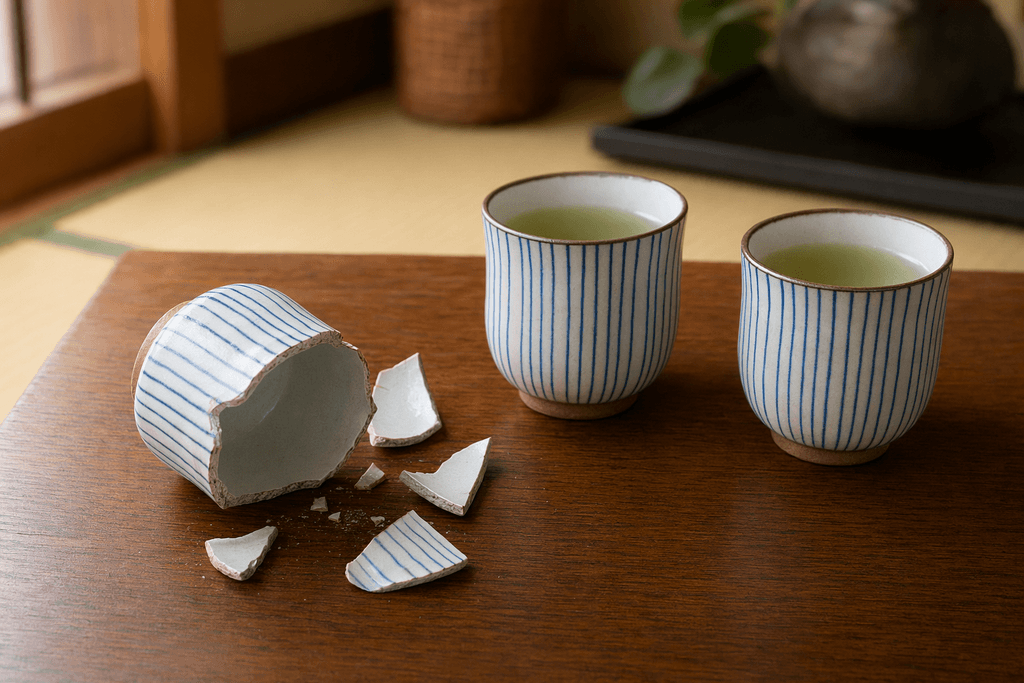
湯呑み
තේ කෝප්පය
湯呑み
තේ කෝප්පය
Explanation
湯呑み
තේ කෝප්පය
湯呑み
තේ කෝප්පය / තේ බීම සඳහා භාවිත කුඩා කෝප්පය
( Base form )
( romanization )
裏口
පසුපස දොරටුව
裏口
පසුපස දොරටුව
Explanation
裏口
පසුපස දොරටුව
裏口
පසු දොර / පසුපස දොරටුව / සඟවා ඇති දොරටුව

( Base form )
( romanization )
( hiragana )
正味
ශුද්ධ බර / සැබෑ ප්රමාණය
正味
ශුද්ධ බර / සැබෑ ප්රමාණය
Explanation
正味
ශුද්ධ බර / සැබෑ ප්රමාණය
正味
ශුද්ධ බර / ශුද්ධ වටිනාකම/ශුද්ධ මිල / නියම ප්රමාණය (අතිරේක නැති)

( Base form )
( romanization )
( hiragana )
一応
දැනට / කෝකටත්
一応
දැනට / කෝකටත්
Explanation
一応
දැනට / කෝකටත්
一応
ඔසුවට/එක වතාවක් පරීක්ෂා කර බලන්න (ආරක්ෂාවට) / තාවකාලිකව; දැනට / මුළුල්ලෙන්; බොහෝ දුරට

( Base form )
( romanization )
( kyūjitai )
( hiragana )
上旬
මාසයේ මුල් දින දහය
上旬
මාසයේ මුල් දින දහය
Explanation
上旬
මාසයේ මුල් දින දහය
上旬
මාසයේ මුල් දින දහය / මාසයේ ආරම්භක දින 10

( Base form )
( romanization )
( hiragana )
あくび
ඈනුම
あくび
ඈනුම
Explanation
ඈනුම
あくび
ඇඹරීම (ඇඹරිය) / ඇඹරීමේ ක්රියාව

( romanization )
白髪
සුදු කෙස්
白髪
සුදු කෙස්
Explanation
白髪
සුදු කෙස්
白髪
සුදු/අළු කෙස් / සුදු කෙස් ඇති වීම

( Base form )
( romanization )
( kyūjitai )
( hiragana )
Loading...

JLPT N2 多言語単語帳・1790語 / JLPT N2 Multilingual Vocabulary: 1790 Words

Jonathan Waller 氏の JLPT Resources の語彙リスト・レベル分類を出典とし、CC BY の条件に従って DiQt が学習者向けに意味を作り直した1790語の単語帳です。JLPT公式の語彙リストではありません。
This collection of 1790 words is based on the vocabulary list and level classifications in Jonathan Waller’s JLPT Resources under CC BY, with meanings rewritten by DiQt for learners. It is not an official JLPT vocabulary list.
Key Operations
Select the first quiz:
Ctrl + Enter
View Explanation:Ctrl + G
Close a feedback:Esc
When selecting a quiz
Answer:Enter
Select a choice:↓ or ↑
Reading out the question:Ctrl + K
View Hint: Ctrl + M
I don't know: Ctrl + Y



