
JLPT N2 වචන අර්ථ පුහුණුව - Unsolved

පිළිතුරු විකල්ප හතරක් ඇති ප්රශ්න මඟින් JLPT N2 වචන 1790ක අර්ථ සිංහලෙන් ඉගෙන ගන්න.
-
ගිනිකන්ද
-
සම්බන්ධය
-
කාර්යබහුල වේලාව
-
උත්සව චාරිත්රය
-
සමාගමකට රැකියාවට බැඳීම
-
භූ විද්යාත්මක ලක්ෂණ
-
මූලික සිද්ධාන්තය
-
බදු අය කිරීම
-
ගෞරවාන්විත භාෂාව
-
වැළැක්විය නොහැකි
-
කරුණාකර රැඳී සිටින්න
-
මම ගිහින් එන්නම්
-
දේශපාලන පක්ෂය
-
පළාත් පාලන කාර්යාලය
-
වැඩිවීම හා අඩුවීම
-
අස්ථානගත වූ දේ
-
සංඛ්යාලේඛන
-
කාර්යක්ෂමතාව
-
බාල්දිය
-
අඩු කිරීම / ඉතිරි ශේෂය
-
රජයේ නිවාඩුව / උත්සව දිනය
-
කොටස්වලට බෙදනවා
-
සිසිල් වෙනවා / මැකී යනවා
-
විහිදුවනවා / පුළුල් කරනවා
-
අතර තද කර තබනවා / ඇතුළු කරනවා
-
ලාභ ලැබෙනවා
-
කර වෙනවා
- 「ねじる」は一般に五段活用(ラ行)として活用する。
- 表記には「捩じる」「捩る」「捻じる」「捻る」などがある。
-
සවස් හිරු
-
ආචාර විධි
-
සාප්පුව
イコール
සමානත්වය / සමාන ලකුණ
イコール
සමානත්වය / සමාන ලකුණ
Explanation
සමානත්වය / සමාන ලකුණ
イコール
සමාන ලකුණ (=) / ඉකුවල් (සමාන බව)

( romanization )
王女
රාජ කුමරිය
王女
රාජ කුමරිය
Explanation
王女
රාජ කුමරිය
王女
රාජ කුමරිය / රජුගේ දියණිය

( Base form )
( romanization )
( romanization )
( hiragana historical )
( hiragana )
不通
සේවා ඇනහිටීම
不通
සේවා ඇනහිටීම
Explanation
不通
සේවා ඇනහිටීම
不通
බාධාව / නවතිම / අත්හිටුවීම

( Base form )
( romanization )
( hiragana )
お待たせしました
බලා සිටීමට සැලැස්වූවාට සමාවෙන්න
お待たせしました
බලා සිටීමට සැලැස්වූවාට සමාවෙන්න
Explanation
お待たせしました
බලා සිටීමට සැලැස්වූවාට සමාවෙන්න
お待たせしました
කාලය ගන්නාට සමාවෙන්න / බලා සිටීමට සිදු කළාට සමාවෙන්න / බලා සිටියට ස්තුතියි
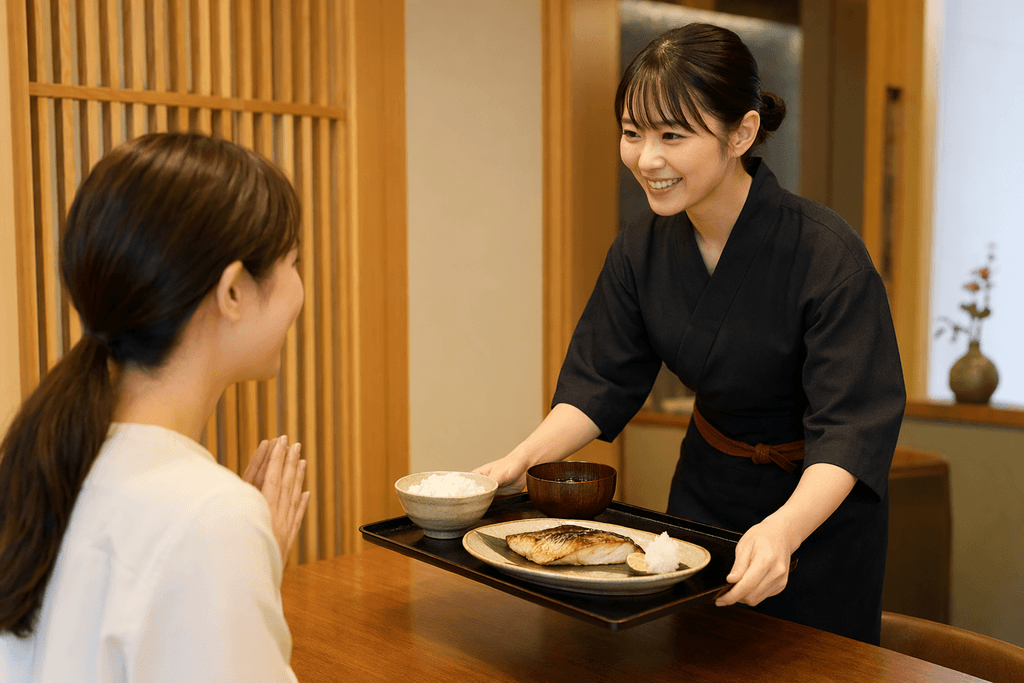
感想
හැඟීම
感想
හැඟීම
Explanation
感想
හැඟීම
感想
හැඟීම / සිතුවිලි

( Base form )
( romanization )
( romanization )
( hiragana historical )
( hiragana )
タイア
ටයරය
タイア
ටයරය
Explanation
ටයරය
タイア
ටයරය (වාහන රෝදයෙහි රබර් වළල්ල)

( romanization )
抽象
වියුක්තභාවය
抽象
වියුක්තභාවය
Explanation
抽象
වියුක්තභාවය
抽象
අභාවිකරණය / සාරාංශභාවය / අභාවිකත්වය

( Base form )
( romanization )
( stem )
( Past )
( table-tags )
( inflection-template )
( imperfective stem )
( imperfective stem )
( imperfective )
( continuative stem )
( continuative stem )
( continuative )
( stem terminative )
( stem terminative )
( terminative )
( attributive stem )
( attributive stem )
( attributive )
( hypothetical stem )
( hypothetical stem )
( hypothetical )
( Imperative literary stem )
( colloquial Imperative stem )
( Imperative literary stem )
( colloquial Imperative stem )
( Imperative literary )
( colloquial Imperative )
( Passive voice )
( Passive voice )
( Passive voice )
( causative )
( causative )
( causative )
( causative )
( causative )
( causative )
( potential )
( potential )
( potential )
( volitional )
( volitional )
( volitional )
( negative )
( negative )
( negative )
( continuative negative )
( continuative negative )
( continuative negative )
( formal )
( formal )
( formal )
( perfective )
( perfective )
( perfective )
( conjunctive )
( conjunctive )
( conjunctive )
( Conditional hypothetical )
( Conditional hypothetical )
( Conditional hypothetical )
やっつける
පරදවනවා / ඉවර කරනවා
やっつける
පරදවනවා / ඉවර කරනවා
Explanation
පරදවනවා / ඉවර කරනවා
やっつける
පරාජය කරනවා / හමුදාපහර දෙනවා / දැඩි ලෙස විවේචනය කරනවා

Word Forms
The basic and commonly used forms of this verb.
Basic forms
| Form | Word form | Usage |
|---|---|---|
| Imperfective form (mizenkei) |
Alternative:
やっ付け
|
Connects to endings such as nai, reru, and seru. |
| Continuative form (renyokei) |
Alternative:
やっ付け
|
Connects to endings such as masu, tai, and ta. |
| Conclusive form (shushikei) |
Alternative:
やっ付ける
|
Ends a sentence and serves as the dictionary form. |
| Attributive form (rentaikei) |
Alternative:
やっ付ける
|
Modifies a noun. |
| Conditional form (kateikei) |
Alternative:
やっ付けれ
|
Combines with ba to express a condition. |
| Imperative form (meireikei) |
Alternative:
やっつけよ
やっ付けろ
やっ付けよ
|
Expresses a command or instruction. |
Common forms
| Form | Word form | Usage |
|---|---|---|
| Te-form |
Alternative:
やっ付けて
|
Connects clauses with te. |
| Ta-form |
Alternative:
やっ付けた
|
Expresses the past with ta. |
| Nai-form |
Alternative:
やっ付けない
|
Expresses negation with nai. |
| Masu-form |
Alternative:
やっ付けます
|
Used for polite speech. |
| Ba-form |
Alternative:
やっ付ければ
|
Expresses a condition with ba. |
| Volitional form |
Alternative:
やっ付けよう
|
Expresses intention or invitation. |
ねじる
අඹරනවා
ねじる
අඹරනවා
Explanation
අඹරනවා
ねじる
වටකර මරලනවා / මිරිකනවා / (රූපක) විකෘති කරනවා

Word Forms
The basic and commonly used forms of this verb.
Basic forms
| Form | Word form | Usage |
|---|---|---|
| Imperfective form (mizenkei) | Connects to endings such as nai, reru, and seru. | |
| Continuative form (renyokei) |
Alternative:
ねじっ
|
Connects to endings such as masu, tai, and ta. |
| Conclusive form (shushikei) | Ends a sentence and serves as the dictionary form. | |
| Attributive form (rentaikei) | Modifies a noun. | |
| Conditional form (kateikei) | Combines with ba to express a condition. | |
| Imperative form (meireikei) | Expresses a command or instruction. |
Common forms
| Form | Word form | Usage |
|---|---|---|
| Te-form | Connects clauses with te. | |
| Ta-form | Expresses the past with ta. | |
| Nai-form | Expresses negation with nai. | |
| Masu-form | Used for polite speech. | |
| Ba-form | Expresses a condition with ba. | |
| Volitional form | Expresses intention or invitation. |
Notes
編集
සංස්කරණය
編集
සංස්කරණය
Explanation
編集
සංස්කරණය
編集
සංස්කරණය / සම්පාදනය / ග්රන්ථ/පත්රිකා සකස් කිරීම
සඟරාවක සංස්කරණ කාර්යයේදී, සම්මුඛ සාකච්ඡා කර ලබාගත් ද්රව්ය සකස් කරමින්, පාඨකයන්ට පහසුවෙන් තේරෙන ආකාරයට සාරාංශ කර ඉදිරිපත් කිරීමේ හැකියාව අවශ්ය වේ.

( Base form )
( romanization )
( romanization )
( hiragana historical )
( hiragana )
Loading...

JLPT N2 多言語単語帳・1790語 / JLPT N2 Multilingual Vocabulary: 1790 Words

Jonathan Waller 氏の JLPT Resources の語彙リスト・レベル分類を出典とし、CC BY の条件に従って DiQt が学習者向けに意味を作り直した1790語の単語帳です。JLPT公式の語彙リストではありません。
This collection of 1790 words is based on the vocabulary list and level classifications in Jonathan Waller’s JLPT Resources under CC BY, with meanings rewritten by DiQt for learners. It is not an official JLPT vocabulary list.
Key Operations
Select the first quiz:
Ctrl + Enter
View Explanation:Ctrl + G
Close a feedback:Esc
When selecting a quiz
Answer:Enter
Select a choice:↓ or ↑
Reading out the question:Ctrl + K
View Hint: Ctrl + M
I don't know: Ctrl + Y



