
JLPT N2 වචන අර්ථ පුහුණුව - Unsolved

පිළිතුරු විකල්ප හතරක් ඇති ප්රශ්න මඟින් JLPT N2 වචන 1790ක අර්ථ සිංහලෙන් ඉගෙන ගන්න.
-
ප්රමාණවත් වෙනවා
-
වේලනවා
-
විසුරුවනවා / ඉසිනවා
-
මෙනු පත
-
පාප්ප මැලියම් / රෙදි කැඳ
-
හරිතාගාරය
-
මනාලිය
-
වැඩිමහල් පුතා
-
වාහන මාරුව
-
මෘදු
-
අතිශය
-
ඇස් නිලංකාර කරවන
-
විශ්වාස කරනවා / විශ්වාසය තබනවා
-
පණිවිඩයක් යවනවා
-
අවාසනාවකට මුහුණ දෙනවා
-
ඉක්මවීම
-
මුවාව
-
මිත්ර සබඳතා
-
නිශ්චිත / හඳුනාගැනීම
-
මව්පියන්ගේ වැඩිමහල් සහෝදරයා
-
සාරය / උපාය
-
උඩඟු ලෙස හැසිරෙනවා
-
සුව කරනවා / තුවාල සුව කරනවා
-
බඳිනවා / සීමා කරනවා
- 表記は「捨てる」も一般的。
-
අපේක්ෂා කළ පරිදි
-
මෙලෙස
-
ඉබාගාතේ
-
ව්යවහාර මුදල්
-
ඒකාධිපති පාලනය
-
කඳුකර දුර්ගය / තීරණාත්මක අවස්ථාව
載る
මුද්රිතව පළ වෙනවා
載る
මුද්රිතව පළ වෙනවා
Explanation
載る
මුද්රිතව පළ වෙනවා
載る
මත තැබේ/පැටවේ / පුවත්පතක/ප්රකාශනයක පළවේ / ලේඛනයක සටහන් වේ

Word Forms
The basic and commonly used forms of this verb.
Basic forms
| Form | Word form | Usage |
|---|---|---|
| Imperfective form (mizenkei) | Connects to endings such as nai, reru, and seru. | |
| Continuative form (renyokei) | Connects to endings such as masu, tai, and ta. | |
| Conclusive form (shushikei) | Ends a sentence and serves as the dictionary form. | |
| Attributive form (rentaikei) | Modifies a noun. | |
| Conditional form (kateikei) | Combines with ba to express a condition. | |
| Imperative form (meireikei) | Expresses a command or instruction. |
Common forms
地点
ස්ථානය
地点
ස්ථානය
Explanation
地点
ස්ථානය
地点
ස්ථානය / සිතියමේ ලක්ෂ්යය / තිත්/බින්දුව

( Base form )
( romanization )
( kyūjitai )
( hiragana )
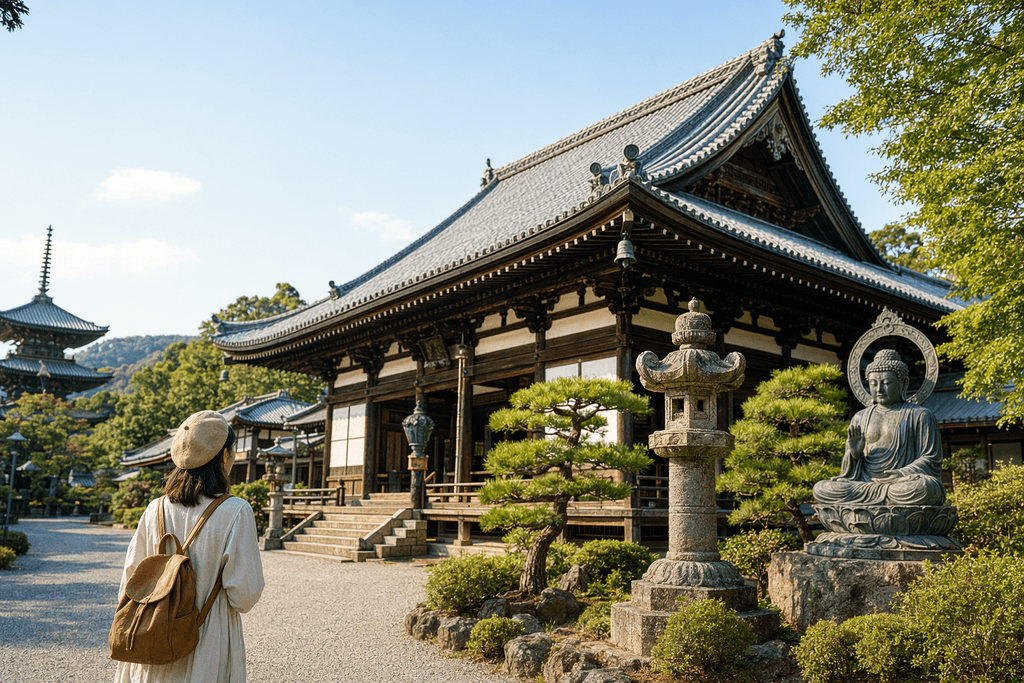
寺院
බෞද්ධ විහාරය
寺院
බෞද්ධ විහාරය
Explanation
寺院
බෞද්ධ විහාරය
寺院
බෞද්ධ විහාරය / පන්සල / විහාරස්ථානය
( Base form )
( romanization )
( romanization )
( hiragana historical )
( hiragana )
ありがたい
සතුටුදායක / කෘතඥ
ありがたい
සතුටුදායක / කෘතඥ
Explanation
සතුටුදායක / කෘතඥ
ありがたい
කෘතඥ / ස්තූතිවන්ත / අගය කරන

Word Forms
The basic and commonly used forms of this adjective.
Basic forms
| Form | Word form | Usage |
|---|---|---|
| Imperfective form (mizenkei) |
Alternative:
有り難かろ
|
Used in forms such as karou; mainly literary. |
| Continuative form (renyokei) |
Alternative:
ありがたかっ
有り難く
有り難かっ
|
Used in forms such as kute and kunai. |
| Conclusive form (shushikei) |
Alternative:
有り難い
|
Ends a sentence. |
| Attributive form (rentaikei) |
Alternative:
有り難い
|
Modifies a noun. |
| Conditional form (kateikei) |
Alternative:
有り難けれ
|
Expresses a condition with kereba. |
| Imperative form (meireikei) |
Alternative:
有り難かれ
|
Rarely used in modern Japanese. |
Common forms
憎む
වෛර කරනවා
憎む
වෛර කරනවා
Explanation
憎む
වෛර කරනවා
憎む
වෛර කිරීම / ද්වේෂ කිරීම / අතිශය අකමැති වීම

Word Forms
The basic and commonly used forms of this verb.
Basic forms
| Form | Word form | Usage |
|---|---|---|
| Imperfective form (mizenkei) |
Alternative:
憎も
|
Connects to endings such as nai, reru, and seru. |
| Continuative form (renyokei) | Connects to endings such as masu, tai, and ta. | |
| Conclusive form (shushikei) | Ends a sentence and serves as the dictionary form. | |
| Attributive form (rentaikei) | Modifies a noun. | |
| Conditional form (kateikei) | Combines with ba to express a condition. | |
| Imperative form (meireikei) | Expresses a command or instruction. |
Common forms
夕日
සවස් හිරු
夕日
සවස් හිරු
Explanation
夕日
සවස් හිරු
夕日
අස්තමන යන හිරු / සැඳෑ හිරු / සන්ධ්යා සූර්යයා

( Base form )
( romanization )
( hiragana )
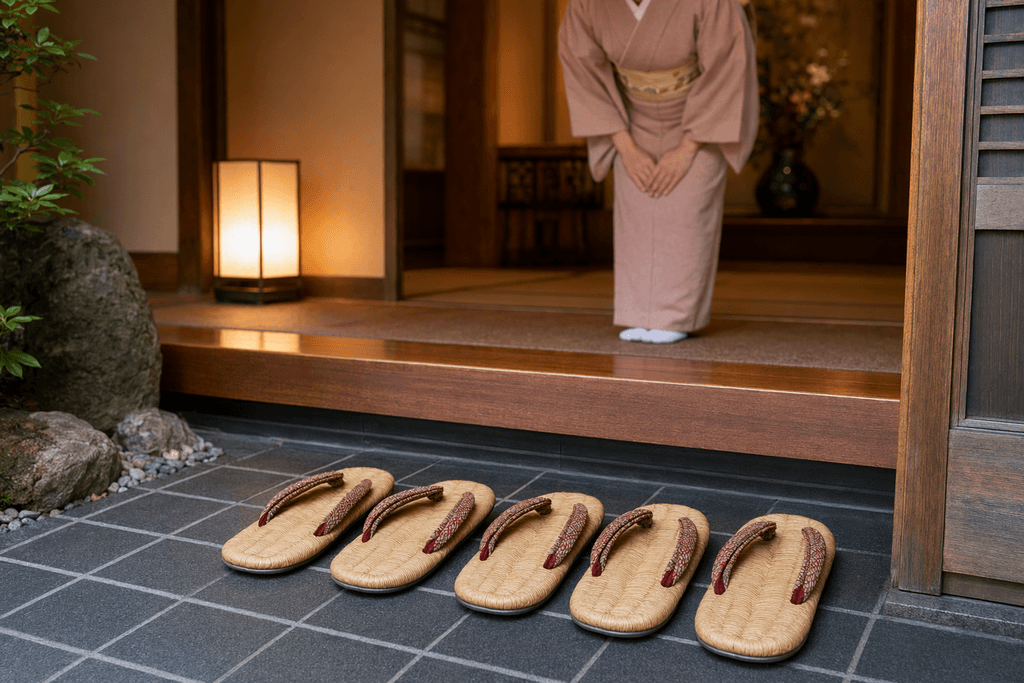
草履
සාම්ප්රදායික සෙරෙප්පු
草履
සාම්ප්රදායික සෙරෙප්පු
Explanation
草履
සාම්ප්රදායික සෙරෙප්පු
草履
ජපන් සාම්ප්රදායික පතල් සෙරප්පු / ඇඟිලි අතර තීරුවක් ඇති පැතලි සෑන්ඩලය
( Base form )
( romanization )
( romanization )
( alternative )
( katakana )
( Rōmaji )
( hiragana historical )
( historical katakana )
( hiragana historical )
( hiragana )
棄てる
ඉවත දමනවා / අත්හරිනවා
棄てる
ඉවත දමනවා / අත්හරිනවා
Explanation
棄てる
ඉවත දමනවා / අත්හරිනවා
棄てる
අත්හැර දමන්න / ඉවතට/කුණුගොඩට දමන්න / පිළිවෙලින් නතර කර අතහැර යන්න

Word Forms
The basic and commonly used forms of this verb.
Basic forms
| Form | Word form | Usage |
|---|---|---|
| Imperfective form (mizenkei) |
Alternative:
捨て
|
Connects to endings such as nai, reru, and seru. |
| Continuative form (renyokei) |
Alternative:
捨て
|
Connects to endings such as masu, tai, and ta. |
| Conclusive form (shushikei) |
Alternative:
捨てる
|
Ends a sentence and serves as the dictionary form. |
| Attributive form (rentaikei) |
Alternative:
捨てる
|
Modifies a noun. |
| Conditional form (kateikei) |
Alternative:
捨てれ
|
Combines with ba to express a condition. |
| Imperative form (meireikei) |
Alternative:
棄てよ
捨てろ
捨てよ
|
Expresses a command or instruction. |
Common forms
| Form | Word form | Usage |
|---|---|---|
| Te-form |
Alternative:
捨てて
|
Connects clauses with te. |
| Ta-form |
Alternative:
捨てた
|
Expresses the past with ta. |
| Nai-form |
Alternative:
捨てない
|
Expresses negation with nai. |
| Masu-form |
Alternative:
捨てます
|
Used for polite speech. |
| Ba-form |
Alternative:
捨てれば
|
Expresses a condition with ba. |
| Volitional form |
Alternative:
捨てよう
|
Expresses intention or invitation. |
Notes
現に
ඇත්ත වශයෙන්
現に
ඇත්ත වශයෙන්
Explanation
現に
ඇත්ත වශයෙන්
現に
ඇත්තටම / සැබැවින් / නිසැකවම

( Base form )
( romanization )
貸し出し
ණයට දීම
貸し出し
ණයට දීම
Explanation
貸し出し
ණයට දීම
貸し出し
ණයට දීම / ණය / මාරු දීම

( Base form )
( romanization )
Loading...

JLPT N2 多言語単語帳・1790語 / JLPT N2 Multilingual Vocabulary: 1790 Words

Jonathan Waller 氏の JLPT Resources の語彙リスト・レベル分類を出典とし、CC BY の条件に従って DiQt が学習者向けに意味を作り直した1790語の単語帳です。JLPT公式の語彙リストではありません。
This collection of 1790 words is based on the vocabulary list and level classifications in Jonathan Waller’s JLPT Resources under CC BY, with meanings rewritten by DiQt for learners. It is not an official JLPT vocabulary list.
Key Operations
Select the first quiz:
Ctrl + Enter
View Explanation:Ctrl + G
Close a feedback:Esc
When selecting a quiz
Answer:Enter
Select a choice:↓ or ↑
Reading out the question:Ctrl + K
View Hint: Ctrl + M
I don't know: Ctrl + Y



