
JLPT N2 වචන අර්ථ පුහුණුව - Unsolved

පිළිතුරු විකල්ප හතරක් ඇති ප්රශ්න මඟින් JLPT N2 වචන 1790ක අර්ථ සිංහලෙන් ඉගෙන ගන්න.
-
විනය
-
සම කොටස්වලට බෙදීම
-
පදික ගමනාගමනය
-
පදනම
-
සබන්
-
එළිමහන
-
වක්රභාවය
-
හෙලිකොප්ටරය
-
තතාමි පැදුරු සහිත කාමරය
-
මැහුම්
-
කඩදාසි කසළ
-
ලේඛන ශෛලිය
-
සම්ප්රේෂණය වෙනවා / පරම්පරාවෙන් පැවතෙනවා
-
ඉතිරි වෙනවා
-
අතගානවා
-
බැහැර වෙනවා / මාර්ගයෙන් ඉවත් වෙනවා
-
උක්කුටිකයෙන් හිඳිනවා
-
මුද්රිතව පළ වෙනවා
-
සාමාන්ය හැඳින්වීම
-
සෘජුකෝණාස්රය
-
ජපන්-ඉංග්රීසි
-
නියාමනය
-
ඇලෙන සහල් කැවිල්ල
-
එක්වීම / ඒකාබද්ධ ක්රියාව
-
අඩි රූල
-
අරය
-
වැලමිට
-
නිවාස ගොඩනැගිල්ල
-
ලොම් නූල්
-
මාසයේ මුල් දින දහය
加速度
ත්වරණය
加速度
ත්වරණය
Explanation
加速度
ත්වරණය
加速度
ත්වරණය / වේගය වෙනස්වන අනුපාතය / ත්වරණ ප්රමාණය

( Base form )
( romanization )
( hiragana )
表紙
පොත් කවරය
表紙
පොත් කවරය
Explanation
表紙
පොත් කවරය
表紙
පොතක කවරය / පොතක්/සඟරාවක්/නෝට්පොතක් යනවල ඉදිරි කවරය / ඉදිරි ආවරණය

( romanization )
( hiragana )
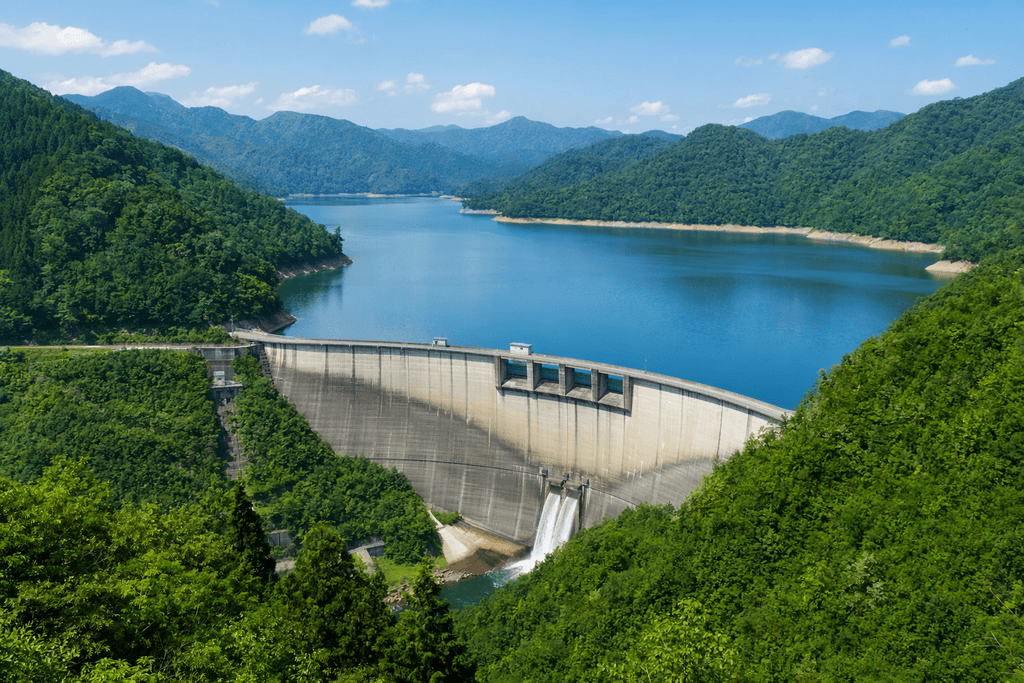
人造
මිනිසා සෑදූ
人造
මිනිසා සෑදූ
Explanation
人造
මිනිසා සෑදූ
人造
කෘතිම / මිනිසා විසින් නිමවන (මිනිසාගේ නිර්මාණ) / සංස්ලේෂිත
( Base form )
( romanization )
( romanization )
( hiragana historical )
( hiragana )
執筆
ලේඛනය
執筆
ලේඛනය
Explanation
執筆
ලේඛනය
執筆
ලිවීම (කතුවරතාව) / ලේඛනය කිරීම / රචනා කිරීම

( Base form )
( romanization )
( stem )
( Past )
( table-tags )
( inflection-template )
( imperfective stem )
( imperfective stem )
( imperfective )
( continuative stem )
( continuative stem )
( continuative )
( stem terminative )
( stem terminative )
( terminative )
( attributive stem )
( attributive stem )
( attributive )
( hypothetical stem )
( hypothetical stem )
( hypothetical )
( Imperative literary stem )
( colloquial Imperative stem )
( Imperative literary stem )
( colloquial Imperative stem )
( Imperative literary )
( colloquial Imperative )
( Passive voice )
( Passive voice )
( Passive voice )
( causative )
( causative )
( causative )
( causative )
( causative )
( causative )
( potential )
( potential )
( potential )
( volitional )
( volitional )
( volitional )
( negative )
( negative )
( negative )
( continuative negative )
( continuative negative )
( continuative negative )
( formal )
( formal )
( formal )
( perfective )
( perfective )
( perfective )
( conjunctive )
( conjunctive )
( conjunctive )
( Conditional hypothetical )
( Conditional hypothetical )
( Conditional hypothetical )
含める
ඇතුළත් කරනවා
含める
ඇතුළත් කරනවා
Explanation
含める
ඇතුළත් කරනවා
含める
ඇතුළත් කරනවා / ගණනයට/සැලකිල්ලට ගන්නවා / තේරුම් කරවීම සඳහා කියා දෙනවා

Word Forms
The basic and commonly used forms of this verb.
Basic forms
| Form | Word form | Usage |
|---|---|---|
| Imperfective form (mizenkei) | Connects to endings such as nai, reru, and seru. | |
| Continuative form (renyokei) | Connects to endings such as masu, tai, and ta. | |
| Conclusive form (shushikei) | Ends a sentence and serves as the dictionary form. | |
| Attributive form (rentaikei) | Modifies a noun. | |
| Conditional form (kateikei) | Combines with ba to express a condition. | |
| Imperative form (meireikei) |
Alternative:
含めよ
|
Expresses a command or instruction. |
Common forms
ぶつける
ගැටෙන්න හරිනවා
ぶつける
ගැටෙන්න හරිනවා
Explanation
ගැටෙන්න හරිනවා
ぶつける
ගැටීම/තට්ටුවීම / විසි කිරීම/එල්ලීම / අසීරු ප්රශ්නයකින් කෙනෙකු පරීක්ෂා කිරීම හෝ කෝපය/අමනාපය කෙනෙකුට යොමු කිරීම

Word Forms
The basic and commonly used forms of this verb.
Basic forms
| Form | Word form | Usage |
|---|---|---|
| Imperfective form (mizenkei) | Connects to endings such as nai, reru, and seru. | |
| Continuative form (renyokei) | Connects to endings such as masu, tai, and ta. | |
| Conclusive form (shushikei) | Ends a sentence and serves as the dictionary form. | |
| Attributive form (rentaikei) | Modifies a noun. | |
| Conditional form (kateikei) | Combines with ba to express a condition. | |
| Imperative form (meireikei) |
Alternative:
ぶつけよ
|
Expresses a command or instruction. |
Common forms
死体
මළ සිරුර
死体
මළ සිරුර
Explanation
死体
මළ සිරුර
死体
මළ සිරුර / මළදේහය / ශවය

( Base form )
( romanization )
( kyūjitai )
( hiragana )
風船
බැලූනය
風船
බැලූනය
Explanation
風船
බැලූනය
風船
බැලුනය / වායු පුරවා ඇති රබර් බෝලය / වායු බැඳි සෙල්ලම් බෝලය

( Base form )
( romanization )
( hiragana )
宛名
ලබන්නාගේ නම
宛名
ලබන්නාගේ නම
Explanation
宛名
ලබන්නාගේ නම
宛名
(ලිපි/තැපැල්) ලබන්නාගේ ලිපිනය / ලිපිය යොමු කරන පුද්ගලයා (ලබන්නා)

( Base form )
( romanization )
( hiragana )
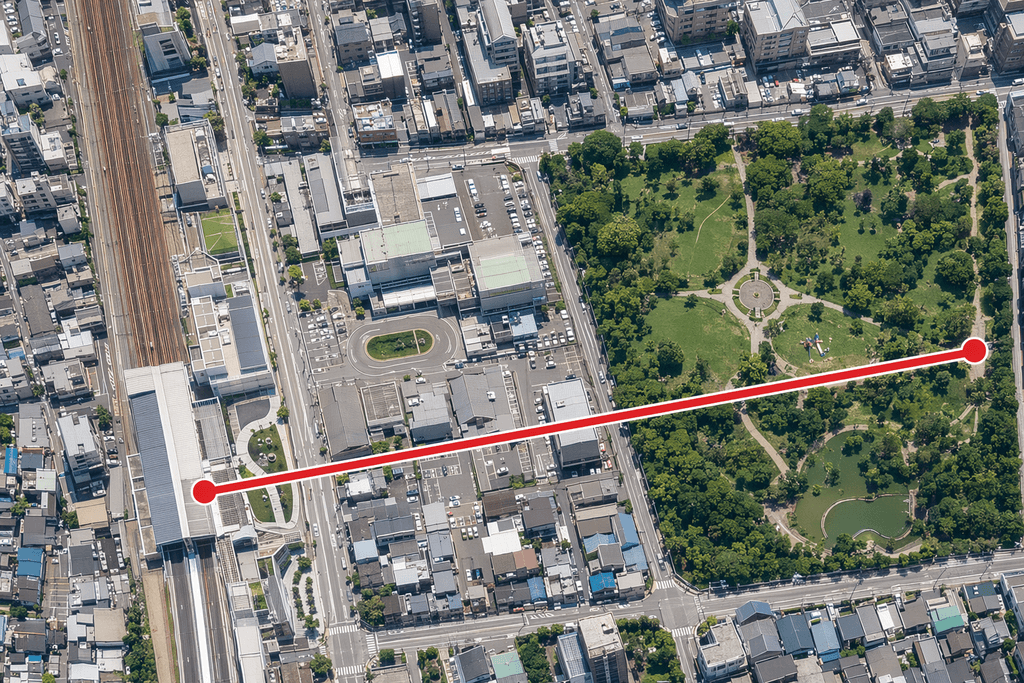
直線
සරල රේඛාව
直線
සරල රේඛාව
Explanation
直線
සරල රේඛාව
直線
සෘජු රේඛාව / තිරස් නොවී සෘජුව යන රේඛාව
( Base form )
( romanization )
( hiragana )
Loading...

JLPT N2 多言語単語帳・1790語 / JLPT N2 Multilingual Vocabulary: 1790 Words

Jonathan Waller 氏の JLPT Resources の語彙リスト・レベル分類を出典とし、CC BY の条件に従って DiQt が学習者向けに意味を作り直した1790語の単語帳です。JLPT公式の語彙リストではありません。
This collection of 1790 words is based on the vocabulary list and level classifications in Jonathan Waller’s JLPT Resources under CC BY, with meanings rewritten by DiQt for learners. It is not an official JLPT vocabulary list.
Key Operations
Select the first quiz:
Ctrl + Enter
View Explanation:Ctrl + G
Close a feedback:Esc
When selecting a quiz
Answer:Enter
Select a choice:↓ or ↑
Reading out the question:Ctrl + K
View Hint: Ctrl + M
I don't know: Ctrl + Y



