
JLPT N2 වචන අර්ථ පුහුණුව - Unsolved

පිළිතුරු විකල්ප හතරක් ඇති ප්රශ්න මඟින් JLPT N2 වචන 1790ක අර්ථ සිංහලෙන් ඉගෙන ගන්න.
-
තරමක්
-
කඩිසරව
-
සෑම වරකම
-
ලාච්චු අල්මාරිය
-
තරුණ පිරිස
-
බඳවා ගැනීම
-
තරගයේ ජය පරාජය
-
මූර්තිය / කැටයම
-
අතරමග
-
පදික ගමනාගමනය
-
යැවීමේ ගාස්තුව
-
අරක්කැමියා / කපාටය
-
සමාව ඉල්ලනවා
-
ගලවා ඉවත් කරනවා
-
ඇතුළත් කරනවා
-
ලෙඩුන් බලන්න යනවා
-
ළං වෙනවා / බල කරනවා
-
ඝන වෙනවා / ස්ථිර වෙනවා
-
දැනට
-
සමහරවිට
-
හද ගැස්ම වැඩිවී
-
වෘත්ත පරිධිය
-
තවත් කෑම කොටසක්
-
ගිනිකෙළි
-
පිටතට ගන්නවා
-
බෙදා දෙනවා
-
පැහැදිලි වෙනවා
- 他動詞。五段活用(サ行)。
- 未然形「汚そ」は意志・推量の助動詞「う」に接続する形。
-
ආඛ්යාතය
-
සංවිධානාත්මක වැඩසටහන
-
මානව ශාස්ත්ර
ぎっしり
තදින් පිරී
ぎっしり
තදින් පිරී
Explanation
තදින් පිරී
ぎっしり
ඝනව පිරී / තදින් එකට ඇඳී / ඉඩක් නොමැතිව තදින්

( romanization )
当たり前
ස්වාභාවික / සාමාන්ය
当たり前
ස්වාභාවික / සාමාන්ය
Explanation
当たり前
ස්වාභාවික / සාමාන්ය
当たり前
සාමාන්ය දෙය / වෙනස් නොවන නිතර සිදුවන දෙය / පොදු ලෙස පිළිගත් දෙය

( romanization )
よそ
වෙනත් තැන
よそ
වෙනත් තැන
Explanation
වෙනත් තැන
よそ
වෙන තැනක්; පිටස්තර ස්ථානයක් / පිටස්තරයෙක්; අදාළ නොවන පුද්ගලයෙක් / තම කණ්ඩායම/පවුලට නොඅයත් දෙයක්

( Base form )
( romanization )
( hiragana )
重点
ප්රධාන කරුණ / අවධාරණය
重点
ප්රධාන කරුණ / අවධාරණය
Explanation
重点
ප්රධාන කරුණ / අවධාරණය
重点
ප්රධාන කරුණ / වැදගත් ලක්ෂ්යය / අවධානය යොමු කළ යුතු තැන

( Base form )
( romanization )
( kyūjitai )
( hiragana )
呼び出す
කැඳවනවා / දුරකථනයෙන් අමතනවා
呼び出す
කැඳවනවා / දුරකථනයෙන් අමතනවා
Explanation
呼び出す
කැඳවනවා / දුරකථනයෙන් අමතනවා
呼び出す
(දුරකථනයෙන්) ඇමතීම / (කෙනෙකු) කැඳවීම/බලාගැනීමට කැඳවීම / (ප්රෝග්රෑමිං) ක්රමයක්/ෆංක්ෂන් එකක් ආරාධනා කිරීම (invoke කිරීම)

Word Forms
The basic and commonly used forms of this verb.
Basic forms
| Form | Word form | Usage |
|---|---|---|
| Imperfective form (mizenkei) |
Alternative:
呼び出そ
|
Connects to endings such as nai, reru, and seru. |
| Continuative form (renyokei) | Connects to endings such as masu, tai, and ta. | |
| Conclusive form (shushikei) | Ends a sentence and serves as the dictionary form. | |
| Attributive form (rentaikei) | Modifies a noun. | |
| Conditional form (kateikei) | Combines with ba to express a condition. | |
| Imperative form (meireikei) | Expresses a command or instruction. |
Common forms
追い越す
ඉස්සර කරනවා
追い越す
ඉස්සර කරනවා
Explanation
追い越す
ඉස්සර කරනවා
追い越す
ඉස්සර කරන්න / ඉක්මවා යන්න / ඉස්සර කරලා යන්න

Word Forms
The basic and commonly used forms of this verb.
Basic forms
| Form | Word form | Usage |
|---|---|---|
| Imperfective form (mizenkei) |
Alternative:
追い越そ
|
Connects to endings such as nai, reru, and seru. |
| Continuative form (renyokei) | Connects to endings such as masu, tai, and ta. | |
| Conclusive form (shushikei) | Ends a sentence and serves as the dictionary form. | |
| Attributive form (rentaikei) | Modifies a noun. | |
| Conditional form (kateikei) | Combines with ba to express a condition. | |
| Imperative form (meireikei) | Expresses a command or instruction. |
Common forms
ようやく
අවසානයේ / යන්තමින්
ようやく
අවසානයේ / යන්තමින්
Explanation
අවසානයේ / යන්තමින්
ようやく
අවසානයේ; අවසානවශයෙන් / දුෂ්කරව; අමාරුවෙන් (කැමති තරම්ම) / එකෙළවරට නොවී, ටිකෙන් ටික; මඳ මඳින්

( Base form )
( romanization )
( romanization )
( hiragana historical )
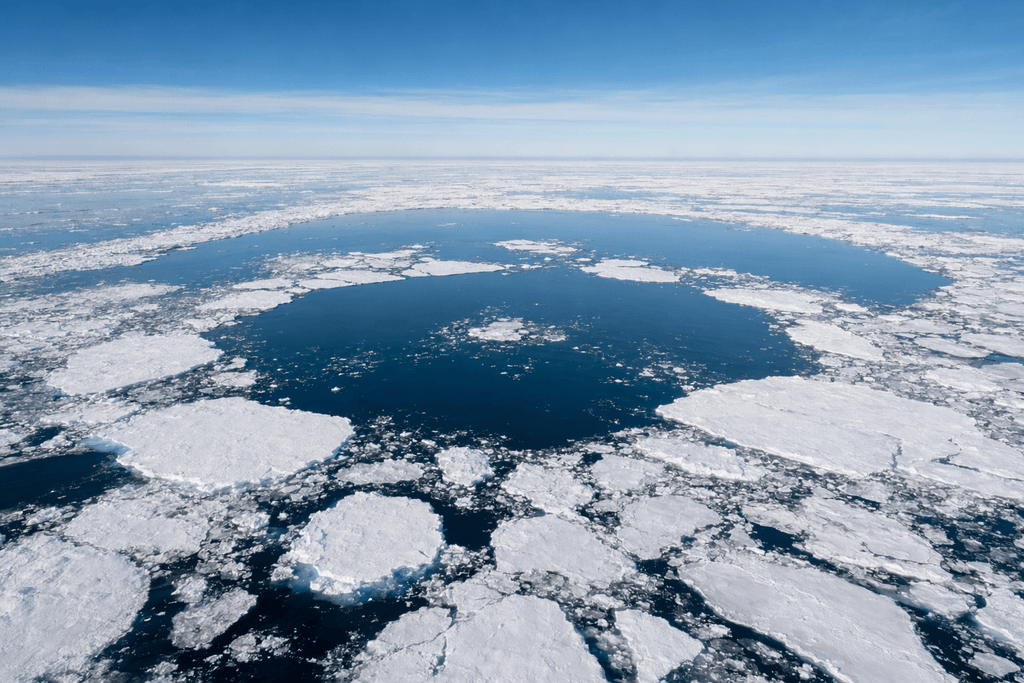
北極
උත්තර ධ්රැවය
北極
උත්තර ධ්රැවය
Explanation
北極
උත්තර ධ්රැවය
北極
උත්තර ධෘවය / උත්තර ධෘව ප්රදේශය
( Base form )
( romanization )
( hiragana )
汚す
අපිරිසිදු කරනවා
汚す
අපිරිසිදු කරනවා
Explanation
汚す
අපිරිසිදු කරනවා
汚す
දූෂණය කිරීම / කිලුටු කිරීම / අපිරිසිදු කිරීම / කලංක කිරීම

Word Forms
The basic and commonly used forms of this verb.
Basic forms
| Form | Word form | Usage |
|---|---|---|
| Imperfective form (mizenkei) |
Alternative:
汚そ
|
Connects to endings such as nai, reru, and seru. |
| Continuative form (renyokei) | Connects to endings such as masu, tai, and ta. | |
| Conclusive form (shushikei) | Ends a sentence and serves as the dictionary form. | |
| Attributive form (rentaikei) | Modifies a noun. | |
| Conditional form (kateikei) | Combines with ba to express a condition. | |
| Imperative form (meireikei) | Expresses a command or instruction. |
Common forms
| Form | Word form | Usage |
|---|---|---|
| Te-form | Connects clauses with te. | |
| Ta-form | Expresses the past with ta. | |
| Nai-form | Expresses negation with nai. | |
| Masu-form | Used for polite speech. | |
| Ba-form | Expresses a condition with ba. | |
| Volitional form | Expresses intention or invitation. |
Notes
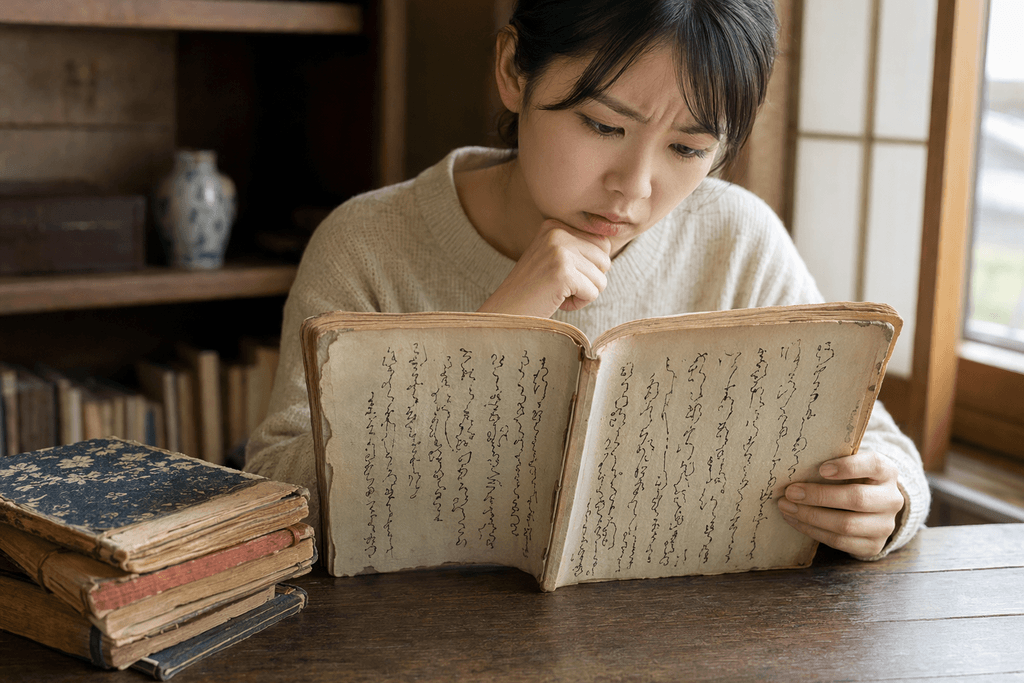
仮名遣い
කනා අක්ෂර වින්යාසය
仮名遣い
කනා අක්ෂර වින්යාසය
Explanation
仮名遣い
කනා අක්ෂර වින්යාසය
仮名遣い
ජපන් කානා අක්ෂර භාවිත නීති / කානා අක්ෂර ලිවීමේ සම්මත ක්රමය / කානා අකුරු අක්ෂර වින්යාස රීති
( Base form )
( romanization )
( romanization )
( hiragana historical )
Loading...

JLPT N2 多言語単語帳・1790語 / JLPT N2 Multilingual Vocabulary: 1790 Words

Jonathan Waller 氏の JLPT Resources の語彙リスト・レベル分類を出典とし、CC BY の条件に従って DiQt が学習者向けに意味を作り直した1790語の単語帳です。JLPT公式の語彙リストではありません。
This collection of 1790 words is based on the vocabulary list and level classifications in Jonathan Waller’s JLPT Resources under CC BY, with meanings rewritten by DiQt for learners. It is not an official JLPT vocabulary list.
Key Operations
Select the first quiz:
Ctrl + Enter
View Explanation:Ctrl + G
Close a feedback:Esc
When selecting a quiz
Answer:Enter
Select a choice:↓ or ↑
Reading out the question:Ctrl + K
View Hint: Ctrl + M
I don't know: Ctrl + Y



