
JLPT N2 词义四选一 - Unsolved

通过四选一题目,用简体中文学习JLPT N2的1790个单词含义。
-
北极
-
尼龙
-
门牌号
-
锯子
-
列车员
-
木材
-
对立
-
妨碍
-
基础
-
沉重的 / 压抑的
-
丑陋
-
不像样
- 「永い」は主に時間的な長さ・持続について用いる表記。「長い」はより一般的な表記。
-
探查 / 摸索
-
干炒
-
放映 / 映照
- 「応ずる」は現代語では「応じる」と同様に用いられることが多い。
- 未然形「応ぜ」は主に「応ぜず」「応ぜん」など文語的・改まった用法で見られる。
-
放在上面 / 刊登
-
储存
-
鼓起
- 「刷る(する)」はラ行五段活用の動詞で、サ行変格活用の「する」とは異なる。
-
年轻有活力
-
令人怀念的
-
吉祥 / 值得庆贺
- 「柔らかい」とも書く。
- 命令形「軟らかかれ」は現代語では稀。
-
自然而然
-
大约
-
心怦怦跳
-
刚才
-
负数 / 减号
-
枪
-
冷静下来 / 安定下来
-
撕裂 / 劈开
-
悬挂
レインコート
雨衣
レインコート
雨衣
Explanation
雨衣
レインコート
雨衣 / 防雨外套 / 雨披

( romanization )
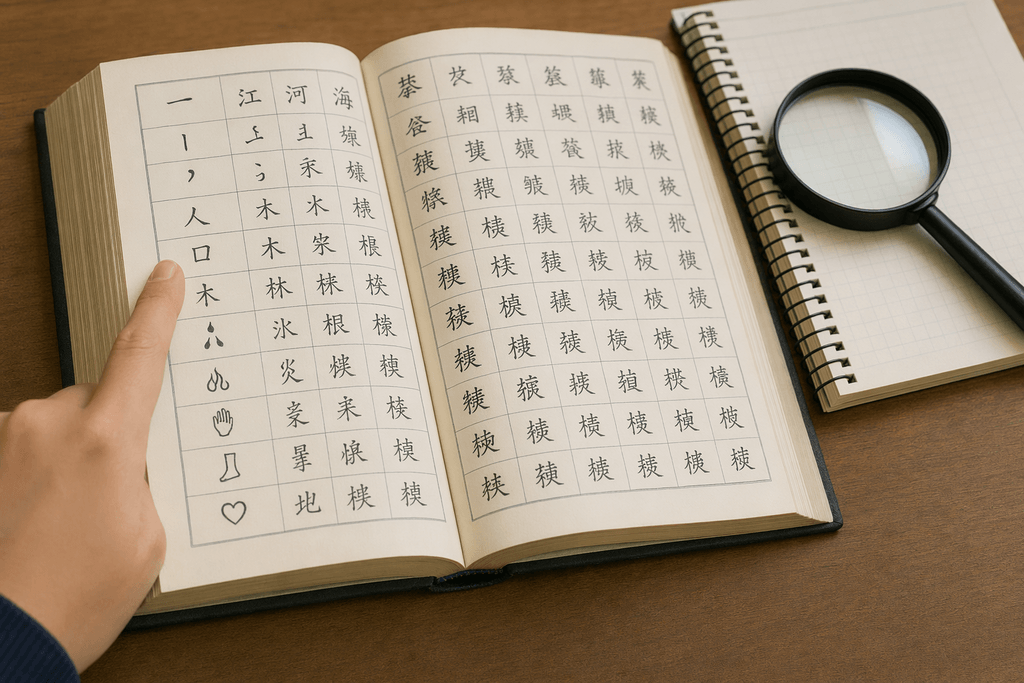
部首
汉字部首
部首
汉字部首
Explanation
部首
汉字部首
部首
汉字(含日语汉字)的部首 / 用于字典检字和分类的字的部件
( Base form )
( romanization )
( hiragana )
下車
下车
下車
下车
Explanation
下車
下车
下車
从车辆等交通工具上下来 / 下车的动作或行为

( Base form )
( romanization )
( hiragana )
永い
长久的
永い
长久的
Explanation
永い
长久的
永い
长久的 / 永久的 / (时间)漫长的

Word Forms
The basic and commonly used forms of this adjective.
Basic forms
| Form | Word form | Usage |
|---|---|---|
| Imperfective form (mizenkei) |
Alternative:
長かろ
|
Used in forms such as karou; mainly literary. |
| Continuative form (renyokei) |
Alternative:
長く
永かっ
長かっ
|
Used in forms such as kute and kunai. |
| Conclusive form (shushikei) |
Alternative:
長い
|
Ends a sentence. |
| Attributive form (rentaikei) |
Alternative:
長い
|
Modifies a noun. |
| Conditional form (kateikei) |
Alternative:
長けれ
|
Expresses a condition with kereba. |
| Imperative form (meireikei) |
Alternative:
長かれ
|
Rarely used in modern Japanese. |
Common forms
| Form | Word form | Usage |
|---|---|---|
| Te-form |
Alternative:
長くて
|
Connects clauses with kute. |
| Ta-form |
Alternative:
長かった
|
Expresses the past with katta. |
| Nai-form |
Alternative:
長くない
|
Expresses negation with kunai. |
| Ba-form |
Alternative:
長ければ
|
Expresses a condition with kereba. |
Notes
応ずる
回应 / 答应
応ずる
回应 / 答应
Explanation
応ずる
回应 / 答应
応ずる
回答;答复 / 同意;遵从 / 与…成比例;视…而定
Word Forms
The basic and commonly used forms of this verb.
Basic forms
| Form | Word form | Usage |
|---|---|---|
| Imperfective form (mizenkei) |
Alternative:
応ぜ
|
Connects to endings such as nai, reru, and seru. |
| Continuative form (renyokei) | Connects to endings such as masu, tai, and ta. | |
| Conclusive form (shushikei) |
Alternative:
応じる
|
Ends a sentence and serves as the dictionary form. |
| Attributive form (rentaikei) |
Alternative:
応じる
|
Modifies a noun. |
| Conditional form (kateikei) |
Alternative:
応じれ
|
Combines with ba to express a condition. |
| Imperative form (meireikei) |
Alternative:
応じよ
応ぜよ
|
Expresses a command or instruction. |
Common forms
| Form | Word form | Usage |
|---|---|---|
| Te-form | Connects clauses with te. | |
| Ta-form | Expresses the past with ta. | |
| Nai-form |
Alternative:
応ぜない
|
Expresses negation with nai. |
| Masu-form | Used for polite speech. | |
| Ba-form |
Alternative:
応じれば
|
Expresses a condition with ba. |
| Volitional form |
Alternative:
応ぜよう
|
Expresses intention or invitation. |
Notes
刷る
印刷
刷る
印刷
Explanation
刷る
印刷
刷る
印刷 / 印钞

Word Forms
The basic and commonly used forms of this verb.
Basic forms
| Form | Word form | Usage |
|---|---|---|
| Imperfective form (mizenkei) |
Alternative:
刷ろ
|
Connects to endings such as nai, reru, and seru. |
| Continuative form (renyokei) | Connects to endings such as masu, tai, and ta. | |
| Conclusive form (shushikei) | Ends a sentence and serves as the dictionary form. | |
| Attributive form (rentaikei) | Modifies a noun. | |
| Conditional form (kateikei) | Combines with ba to express a condition. | |
| Imperative form (meireikei) | Expresses a command or instruction. |
Common forms
| Form | Word form | Usage |
|---|---|---|
| Te-form | Connects clauses with te. | |
| Ta-form | Expresses the past with ta. | |
| Nai-form | Expresses negation with nai. | |
| Masu-form | Used for polite speech. | |
| Ba-form | Expresses a condition with ba. | |
| Volitional form | Expresses intention or invitation. |
Notes
軟らかい
柔软
軟らかい
柔软
Explanation
軟らかい
柔软
軟らかい
柔软的 / 柔韧的 / 松弛的

Word Forms
The basic and commonly used forms of this adjective.
Basic forms
| Form | Word form | Usage |
|---|---|---|
| Imperfective form (mizenkei) |
Alternative:
やわらかかろ
|
Used in forms such as karou; mainly literary. |
| Continuative form (renyokei) |
Alternative:
やわらかく
軟らかかっ
やわらかかっ
|
Used in forms such as kute and kunai. |
| Conclusive form (shushikei) |
Alternative:
やわらかい
|
Ends a sentence. |
| Attributive form (rentaikei) |
Alternative:
やわらかい
|
Modifies a noun. |
| Conditional form (kateikei) |
Alternative:
やわらかけれ
|
Expresses a condition with kereba. |
| Imperative form (meireikei) |
Alternative:
やわらかかれ
|
Rarely used in modern Japanese. |
Common forms
| Form | Word form | Usage |
|---|---|---|
| Te-form |
Alternative:
やわらかくて
|
Connects clauses with kute. |
| Ta-form |
Alternative:
やわらかかった
|
Expresses the past with katta. |
| Nai-form |
Alternative:
やわらかくない
|
Expresses negation with kunai. |
| Ba-form |
Alternative:
やわらかければ
|
Expresses a condition with kereba. |
Notes
くれぐれも
恳切地 / 再三地
くれぐれも
恳切地 / 再三地
Explanation
恳切地 / 再三地
くれぐれも
恳切地 / 诚挚地 / 务必

( romanization )
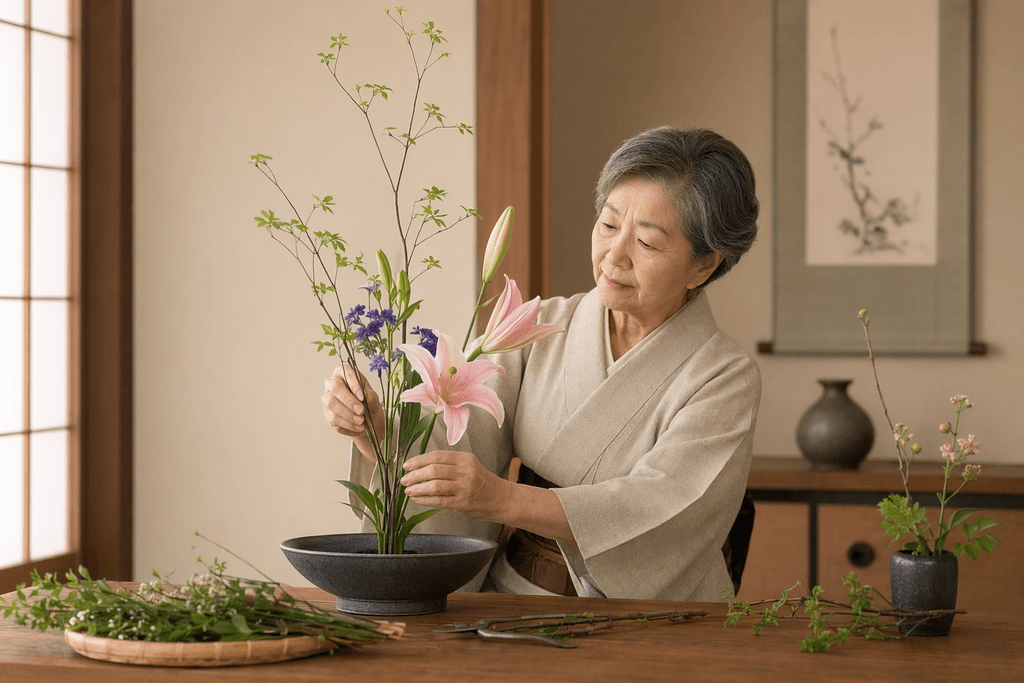
生け花
插花
生け花
插花
Explanation
生け花
插花
生け花
插花 / 花道(日本插花艺术)
( Base form )
( romanization )
( hiragana )
言い出す
说起 / 提议
言い出す
说起 / 提议
Explanation
言い出す
说起 / 提议
言い出す
开口说出 / 提出(话题) / 提议

Word Forms
The basic and commonly used forms of this verb.
Basic forms
| Form | Word form | Usage |
|---|---|---|
| Imperfective form (mizenkei) | Connects to endings such as nai, reru, and seru. | |
| Continuative form (renyokei) | Connects to endings such as masu, tai, and ta. | |
| Conclusive form (shushikei) | Ends a sentence and serves as the dictionary form. | |
| Attributive form (rentaikei) | Modifies a noun. | |
| Conditional form (kateikei) | Combines with ba to express a condition. | |
| Imperative form (meireikei) | Expresses a command or instruction. |
Common forms
Loading...

JLPT N2 多言語単語帳・1790語 / JLPT N2 Multilingual Vocabulary: 1790 Words

Jonathan Waller 氏の JLPT Resources の語彙リスト・レベル分類を出典とし、CC BY の条件に従って DiQt が学習者向けに意味を作り直した1790語の単語帳です。JLPT公式の語彙リストではありません。
This collection of 1790 words is based on the vocabulary list and level classifications in Jonathan Waller’s JLPT Resources under CC BY, with meanings rewritten by DiQt for learners. It is not an official JLPT vocabulary list.
Key Operations
Select the first quiz:
Ctrl + Enter
View Explanation:Ctrl + G
Close a feedback:Esc
When selecting a quiz
Answer:Enter
Select a choice:↓ or ↑
Reading out the question:Ctrl + K
View Hint: Ctrl + M
I don't know: Ctrl + Y



