
JLPT N2 词义四选一 - Unsolved

通过四选一题目,用简体中文学习JLPT N2的1790个单词含义。
-
厄运
-
角度
-
百科全书
-
可靠的 / 有前途的
-
惊人
-
抱歉 / 不可原谅
-
半途
-
重力
-
夜间
-
性能
-
观看
-
肥皂
-
空调
-
书店
-
手枪
-
偶然路过
-
赔礼道歉
-
挨饿
-
托您的福
-
让您久等了
-
有人在吗
-
羡慕的 / 令人羡慕的
-
纯洁的
-
忙乱的
- 「おめでとう」は「おめでたく」が「ございます」などに続く際のウ音便形。
-
口香糖
-
幻想
-
杂音
-
访日
-
国定假日
-
业绩 / 实际成果
外科
外科
外科
外科
Explanation
外科
外科
外科
外科学(医学专科) / 外科(医院科室)

( Base form )
( romanization )
( hiragana )
緩い
松 / 宽松
緩い
松 / 宽松
Explanation
緩い
松 / 宽松
緩い
宽大松垮的(衣物、鞋子等) / 缓慢的;不紧不慢的 / 宽松的;不严格的

Word Forms
The basic and commonly used forms of this adjective.
Basic forms
| Form | Word form | Usage |
|---|---|---|
| Imperfective form (mizenkei) | Used in forms such as karou; mainly literary. | |
| Continuative form (renyokei) |
Alternative:
緩かっ
|
Used in forms such as kute and kunai. |
| Conclusive form (shushikei) | Ends a sentence. | |
| Attributive form (rentaikei) | Modifies a noun. | |
| Conditional form (kateikei) | Expresses a condition with kereba. | |
| Imperative form (meireikei) | Rarely used in modern Japanese. |
Common forms
清書
誊清稿
清書
誊清稿
Explanation
清書
誊清稿
清書
将手写草稿誊清为清稿 / (书法)用更工整的字迹重写

( Base form )
( romanization )
( hiragana )
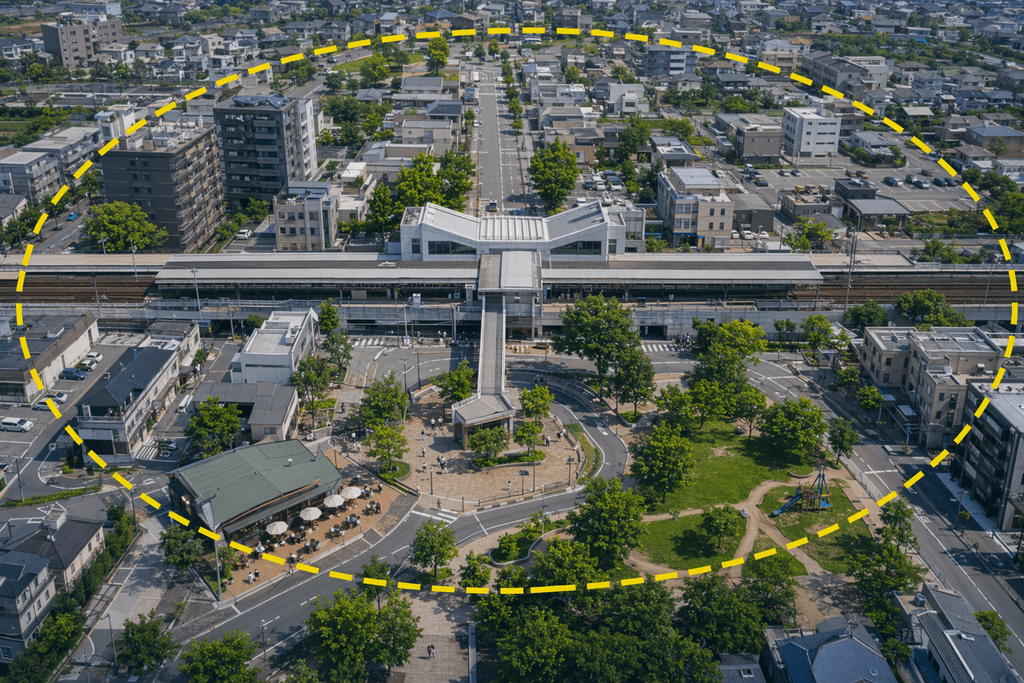
周辺
周边
周辺
周边
Explanation
周辺
周边
周辺
周边;周围;附近 / 外围设备(计算机) / 周长;圆周(数学)
( Base form )
( romanization )
( kyūjitai )
( hiragana )
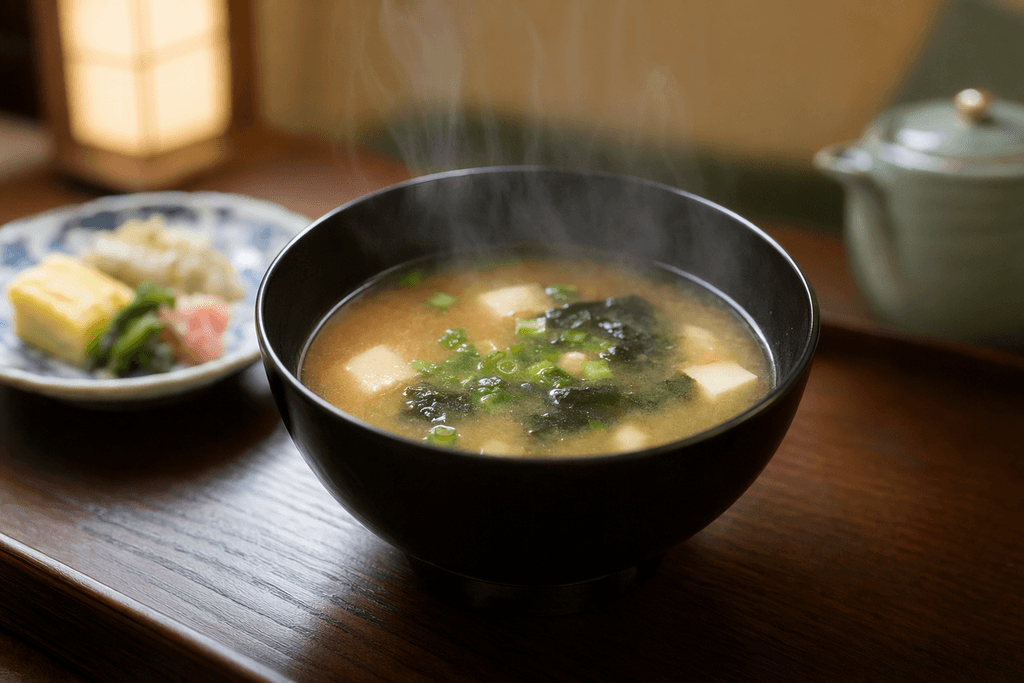
碗
陶瓷碗
碗
陶瓷碗
Explanation
碗
陶瓷碗
碗
盛食物的容器 / 圆口较深的餐具
( romanization )
( hiragana historical )
( hiragana )
攻める
进攻
攻める
进攻
Explanation
攻める
进攻
攻める
进攻 / 攻击 / 袭击

Word Forms
The basic and commonly used forms of this verb.
Basic forms
| Form | Word form | Usage |
|---|---|---|
| Imperfective form (mizenkei) | Connects to endings such as nai, reru, and seru. | |
| Continuative form (renyokei) | Connects to endings such as masu, tai, and ta. | |
| Conclusive form (shushikei) | Ends a sentence and serves as the dictionary form. | |
| Attributive form (rentaikei) | Modifies a noun. | |
| Conditional form (kateikei) | Combines with ba to express a condition. | |
| Imperative form (meireikei) |
Alternative:
攻めよ
|
Expresses a command or instruction. |
Common forms
お邪魔します
打扰了
お邪魔します
打扰了
Explanation
お邪魔します
打扰了
お邪魔します
打扰了 / 不好意思,打扰了 / 叨扰了

( Base form )
( romanization )
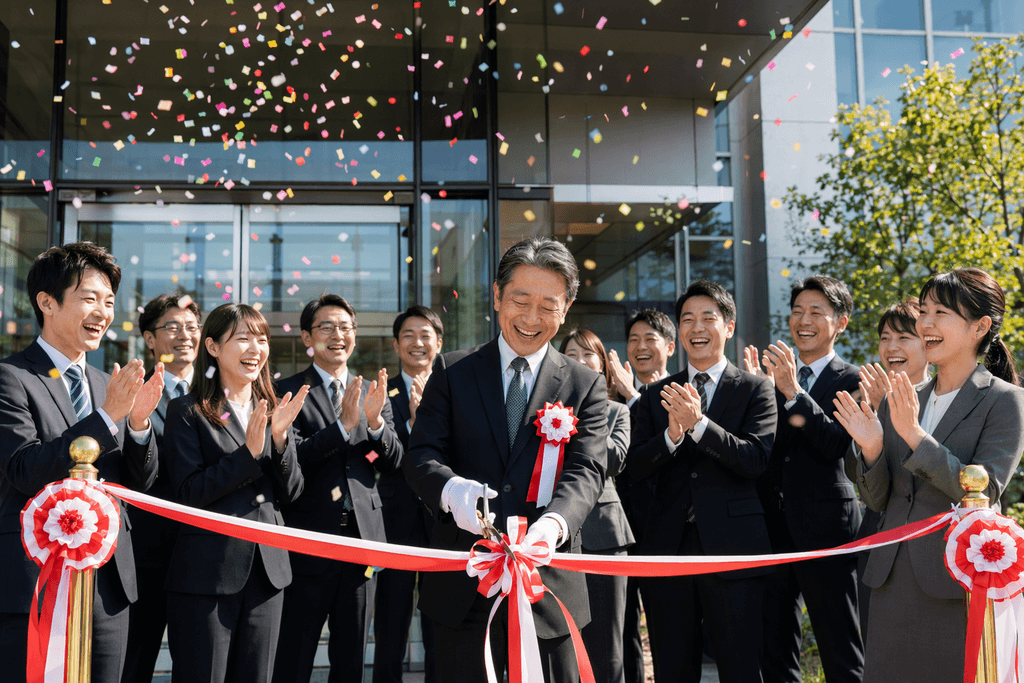
おめでたい
可喜的 / 天真的
おめでたい
可喜的 / 天真的
Explanation
可喜的 / 天真的
おめでたい
吉祥的 / 喜庆的 / 可喜的
Word Forms
The basic and commonly used forms of this adjective.
Basic forms
| Form | Word form | Usage |
|---|---|---|
| Imperfective form (mizenkei) | Used in forms such as karou; mainly literary. | |
| Continuative form (renyokei) |
Alternative:
おめでたかっ
おめでとう
|
Used in forms such as kute and kunai. |
| Conclusive form (shushikei) | Ends a sentence. | |
| Attributive form (rentaikei) | Modifies a noun. | |
| Conditional form (kateikei) | Expresses a condition with kereba. | |
| Imperative form (meireikei) | Rarely used in modern Japanese. |
Common forms
| Form | Word form | Usage |
|---|---|---|
| Te-form | Connects clauses with kute. | |
| Ta-form | Expresses the past with katta. | |
| Nai-form | Expresses negation with kunai. | |
| Ba-form | Expresses a condition with kereba. |
Notes
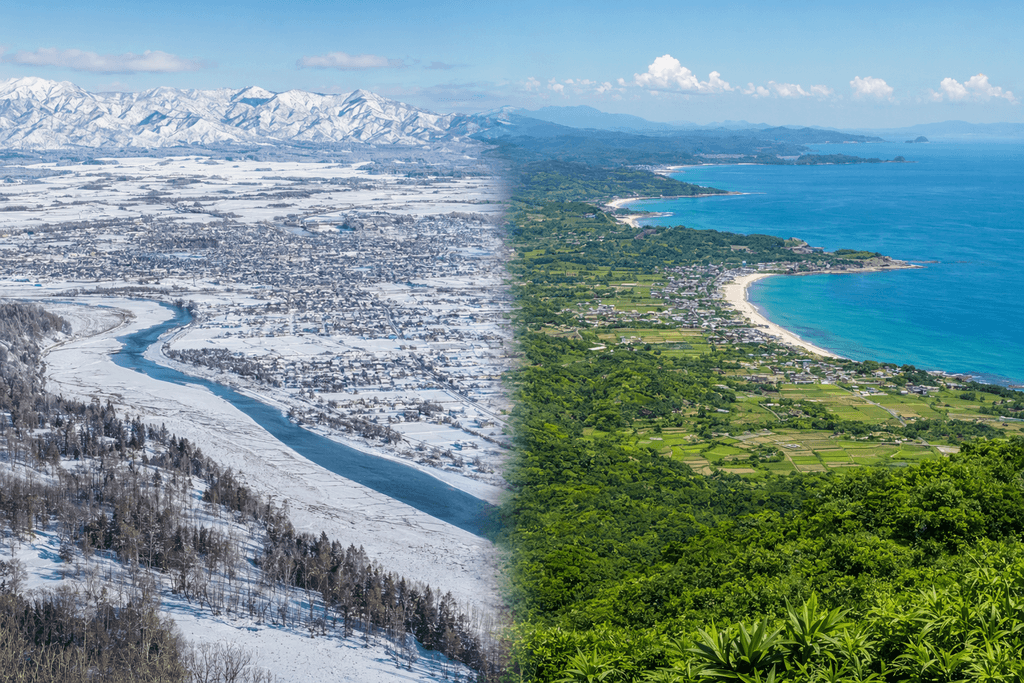
南北
南北
南北
南北
Explanation
南北
南北
南北
南与北的总称 / 南北方向
( Base form )
( romanization )
( hiragana )
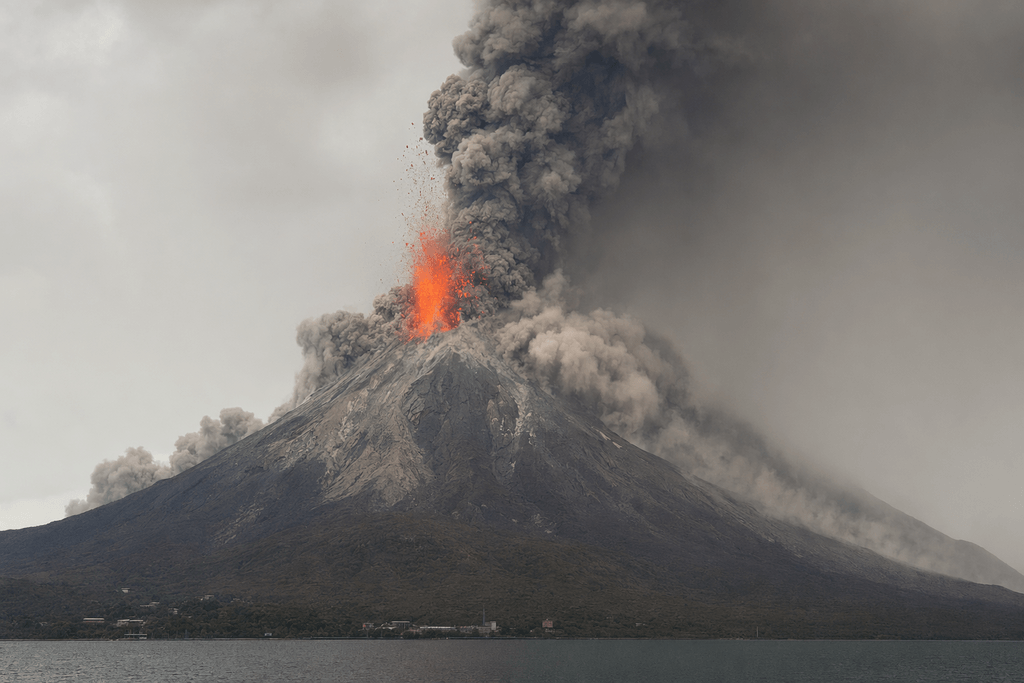
噴火
火山喷发
噴火
火山喷发
Explanation
噴火
火山喷发
噴火
火山喷发 / 喷出火焰的现象
( Base form )
( romanization )
( hiragana )
Loading...

JLPT N2 多言語単語帳・1790語 / JLPT N2 Multilingual Vocabulary: 1790 Words

Jonathan Waller 氏の JLPT Resources の語彙リスト・レベル分類を出典とし、CC BY の条件に従って DiQt が学習者向けに意味を作り直した1790語の単語帳です。JLPT公式の語彙リストではありません。
This collection of 1790 words is based on the vocabulary list and level classifications in Jonathan Waller’s JLPT Resources under CC BY, with meanings rewritten by DiQt for learners. It is not an official JLPT vocabulary list.
Key Operations
Select the first quiz:
Ctrl + Enter
View Explanation:Ctrl + G
Close a feedback:Esc
When selecting a quiz
Answer:Enter
Select a choice:↓ or ↑
Reading out the question:Ctrl + K
View Hint: Ctrl + M
I don't know: Ctrl + Y



