
JLPT N2 词义四选一 - Unsolved

通过四选一题目,用简体中文学习JLPT N2的1790个单词含义。
-
月薪
-
理所当然的 / 普通的
-
收据 / 领取
-
平原
-
乐队 / 腰带
-
老手
-
斜的
-
无忧无虑的 / 漫不经心的
-
强硬的
-
住所
-
会馆
-
月末
-
舞台 / 演出
-
围裙
-
公式 / 正式的
-
警卫
-
特价销售
-
访日
-
乙烯基塑料
-
形容动词
-
事前商议
-
凌乱
-
撕裂 / 劈开
-
变凉 / 减退
-
被烧焦
-
平衡 / 协调
-
堵塞
-
招牌
-
节奏
-
拆解 / 分解
代名詞
代词
代名詞
代词
Explanation
代名詞
代词
代名詞
代词(语法) / (比喻)代称;同义词

( Base form )
( romanization )
( hiragana )
仮名
假名
仮名
假名
Explanation
仮名
假名
仮名
日语假名(平假名、片假名) / 假名字符(单个平假名或片假名) / 临时名字;别名

( Base form )
( romanization )
( kyūjitai )
( hiragana )
純粋
纯粹的
純粋
纯粹的
Explanation
純粋
纯粹的
純粋
纯度 / 纯洁、纯正 / 天真无邪、无私

Word Forms
The basic and commonly used forms of this adjectival noun.
Basic forms
| Form | Word form | Usage |
|---|---|---|
| Imperfective form (mizenkei) |
Alternative:
純粋でしょ
|
Used in forms such as darou. |
| Continuative form (renyokei) |
Alternative:
純粋に
|
Used with de or ni. |
| Conclusive form (shushikei) |
Alternative:
純粋です
|
Ends a sentence with da. |
| Attributive form (rentaikei) |
Alternative:
純粋である
|
Modifies a noun with na. |
| Conditional form (kateikei) |
Alternative:
純粋であれば
|
Expresses a condition with nara. |
| Imperative form (meireikei) | Used in formal expressions such as de are. |
Common forms
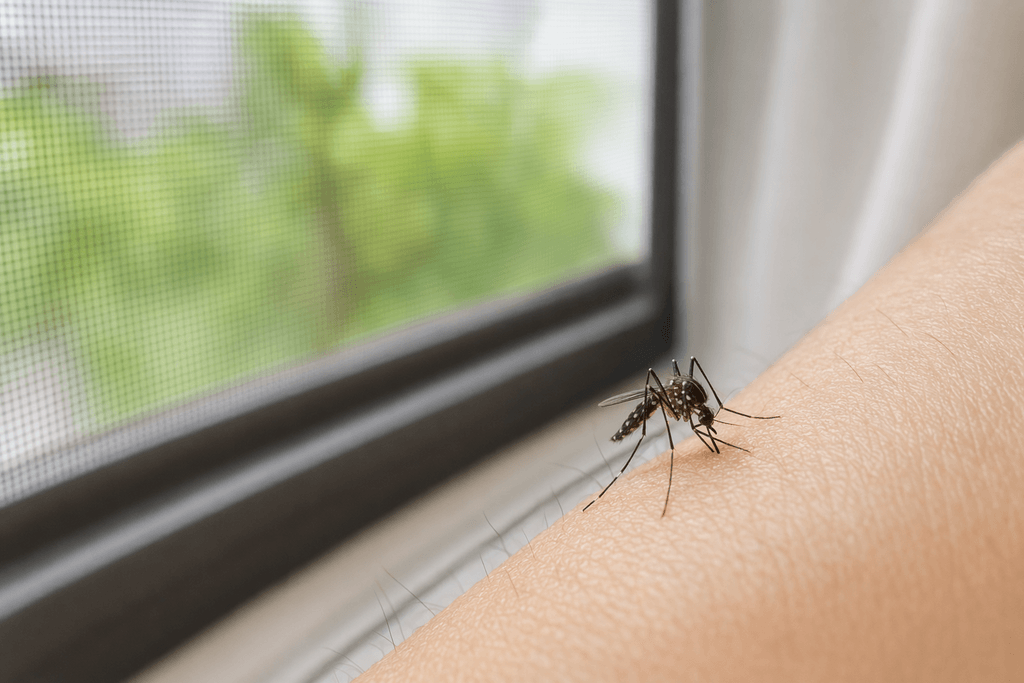
蚊
蚊子
蚊
蚊子
Explanation
蚊
蚊子
蚊
蚊子 / 叮咬人吸血的昆虫
( romanization )
( hiragana )
湿度
湿度
湿度
湿度
Explanation
湿度
湿度
湿度
空气中水汽含量的程度 / 潮湿程度

( Base form )
( romanization )
( kyūjitai )
( hiragana )
速達
加急邮件
速達
加急邮件
Explanation
速達
加急邮件
速達
特快专递 / 速递服务 / 快速送达

( Base form )
( romanization )
( hiragana )
知人
熟人
知人
熟人
Explanation
知人
熟人
知人
熟人 / 认识的人 / 泛泛之交

( Base form )
( romanization )
( hiragana )
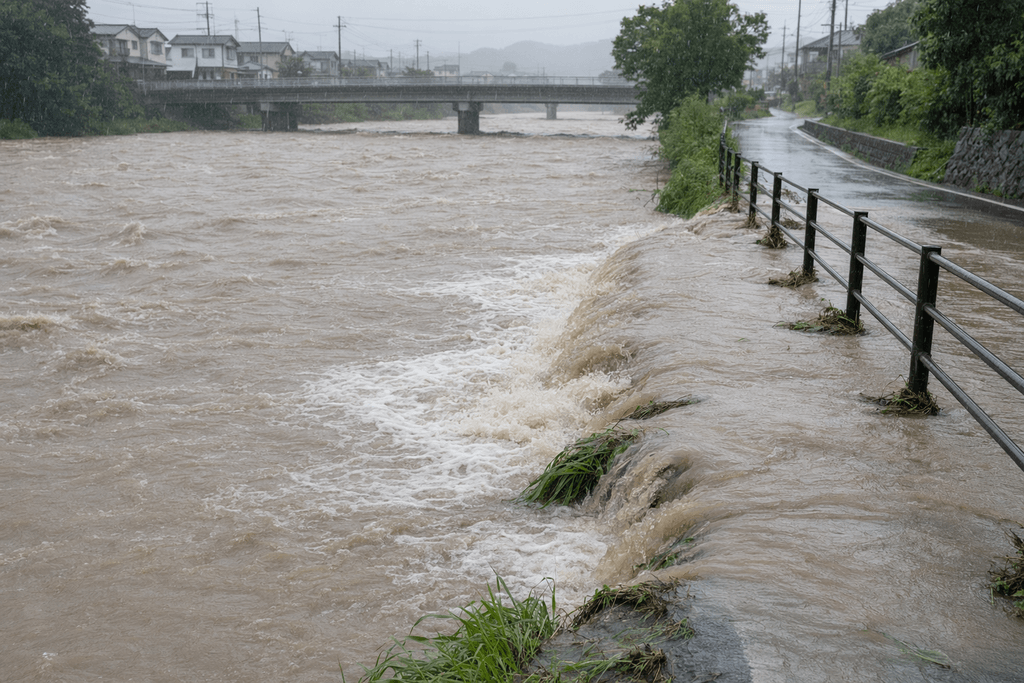
溢れる
溢出
溢れる
溢出
Explanation
溢れる
溢出
溢れる
溢出 / 充满 / 洋溢
Word Forms
The basic and commonly used forms of this verb.
Basic forms
| Form | Word form | Usage |
|---|---|---|
| Imperfective form (mizenkei) | Connects to endings such as nai, reru, and seru. | |
| Continuative form (renyokei) | Connects to endings such as masu, tai, and ta. | |
| Conclusive form (shushikei) | Ends a sentence and serves as the dictionary form. | |
| Attributive form (rentaikei) | Modifies a noun. | |
| Conditional form (kateikei) | Combines with ba to express a condition. | |
| Imperative form (meireikei) |
Alternative:
溢れよ
|
Expresses a command or instruction. |
Common forms
ふざける
胡闹 / 开玩笑
ふざける
胡闹 / 开玩笑
Explanation
胡闹 / 开玩笑
ふざける
开玩笑 / 胡闹、捣乱 / 扯淡(粗俗)

Word Forms
The basic and commonly used forms of this verb.
Basic forms
| Form | Word form | Usage |
|---|---|---|
| Imperfective form (mizenkei) | Connects to endings such as nai, reru, and seru. | |
| Continuative form (renyokei) | Connects to endings such as masu, tai, and ta. | |
| Conclusive form (shushikei) | Ends a sentence and serves as the dictionary form. | |
| Attributive form (rentaikei) | Modifies a noun. | |
| Conditional form (kateikei) | Combines with ba to express a condition. | |
| Imperative form (meireikei) |
Alternative:
ふざけよ
|
Expresses a command or instruction. |
Common forms
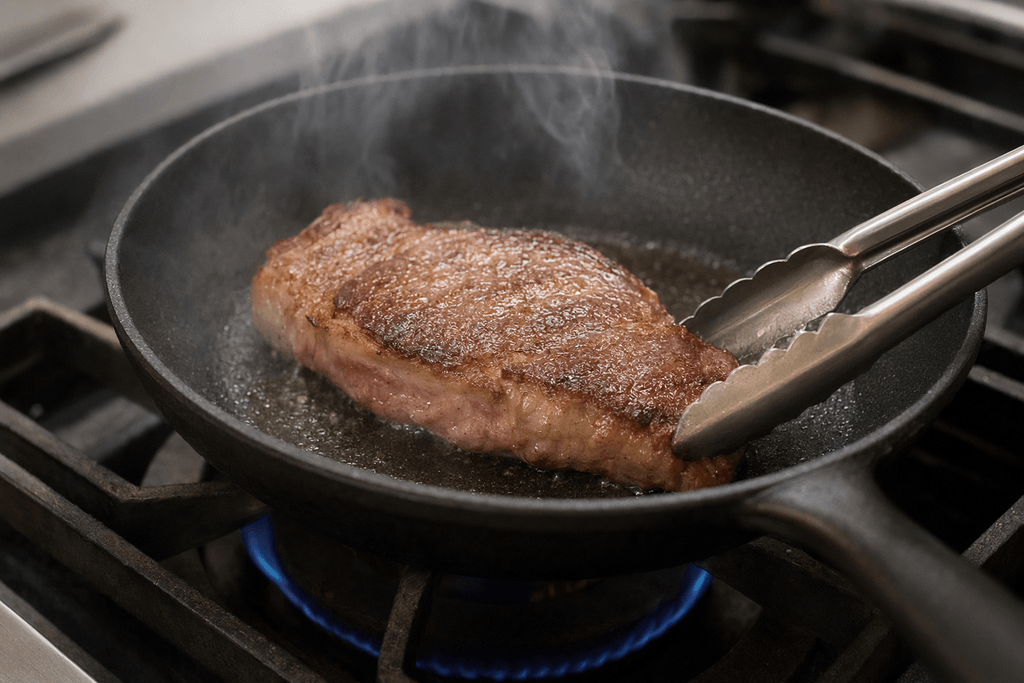
加熱
加热
加熱
加热
Explanation
加熱
加热
加熱
使物体温度升高的过程 / 对材料或食物进行加温的操作 / 升温处理
( Base form )
( romanization )
( hiragana )
Loading...

JLPT N2 多言語単語帳・1790語 / JLPT N2 Multilingual Vocabulary: 1790 Words

Jonathan Waller 氏の JLPT Resources の語彙リスト・レベル分類を出典とし、CC BY の条件に従って DiQt が学習者向けに意味を作り直した1790語の単語帳です。JLPT公式の語彙リストではありません。
This collection of 1790 words is based on the vocabulary list and level classifications in Jonathan Waller’s JLPT Resources under CC BY, with meanings rewritten by DiQt for learners. It is not an official JLPT vocabulary list.
Key Operations
Select the first quiz:
Ctrl + Enter
View Explanation:Ctrl + G
Close a feedback:Esc
When selecting a quiz
Answer:Enter
Select a choice:↓ or ↑
Reading out the question:Ctrl + K
View Hint: Ctrl + M
I don't know: Ctrl + Y



