
JLPT N2 词义四选一 - Unsolved

通过四选一题目,用简体中文学习JLPT N2的1790个单词含义。
-
行人往来
-
销售额
-
等候室
-
重量
-
自此以后
-
校园
-
风琴
-
熟人
-
客满
-
安静的 / 温顺的
-
迟钝的 / 缓慢的
-
可喜的 / 天真的
-
水煮
-
看惯
-
煮熟
-
调味料
-
次数
-
农村
-
目录
-
塑料
-
刷子
-
两侧
-
整体 / 全面的
-
日程
-
净重 / 实际数量
-
雕塑 / 雕刻
-
钉子
-
制作
-
算盘
-
收件人姓名
定休日
固定休息日
定休日
固定休息日
Explanation
定休日
固定休息日
定休日
固定休息日 / 固定休业日 / 例行休息日

( Base form )
( romanization )
( hiragana )
ロビー
大厅
ロビー
大厅
Explanation
大厅
ロビー
大厅 / 门厅 / 大堂

( romanization )
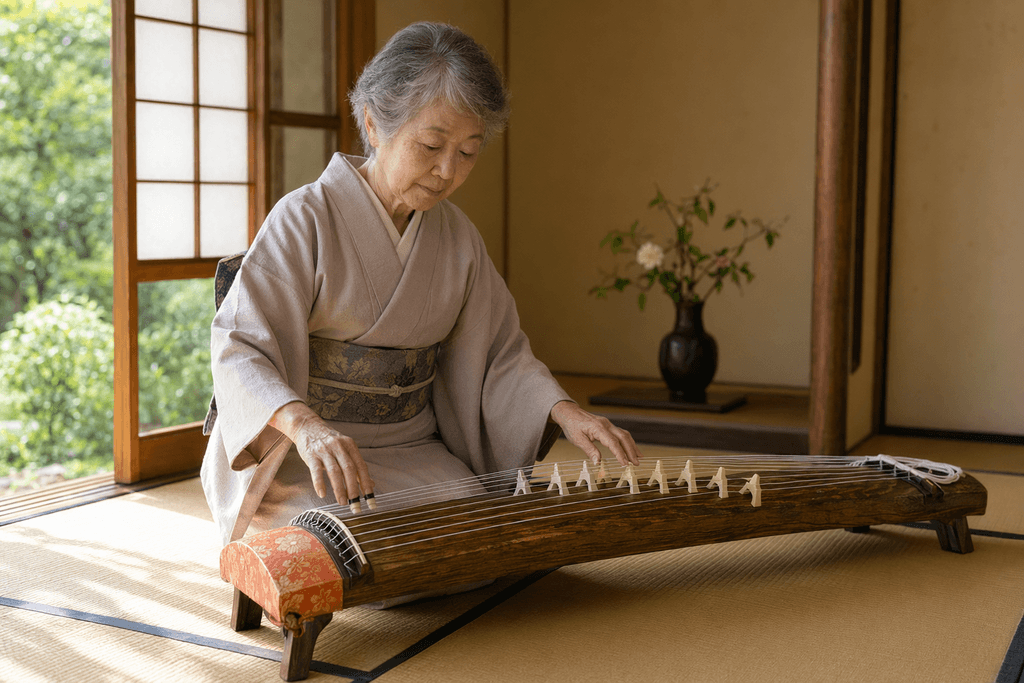
琴
日本筝
琴
日本筝
Explanation
琴
日本筝
琴
日本箏(源自中国古筝的日本筝类拨弦乐器) / (口语)古筝(中国筝类拨弦乐器)
( romanization )
( hiragana )
力強い
强有力的 / 令人安心的
力強い
强有力的 / 令人安心的
Explanation
力強い
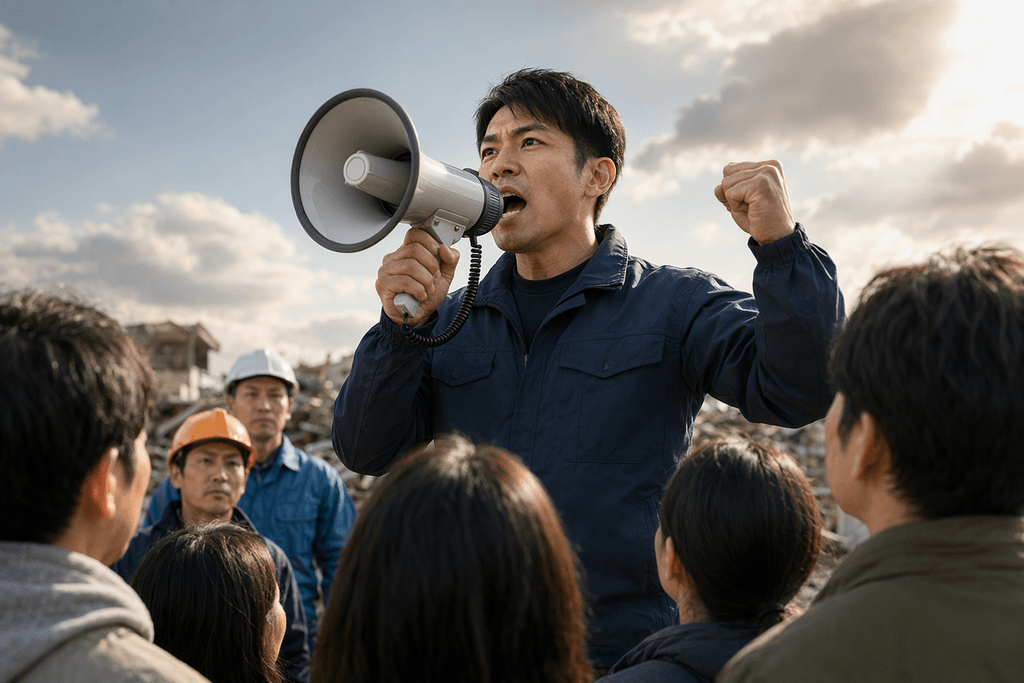
强有力的 / 令人安心的
力強い
强有力的 / 雄劲的 / 令人安心的;鼓舞人心的
Word Forms
The basic and commonly used forms of this adjective.
Basic forms
| Form | Word form | Usage |
|---|---|---|
| Imperfective form (mizenkei) | Used in forms such as karou; mainly literary. | |
| Continuative form (renyokei) |
Alternative:
力強かっ
|
Used in forms such as kute and kunai. |
| Conclusive form (shushikei) | Ends a sentence. | |
| Attributive form (rentaikei) | Modifies a noun. | |
| Conditional form (kateikei) | Expresses a condition with kereba. | |
| Imperative form (meireikei) | Rarely used in modern Japanese. |
Common forms
ぶら下げる
吊着 / 拎着
ぶら下げる
吊着 / 拎着
Explanation
ぶら下げる
吊着 / 拎着
ぶら下げる
悬挂 / 吊挂 / 使物体下垂地挂着

Word Forms
The basic and commonly used forms of this verb.
Basic forms
| Form | Word form | Usage |
|---|---|---|
| Imperfective form (mizenkei) |
Alternative:
ぶらさげ
|
Connects to endings such as nai, reru, and seru. |
| Continuative form (renyokei) |
Alternative:
ぶらさげ
|
Connects to endings such as masu, tai, and ta. |
| Conclusive form (shushikei) |
Alternative:
ぶらさげる
|
Ends a sentence and serves as the dictionary form. |
| Attributive form (rentaikei) |
Alternative:
ぶらさげる
|
Modifies a noun. |
| Conditional form (kateikei) |
Alternative:
ぶらさげれ
|
Combines with ba to express a condition. |
| Imperative form (meireikei) |
Alternative:
ぶら下げよ
ぶらさげろ
ぶらさげよ
|
Expresses a command or instruction. |
Common forms
| Form | Word form | Usage |
|---|---|---|
| Te-form |
Alternative:
ぶらさげて
|
Connects clauses with te. |
| Ta-form |
Alternative:
ぶらさげた
|
Expresses the past with ta. |
| Nai-form |
Alternative:
ぶらさげない
|
Expresses negation with nai. |
| Masu-form |
Alternative:
ぶらさげます
|
Used for polite speech. |
| Ba-form |
Alternative:
ぶらさげれば
|
Expresses a condition with ba. |
| Volitional form |
Alternative:
ぶらさげよう
|
Expresses intention or invitation. |
生存
生存
生存
生存
Explanation
生存
生存
生存
存活;求生 / 生命的存在与延续 / 生存状态

( Base form )
( romanization )
( hiragana )
見出し
标题 / 新闻标题
見出し
标题 / 新闻标题
Explanation
見出し
标题 / 新闻标题
見出し
新闻标题 / 索引项(文本的索引条目) / 词目(词典中的条目词)

( Base form )
( romanization )
項目
项目 / 条目
項目
项目 / 条目
Explanation
項目
项目 / 条目
項目
条目 / 事项 / 款目

( Base form )
( romanization )
( romanization )
( hiragana historical )
( hiragana )
ステージ
舞台 / 演出
ステージ
舞台 / 演出
Explanation
舞台 / 演出
ステージ
舞台;表演场地 / 舞台演出 / (电子游戏)关卡;关

( romanization )
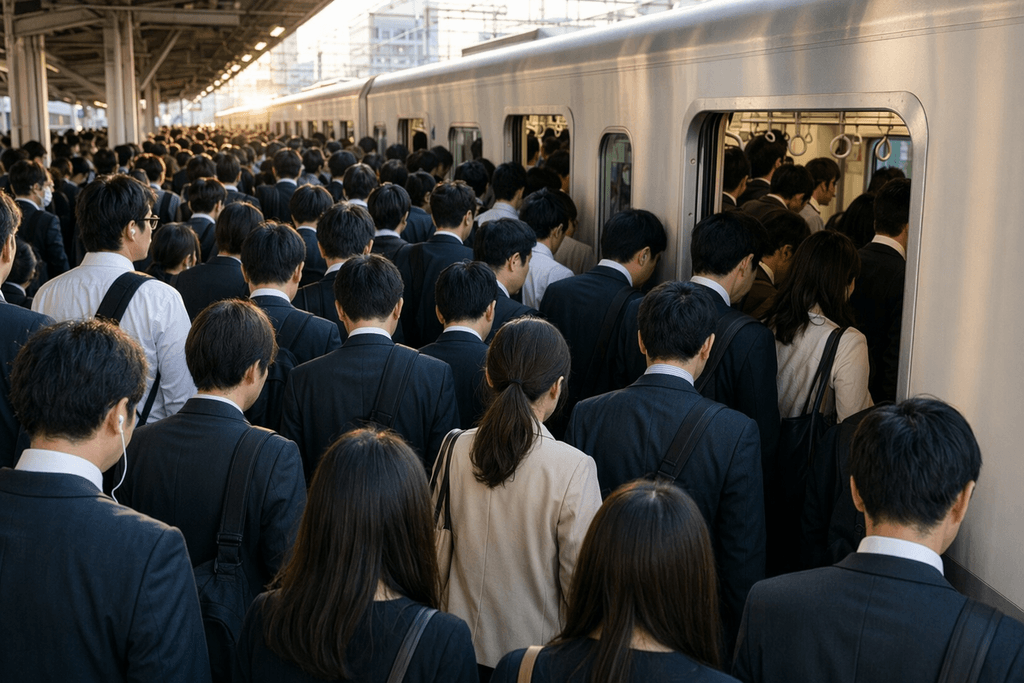
ラッシュアワー
高峰时段
ラッシュアワー
高峰时段
Explanation
高峰时段
ラッシュアワー
交通高峰期 / 上下班高峰时段 / 高峰时段
Loading...

JLPT N2 多言語単語帳・1790語 / JLPT N2 Multilingual Vocabulary: 1790 Words

Jonathan Waller 氏の JLPT Resources の語彙リスト・レベル分類を出典とし、CC BY の条件に従って DiQt が学習者向けに意味を作り直した1790語の単語帳です。JLPT公式の語彙リストではありません。
This collection of 1790 words is based on the vocabulary list and level classifications in Jonathan Waller’s JLPT Resources under CC BY, with meanings rewritten by DiQt for learners. It is not an official JLPT vocabulary list.
Key Operations
Select the first quiz:
Ctrl + Enter
View Explanation:Ctrl + G
Close a feedback:Esc
When selecting a quiz
Answer:Enter
Select a choice:↓ or ↑
Reading out the question:Ctrl + K
View Hint: Ctrl + M
I don't know: Ctrl + Y



