
JLPT N2 词义四选一 - Unsolved

通过四选一题目,用简体中文学习JLPT N2的1790个单词含义。
-
活力
-
肥皂
-
壁龛
-
纬度
-
直尺
-
看护病人
-
有无
-
丝带
-
艺术创作
-
刺 / 戳
-
凌乱
-
娇惯
-
抽象
-
手腕
-
外出
-
螺丝
-
血液
-
收藏品
-
各人
-
过程
-
公布
-
开放
-
原料
-
农村
-
惊人
-
陡峭 / 严厉
-
厚脸皮的
-
新娘
-
贸易公司
-
销售额
おかわり
再来一份
おかわり
再来一份
Explanation
再来一份
おかわり
再来一份 / 续添 / 续杯

( Base form )
( romanization )
さび
锈
さび
锈
Explanation
锈
さび
锈 / 铁锈

( romanization )
( hiragana )
矛盾
矛盾
矛盾
矛盾
Explanation
矛盾
矛盾
矛盾
相互抵触的关系或情况 / 前后不一致、相互不符 / 立场或利益的对立

( Base form )
( romanization )
( stem )
( Past )
( table-tags )
( inflection-template )
( imperfective stem )
( imperfective stem )
( imperfective )
( continuative stem )
( continuative stem )
( continuative )
( stem terminative )
( stem terminative )
( terminative )
( attributive stem )
( attributive stem )
( attributive )
( hypothetical stem )
( hypothetical stem )
( hypothetical )
( Imperative literary stem )
( colloquial Imperative stem )
( Imperative literary stem )
( colloquial Imperative stem )
( Imperative literary )
( colloquial Imperative )
( Passive voice )
( Passive voice )
( Passive voice )
( causative )
( causative )
( causative )
( causative )
( causative )
( causative )
( potential )
( potential )
( potential )
( volitional )
( volitional )
( volitional )
( negative )
( negative )
( negative )
( continuative negative )
( continuative negative )
( continuative negative )
( formal )
( formal )
( formal )
( perfective )
( perfective )
( perfective )
( conjunctive )
( conjunctive )
( conjunctive )
( Conditional hypothetical )
( Conditional hypothetical )
( Conditional hypothetical )
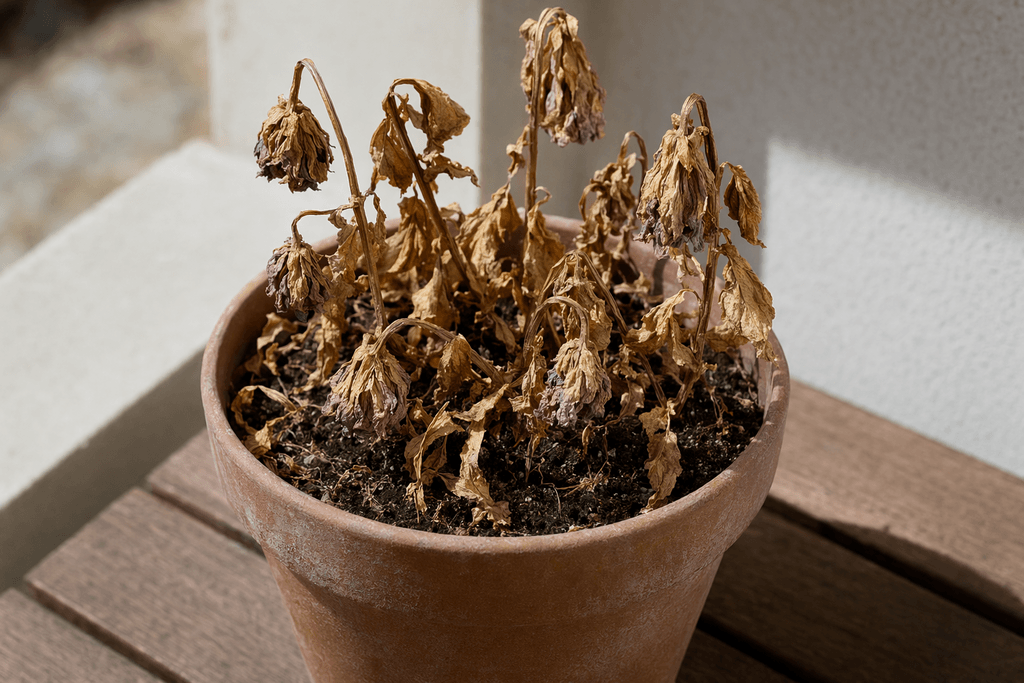
枯れる
枯萎
枯れる
枯萎
Explanation
枯れる
枯萎
枯れる
枯萎 / 干枯 / (植物)死亡
Word Forms
The basic and commonly used forms of this verb.
Basic forms
| Form | Word form | Usage |
|---|---|---|
| Imperfective form (mizenkei) | Connects to endings such as nai, reru, and seru. | |
| Continuative form (renyokei) | Connects to endings such as masu, tai, and ta. | |
| Conclusive form (shushikei) | Ends a sentence and serves as the dictionary form. | |
| Attributive form (rentaikei) | Modifies a noun. | |
| Conditional form (kateikei) | Combines with ba to express a condition. | |
| Imperative form (meireikei) |
Alternative:
枯れよ
|
Expresses a command or instruction. |
Common forms
寝巻き
睡衣
寝巻き
睡衣
Explanation
寝巻き
睡衣
寝巻き
睡衣 / 睡裙 / 睡衣裤

( Base form )
( romanization )
フライパン
平底锅
フライパン
平底锅
Explanation
平底锅
フライパン
平底锅 / 煎锅

( romanization )
線路
铁轨
線路
铁轨
Explanation
線路
铁轨
線路
铁路线;铁路线路 / 铁路的轨道

( Base form )
( romanization )
( hiragana )
作成
编制文件
作成
编制文件
Explanation
作成
编制文件
作成
制作 / 创作 / 编制

( Base form )
( romanization )
( hiragana )
騒々しい
吵闹的
騒々しい
吵闹的
Explanation
騒々しい
吵闹的
騒々しい
吵闹的 / 喧闹的 / 嘈杂的

Word Forms
The basic and commonly used forms of this adjective.
Basic forms
| Form | Word form | Usage |
|---|---|---|
| Imperfective form (mizenkei) | Used in forms such as karou; mainly literary. | |
| Continuative form (renyokei) |
Alternative:
騒々しかっ
|
Used in forms such as kute and kunai. |
| Conclusive form (shushikei) | Ends a sentence. | |
| Attributive form (rentaikei) | Modifies a noun. | |
| Conditional form (kateikei) | Expresses a condition with kereba. | |
| Imperative form (meireikei) | Rarely used in modern Japanese. |
Common forms
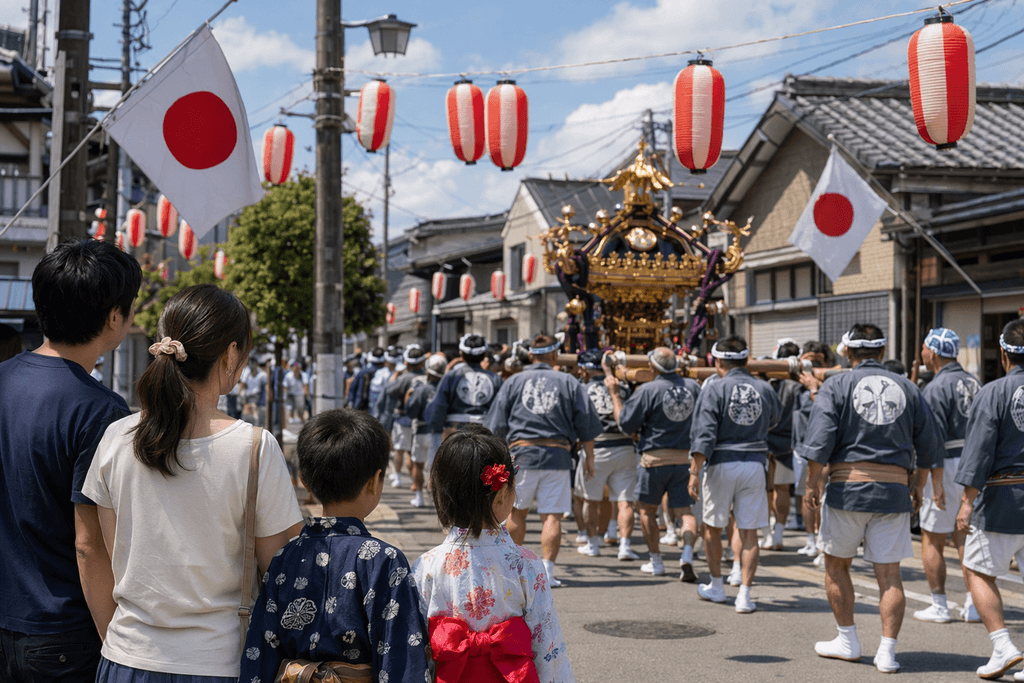
祭日
节日 / 祭祀日
祭日
节日 / 祭祀日
Explanation
祭日
节日 / 祭祀日
祭日
国定假日 / 国家庆祝日 / 全国性节日
( Base form )
( romanization )
( hiragana )
Loading...

JLPT N2 多言語単語帳・1790語 / JLPT N2 Multilingual Vocabulary: 1790 Words

Jonathan Waller 氏の JLPT Resources の語彙リスト・レベル分類を出典とし、CC BY の条件に従って DiQt が学習者向けに意味を作り直した1790語の単語帳です。JLPT公式の語彙リストではありません。
This collection of 1790 words is based on the vocabulary list and level classifications in Jonathan Waller’s JLPT Resources under CC BY, with meanings rewritten by DiQt for learners. It is not an official JLPT vocabulary list.
Key Operations
Select the first quiz:
Ctrl + Enter
View Explanation:Ctrl + G
Close a feedback:Esc
When selecting a quiz
Answer:Enter
Select a choice:↓ or ↑
Reading out the question:Ctrl + K
View Hint: Ctrl + M
I don't know: Ctrl + Y



