
JLPT N2 词义四选一 - Unsolved

通过四选一题目,用简体中文学习JLPT N2的1790个单词含义。
-
污水 / 下水道
-
碎屑
-
午餐
-
淡水
-
姓氏
-
方言
-
不知为何
-
这样
-
总之
-
知道 / 认为
-
赚钱
-
讨伐 / 报仇
-
装饰
-
系列
-
晚报
-
乘车
-
动物脂肪
-
水坝
-
强有力的 / 令人安心的
-
陡峭 / 严厉
-
冒失的
- イ形容詞として活用する。「申し訳無い」とも表記される。
-
命令 / 任命
-
晾干
-
争执 / 竞争
-
大厅
-
用具
-
学术
-
免税
-
鸟群 / 兽群
-
借口
姿勢
姿势 / 态度
姿勢
姿势 / 态度
Explanation
姿勢
姿势 / 态度
姿勢
身体的姿势 / 态度;立场

( Base form )
( romanization )
( hiragana )
中間
中间 / 中期
中間
中间 / 中期
Explanation
中間
中间 / 中期
中間
中央;中心处 / 中途;半路 / 两者之间的部分

( Base form )
( romanization )
( hiragana )
絶えず
不断地
絶えず
不断地
Explanation
絶えず
不断地
絶えず
不断地 / 持续地 / 不间断地

( Base form )
( romanization )
こぼれる
洒出
こぼれる
洒出
Explanation
洒出
こぼれる
溢出;洒出;漏出 / 散落;纷落 / (眼泪等)滑落;涌出

Word Forms
The basic and commonly used forms of this verb.
Basic forms
| Form | Word form | Usage |
|---|---|---|
| Imperfective form (mizenkei) |
Alternative:
零れ
|
Connects to endings such as nai, reru, and seru. |
| Continuative form (renyokei) |
Alternative:
零れ
|
Connects to endings such as masu, tai, and ta. |
| Conclusive form (shushikei) |
Alternative:
零れる
|
Ends a sentence and serves as the dictionary form. |
| Attributive form (rentaikei) |
Alternative:
零れる
|
Modifies a noun. |
| Conditional form (kateikei) |
Alternative:
零れれ
|
Combines with ba to express a condition. |
| Imperative form (meireikei) |
Alternative:
こぼれよ
零れろ
零れよ
|
Expresses a command or instruction. |
Common forms
| Form | Word form | Usage |
|---|---|---|
| Te-form |
Alternative:
零れて
|
Connects clauses with te. |
| Ta-form |
Alternative:
零れた
|
Expresses the past with ta. |
| Nai-form |
Alternative:
零れない
|
Expresses negation with nai. |
| Masu-form |
Alternative:
零れます
|
Used for polite speech. |
| Ba-form |
Alternative:
零れれば
|
Expresses a condition with ba. |
| Volitional form |
Alternative:
零れよう
|
Expresses intention or invitation. |
例外
例外
例外
例外
Explanation
例外
例外
例外
与通常规则或惯例不一致的情况 / 特殊、不按常规的事物或条件 / 免于适用某规定的情形

( Base form )
( romanization )
( hiragana )
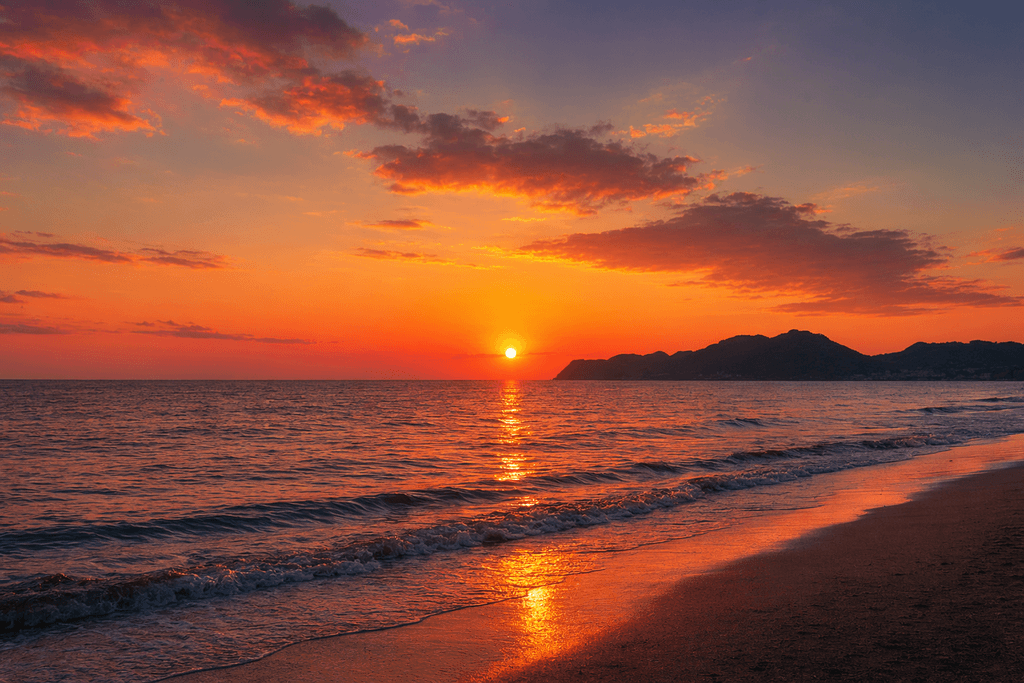
日の入り
日落
日の入り
日落
Explanation
日の入り
日落
日の入り
日落 / 落日 / 太阳下山的时刻
( Base form )
( romanization )
申し訳ない
抱歉 / 不可原谅
申し訳ない
抱歉 / 不可原谅
Explanation
申し訳ない
抱歉 / 不可原谅
申し訳ない
抱歉的 / 歉疚的 / 过意不去的

Word Forms
The basic and commonly used forms of this adjective.
Basic forms
| Form | Word form | Usage |
|---|---|---|
| Imperfective form (mizenkei) |
Alternative:
申し訳無かろ
|
Used in forms such as karou; mainly literary. |
| Continuative form (renyokei) |
Alternative:
申し訳無く
申し訳なかっ
申し訳無かっ
|
Used in forms such as kute and kunai. |
| Conclusive form (shushikei) |
Alternative:
申し訳無い
|
Ends a sentence. |
| Attributive form (rentaikei) |
Alternative:
申し訳無い
|
Modifies a noun. |
| Conditional form (kateikei) |
Alternative:
申し訳無けれ
|
Expresses a condition with kereba. |
| Imperative form (meireikei) |
Alternative:
申し訳無かれ
|
Rarely used in modern Japanese. |
Common forms
| Form | Word form | Usage |
|---|---|---|
| Te-form |
Alternative:
申し訳無くて
|
Connects clauses with kute. |
| Ta-form |
Alternative:
申し訳無かった
|
Expresses the past with katta. |
| Nai-form |
Alternative:
申し訳無くない
|
Expresses negation with kunai. |
| Ba-form |
Alternative:
申し訳無ければ
|
Expresses a condition with kereba. |
Notes
編む
编织 / 编纂
編む
编织 / 编纂
Explanation
編む
编织 / 编纂
編む
编织 / 编辫子 / 编结

Word Forms
The basic and commonly used forms of this verb.
Basic forms
| Form | Word form | Usage |
|---|---|---|
| Imperfective form (mizenkei) |
Alternative:
編も
|
Connects to endings such as nai, reru, and seru. |
| Continuative form (renyokei) | Connects to endings such as masu, tai, and ta. | |
| Conclusive form (shushikei) | Ends a sentence and serves as the dictionary form. | |
| Attributive form (rentaikei) | Modifies a noun. | |
| Conditional form (kateikei) | Combines with ba to express a condition. | |
| Imperative form (meireikei) | Expresses a command or instruction. |
Common forms
電力
电力
電力
电力
Explanation
電力
电力
電力
电能;电的能量 / 供电;电力供应 / 电功率

( Base form )
( romanization )
( hiragana )
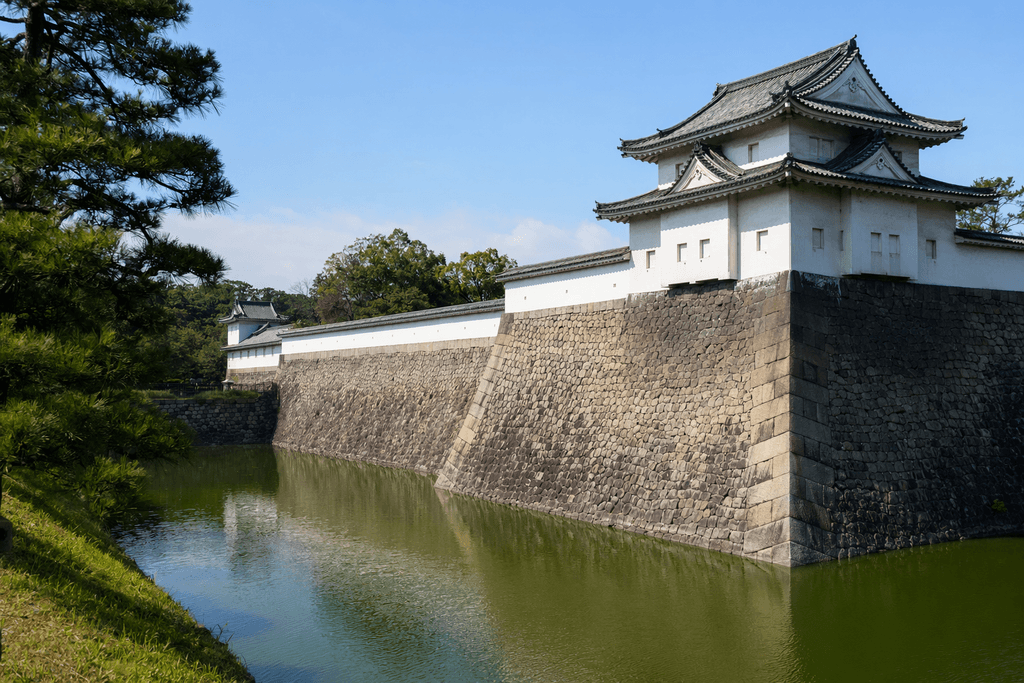
堀
护城河
堀
护城河
Explanation
堀
护城河
堀
沟渠 / 运河 / 护城河
( romanization )
( hiragana )
Loading...

JLPT N2 多言語単語帳・1790語 / JLPT N2 Multilingual Vocabulary: 1790 Words

Jonathan Waller 氏の JLPT Resources の語彙リスト・レベル分類を出典とし、CC BY の条件に従って DiQt が学習者向けに意味を作り直した1790語の単語帳です。JLPT公式の語彙リストではありません。
This collection of 1790 words is based on the vocabulary list and level classifications in Jonathan Waller’s JLPT Resources under CC BY, with meanings rewritten by DiQt for learners. It is not an official JLPT vocabulary list.
Key Operations
Select the first quiz:
Ctrl + Enter
View Explanation:Ctrl + G
Close a feedback:Esc
When selecting a quiz
Answer:Enter
Select a choice:↓ or ↑
Reading out the question:Ctrl + K
View Hint: Ctrl + M
I don't know: Ctrl + Y



