
JLPT N2 词义四选一 - Unsolved

通过四选一题目,用简体中文学习JLPT N2的1790个单词含义。
-
好朋友
-
含糊的
-
无忧无虑的 / 漫不经心的
-
积攒
-
建成
-
欺骗
- 「会う」と同じ五段活用。望ましくない出来事・災難などに遭遇する意味で用いる。
-
加速
-
会馆
-
门牌号
-
牙膏 / 刷牙
-
氢
-
校园
-
值日
-
口罩
-
致贵单位
-
煮饭
-
冷静下来 / 安定下来
-
驯服
- 「組立てる」は表記ゆれ。
-
半径
-
发展 / 展开
-
出生日期
-
收进 / 采纳
-
翻过来
-
擦拭
-
郊游
-
时速
-
单数
-
和尚
-
发挥
-
主题
欲張り
贪心
欲張り
贪心
Explanation
欲張り
贪心
欲張り
贪婪的人 / 贪心鬼 / 贪得无厌的人

Word Forms
The basic and commonly used forms of this adjectival noun.
Basic forms
| Form | Word form | Usage |
|---|---|---|
| Imperfective form (mizenkei) |
Alternative:
欲張りでしょ
|
Used in forms such as darou. |
| Continuative form (renyokei) |
Alternative:
欲張りに
欲張りだっ
|
Used with de or ni. |
| Conclusive form (shushikei) | Ends a sentence with da. | |
| Attributive form (rentaikei) | Modifies a noun with na. | |
| Conditional form (kateikei) |
Alternative:
欲張りならば
|
Expresses a condition with nara. |
| Imperative form (meireikei) | Used in formal expressions such as de are. |
Common forms
遭う
遭遇
遭う
遭遇
Explanation
遭う
遭遇
遭う
遭遇;遭到(多指不幸或灾祸) / 遇到;碰上

Word Forms
The basic and commonly used forms of this verb.
Basic forms
| Form | Word form | Usage |
|---|---|---|
| Imperfective form (mizenkei) |
Alternative:
遭お
|
Connects to endings such as nai, reru, and seru. |
| Continuative form (renyokei) | Connects to endings such as masu, tai, and ta. | |
| Conclusive form (shushikei) | Ends a sentence and serves as the dictionary form. | |
| Attributive form (rentaikei) | Modifies a noun. | |
| Conditional form (kateikei) | Combines with ba to express a condition. | |
| Imperative form (meireikei) | Expresses a command or instruction. |
Common forms
| Form | Word form | Usage |
|---|---|---|
| Te-form | Connects clauses with te. | |
| Ta-form | Expresses the past with ta. | |
| Nai-form | Expresses negation with nai. | |
| Masu-form | Used for polite speech. | |
| Ba-form | Expresses a condition with ba. | |
| Volitional form | Expresses intention or invitation. |
Notes
顕微鏡
显微镜
顕微鏡
显微镜
Explanation
顕微鏡
显微镜
顕微鏡
放大微小物体的光学仪器 / 用于观察细胞、微生物等微观结构的设备 / 通过透镜或电子束实现高倍率成像的仪器

( Base form )
( romanization )
( romanization )
( kyūjitai )
( hiragana historical )
( hiragana )
民間
民间
民間
民间
Explanation
民間
民间
民間
民间的;非官方的 / 私人、非政府的

( Base form )
( romanization )
( hiragana )
森林
森林
森林
森林
Explanation
森林
森林
森林
大片树木繁生的区域 / 木材

( Base form )
( romanization )
( hiragana )
組み立てる
组装
組み立てる
组装
Explanation
組み立てる
组装
組み立てる
组装 / 装配 / 搭建

Word Forms
The basic and commonly used forms of this verb.
Basic forms
| Form | Word form | Usage |
|---|---|---|
| Imperfective form (mizenkei) |
Alternative:
組立て
|
Connects to endings such as nai, reru, and seru. |
| Continuative form (renyokei) |
Alternative:
組立て
|
Connects to endings such as masu, tai, and ta. |
| Conclusive form (shushikei) |
Alternative:
組立てる
|
Ends a sentence and serves as the dictionary form. |
| Attributive form (rentaikei) |
Alternative:
組立てる
|
Modifies a noun. |
| Conditional form (kateikei) |
Alternative:
組立てれ
|
Combines with ba to express a condition. |
| Imperative form (meireikei) |
Alternative:
組み立てよ
組立てろ
組立てよ
|
Expresses a command or instruction. |
Common forms
| Form | Word form | Usage |
|---|---|---|
| Te-form |
Alternative:
組立てて
|
Connects clauses with te. |
| Ta-form |
Alternative:
組立てた
|
Expresses the past with ta. |
| Nai-form |
Alternative:
組立てない
|
Expresses negation with nai. |
| Masu-form |
Alternative:
組立てます
|
Used for polite speech. |
| Ba-form |
Alternative:
組立てれば
|
Expresses a condition with ba. |
| Volitional form |
Alternative:
組立てよう
|
Expresses intention or invitation. |
Notes
方針
方针
方針
方针
Explanation
方針
方针
方針
政策;指导原则;行动方向 / 磁针;指南针的针

( Base form )
( romanization )
( romanization )
( hiragana historical )
( hiragana )
仕上がる
完成
仕上がる
完成
Explanation
仕上がる
完成
仕上がる
完成 / 完工 / 做完

Word Forms
The basic and commonly used forms of this verb.
Basic forms
| Form | Word form | Usage |
|---|---|---|
| Imperfective form (mizenkei) |
Alternative:
仕上がろ
|
Connects to endings such as nai, reru, and seru. |
| Continuative form (renyokei) | Connects to endings such as masu, tai, and ta. | |
| Conclusive form (shushikei) | Ends a sentence and serves as the dictionary form. | |
| Attributive form (rentaikei) | Modifies a noun. | |
| Conditional form (kateikei) | Combines with ba to express a condition. | |
| Imperative form (meireikei) | Expresses a command or instruction. |
Common forms
国立
国立的
国立
国立的
Explanation
国立
国立的
国立
国家设立的(如大学、公园等) / 国有的;国家管理的

( Base form )
( romanization )
( kyūjitai )
( hiragana )
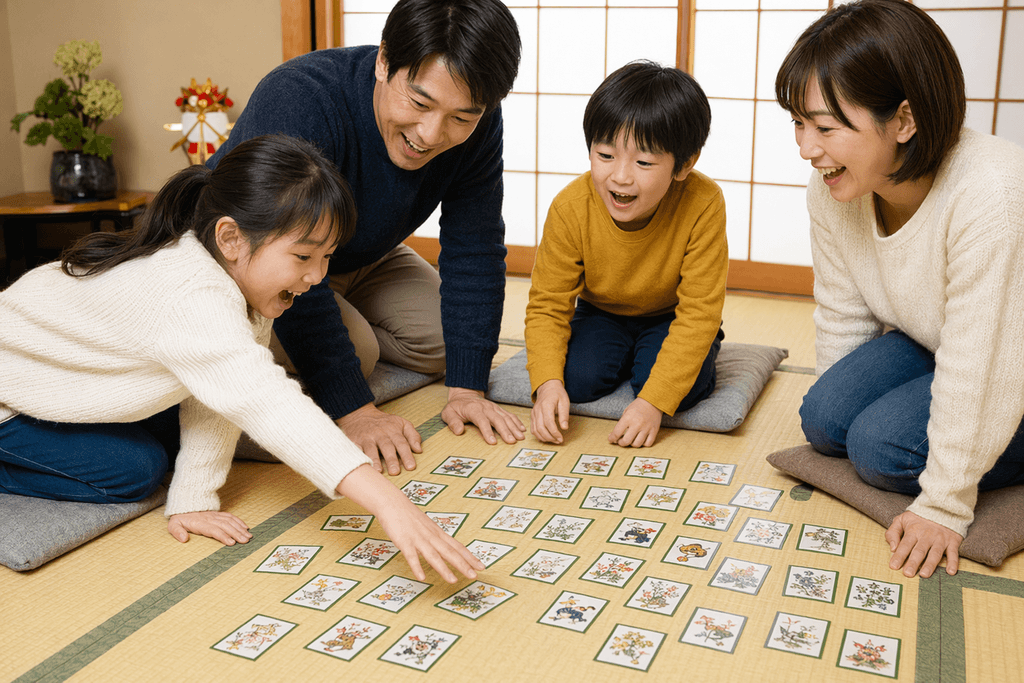
かるた
歌留多纸牌
かるた
歌留多纸牌
Explanation
歌留多纸牌
かるた
日本传统纸牌游戏 / 用印有诗句或词语的卡片进行配对抢读的游戏 / 该游戏所用的纸牌
( romanization )
Loading...

JLPT N2 多言語単語帳・1790語 / JLPT N2 Multilingual Vocabulary: 1790 Words

Jonathan Waller 氏の JLPT Resources の語彙リスト・レベル分類を出典とし、CC BY の条件に従って DiQt が学習者向けに意味を作り直した1790語の単語帳です。JLPT公式の語彙リストではありません。
This collection of 1790 words is based on the vocabulary list and level classifications in Jonathan Waller’s JLPT Resources under CC BY, with meanings rewritten by DiQt for learners. It is not an official JLPT vocabulary list.
Key Operations
Select the first quiz:
Ctrl + Enter
View Explanation:Ctrl + G
Close a feedback:Esc
When selecting a quiz
Answer:Enter
Select a choice:↓ or ↑
Reading out the question:Ctrl + K
View Hint: Ctrl + M
I don't know: Ctrl + Y



