
JLPT N5: Significados das palavras - Unsolved

Aprenda em português os significados de 665 palavras do JLPT N5 com questões de quatro alternativas.
-
lavar
-
chover / nevar
-
apagar / desligar
-
aquele
-
grande
-
qual
-
primavera
-
tempo / hora
-
vinte dias / dia vinte
-
nove dias / dia nove
-
esquina
-
entrada
-
sul
-
gravata
-
tempo livre
-
pesado
-
vermelho
-
divertido
-
cabeça
-
todos
-
metrô
-
deste tipo
-
este
-
qual
-
loja
-
bolsa
-
fora
-
dez mil
-
carne bovina
-
leste
終わる
terminar
終わる
terminar
Explanation
終わる
terminar
終わる
terminar / chegar ao fim / encerrar-se

Word Forms
The basic and commonly used forms of this verb.
Basic forms
| Form | Word form | Usage |
|---|---|---|
| Imperfective form (mizenkei) |
Alternative:
終わろ
|
Connects to endings such as nai, reru, and seru. |
| Continuative form (renyokei) |
Alternative:
終わっ
|
Connects to endings such as masu, tai, and ta. |
| Conclusive form (shushikei) | Ends a sentence and serves as the dictionary form. | |
| Attributive form (rentaikei) | Modifies a noun. | |
| Conditional form (kateikei) | Combines with ba to express a condition. | |
| Imperative form (meireikei) | Expresses a command or instruction. |
Common forms
小さな
pequeno
小さな
pequeno
Explanation
小さな
pequeno
小さな
pequeno; minúsculo / jovem; de pouca idade

魚
peixe
魚
peixe
Explanation
魚
peixe
魚
peixe / animal aquático pescado para alimento

( romanization )
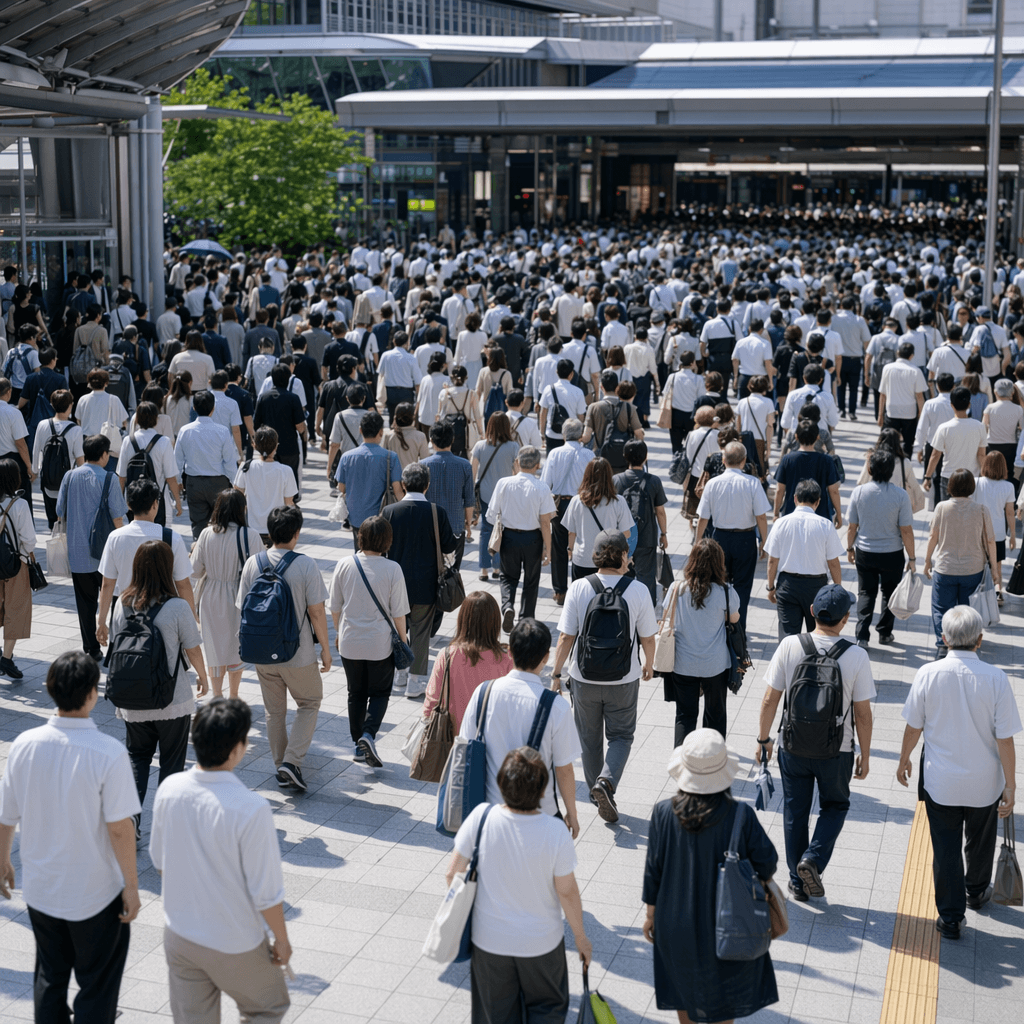
大勢
muitas pessoas
大勢
muitas pessoas
Explanation
大勢
muitas pessoas
大勢
multidão / grande número de pessoas / muita gente
( Base form )
( romanization )
( hiragana )
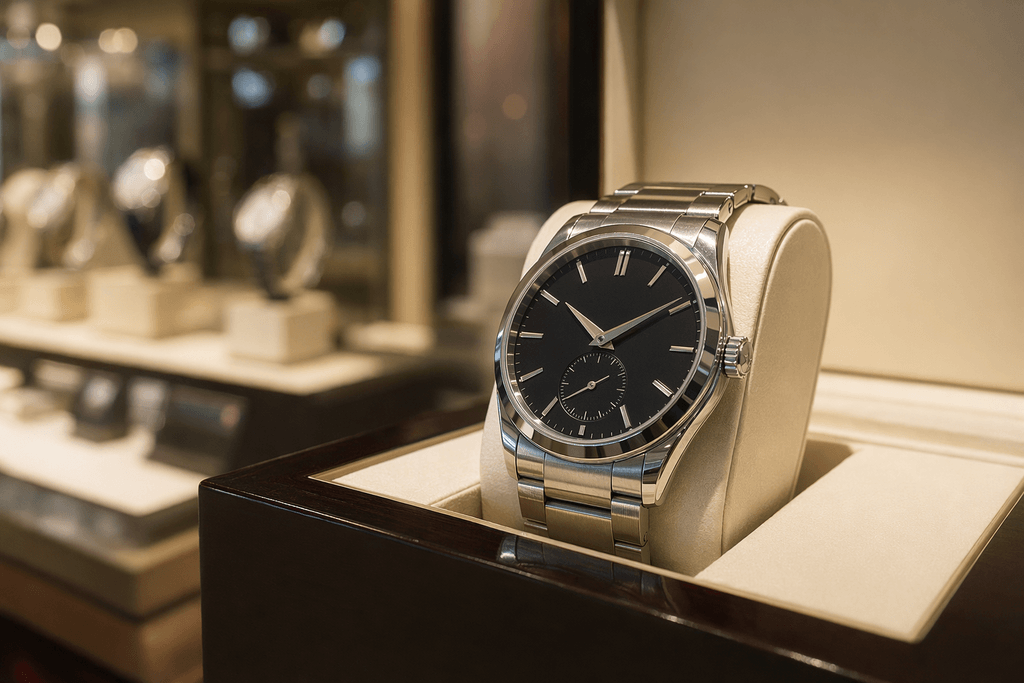
時計
relógio de pulso / relógio
時計
relógio de pulso / relógio
Explanation
時計
relógio de pulso / relógio
時計
relógio / instrumento que marca as horas / medidor do tempo
( Base form )
( romanization )
( hiragana )
明るい
claro
明るい
claro
Explanation
明るい
claro
明るい
claro / brilhante / iluminado

Word Forms
The basic and commonly used forms of this adjective.
Basic forms
| Form | Word form | Usage |
|---|---|---|
| Imperfective form (mizenkei) | Used in forms such as karou; mainly literary. | |
| Continuative form (renyokei) |
Alternative:
明るかっ
|
Used in forms such as kute and kunai. |
| Conclusive form (shushikei) | Ends a sentence. | |
| Attributive form (rentaikei) | Modifies a noun. | |
| Conditional form (kateikei) | Expresses a condition with kereba. | |
| Imperative form (meireikei) | Rarely used in modern Japanese. |
Common forms
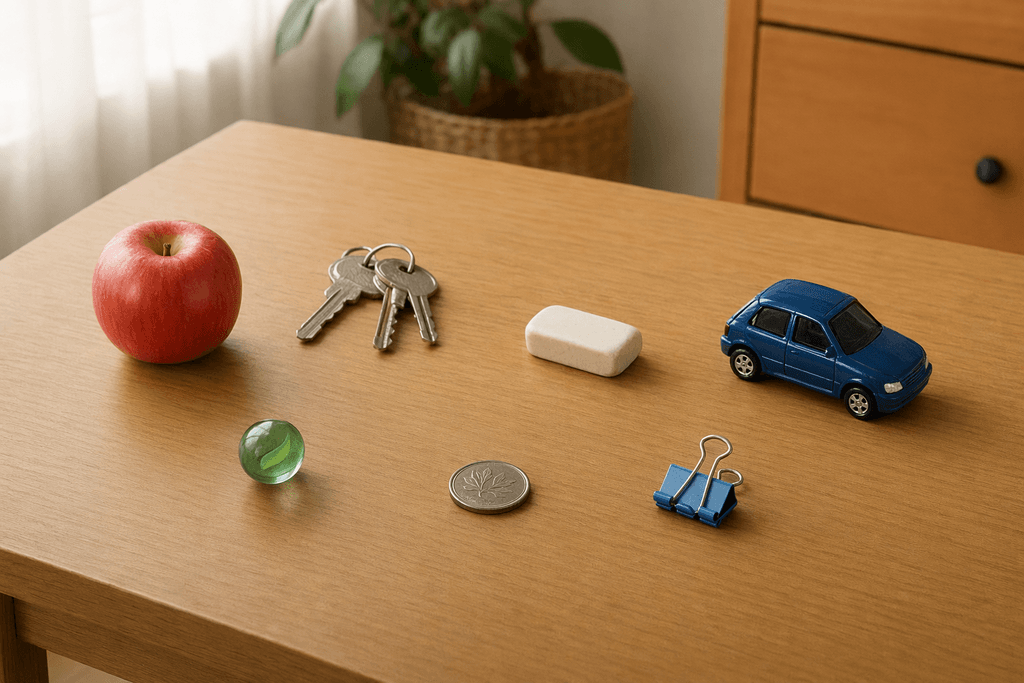
七つ
sete
七つ
sete
Explanation
七つ
sete
七つ
sete coisas / sete unidades / sete itens (contagem geral, para objetos pequenos ou sem contador específico)
( Base form )
( romanization )
同じ
igual
同じ
igual
Explanation
同じ
igual
同じ
igual / semelhante / comum

( romanization )
犬
cachorro
犬
cachorro
Explanation
犬
cachorro
犬
cão / cachorro

( romanization )
( counter )
( hiragana )
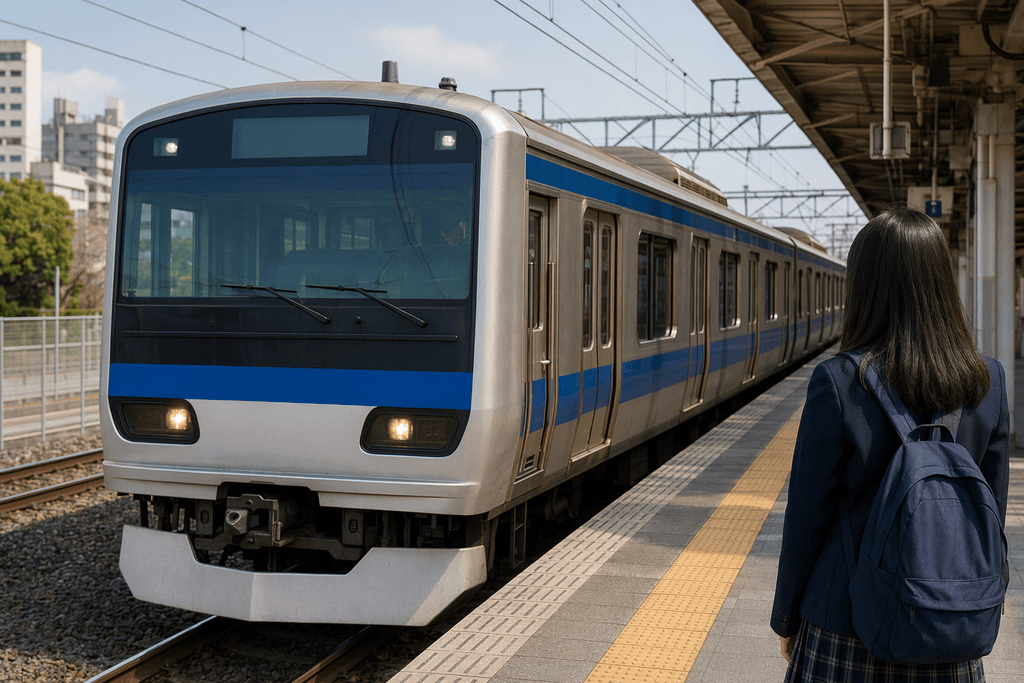
電車
trem elétrico
電車
trem elétrico
Explanation
電車
trem elétrico
電車
trem elétrico / trem / comboio elétrico
( Base form )
( romanization )
( hiragana )
Loading...

JLPT N5 多言語単語帳・665語 / JLPT N5 Multilingual Vocabulary: 665 Words

Jonathan Waller 氏の JLPT Resources の語彙リスト・レベル分類を出典とし、CC BY の条件に従って DiQt が初級向けに意味を作り直した665語の単語帳です。JLPT公式の語彙リストではありません。
This collection of 665 words is based on the vocabulary list and level classifications in Jonathan Waller’s JLPT Resources under CC BY, with meanings rewritten by DiQt for beginners. It is not an official JLPT vocabulary list.
Key Operations
Select the first quiz:
Ctrl + Enter
View Explanation:Ctrl + G
Close a feedback:Esc
When selecting a quiz
Answer:Enter
Select a choice:↓ or ↑
Reading out the question:Ctrl + K
View Hint: Ctrl + M
I don't know: Ctrl + Y



