
JLPT N5: Significados das palavras - Unsolved

Aprenda em português os significados de 665 palavras do JLPT N5 com questões de quatro alternativas.
-
entregar
-
morrer
-
correr
-
muitas pessoas
-
estação
-
calça
-
notícias
-
revista
-
elevador
-
grande
-
velho
-
querer
-
direção vertical
-
doença
-
tempo livre
-
açúcar
-
avó / senhora idosa
-
ao lado
-
esta noite
-
faca
-
dez dias / dia dez
-
mesa
-
estudante internacional
-
animal
-
fechar
-
nascer
-
terminar
-
forte
-
fofo
-
quentinho
休む
descansar / tirar folga
休む
descansar / tirar folga
Explanation
休む
descansar / tirar folga
休む
descansar / ausentar-se / tirar folga

Word Forms
The basic and commonly used forms of this verb.
Basic forms
| Form | Word form | Usage |
|---|---|---|
| Imperfective form (mizenkei) |
Alternative:
休も
|
Connects to endings such as nai, reru, and seru. |
| Continuative form (renyokei) | Connects to endings such as masu, tai, and ta. | |
| Conclusive form (shushikei) | Ends a sentence and serves as the dictionary form. | |
| Attributive form (rentaikei) | Modifies a noun. | |
| Conditional form (kateikei) | Combines with ba to express a condition. | |
| Imperative form (meireikei) | Expresses a command or instruction. |
Common forms
去年
ano passado
去年
ano passado
Explanation
去年
ano passado
去年
ano passado / último ano
( romanization )
( hiragana )
あし
pé / perna
あし
pé / perna
Explanation
pé / perna
あし
pé / perna

( romanization )
( romanization )
( hiragana historical )
強い
forte
強い
forte
Explanation
強い
forte
強い
forte / resistente / intenso

Word Forms
The basic and commonly used forms of this adjective.
Basic forms
| Form | Word form | Usage |
|---|---|---|
| Imperfective form (mizenkei) | Used in forms such as karou; mainly literary. | |
| Continuative form (renyokei) |
Alternative:
強かっ
|
Used in forms such as kute and kunai. |
| Conclusive form (shushikei) | Ends a sentence. | |
| Attributive form (rentaikei) | Modifies a noun. | |
| Conditional form (kateikei) | Expresses a condition with kereba. | |
| Imperative form (meireikei) | Rarely used in modern Japanese. |
Common forms
質問
pergunta
質問
pergunta
Explanation
質問
pergunta
質問
pergunta / questionamento / indagação

( Base form )
( romanization )
( hiragana )
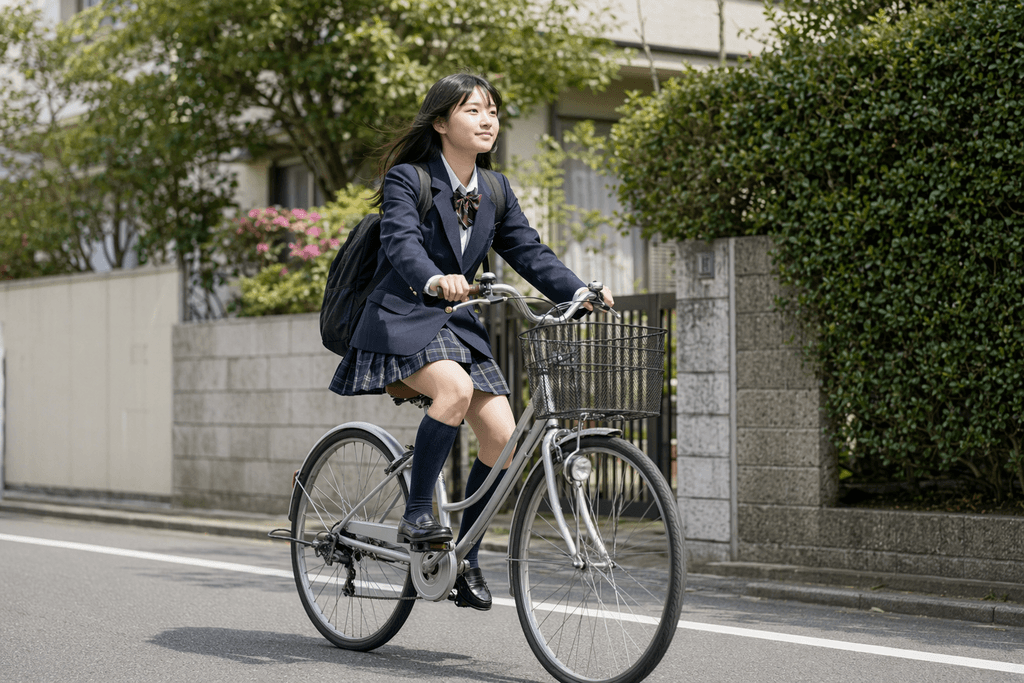
自転車
bicicleta
自転車
bicicleta
Explanation
自転車
bicicleta
自転車
bicicleta / veículo de duas rodas movido a pedais
( Base form )
( romanization )
( romanization )
( counter )
( kyūjitai )
( hiragana historical )
( hiragana )
門
portão
門
portão
Explanation
門
portão
門
portão; entrada / filo; divisão biológica / ramo; área; escola ou seita

( romanization )
( hiragana )
今月
este mês
今月
este mês
Explanation
今月
este mês
今月
este mês / o mês atual / mês corrente

( Base form )
( romanization )
( hiragana )
泳ぐ
nadar
泳ぐ
nadar
Explanation
泳ぐ
nadar
泳ぐ
nadar / deslocar-se nadando

Word Forms
The basic and commonly used forms of this verb.
Basic forms
| Form | Word form | Usage |
|---|---|---|
| Imperfective form (mizenkei) |
Alternative:
泳ご
|
Connects to endings such as nai, reru, and seru. |
| Continuative form (renyokei) |
Alternative:
泳い
|
Connects to endings such as masu, tai, and ta. |
| Conclusive form (shushikei) | Ends a sentence and serves as the dictionary form. | |
| Attributive form (rentaikei) | Modifies a noun. | |
| Conditional form (kateikei) | Combines with ba to express a condition. | |
| Imperative form (meireikei) | Expresses a command or instruction. |
Common forms
軽い
leve
軽い
leve
Explanation
軽い
leve
軽い
leve / de pouco peso / não pesado

Word Forms
The basic and commonly used forms of this adjective.
Basic forms
| Form | Word form | Usage |
|---|---|---|
| Imperfective form (mizenkei) | Used in forms such as karou; mainly literary. | |
| Continuative form (renyokei) |
Alternative:
軽かっ
|
Used in forms such as kute and kunai. |
| Conclusive form (shushikei) | Ends a sentence. | |
| Attributive form (rentaikei) | Modifies a noun. | |
| Conditional form (kateikei) | Expresses a condition with kereba. | |
| Imperative form (meireikei) | Rarely used in modern Japanese. |
Common forms
Loading...

JLPT N5 多言語単語帳・665語 / JLPT N5 Multilingual Vocabulary: 665 Words

Jonathan Waller 氏の JLPT Resources の語彙リスト・レベル分類を出典とし、CC BY の条件に従って DiQt が初級向けに意味を作り直した665語の単語帳です。JLPT公式の語彙リストではありません。
This collection of 665 words is based on the vocabulary list and level classifications in Jonathan Waller’s JLPT Resources under CC BY, with meanings rewritten by DiQt for beginners. It is not an official JLPT vocabulary list.
Key Operations
Select the first quiz:
Ctrl + Enter
View Explanation:Ctrl + G
Close a feedback:Esc
When selecting a quiz
Answer:Enter
Select a choice:↓ or ↑
Reading out the question:Ctrl + K
View Hint: Ctrl + M
I don't know: Ctrl + Y



