
JLPT N5: Significados das palavras - Unsolved

Aprenda em português os significados de 665 palavras do JLPT N5 com questões de quatro alternativas.
-
ficar de pé
-
escrever
-
trabalhar
-
não gostar
-
saudável / animado
-
sem habilidade
-
meio-dia / período diurno
-
rio
-
orelha
-
um
-
primavera
-
bolso
-
tirar a roupa
-
vestir roupa
-
fazer
- 読みは「いく」のほか「ゆく」もある。
- 「行く」は五段カ行だが、テ形・タ形は通常「行って」「行った」となる。
-
saia
-
brincar
-
mar
-
papel
-
bala
-
ao lado
-
avô / senhor idoso
-
um
-
empresa
-
grosso
-
ruim
-
longe
- 漢字表記は「面白い」。
-
pequeno
-
preto
-
barulhento / irritante
押す
empurrar / apertar
押す
empurrar / apertar
Explanation
押す
empurrar / apertar
押す
empurrar; pressionar / apertar; acionar / carimbar; afixar um selo

Word Forms
The basic and commonly used forms of this verb.
Basic forms
| Form | Word form | Usage |
|---|---|---|
| Imperfective form (mizenkei) |
Alternative:
押そ
|
Connects to endings such as nai, reru, and seru. |
| Continuative form (renyokei) | Connects to endings such as masu, tai, and ta. | |
| Conclusive form (shushikei) | Ends a sentence and serves as the dictionary form. | |
| Attributive form (rentaikei) | Modifies a noun. | |
| Conditional form (kateikei) | Combines with ba to express a condition. | |
| Imperative form (meireikei) | Expresses a command or instruction. |
Common forms
上手
habilidoso
上手
habilidoso
Explanation
上手
habilidoso
上手
habilidoso / bom em (algo) / exímio

Word Forms
The basic and commonly used forms of this adjectival noun.
Basic forms
| Form | Word form | Usage |
|---|---|---|
| Imperfective form (mizenkei) | Used in forms such as darou. | |
| Continuative form (renyokei) |
Alternative:
上手に
|
Used with de or ni. |
| Conclusive form (shushikei) | Ends a sentence with da. | |
| Attributive form (rentaikei) | Modifies a noun with na. | |
| Conditional form (kateikei) | Expresses a condition with nara. | |
| Imperative form (meireikei) | Used in formal expressions such as de are. |
Common forms
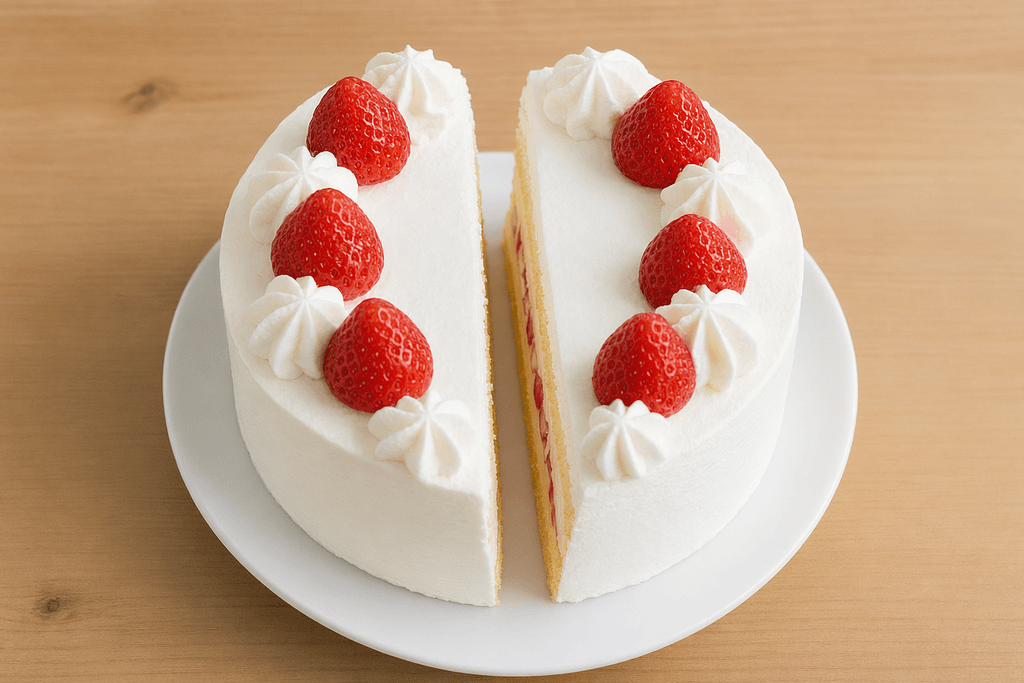
はんぶん
metade
はんぶん
metade
Explanation
metade
はんぶん
metade / cinquenta por cento (50%) / uma das duas partes iguais de algo
( romanization )
仕事
trabalho
仕事
trabalho
Explanation
仕事
trabalho
仕事
trabalho / emprego / serviço

( Base form )
( romanization )
( hiragana )
行く
ir
行く
ir
Explanation
行く
ir
行く
ir / deslocar-se / dirigir-se a um lugar

Word Forms
The basic and commonly used forms of this verb.
Basic forms
| Form | Word form | Usage |
|---|---|---|
| Imperfective form (mizenkei) |
Alternative:
行こ
|
Connects to endings such as nai, reru, and seru. |
| Continuative form (renyokei) | Connects to endings such as masu, tai, and ta. | |
| Conclusive form (shushikei) | Ends a sentence and serves as the dictionary form. | |
| Attributive form (rentaikei) | Modifies a noun. | |
| Conditional form (kateikei) | Combines with ba to express a condition. | |
| Imperative form (meireikei) | Expresses a command or instruction. |
Common forms
| Form | Word form | Usage |
|---|---|---|
| Te-form | Connects clauses with te. | |
| Ta-form | Expresses the past with ta. | |
| Nai-form | Expresses negation with nai. | |
| Masu-form | Used for polite speech. | |
| Ba-form | Expresses a condition with ba. | |
| Volitional form | Expresses intention or invitation. |
Notes
半
metade
半
metade
Explanation
半
metade
半
e meio / meia unidade a mais / e metade

( romanization )
( hiragana )
お姉さん
irmã mais velha
お姉さん
irmã mais velha
Explanation
お姉さん
irmã mais velha
お姉さん
irmã mais velha (forma honorífica de tratamento) / irmã mais velha de outra pessoa / moça; jovem senhora

( Base form )
( romanization )
五
cinco
五
cinco
Explanation
五
cinco
五
cinco / número cinco

( romanization )
( hiragana )
おもしろい
interessante / engraçado
おもしろい
interessante / engraçado
Explanation
interessante / engraçado
おもしろい
interessante / engraçado / divertido

Word Forms
The basic and commonly used forms of this adjective.
Basic forms
| Form | Word form | Usage |
|---|---|---|
| Imperfective form (mizenkei) |
Alternative:
面白かろ
|
Used in forms such as karou; mainly literary. |
| Continuative form (renyokei) |
Alternative:
面白く
|
Used in forms such as kute and kunai. |
| Conclusive form (shushikei) |
Alternative:
面白い
|
Ends a sentence. |
| Attributive form (rentaikei) |
Alternative:
面白い
|
Modifies a noun. |
| Conditional form (kateikei) |
Alternative:
面白けれ
|
Expresses a condition with kereba. |
| Imperative form (meireikei) |
Alternative:
面白かれ
|
Rarely used in modern Japanese. |
Common forms
| Form | Word form | Usage |
|---|---|---|
| Te-form |
Alternative:
面白くて
|
Connects clauses with kute. |
| Ta-form |
Alternative:
面白かった
|
Expresses the past with katta. |
| Nai-form |
Alternative:
面白くない
|
Expresses negation with kunai. |
| Ba-form |
Alternative:
面白ければ
|
Expresses a condition with kereba. |
Notes
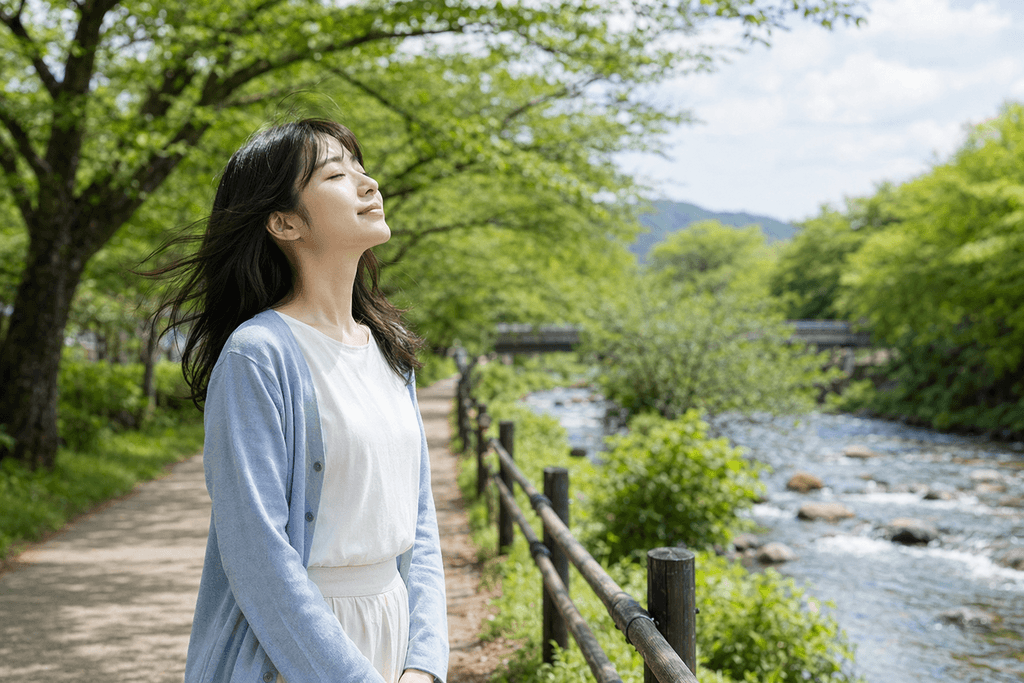
涼しい
fresco
涼しい
fresco
Explanation
涼しい
fresco
涼しい
fresco / frio ameno / agradavelmente frio
Word Forms
The basic and commonly used forms of this adjective.
Basic forms
| Form | Word form | Usage |
|---|---|---|
| Imperfective form (mizenkei) | Used in forms such as karou; mainly literary. | |
| Continuative form (renyokei) |
Alternative:
涼しかっ
|
Used in forms such as kute and kunai. |
| Conclusive form (shushikei) | Ends a sentence. | |
| Attributive form (rentaikei) | Modifies a noun. | |
| Conditional form (kateikei) | Expresses a condition with kereba. | |
| Imperative form (meireikei) | Rarely used in modern Japanese. |
Common forms
Loading...

JLPT N5 多言語単語帳・665語 / JLPT N5 Multilingual Vocabulary: 665 Words

Jonathan Waller 氏の JLPT Resources の語彙リスト・レベル分類を出典とし、CC BY の条件に従って DiQt が初級向けに意味を作り直した665語の単語帳です。JLPT公式の語彙リストではありません。
This collection of 665 words is based on the vocabulary list and level classifications in Jonathan Waller’s JLPT Resources under CC BY, with meanings rewritten by DiQt for beginners. It is not an official JLPT vocabulary list.
Key Operations
Select the first quiz:
Ctrl + Enter
View Explanation:Ctrl + G
Close a feedback:Esc
When selecting a quiz
Answer:Enter
Select a choice:↓ or ↑
Reading out the question:Ctrl + K
View Hint: Ctrl + M
I don't know: Ctrl + Y



