
JLPT N5: Significados das palavras - Unsolved

Aprenda em português os significados de 665 palavras do JLPT N5 com questões de quatro alternativas.
-
livro
-
grama
-
janela
-
problema / questão
-
árvore / madeira
-
bebida alcoólica / saquê
-
cortar
-
nascer
-
trabalhar
-
quarta-feira
-
então
-
e assim por diante
-
pé / perna
-
preto
-
água
-
livro
-
vila
-
leite
-
praticar
-
pegar
-
morar
-
passeio
-
animal de estimação
-
orelha
-
roupas ocidentais
-
limpeza
-
mão
-
legumes e verduras
-
voz
-
seis dias / dia seis
荷物
bagagem
荷物
bagagem
Explanation
荷物
bagagem
荷物
bagagem; malas / fardo indesejado; peso (fig.)

( Base form )
( romanization )
( hiragana )
コーヒー
café
コーヒー
café
Explanation
café
コーヒー
café / bebida feita com grãos de café / pó ou grãos de café

( romanization )
降りる
descer do veículo / descer
降りる
descer do veículo / descer
Explanation
降りる
descer do veículo / descer
降りる
descer (de veículo, escada etc.) / sair de (ônibus, trem etc.) / desembarcar

Word Forms
The basic and commonly used forms of this verb.
Basic forms
| Form | Word form | Usage |
|---|---|---|
| Imperfective form (mizenkei) | Connects to endings such as nai, reru, and seru. | |
| Continuative form (renyokei) | Connects to endings such as masu, tai, and ta. | |
| Conclusive form (shushikei) | Ends a sentence and serves as the dictionary form. | |
| Attributive form (rentaikei) | Modifies a noun. | |
| Conditional form (kateikei) | Combines with ba to express a condition. | |
| Imperative form (meireikei) |
Alternative:
降りよ
|
Expresses a command or instruction. |
Common forms
より
do que
より
do que
Explanation
do que
より
do que; de que / comparativamente a / em comparação com

( romanization )
花瓶
vaso de flores
花瓶
vaso de flores
Explanation
花瓶
vaso de flores
花瓶
vaso (de flores) / floreiro / jarro para flores

( Base form )
( romanization )
( romanization )
( hiragana historical )
( hiragana )
一緒
junto
一緒
junto
Explanation
一緒
junto
一緒
juntos / ao mesmo tempo / o mesmo

( Base form )
( romanization )
( adnominal )
( adverbial )
( hiragana )
( table-tags )
( inflection-template )
( imperfective stem )
( imperfective stem )
( imperfective )
( continuative stem )
( continuative stem )
( continuative )
( stem terminative )
( stem terminative )
( terminative )
( attributive stem )
( attributive stem )
( attributive )
( hypothetical stem )
( hypothetical stem )
( hypothetical )
( Imperative stem )
( Imperative stem )
( Imperative )
( informal negative )
( informal negative )
( informal negative )
( informal negative )
( informal negative )
( informal negative )
( informal Past )
( informal Past )
( informal Past )
( informal negative Past )
( informal negative Past )
( informal negative Past )
( informal negative Past )
( informal negative Past )
( informal negative Past )
( formal )
( formal )
( formal )
( formal negative )
( formal negative )
( formal negative )
( formal negative )
( formal negative )
( formal negative )
( formal Past )
( formal Past )
( formal Past )
( formal negative Past )
( formal negative Past )
( formal negative Past )
( formal negative Past )
( formal negative Past )
( formal negative Past )
( conjunctive )
( conjunctive )
( conjunctive )
( Conditional )
( Conditional )
( Conditional )
( Conditional Past )
( Conditional Past )
( Conditional Past )
( volitional )
( volitional )
( volitional )
( adverbial )
( adverbial )
( adverbial )
( noun-from-adj )
( noun-from-adj )
( noun-from-adj )
締める
afivelar / apertar
締める
afivelar / apertar
Explanation
締める
afivelar / apertar
締める
apertar; prender / matar (peixe)

Word Forms
The basic and commonly used forms of this verb.
Basic forms
| Form | Word form | Usage |
|---|---|---|
| Imperfective form (mizenkei) | Connects to endings such as nai, reru, and seru. | |
| Continuative form (renyokei) | Connects to endings such as masu, tai, and ta. | |
| Conclusive form (shushikei) | Ends a sentence and serves as the dictionary form. | |
| Attributive form (rentaikei) | Modifies a noun. | |
| Conditional form (kateikei) | Combines with ba to express a condition. | |
| Imperative form (meireikei) |
Alternative:
締めよ
|
Expresses a command or instruction. |
Common forms
本当
verdade
本当
verdade
Explanation
本当
verdade
本当
verdade / realidade / fato verdadeiro

( Base form )
( romanization )
( romanization )
( kyūjitai )
( hiragana historical )
( hiragana )
( alternative )
( katakana )
( Rōmaji )
百
cem
百
cem
Explanation
百
cem
百
cem / número 100 / centena

( romanization )
( hiragana )
タクシー
táxi
タクシー
táxi
Explanation
táxi
タクシー
táxi / carro de aluguel com motorista
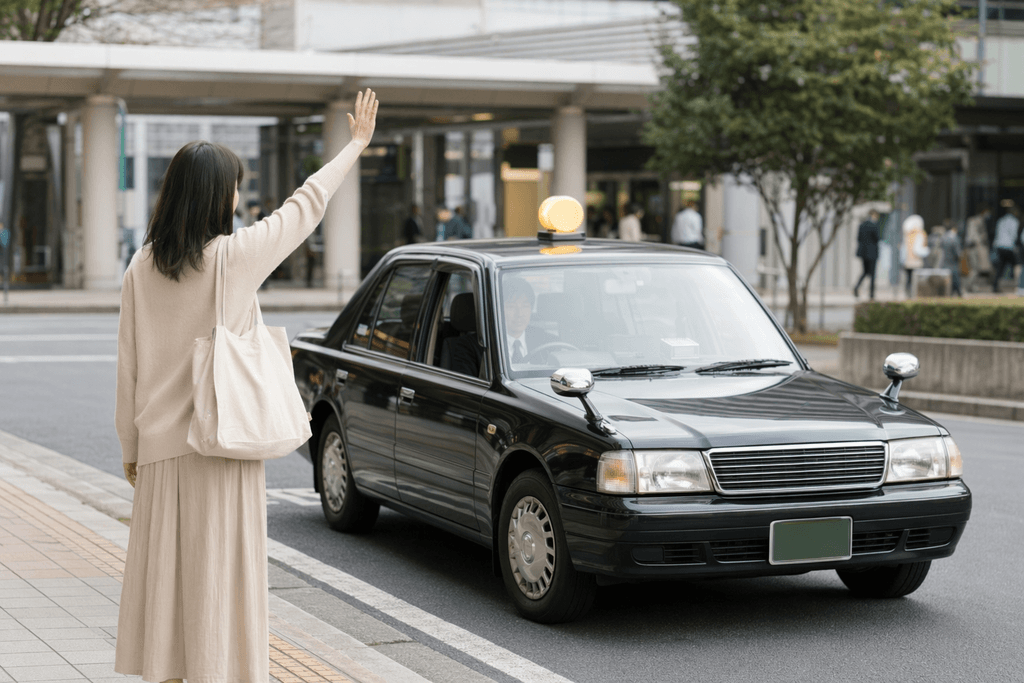
( romanization )
( counter )
Loading...

JLPT N5 多言語単語帳・665語 / JLPT N5 Multilingual Vocabulary: 665 Words

Jonathan Waller 氏の JLPT Resources の語彙リスト・レベル分類を出典とし、CC BY の条件に従って DiQt が初級向けに意味を作り直した665語の単語帳です。JLPT公式の語彙リストではありません。
This collection of 665 words is based on the vocabulary list and level classifications in Jonathan Waller’s JLPT Resources under CC BY, with meanings rewritten by DiQt for beginners. It is not an official JLPT vocabulary list.
Key Operations
Select the first quiz:
Ctrl + Enter
View Explanation:Ctrl + G
Close a feedback:Esc
When selecting a quiz
Answer:Enter
Select a choice:↓ or ↑
Reading out the question:Ctrl + K
View Hint: Ctrl + M
I don't know: Ctrl + Y



