
JLPT N5: Latihan arti kata - Unsolved

Pelajari arti 665 kata JLPT N5 dalam bahasa Indonesia melalui soal dengan empat pilihan jawaban.
-
terbang
-
menelepon
-
membuat
-
awal
-
lima hari / tanggal lima
-
cuaca mendung
-
panas
-
tipis / encer
-
dingin
-
tas
-
toko
-
di luar
-
menghilang / padam
-
duduk
-
kesulitan
-
pesawat terbang
-
utara
-
bibi / wanita paruh baya
-
pos polisi
-
piring
-
tangga
-
menunggu
-
datang
-
mandi pancuran
-
tadi pagi
-
arti
-
pintu masuk
-
pemanas
-
kilogram
-
gigi
使う
menggunakan
使う
menggunakan
Explanation
使う
menggunakan
使う
menggunakan / memakai / memanfaatkan

Word Forms
The basic and commonly used forms of this verb.
Basic forms
| Form | Word form | Usage |
|---|---|---|
| Imperfective form (mizenkei) |
Alternative:
使お
|
Connects to endings such as nai, reru, and seru. |
| Continuative form (renyokei) | Connects to endings such as masu, tai, and ta. | |
| Conclusive form (shushikei) | Ends a sentence and serves as the dictionary form. | |
| Attributive form (rentaikei) | Modifies a noun. | |
| Conditional form (kateikei) | Combines with ba to express a condition. | |
| Imperative form (meireikei) | Expresses a command or instruction. |
Common forms
教室
ruang kelas
教室
ruang kelas
Explanation
教室
ruang kelas
教室
ruang kelas / kelas (ruangan belajar)

( Base form )
( romanization )
( hiragana )
難しい
sulit
難しい
sulit
Explanation
難しい
sulit
難しい
sulit / sukar / rumit

Word Forms
The basic and commonly used forms of this adjective.
Basic forms
| Form | Word form | Usage |
|---|---|---|
| Imperfective form (mizenkei) | Used in forms such as karou; mainly literary. | |
| Continuative form (renyokei) |
Alternative:
難しかっ
|
Used in forms such as kute and kunai. |
| Conclusive form (shushikei) | Ends a sentence. | |
| Attributive form (rentaikei) | Modifies a noun. | |
| Conditional form (kateikei) | Expresses a condition with kereba. | |
| Imperative form (meireikei) | Rarely used in modern Japanese. |
Common forms
犬
anjing
犬
anjing
Explanation
犬
anjing
犬
anjing / anjing peliharaan

( romanization )
( counter )
( hiragana )
浴びる
mandi pancuran
浴びる
mandi pancuran
Explanation
浴びる
mandi pancuran
浴びる
mandi / mandi dengan pancuran

Word Forms
The basic and commonly used forms of this verb.
Basic forms
| Form | Word form | Usage |
|---|---|---|
| Imperfective form (mizenkei) | Connects to endings such as nai, reru, and seru. | |
| Continuative form (renyokei) | Connects to endings such as masu, tai, and ta. | |
| Conclusive form (shushikei) | Ends a sentence and serves as the dictionary form. | |
| Attributive form (rentaikei) | Modifies a noun. | |
| Conditional form (kateikei) | Combines with ba to express a condition. | |
| Imperative form (meireikei) |
Alternative:
浴びよ
|
Expresses a command or instruction. |
Common forms
一人
satu orang
一人
satu orang
Explanation
一人
satu orang
一人
satu orang / atas usaha/kemampuan sendiri / orang lajang

( Base form )
( romanization )
( hiragana )
向こう
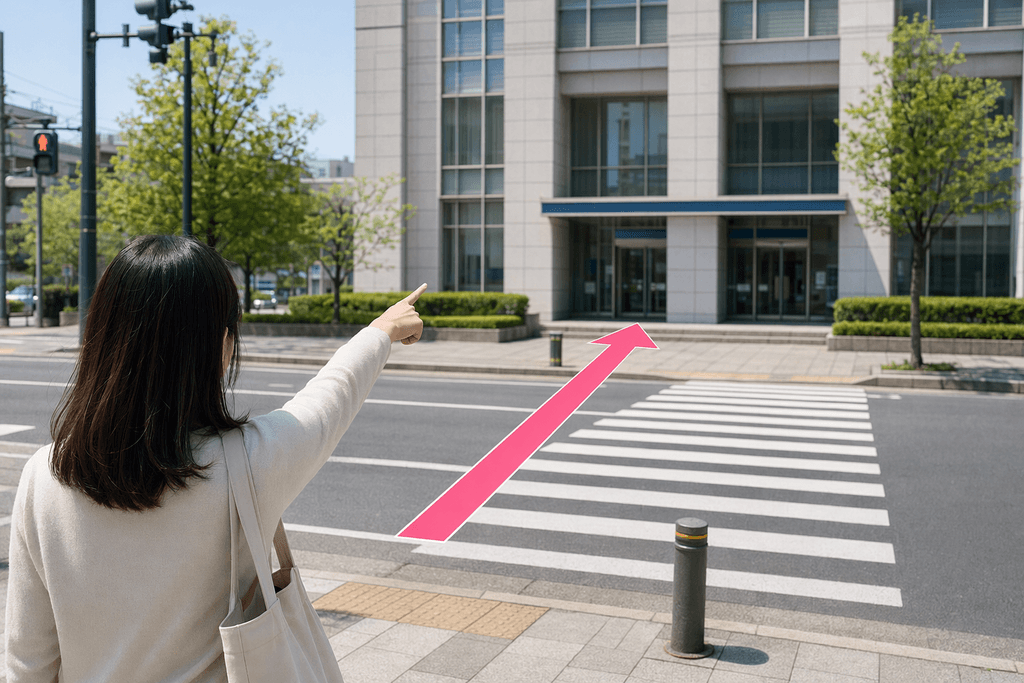
seberang
向こう
seberang
Explanation
向こう
seberang
向こう
seberang (sisi berlawanan) / di sana / masa mendatang/periode berikutnya
( Base form )
( romanization )
( romanization )
( hiragana historical )
曇る
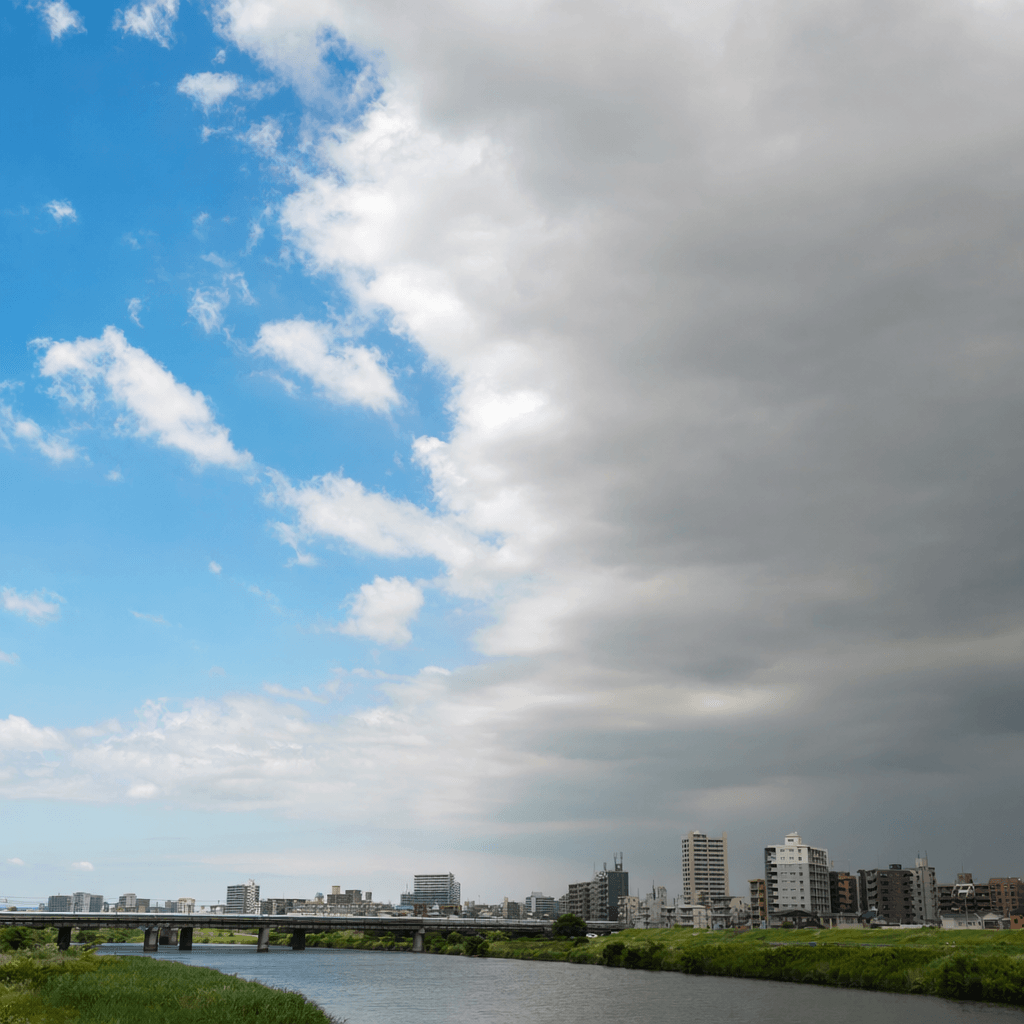
menjadi mendung
曇る
menjadi mendung
Explanation
曇る
menjadi mendung
曇る
menjadi mendung / berawan / tertutup awan
Word Forms
The basic and commonly used forms of this verb.
Basic forms
| Form | Word form | Usage |
|---|---|---|
| Imperfective form (mizenkei) |
Alternative:
曇ろ
|
Connects to endings such as nai, reru, and seru. |
| Continuative form (renyokei) | Connects to endings such as masu, tai, and ta. | |
| Conclusive form (shushikei) | Ends a sentence and serves as the dictionary form. | |
| Attributive form (rentaikei) | Modifies a noun. | |
| Conditional form (kateikei) | Combines with ba to express a condition. | |
| Imperative form (meireikei) | Expresses a command or instruction. |
Common forms
下
di bawah
下
di bawah
Explanation
下
di bawah
下
di bawah / ke bawah / lebih rendah

耳
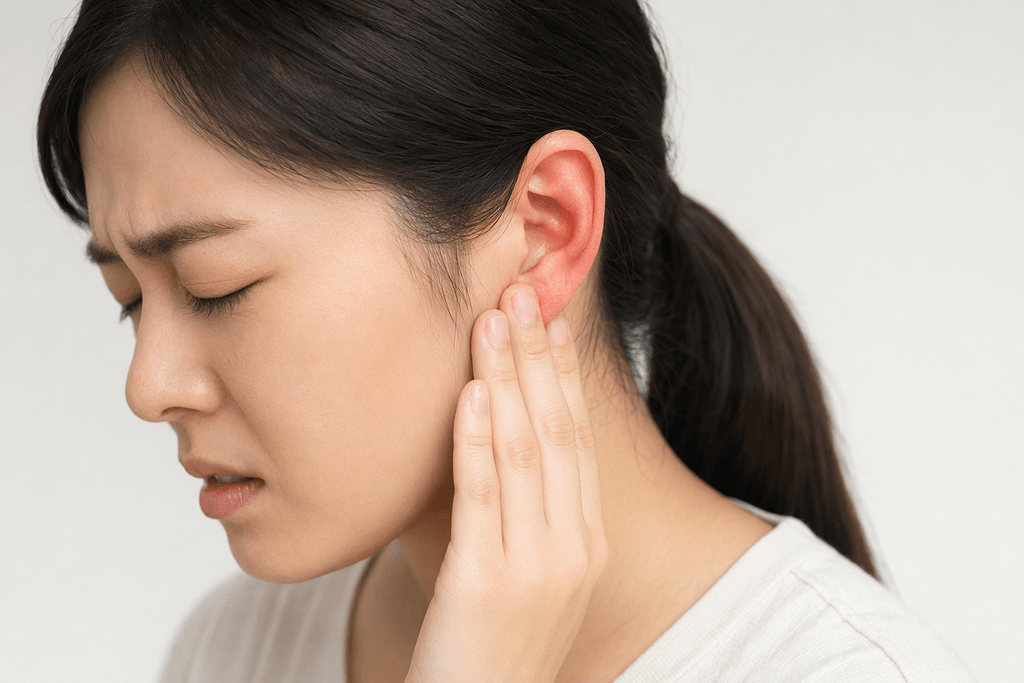
telinga
耳
telinga
Explanation
耳
telinga
耳
telinga
( romanization )
( hiragana )
Loading...

JLPT N5 多言語単語帳・665語 / JLPT N5 Multilingual Vocabulary: 665 Words

Jonathan Waller 氏の JLPT Resources の語彙リスト・レベル分類を出典とし、CC BY の条件に従って DiQt が初級向けに意味を作り直した665語の単語帳です。JLPT公式の語彙リストではありません。
This collection of 665 words is based on the vocabulary list and level classifications in Jonathan Waller’s JLPT Resources under CC BY, with meanings rewritten by DiQt for beginners. It is not an official JLPT vocabulary list.
Key Operations
Select the first quiz:
Ctrl + Enter
View Explanation:Ctrl + G
Close a feedback:Esc
When selecting a quiz
Answer:Enter
Select a choice:↓ or ↑
Reading out the question:Ctrl + K
View Hint: Ctrl + M
I don't know: Ctrl + Y



