
JLPT N5: Latihan arti kata - Unsolved

Pelajari arti 665 kata JLPT N5 dalam bahasa Indonesia melalui soal dengan empat pilihan jawaban.
-
sweter
-
televisi
-
minuman
-
televisi
-
pintu
-
adik perempuan
-
sangat
-
setiap pagi
-
kapan
-
polisi
-
musim panas
-
negara asing
-
hangat
-
sulit
-
kuat
- 漢字表記は「煩い」。一般にはかな書きの「うるさい」も多い。
-
timur
-
sepuluh ribu
-
daging sapi
-
teman
-
taman
-
garpu
-
tinggal
-
selesai
-
bermain
- 「見る」のかな表記。
-
gigi
-
pekerjaan
-
perut
-
sakit
-
terlambat / lambat
-
ingin
- 「大きな」は連体詞的に用いられる別形で、この活用表には含めていません。
靴
sepatu
靴
sepatu
Explanation
靴
sepatu
靴
sepatu / alas kaki

( romanization )
( hiragana )
問題
masalah / soal
問題
masalah / soal
Explanation
問題
masalah / soal
問題
soal; pertanyaan (pada PR/ujian) / masalah; persoalan; isu / urusan; perkara (mis. soal waktu)

( Base form )
( romanization )
( hiragana )
毎週
setiap minggu
毎週
setiap minggu
Explanation
毎週
setiap minggu
毎週
setiap minggu / tiap pekan / secara mingguan

( Base form )
( romanization )
( hiragana )
テスト
tes
テスト
tes
Explanation
tes
テスト
ujian / tes / pengujian

( romanization )
うるさい
berisik / menjengkelkan
うるさい
berisik / menjengkelkan
Explanation
berisik / menjengkelkan
うるさい
berisik / bising / ribut

Word Forms
The basic and commonly used forms of this adjective.
Basic forms
| Form | Word form | Usage |
|---|---|---|
| Imperfective form (mizenkei) | Used in forms such as karou; mainly literary. | |
| Continuative form (renyokei) |
Alternative:
うるさかっ
|
Used in forms such as kute and kunai. |
| Conclusive form (shushikei) | Ends a sentence. | |
| Attributive form (rentaikei) | Modifies a noun. | |
| Conditional form (kateikei) | Expresses a condition with kereba. | |
| Imperative form (meireikei) | Rarely used in modern Japanese. |
Common forms
| Form | Word form | Usage |
|---|---|---|
| Te-form | Connects clauses with kute. | |
| Ta-form | Expresses the past with katta. | |
| Nai-form | Expresses negation with kunai. | |
| Ba-form | Expresses a condition with kereba. |
Notes
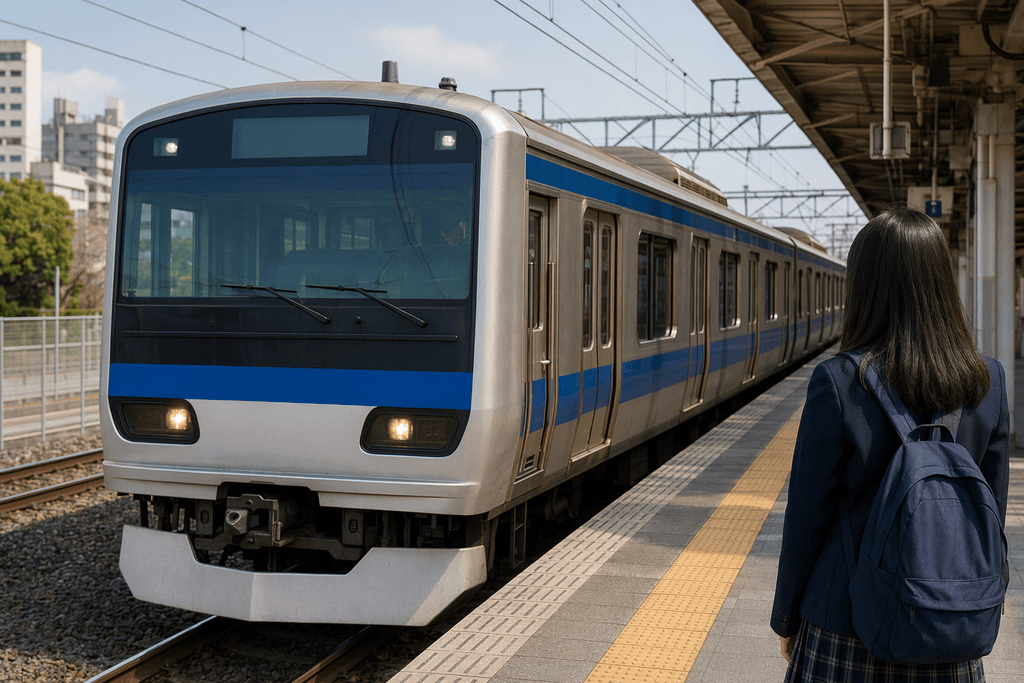
電車
kereta listrik
電車
kereta listrik
Explanation
電車
kereta listrik
電車
kereta listrik / kereta api / kereta komuter
( Base form )
( romanization )
( hiragana )
机
meja tulis
机
meja tulis
Explanation
机
meja tulis
机
meja / meja kerja / meja tulis

( romanization )
( hiragana )
みる
melihat / menonton
みる
melihat / menonton
Explanation
melihat / menonton
みる
melihat; menonton / merawat; menjaga (seseorang) / memeriksa (medis)

Word Forms
The basic and commonly used forms of this verb.
Basic forms
| Form | Word form | Usage |
|---|---|---|
| Imperfective form (mizenkei) |
Alternative:
みよ
|
Connects to endings such as nai, reru, and seru. |
| Continuative form (renyokei) | Connects to endings such as masu, tai, and ta. | |
| Conclusive form (shushikei) | Ends a sentence and serves as the dictionary form. | |
| Attributive form (rentaikei) | Modifies a noun. | |
| Conditional form (kateikei) | Combines with ba to express a condition. | |
| Imperative form (meireikei) |
Alternative:
みよ
|
Expresses a command or instruction. |
Common forms
| Form | Word form | Usage |
|---|---|---|
| Te-form | Connects clauses with te. | |
| Ta-form | Expresses the past with ta. | |
| Nai-form | Expresses negation with nai. | |
| Masu-form | Used for polite speech. | |
| Ba-form | Expresses a condition with ba. | |
| Volitional form | Expresses intention or invitation. |
Notes
家庭
rumah tangga
家庭
rumah tangga
Explanation
家庭
rumah tangga
家庭
keluarga / rumah tangga

( Base form )
( romanization )
( hiragana )
大きい
besar
大きい
besar
Explanation
大きい
besar
大きい
besar / keras (tentang suara)

Word Forms
The basic and commonly used forms of this adjective.
Basic forms
| Form | Word form | Usage |
|---|---|---|
| Imperfective form (mizenkei) | Used in forms such as karou; mainly literary. | |
| Continuative form (renyokei) |
Alternative:
大きかっ
|
Used in forms such as kute and kunai. |
| Conclusive form (shushikei) | Ends a sentence. | |
| Attributive form (rentaikei) | Modifies a noun. | |
| Conditional form (kateikei) | Expresses a condition with kereba. | |
| Imperative form (meireikei) | Rarely used in modern Japanese. |
Common forms
| Form | Word form | Usage |
|---|---|---|
| Te-form | Connects clauses with kute. | |
| Ta-form | Expresses the past with katta. | |
| Nai-form | Expresses negation with kunai. | |
| Ba-form | Expresses a condition with kereba. |
Notes
Loading...

JLPT N5 多言語単語帳・665語 / JLPT N5 Multilingual Vocabulary: 665 Words

Jonathan Waller 氏の JLPT Resources の語彙リスト・レベル分類を出典とし、CC BY の条件に従って DiQt が初級向けに意味を作り直した665語の単語帳です。JLPT公式の語彙リストではありません。
This collection of 665 words is based on the vocabulary list and level classifications in Jonathan Waller’s JLPT Resources under CC BY, with meanings rewritten by DiQt for beginners. It is not an official JLPT vocabulary list.
Key Operations
Select the first quiz:
Ctrl + Enter
View Explanation:Ctrl + G
Close a feedback:Esc
When selecting a quiz
Answer:Enter
Select a choice:↓ or ↑
Reading out the question:Ctrl + K
View Hint: Ctrl + M
I don't know: Ctrl + Y



