
JLPT N5: Latihan arti kata - Unsolved

Pelajari arti 665 kata JLPT N5 dalam bahasa Indonesia melalui soal dengan empat pilihan jawaban.
-
terbuka
-
memasukkan
-
memperlihatkan
-
berisik / menjengkelkan
-
muda
-
rendah / bertubuh pendek
-
menyeberang
-
menyerahkan
-
merokok / menghirup
- 自動詞。
-
tempat tidur
-
pintu masuk
-
dua orang
-
terima kasih
-
nah
-
anu
-
enam
-
empat
-
satu
-
beristirahat / mengambil cuti
-
membuka
-
mengingat / menghafal
-
hidung
-
dasi
-
hal lain
-
mengerti
-
tinggal
-
mekar
- 漢字表記「点ける」は、電灯・火などをともす意で用いられる。
-
minuman beralkohol / sake
-
masalah / soal
-
pohon / kayu
置く
meletakkan
置く
meletakkan
Explanation
置く
meletakkan
置く
meletakkan / menaruh / menempatkan

Word Forms
The basic and commonly used forms of this verb.
Basic forms
| Form | Word form | Usage |
|---|---|---|
| Imperfective form (mizenkei) |
Alternative:
置こ
|
Connects to endings such as nai, reru, and seru. |
| Continuative form (renyokei) | Connects to endings such as masu, tai, and ta. | |
| Conclusive form (shushikei) | Ends a sentence and serves as the dictionary form. | |
| Attributive form (rentaikei) | Modifies a noun. | |
| Conditional form (kateikei) | Combines with ba to express a condition. | |
| Imperative form (meireikei) | Expresses a command or instruction. |
Common forms
薄い
tipis / encer
薄い
tipis / encer
Explanation
薄い
tipis / encer
薄い
tipis / lemah / encer

Word Forms
The basic and commonly used forms of this adjective.
Basic forms
| Form | Word form | Usage |
|---|---|---|
| Imperfective form (mizenkei) | Used in forms such as karou; mainly literary. | |
| Continuative form (renyokei) |
Alternative:
薄かっ
|
Used in forms such as kute and kunai. |
| Conclusive form (shushikei) | Ends a sentence. | |
| Attributive form (rentaikei) | Modifies a noun. | |
| Conditional form (kateikei) | Expresses a condition with kereba. | |
| Imperative form (meireikei) | Rarely used in modern Japanese. |
Common forms
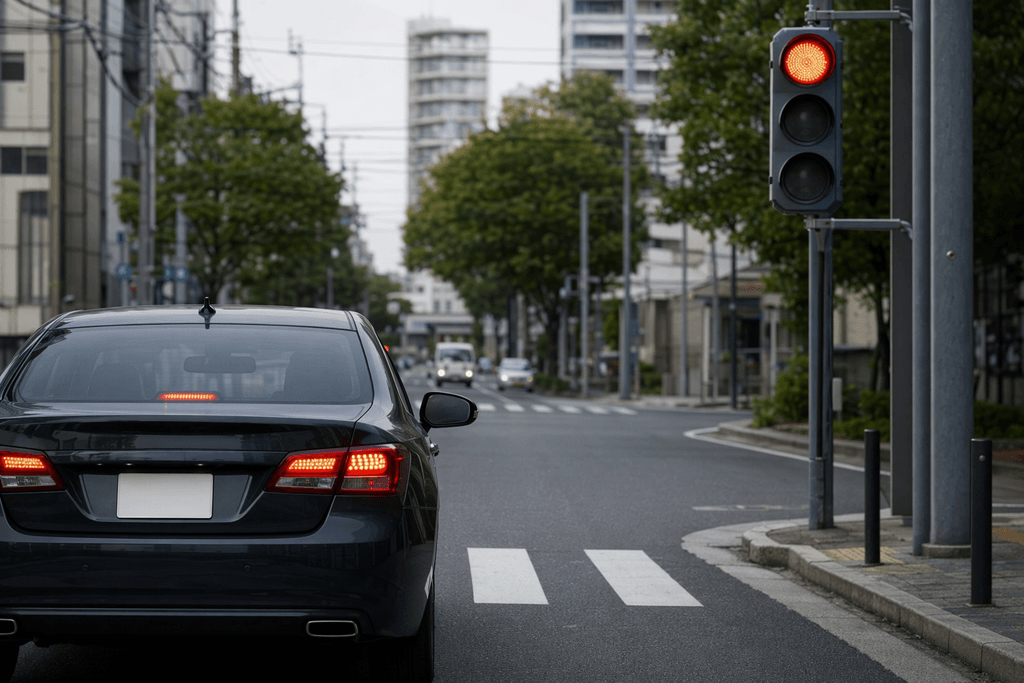
止まる
berhenti
止まる
berhenti
Explanation
止まる
berhenti
止まる
berhenti / tinggal / menginap
Word Forms
The basic and commonly used forms of this verb.
Basic forms
| Form | Word form | Usage |
|---|---|---|
| Imperfective form (mizenkei) |
Alternative:
止まろ
|
Connects to endings such as nai, reru, and seru. |
| Continuative form (renyokei) |
Alternative:
止まっ
|
Connects to endings such as masu, tai, and ta. |
| Conclusive form (shushikei) | Ends a sentence and serves as the dictionary form. | |
| Attributive form (rentaikei) | Modifies a noun. | |
| Conditional form (kateikei) | Combines with ba to express a condition. | |
| Imperative form (meireikei) | Expresses a command or instruction. |
Common forms
| Form | Word form | Usage |
|---|---|---|
| Te-form | Connects clauses with te. | |
| Ta-form | Expresses the past with ta. | |
| Nai-form | Expresses negation with nai. | |
| Masu-form | Used for polite speech. | |
| Ba-form | Expresses a condition with ba. | |
| Volitional form | Expresses intention or invitation. |
Notes
白
putih
白
putih
Explanation
白
putih
白
warna putih

( romanization )
( hiragana )
いいえ
tidak
いいえ
tidak
Explanation
tidak
いいえ
tidak; bukan / saya rasa tidak; tidak setuju / sama-sama (balasan atas ucapan terima kasih)

( romanization )
九
sembilan
九
sembilan
Explanation
九
sembilan
九
sembilan / angka sembilan

( romanization )
( hiragana )
飛ぶ
terbang
飛ぶ
terbang
Explanation
飛ぶ
terbang
飛ぶ
terbang / melompat / muncrat/memercik

Word Forms
The basic and commonly used forms of this verb.
Basic forms
| Form | Word form | Usage |
|---|---|---|
| Imperfective form (mizenkei) |
Alternative:
飛ぼ
|
Connects to endings such as nai, reru, and seru. |
| Continuative form (renyokei) | Connects to endings such as masu, tai, and ta. | |
| Conclusive form (shushikei) | Ends a sentence and serves as the dictionary form. | |
| Attributive form (rentaikei) | Modifies a noun. | |
| Conditional form (kateikei) | Combines with ba to express a condition. | |
| Imperative form (meireikei) | Expresses a command or instruction. |
Common forms
三日
tiga hari / tanggal tiga
三日
tiga hari / tanggal tiga
Explanation
三日
tiga hari / tanggal tiga
三日
tanggal tiga / tiga hari

( Base form )
( romanization )
( hiragana )
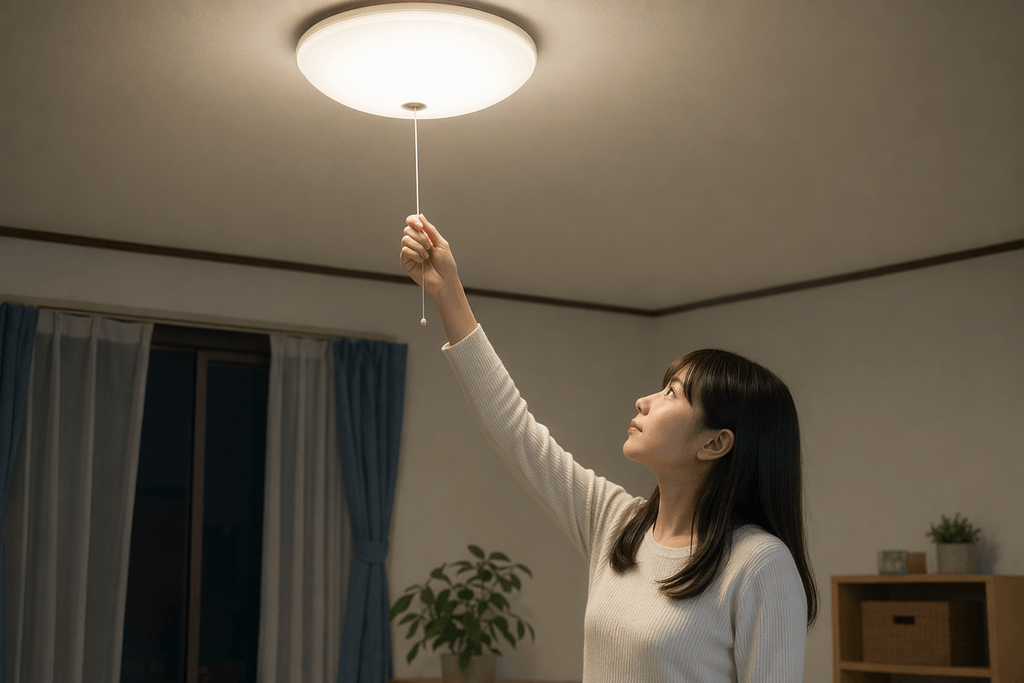
つける
menyalakan
つける
menyalakan
Explanation
menyalakan
つける
menyalakan / menghidupkan (perangkat/lampu) / mengaktifkan
Word Forms
The basic and commonly used forms of this verb.
Basic forms
| Form | Word form | Usage |
|---|---|---|
| Imperfective form (mizenkei) | Connects to endings such as nai, reru, and seru. | |
| Continuative form (renyokei) | Connects to endings such as masu, tai, and ta. | |
| Conclusive form (shushikei) | Ends a sentence and serves as the dictionary form. | |
| Attributive form (rentaikei) | Modifies a noun. | |
| Conditional form (kateikei) | Combines with ba to express a condition. | |
| Imperative form (meireikei) |
Alternative:
つけよ
|
Expresses a command or instruction. |
Common forms
| Form | Word form | Usage |
|---|---|---|
| Te-form | Connects clauses with te. | |
| Ta-form | Expresses the past with ta. | |
| Nai-form | Expresses negation with nai. | |
| Masu-form | Used for polite speech. | |
| Ba-form | Expresses a condition with ba. | |
| Volitional form | Expresses intention or invitation. |
Notes
コーヒー
kopi
コーヒー
kopi
Explanation
kopi
コーヒー
kopi / minuman yang diseduh dari biji kopi

( romanization )
Loading...

JLPT N5 多言語単語帳・665語 / JLPT N5 Multilingual Vocabulary: 665 Words

Jonathan Waller 氏の JLPT Resources の語彙リスト・レベル分類を出典とし、CC BY の条件に従って DiQt が初級向けに意味を作り直した665語の単語帳です。JLPT公式の語彙リストではありません。
This collection of 665 words is based on the vocabulary list and level classifications in Jonathan Waller’s JLPT Resources under CC BY, with meanings rewritten by DiQt for beginners. It is not an official JLPT vocabulary list.
Key Operations
Select the first quiz:
Ctrl + Enter
View Explanation:Ctrl + G
Close a feedback:Esc
When selecting a quiz
Answer:Enter
Select a choice:↓ or ↑
Reading out the question:Ctrl + K
View Hint: Ctrl + M
I don't know: Ctrl + Y



