
JLPT N5: Latihan arti kata - Unsolved

Pelajari arti 665 kata JLPT N5 dalam bahasa Indonesia melalui soal dengan empat pilihan jawaban.
-
kata / bahasa
-
asbak
-
wanita
-
awal
-
lift
-
sepatu
-
jaket
-
radio
-
gitar
-
namun
-
tetapi
-
lalu
-
mahir
-
ramai
-
lurus ke depan
- 見出し語「いや」は通常かな表記も多いが、漢字表記「嫌」に基づく活用形も併記。
- 形容動詞としての活用。連用形には接続により「嫌で」「嫌に」がある。
-
berisik / menjengkelkan
-
hitam
-
kecil
-
dua puluh hari / tanggal dua puluh
-
gram
-
toserba
-
pembersihan
-
tangan
-
pakaian Barat
-
sedikit
-
berapa harganya
-
berangsur-angsur
-
suara
-
enam hari / tanggal enam
-
sayuran
封筒
amplop
封筒
amplop
Explanation
封筒
amplop
封筒
amplop / sampul surat

( Base form )
( romanization )
( hiragana )
風邪
pilek
風邪
pilek
Explanation
風邪
pilek
風邪
selesma / pilek / masuk angin

( Base form )
( romanization )
( hiragana )
映画館
bioskop
映画館
bioskop
Explanation
映画館
bioskop
映画館
bioskop / gedung bioskop / tempat menonton film

( Base form )
( romanization )
( romanization )
( kyūjitai )
( hiragana historical )
( hiragana )
では
kalau begitu
では
kalau begitu
Explanation
kalau begitu
では
kalau begitu / baiklah / jadi

( romanization )
いや
tidak menyenangkan
いや
tidak menyenangkan
Explanation
tidak menyenangkan
いや
tidak menyenangkan / menjijikkan / menjengkelkan

Word Forms
The basic and commonly used forms of this adjectival noun.
Basic forms
| Form | Word form | Usage |
|---|---|---|
| Imperfective form (mizenkei) |
Alternative:
いやだろ
|
Used in forms such as darou. |
| Continuative form (renyokei) |
Alternative:
いやで
嫌に
いやに
|
Used with de or ni. |
| Conclusive form (shushikei) |
Alternative:
いやだ
|
Ends a sentence with da. |
| Attributive form (rentaikei) |
Alternative:
いやな
|
Modifies a noun with na. |
| Conditional form (kateikei) |
Alternative:
いやなら
|
Expresses a condition with nara. |
| Imperative form (meireikei) |
Alternative:
いやであれ
|
Used in formal expressions such as de are. |
Common forms
| Form | Word form | Usage |
|---|---|---|
| Te-form equivalent |
Alternative:
いやで
|
Connects clauses using de. |
| Ta-form |
Alternative:
いやだった
|
Expresses the past with datta. |
| Nai-form |
Alternative:
いやではない
嫌じゃない
いやじゃない
|
Expresses negation with dewa nai or ja nai. |
| Desu-form |
Alternative:
いやです
|
Used for polite speech. |
Notes
涼しい
sejuk
涼しい
sejuk
Explanation
涼しい
sejuk
涼しい
sejuk (tentang cuaca) / adem, tidak panas / menyegarkan

Word Forms
The basic and commonly used forms of this adjective.
Basic forms
| Form | Word form | Usage |
|---|---|---|
| Imperfective form (mizenkei) | Used in forms such as karou; mainly literary. | |
| Continuative form (renyokei) |
Alternative:
涼しかっ
|
Used in forms such as kute and kunai. |
| Conclusive form (shushikei) | Ends a sentence. | |
| Attributive form (rentaikei) | Modifies a noun. | |
| Conditional form (kateikei) | Expresses a condition with kereba. | |
| Imperative form (meireikei) | Rarely used in modern Japanese. |
Common forms
年
tahun
年
tahun
Explanation
年
tahun
年
tahun / setahun / usia (dalam tahun)

( romanization )
( hiragana )
百
seratus
百
seratus
Explanation
百
seratus
百
seratus (arkais) / banyak sekali; amat banyak (arkais)

( romanization )
( hiragana )
よく
sering / dengan baik
よく
sering / dengan baik
Explanation
sering / dengan baik

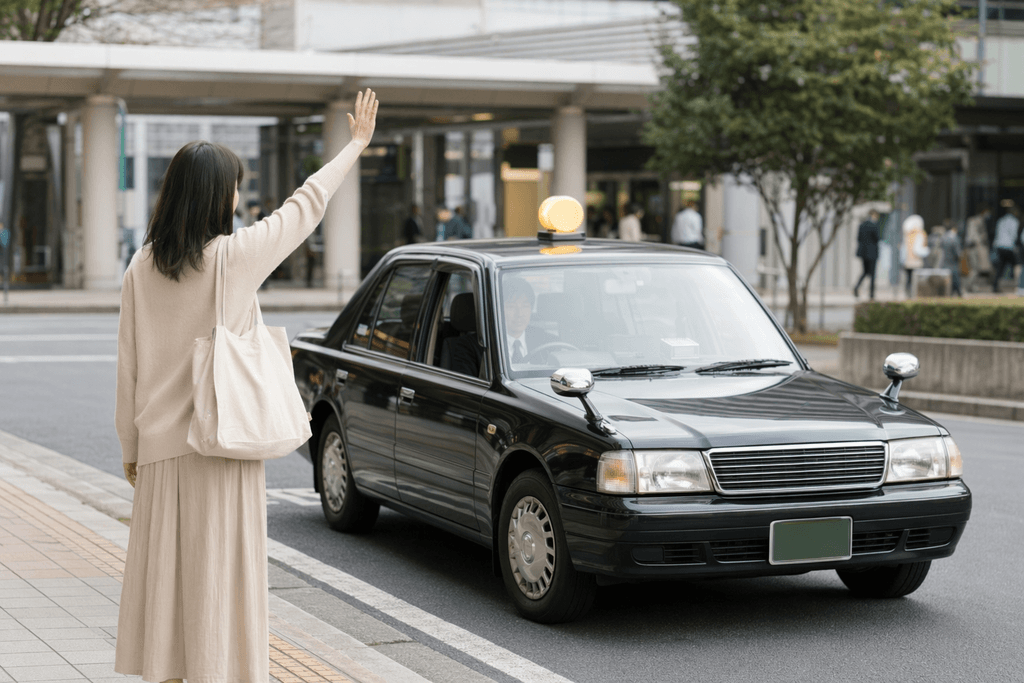
タクシー
taksi
タクシー
taksi
Explanation
taksi
タクシー
taksi / kendaraan sewaan dengan sopir
( romanization )
( counter )
Loading...

JLPT N5 多言語単語帳・665語 / JLPT N5 Multilingual Vocabulary: 665 Words

Jonathan Waller 氏の JLPT Resources の語彙リスト・レベル分類を出典とし、CC BY の条件に従って DiQt が初級向けに意味を作り直した665語の単語帳です。JLPT公式の語彙リストではありません。
This collection of 665 words is based on the vocabulary list and level classifications in Jonathan Waller’s JLPT Resources under CC BY, with meanings rewritten by DiQt for beginners. It is not an official JLPT vocabulary list.
Key Operations
Select the first quiz:
Ctrl + Enter
View Explanation:Ctrl + G
Close a feedback:Esc
When selecting a quiz
Answer:Enter
Select a choice:↓ or ↑
Reading out the question:Ctrl + K
View Hint: Ctrl + M
I don't know: Ctrl + Y



