
JLPT N5: Latihan arti kata - Unsolved

Pelajari arti 665 kata JLPT N5 dalam bahasa Indonesia melalui soal dengan empat pilihan jawaban.
-
asbak
-
kemarin
-
kakek / pria lanjut usia
-
anjing
-
pagi
-
perpustakaan
-
pulang
-
menyalin
-
mengenakan pakaian
- 「履く」「穿く」などと書く。下半身に着ける衣類・履物について用いる。
- 連用形「はい」は「て・た」接続で現れる音便形。
-
pagi
-
sekolah
-
dompet
-
menyeberang
-
mengikat / mengencangkan
-
menutup
-
enam hari / tanggal enam
-
besok
-
toko buah dan sayur
-
di sini
-
di sana
-
di mana
-
stasiun
-
guru
-
hujan
-
memberi / mengangkat
-
berbicara
-
menghilangkan
- 読みは「ひく」。楽器を演奏する意味の「弾く」。
-
itu
-
besar
-
yang mana
風
angin
風
angin
Explanation
風
angin
風
angin (pergerakan udara) / gaya; corak / lagak; sikap sok

( romanization )
( hiragana )
塩
garam
塩
garam
Explanation
塩
garam
塩
garam / natrium klorida / bumbu penambah rasa asin

( romanization )
( romanization )
( hiragana historical )
( hiragana )
はく
memakai celana / memakai sepatu
はく
memakai celana / memakai sepatu
Explanation
memakai celana / memakai sepatu
はく
memakai (sepatu, celana, rok, kaus kaki) / mengenakan pakaian di bagian bawah tubuh

Word Forms
The basic and commonly used forms of this verb.
Basic forms
| Form | Word form | Usage |
|---|---|---|
| Imperfective form (mizenkei) |
Alternative:
はこ
|
Connects to endings such as nai, reru, and seru. |
| Continuative form (renyokei) |
Alternative:
はい
|
Connects to endings such as masu, tai, and ta. |
| Conclusive form (shushikei) | Ends a sentence and serves as the dictionary form. | |
| Attributive form (rentaikei) | Modifies a noun. | |
| Conditional form (kateikei) | Combines with ba to express a condition. | |
| Imperative form (meireikei) | Expresses a command or instruction. |
Common forms
| Form | Word form | Usage |
|---|---|---|
| Te-form | Connects clauses with te. | |
| Ta-form | Expresses the past with ta. | |
| Nai-form | Expresses negation with nai. | |
| Masu-form | Used for polite speech. | |
| Ba-form | Expresses a condition with ba. | |
| Volitional form | Expresses intention or invitation. |
Notes
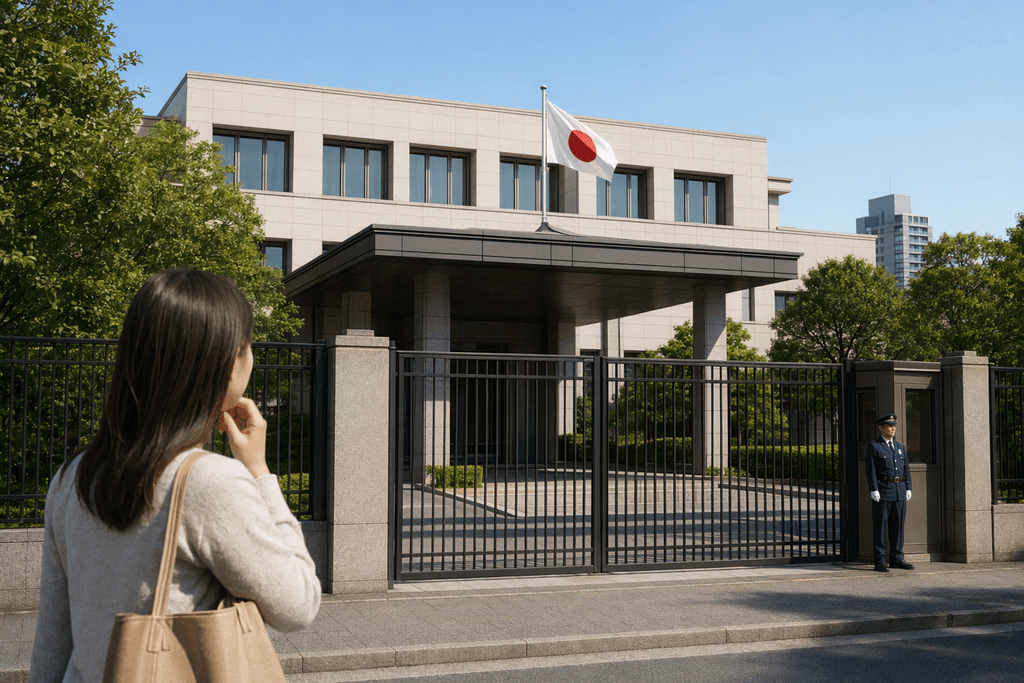
大使館
kedutaan besar
大使館
kedutaan besar
Explanation
大使館
kedutaan besar
大使館
kedutaan / kedutaan besar
( Base form )
( romanization )
( romanization )
( hiragana historical )
( hiragana )
取る
mengambil
取る
mengambil
Explanation
取る
mengambil
取る
mengambil / memperoleh / memotret

Word Forms
The basic and commonly used forms of this verb.
Basic forms
| Form | Word form | Usage |
|---|---|---|
| Imperfective form (mizenkei) |
Alternative:
取ろ
|
Connects to endings such as nai, reru, and seru. |
| Continuative form (renyokei) | Connects to endings such as masu, tai, and ta. | |
| Conclusive form (shushikei) | Ends a sentence and serves as the dictionary form. | |
| Attributive form (rentaikei) | Modifies a noun. | |
| Conditional form (kateikei) | Combines with ba to express a condition. | |
| Imperative form (meireikei) | Expresses a command or instruction. |
Common forms
服
pakaian
服
pakaian
Explanation
服
pakaian
服
pakaian / baju / busana

( romanization )
( hiragana )
そちら
sebelah situ
そちら
sebelah situ
Explanation
sebelah situ
そちら
ke arah itu / ke sana / di sana

( romanization )
物
benda
物
benda
Explanation
物
benda
物
benda (berwujud) / objek fisik / (hukum) benda berwujud

( romanization )
( hiragana )
弾く
memainkan piano / memainkan gitar
弾く
memainkan piano / memainkan gitar
Explanation
弾く
memainkan piano / memainkan gitar
弾く
memainkan (alat musik berdawai atau bertuts) / bermain (gitar, piano, dll.)

Word Forms
The basic and commonly used forms of this verb.
Basic forms
| Form | Word form | Usage |
|---|---|---|
| Imperfective form (mizenkei) |
Alternative:
弾こ
|
Connects to endings such as nai, reru, and seru. |
| Continuative form (renyokei) | Connects to endings such as masu, tai, and ta. | |
| Conclusive form (shushikei) | Ends a sentence and serves as the dictionary form. | |
| Attributive form (rentaikei) | Modifies a noun. | |
| Conditional form (kateikei) | Combines with ba to express a condition. | |
| Imperative form (meireikei) | Expresses a command or instruction. |
Common forms
| Form | Word form | Usage |
|---|---|---|
| Te-form | Connects clauses with te. | |
| Ta-form | Expresses the past with ta. | |
| Nai-form | Expresses negation with nai. | |
| Masu-form | Used for polite speech. | |
| Ba-form | Expresses a condition with ba. | |
| Volitional form | Expresses intention or invitation. |
Notes
こんな
seperti ini
こんな
seperti ini
Explanation
seperti ini
こんな
seperti ini / begini / semacam ini

( romanization )
Loading...

JLPT N5 多言語単語帳・665語 / JLPT N5 Multilingual Vocabulary: 665 Words

Jonathan Waller 氏の JLPT Resources の語彙リスト・レベル分類を出典とし、CC BY の条件に従って DiQt が初級向けに意味を作り直した665語の単語帳です。JLPT公式の語彙リストではありません。
This collection of 665 words is based on the vocabulary list and level classifications in Jonathan Waller’s JLPT Resources under CC BY, with meanings rewritten by DiQt for beginners. It is not an official JLPT vocabulary list.
Key Operations
Select the first quiz:
Ctrl + Enter
View Explanation:Ctrl + G
Close a feedback:Esc
When selecting a quiz
Answer:Enter
Select a choice:↓ or ↑
Reading out the question:Ctrl + K
View Hint: Ctrl + M
I don't know: Ctrl + Y



