
JLPT N5: Latihan arti kata - Unsolved

Pelajari arti 665 kata JLPT N5 dalam bahasa Indonesia melalui soal dengan empat pilihan jawaban.
-
melakukan
-
berkata
-
membuat
-
celana panjang
-
mandi
-
restoran
-
makan malam
-
kedai kopi
-
rumah
-
jendela
-
buku
-
gram
-
enak
-
merah
-
ingin
-
tiga hari / tanggal tiga
-
gitar
-
kecap asin
-
perusahaan
-
satu
-
kakek / pria lanjut usia
-
musim semi
-
halaman rumah
-
ruang kelas
-
stasiun
-
sarapan
-
listrik / lampu listrik
-
musim dingin
-
jam tangan / jam dinding
-
asbak
座る
duduk
座る
duduk
Explanation
座る
duduk
座る
duduk / mengambil tempat duduk

Word Forms
The basic and commonly used forms of this verb.
Basic forms
| Form | Word form | Usage |
|---|---|---|
| Imperfective form (mizenkei) |
Alternative:
座ろ
|
Connects to endings such as nai, reru, and seru. |
| Continuative form (renyokei) | Connects to endings such as masu, tai, and ta. | |
| Conclusive form (shushikei) | Ends a sentence and serves as the dictionary form. | |
| Attributive form (rentaikei) | Modifies a noun. | |
| Conditional form (kateikei) | Combines with ba to express a condition. | |
| Imperative form (meireikei) | Expresses a command or instruction. |
Common forms
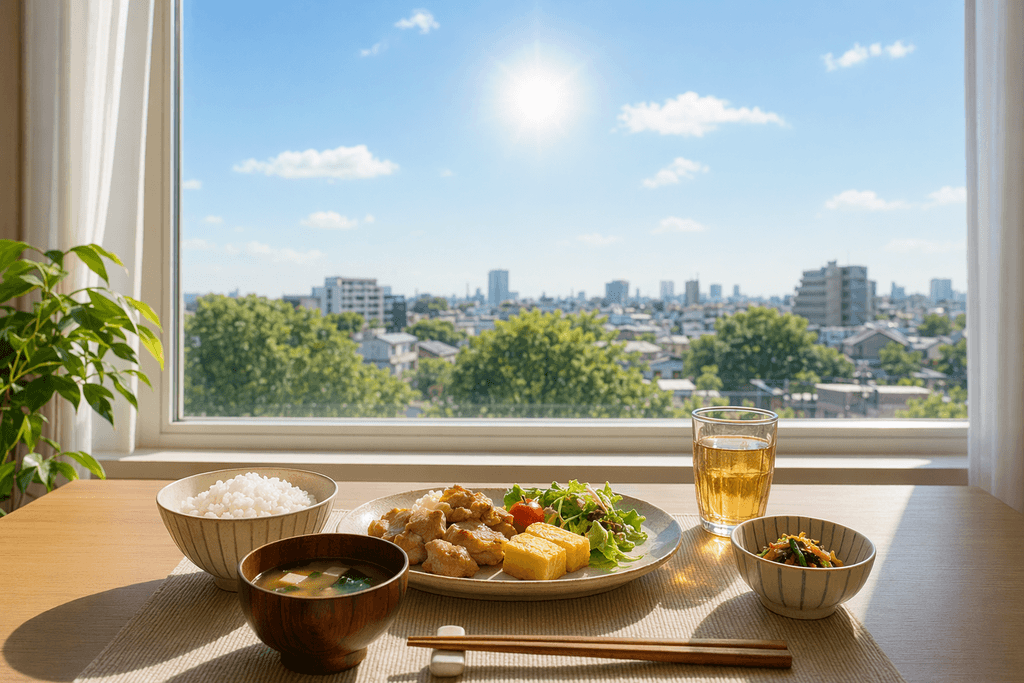
昼
tengah hari / siang hari
昼
tengah hari / siang hari
Explanation
昼
tengah hari / siang hari
昼
siang hari / tengah hari
( romanization )
( kyūjitai )
( hiragana )
ほか
hal lain
ほか
hal lain
Explanation
hal lain
ほか
yang lain / lainnya / sisanya

( romanization )
荷物
bagasi
荷物
bagasi
Explanation
荷物
bagasi
荷物
bagasi / barang bawaan / beban yang tidak diinginkan

( Base form )
( romanization )
( hiragana )
あたたかい
hangat
あたたかい
hangat
Explanation
hangat
あたたかい
hangat (fisik) / berkecukupan secara finansial / hangat hati, penuh pengertian

Word Forms
The basic and commonly used forms of this adjective.
Basic forms
| Form | Word form | Usage |
|---|---|---|
| Imperfective form (mizenkei) |
Alternative:
暖かかろ
温かかろ
|
Used in forms such as karou; mainly literary. |
| Continuative form (renyokei) |
Alternative:
暖かく
温かく
あたたかかり
暖かかり
温かかり
|
Used in forms such as kute and kunai. |
| Conclusive form (shushikei) |
Alternative:
暖かい
温かい
|
Ends a sentence. |
| Attributive form (rentaikei) |
Alternative:
暖かい
温かい
|
Modifies a noun. |
| Conditional form (kateikei) |
Alternative:
暖かけれ
温かけれ
|
Expresses a condition with kereba. |
| Imperative form (meireikei) |
Alternative:
暖かかれ
温かかれ
|
Rarely used in modern Japanese. |
Common forms
| Form | Word form | Usage |
|---|---|---|
| Te-form |
Alternative:
暖かくて
温かくて
|
Connects clauses with kute. |
| Ta-form |
Alternative:
暖かかった
温かかった
|
Expresses the past with katta. |
| Nai-form |
Alternative:
暖かくない
温かくない
|
Expresses negation with kunai. |
| Ba-form |
Alternative:
暖かければ
温かければ
|
Expresses a condition with kereba. |
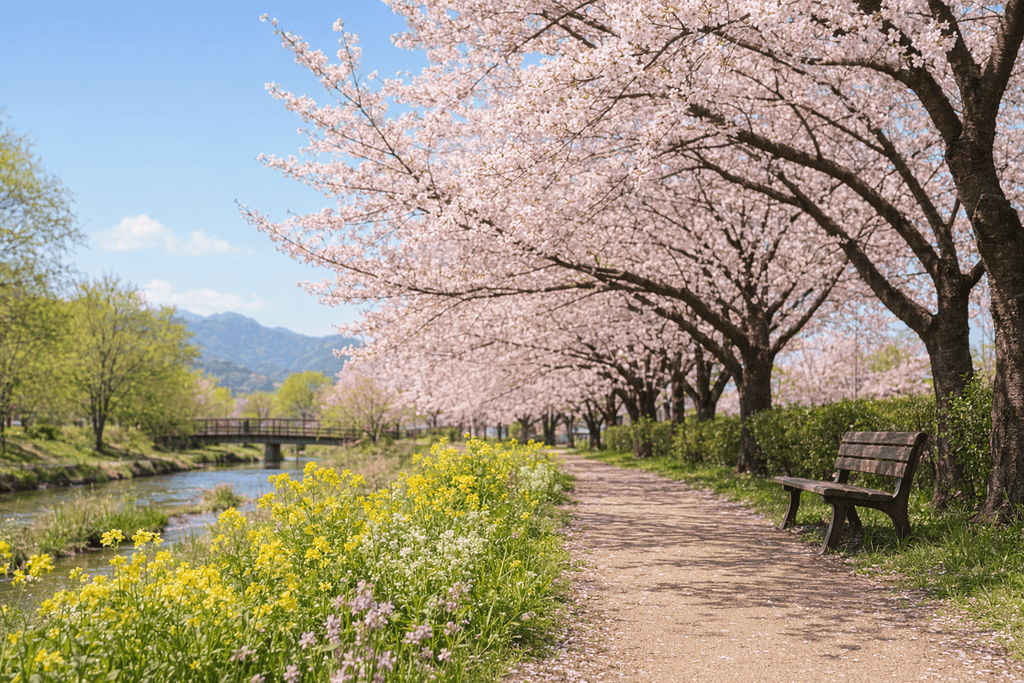
春
musim semi
春
musim semi
Explanation
春
musim semi
春
musim semi / musim bunga
( romanization )
( hiragana )
五
lima
五
lima
Explanation
五
lima
五
lima / angka lima

( romanization )
( hiragana )
一昨年
dua tahun lalu
一昨年
dua tahun lalu
Explanation
一昨年
dua tahun lalu
一昨年
dua tahun yang lalu / tahun sebelum tahun lalu

( Base form )
( romanization )
( hiragana )
( Base form )
( romanization )
( romanization )
( hiragana historical )
( hiragana )
声
suara
声
suara
Explanation
声
suara
声
suara (manusia) / kicauan atau nyanyian (burung) / bunyi bersuara (fonetik)

( romanization )
ホテル
hotel
ホテル
hotel
Explanation
hotel
ホテル
hotel / penginapan / tempat menginap berbayar

( romanization )
Loading...

JLPT N5 多言語単語帳・665語 / JLPT N5 Multilingual Vocabulary: 665 Words

Jonathan Waller 氏の JLPT Resources の語彙リスト・レベル分類を出典とし、CC BY の条件に従って DiQt が初級向けに意味を作り直した665語の単語帳です。JLPT公式の語彙リストではありません。
This collection of 665 words is based on the vocabulary list and level classifications in Jonathan Waller’s JLPT Resources under CC BY, with meanings rewritten by DiQt for beginners. It is not an official JLPT vocabulary list.
Key Operations
Select the first quiz:
Ctrl + Enter
View Explanation:Ctrl + G
Close a feedback:Esc
When selecting a quiz
Answer:Enter
Select a choice:↓ or ↑
Reading out the question:Ctrl + K
View Hint: Ctrl + M
I don't know: Ctrl + Y



