
JLPT N5: Latihan arti kata - Unsolved

Pelajari arti 665 kata JLPT N5 dalam bahasa Indonesia melalui soal dengan empat pilihan jawaban.
-
biru
-
suam-suam kuku
-
tebal
-
lama
-
merah
-
kecil
-
bibi / wanita paruh baya
-
semua orang
-
bersama
-
istri
-
kota kecil
-
permen
-
sepuluh
-
delapan
-
seribu
-
ramai
-
sangat suka
-
suka
-
putih
-
rendah / bertubuh pendek
-
sedikit
-
mentega
-
kakak laki-laki
-
perusahaan
-
tahun depan
-
pelajaran
-
belajar
-
nol
-
tiga
-
empat
おいしい
enak
おいしい
enak
Explanation
enak
おいしい
lezat / enak / sedap

Word Forms
The basic and commonly used forms of this adjective.
Basic forms
| Form | Word form | Usage |
|---|---|---|
| Imperfective form (mizenkei) |
Alternative:
美味しかろ
|
Used in forms such as karou; mainly literary. |
| Continuative form (renyokei) |
Alternative:
おいしかっ
美味しく
美味しかっ
|
Used in forms such as kute and kunai. |
| Conclusive form (shushikei) |
Alternative:
美味しい
|
Ends a sentence. |
| Attributive form (rentaikei) |
Alternative:
美味しい
|
Modifies a noun. |
| Conditional form (kateikei) |
Alternative:
美味しけれ
|
Expresses a condition with kereba. |
| Imperative form (meireikei) |
Alternative:
美味しかれ
|
Rarely used in modern Japanese. |
Common forms
黄色い
kuning
黄色い
kuning
Explanation
黄色い
kuning
黄色い
berwarna kuning / melengking (tentang suara)

Word Forms
The basic and commonly used forms of this adjective.
Basic forms
| Form | Word form | Usage |
|---|---|---|
| Imperfective form (mizenkei) | Used in forms such as karou; mainly literary. | |
| Continuative form (renyokei) |
Alternative:
黄色かっ
|
Used in forms such as kute and kunai. |
| Conclusive form (shushikei) | Ends a sentence. | |
| Attributive form (rentaikei) | Modifies a noun. | |
| Conditional form (kateikei) | Expresses a condition with kereba. | |
| Imperative form (meireikei) | Rarely used in modern Japanese. |
Common forms
茶色
cokelat
茶色
cokelat
Explanation
茶色
cokelat
茶色
warna cokelat / cokelat (sebagai warna) / warna keperangan

( Base form )
( romanization )
( hiragana )
新聞
koran
新聞
koran
Explanation
新聞
koran
新聞
surat kabar / koran

( Base form )
( romanization )
( hiragana )
七
tujuh
七
tujuh
Explanation
七
tujuh
七
tujuh / angka 7

( romanization )
( hiragana )
大切
penting
大切
penting
Explanation
大切
penting
大切
penting / berharga / patut dijaga

Word Forms
The basic and commonly used forms of this adjectival noun.
Basic forms
| Form | Word form | Usage |
|---|---|---|
| Imperfective form (mizenkei) | Used in forms such as darou. | |
| Continuative form (renyokei) |
Alternative:
大切に
|
Used with de or ni. |
| Conclusive form (shushikei) | Ends a sentence with da. | |
| Attributive form (rentaikei) |
Alternative:
大切である
|
Modifies a noun with na. |
| Conditional form (kateikei) |
Alternative:
大切であれば
|
Expresses a condition with nara. |
| Imperative form (meireikei) | Used in formal expressions such as de are. |
Common forms
温い
suam-suam kuku
温い
suam-suam kuku
Explanation
温い
suam-suam kuku
温い
suam-suam kuku / hangat (tidak panas)

Word Forms
The basic and commonly used forms of this adjective.
Basic forms
| Form | Word form | Usage |
|---|---|---|
| Imperfective form (mizenkei) | Used in forms such as karou; mainly literary. | |
| Continuative form (renyokei) |
Alternative:
温かっ
|
Used in forms such as kute and kunai. |
| Conclusive form (shushikei) | Ends a sentence. | |
| Attributive form (rentaikei) | Modifies a noun. | |
| Conditional form (kateikei) | Expresses a condition with kereba. | |
| Imperative form (meireikei) | Rarely used in modern Japanese. |
Common forms
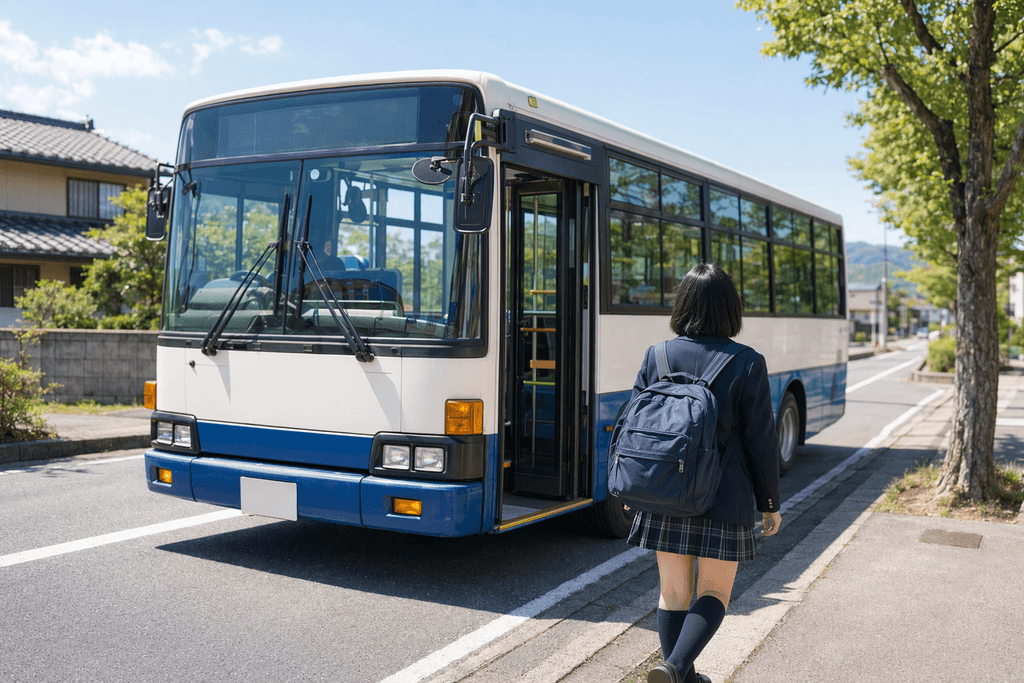
バス
bus
バス
bus
Explanation
bus
バス
bus; kendaraan angkutan umum besar untuk mengangkut penumpang / (komputasi) saluran komunikasi data antar komponen; bus
( romanization )
喫茶店
kedai kopi
喫茶店
kedai kopi
Explanation
喫茶店
kedai kopi
喫茶店
kafe / kedai kopi / warung kopi

( Base form )
( romanization )
( hiragana )
九つ
sembilan
九つ
sembilan
Explanation
九つ
sembilan
九つ
kata bilangan: sembilan benda tanpa penggolong / sembilan buah (untuk benda kecil atau umum)

( Base form )
( romanization )
Loading...

JLPT N5 多言語単語帳・665語 / JLPT N5 Multilingual Vocabulary: 665 Words

Jonathan Waller 氏の JLPT Resources の語彙リスト・レベル分類を出典とし、CC BY の条件に従って DiQt が初級向けに意味を作り直した665語の単語帳です。JLPT公式の語彙リストではありません。
This collection of 665 words is based on the vocabulary list and level classifications in Jonathan Waller’s JLPT Resources under CC BY, with meanings rewritten by DiQt for beginners. It is not an official JLPT vocabulary list.
Key Operations
Select the first quiz:
Ctrl + Enter
View Explanation:Ctrl + G
Close a feedback:Esc
When selecting a quiz
Answer:Enter
Select a choice:↓ or ↑
Reading out the question:Ctrl + K
View Hint: Ctrl + M
I don't know: Ctrl + Y



