
JLPT N4: Kahulugan ng mga salita - Unsolved

Alamin ang kahulugan ng 631 salita sa JLPT N4 sa Filipino sa pamamagitan ng mga tanong na may apat na pagpipilian.
-
kapitbahayan
-
mamamayan
-
barbero / barberya
-
tumunog
-
magtayo
-
tumanggap / kumain
-
ubas
-
gasolinahan
-
heograpiya
-
diksiyonaryo
-
magalang
-
pansin / pag-iingat
-
silid-pulungan
-
opisina
-
sanhi
-
magulat
-
dumikit
-
marinig
- 「致す」はサ行五段活用の動詞。謙譲語として「する」の謙譲表現にも用いる。
-
kompanya ng pahayagan
-
salamat sa
-
sukli
-
panghihinayang
-
karaniwan / lokal na tren
-
kapanatagan
- 「大事」は「大事な」「大事に」の形で用いられるナ形容詞・形容動詞。
- 読みは、important/valuable の意では主に「だいじ」、serious/grave matter の意では「おおごと」とも読む。
-
anak na lalaki
-
trapiko / transportasyon
-
tuntunin
-
pagsangguni
-
kalagitnaan
-
edukasyon
社長
presidente ng kompanya
社長
presidente ng kompanya
Explanation
社長
presidente ng kompanya
社長
presidente ng kumpanya / pinuno ng kumpanya

( Base form )
( romanization )
( romanization )
( hiragana historical )
( hiragana )
移る
lumipat ng lugar / lumipat sa iba
移る
lumipat ng lugar / lumipat sa iba
Explanation
移る
lumipat ng lugar / lumipat sa iba
移る
lumipat ng tirahan o lugar / lumipat ng posisyon sa loob ng organisasyon / mangibang-bansa

Word Forms
The basic and commonly used forms of this verb.
Basic forms
| Form | Word form | Usage |
|---|---|---|
| Imperfective form (mizenkei) |
Alternative:
移ろ
|
Connects to endings such as nai, reru, and seru. |
| Continuative form (renyokei) | Connects to endings such as masu, tai, and ta. | |
| Conclusive form (shushikei) | Ends a sentence and serves as the dictionary form. | |
| Attributive form (rentaikei) | Modifies a noun. | |
| Conditional form (kateikei) | Combines with ba to express a condition. | |
| Imperative form (meireikei) | Expresses a command or instruction. |
Common forms
生活
pang-araw-araw na buhay
生活
pang-araw-araw na buhay
Explanation
生活
pang-araw-araw na buhay
生活
pamumuhay / kabuhayan / pang-araw-araw na buhay

( Base form )
( romanization )
( hiragana )
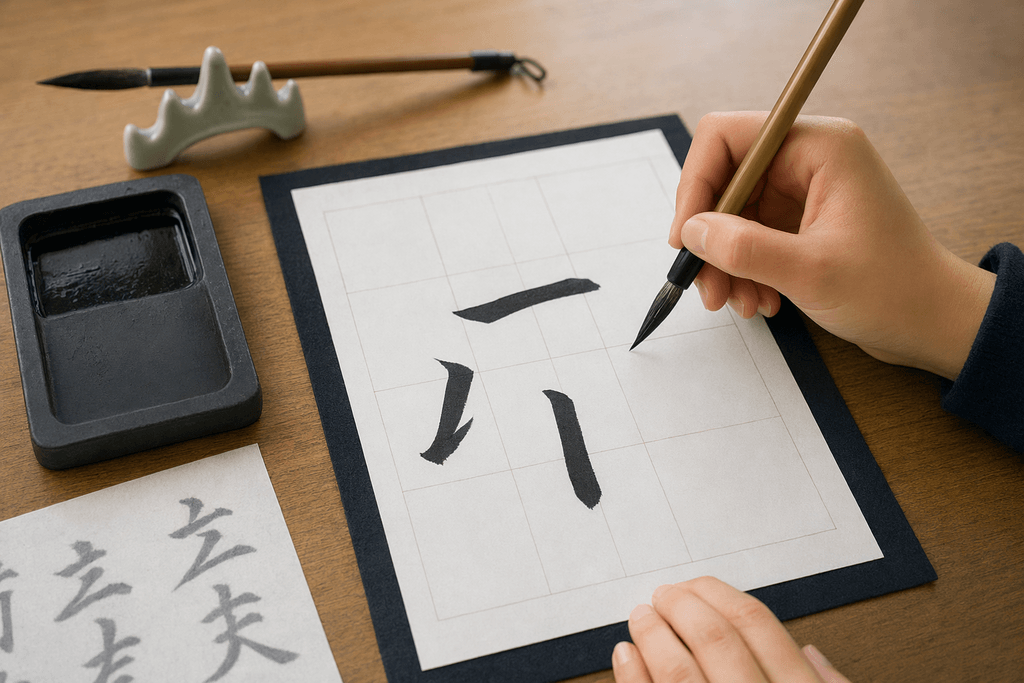
字
titik
字
titik
Explanation
字
titik
字
titik; karakter (simbolong panulat) / sulat-kamay; ganda ng sulat
( romanization )
( hiragana )
床屋
barbero / barberya
床屋
barbero / barberya
Explanation
床屋
barbero / barberya
床屋
barberya / pagupitan / barbero

( romanization )
致す
gawin
致す
gawin
Explanation
致す
gawin
致す
gawin (anyong mapagpakumbaba ng “suru”) / maghatid; magpadala / magbunga; humantong (lalo na sa masamang kahihinatnan)

Word Forms
The basic and commonly used forms of this verb.
Basic forms
| Form | Word form | Usage |
|---|---|---|
| Imperfective form (mizenkei) |
Alternative:
致そ
|
Connects to endings such as nai, reru, and seru. |
| Continuative form (renyokei) | Connects to endings such as masu, tai, and ta. | |
| Conclusive form (shushikei) | Ends a sentence and serves as the dictionary form. | |
| Attributive form (rentaikei) | Modifies a noun. | |
| Conditional form (kateikei) | Combines with ba to express a condition. | |
| Imperative form (meireikei) |
Alternative:
致せよ
|
Expresses a command or instruction. |
Common forms
| Form | Word form | Usage |
|---|---|---|
| Te-form | Connects clauses with te. | |
| Ta-form | Expresses the past with ta. | |
| Nai-form | Expresses negation with nai. | |
| Masu-form | Used for polite speech. | |
| Ba-form | Expresses a condition with ba. | |
| Volitional form | Expresses intention or invitation. |
Notes
スーツケース
maleta
スーツケース
maleta
Explanation
maleta
スーツケース
maleta / lalagyan ng damit at gamit sa paglalakbay
( romanization )
大事
mahalaga
大事
mahalaga
Explanation
大事
mahalaga
大事
mahalaga / (ark.) mabigat at lubhang nakakabahala / (ark.) malubha ang karamdaman o pinsala

Word Forms
The basic and commonly used forms of this adjectival noun.
Basic forms
| Form | Word form | Usage |
|---|---|---|
| Imperfective form (mizenkei) | Used in forms such as darou. | |
| Continuative form (renyokei) |
Alternative:
大事に
大事だっ
|
Used with de or ni. |
| Conclusive form (shushikei) | Ends a sentence with da. | |
| Attributive form (rentaikei) | Modifies a noun with na. | |
| Conditional form (kateikei) |
Alternative:
大事であれば
|
Expresses a condition with nara. |
| Imperative form (meireikei) | Used in formal expressions such as de are. |
Common forms
| Form | Word form | Usage |
|---|---|---|
| Te-form equivalent | Connects clauses using de. | |
| Ta-form | Expresses the past with datta. | |
| Nai-form |
Alternative:
大事じゃない
|
Expresses negation with dewa nai or ja nai. |
| Desu-form | Used for polite speech. |
Notes
ガス
gas
ガス
gas
Explanation
gas
ガス
likas na gas / gas (panggatong o pang-industriya) / makapal na hamog

( romanization )
こと
usapin
こと
usapin
Explanation
usapin
こと
bagay; usapin; detalye / pangyayari; okasyon; kalagayan / ang pag-; pampangngalan ng kilos o katangian

( romanization )
Loading...

JLPT N4 多言語単語帳・631語 / JLPT N4 Multilingual Vocabulary: 631 Words

Jonathan Waller 氏の JLPT Resources の語彙リスト・レベル分類を出典とし、CC BY の条件に従って DiQt が初級向けに意味を作り直した631語の単語帳です。JLPT公式の語彙リストではありません。
This collection of 631 words is based on the vocabulary list and level classifications in Jonathan Waller’s JLPT Resources under CC BY, with meanings rewritten by DiQt for beginners. It is not an official JLPT vocabulary list.
Key Operations
Select the first quiz:
Ctrl + Enter
View Explanation:Ctrl + G
Close a feedback:Esc
When selecting a quiz
Answer:Enter
Select a choice:↓ or ↑
Reading out the question:Ctrl + K
View Hint: Ctrl + M
I don't know: Ctrl + Y



