
JLPT N4: Kahulugan ng mga salita - Unsolved

Alamin ang kahulugan ng 631 salita sa JLPT N4 sa Filipino sa pamamagitan ng mga tanong na may apat na pagpipilian.
-
aparador
-
pasalubong
-
isteyk
-
pagkakataon
-
panitikan
-
digmaan
-
malapit na
-
hinding-hindi
-
hindi talaga
-
panitikan
-
guhit
-
asawa kong babae
-
wakas / pinakahuli
-
hangin / atmospera
-
palamuti
-
dumalaw / magtanong
-
mapagpasyahan
-
pulutin
-
matapos na
-
tumunog
-
tumanggap / kumain
-
kumulo / masabik
-
dumikit
-
bumalik
- 五段活用(サ行)の動詞。
-
liwanag
-
braso
-
piyano
-
gusali
-
ngayong gabi
-
salamin
首
leeg
首
leeg
Explanation
首
leeg
首
leeg / pambilang ng mga awit at tula / simula; una

つもり
balak
つもり
balak
Explanation
balak
つもり
balak / layunin / akala

( romanization )
非常に
lubhang
非常に
lubhang
Explanation
非常に
lubhang
非常に
napaka- / lubhang / sobrang

毛
balahibo sa katawan / balahibo ng hayop
毛
balahibo sa katawan / balahibo ng hayop
Explanation
毛
balahibo sa katawan / balahibo ng hayop
毛
buhok / balahibo / lana

( romanization )
( hiragana )
ご主人
asawa ninyong lalaki
ご主人
asawa ninyong lalaki
Explanation
ご主人
asawa ninyong lalaki
ご主人
(pampagalang) asawa ng iba (lalaki) / amo

( Base form )
( romanization )
( hiragana )
調べる
magsiyasat
調べる
magsiyasat
Explanation
調べる
magsiyasat
調べる
magsiyasat o maghanap sa sanggunian / tumugtog (ng instrumento) / ayusin ang tono (ng instrumento)

Word Forms
The basic and commonly used forms of this verb.
Basic forms
| Form | Word form | Usage |
|---|---|---|
| Imperfective form (mizenkei) | Connects to endings such as nai, reru, and seru. | |
| Continuative form (renyokei) | Connects to endings such as masu, tai, and ta. | |
| Conclusive form (shushikei) | Ends a sentence and serves as the dictionary form. | |
| Attributive form (rentaikei) | Modifies a noun. | |
| Conditional form (kateikei) | Combines with ba to express a condition. | |
| Imperative form (meireikei) |
Alternative:
調べよ
|
Expresses a command or instruction. |
Common forms
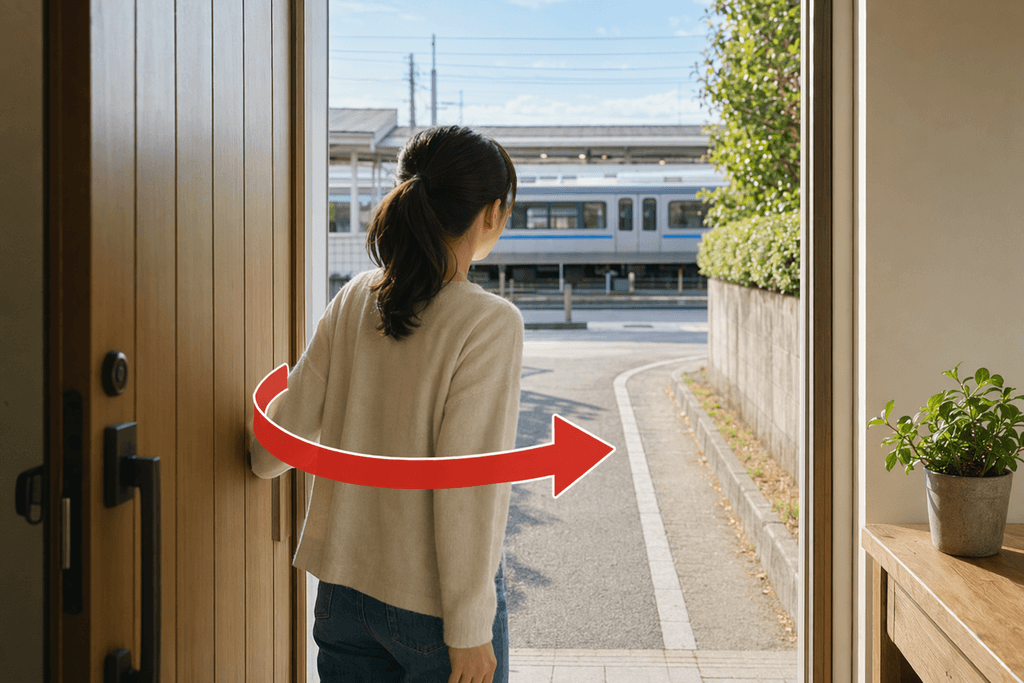
回る
lumibot / umikot
回る
lumibot / umikot
Explanation
回る
lumibot / umikot
回る
umikot / kumalat / bumalik
Word Forms
The basic and commonly used forms of this verb.
Basic forms
| Form | Word form | Usage |
|---|---|---|
| Imperfective form (mizenkei) | Connects to endings such as nai, reru, and seru. | |
| Continuative form (renyokei) | Connects to endings such as masu, tai, and ta. | |
| Conclusive form (shushikei) | Ends a sentence and serves as the dictionary form. | |
| Attributive form (rentaikei) | Modifies a noun. | |
| Conditional form (kateikei) | Combines with ba to express a condition. | |
| Imperative form (meireikei) | Expresses a command or instruction. |
Common forms
探す
maghanap
探す
maghanap
Explanation
探す
maghanap
探す
maghanap / hanapin / maghalughog

Word Forms
The basic and commonly used forms of this verb.
Basic forms
| Form | Word form | Usage |
|---|---|---|
| Imperfective form (mizenkei) |
Alternative:
探そ
|
Connects to endings such as nai, reru, and seru. |
| Continuative form (renyokei) | Connects to endings such as masu, tai, and ta. | |
| Conclusive form (shushikei) | Ends a sentence and serves as the dictionary form. | |
| Attributive form (rentaikei) | Modifies a noun. | |
| Conditional form (kateikei) | Combines with ba to express a condition. | |
| Imperative form (meireikei) | Expresses a command or instruction. |
Common forms
| Form | Word form | Usage |
|---|---|---|
| Te-form | Connects clauses with te. | |
| Ta-form | Expresses the past with ta. | |
| Nai-form | Expresses negation with nai. | |
| Masu-form | Used for polite speech. | |
| Ba-form | Expresses a condition with ba. | |
| Volitional form | Expresses intention or invitation. |
Notes
場所
lugar
場所
lugar
Explanation
場所
lugar
場所
lugar; lokasyon / espasyo; puwang / torneong sumo

( Base form )
( romanization )
( hiragana )
人口
populasyon
人口
populasyon
Explanation
人口
populasyon
人口
populasyon / dami ng tao / bilang ng naninirahan

( Base form )
( romanization )
( hiragana )
Loading...

JLPT N4 多言語単語帳・631語 / JLPT N4 Multilingual Vocabulary: 631 Words

Jonathan Waller 氏の JLPT Resources の語彙リスト・レベル分類を出典とし、CC BY の条件に従って DiQt が初級向けに意味を作り直した631語の単語帳です。JLPT公式の語彙リストではありません。
This collection of 631 words is based on the vocabulary list and level classifications in Jonathan Waller’s JLPT Resources under CC BY, with meanings rewritten by DiQt for beginners. It is not an official JLPT vocabulary list.
Key Operations
Select the first quiz:
Ctrl + Enter
View Explanation:Ctrl + G
Close a feedback:Esc
When selecting a quiz
Answer:Enter
Select a choice:↓ or ↑
Reading out the question:Ctrl + K
View Hint: Ctrl + M
I don't know: Ctrl + Y



