
JLPT N4: Kahulugan ng mga salita - Unsolved

Alamin ang kahulugan ng 631 salita sa JLPT N4 sa Filipino sa pamamagitan ng mga tanong na may apat na pagpipilian.
-
zoo
-
paggamit
-
magulang
-
matira
-
kumagat / ngumuya
-
matuyo
-
doble / ulit na dami
-
palaman na prutas
-
pakiramdam / lagay ng loob
-
nang malinaw
-
medyo / hindi madali
-
nang buong sikap
-
kaligtasan
-
dalisdis
-
bigas
-
nangungulila
-
mahigpit
-
malambot
- 命令形「酷かれ」は現代語では稀。
-
lagay ng loob
-
paggamit
-
pasasalamat
-
nakagawian / kaugalian
-
bubungan
-
lakas / kapangyarihan
-
sumalubong / malugod na tanggapin
-
magbuhat
-
marumihan
-
ilaw na de-kuryente
-
asawang babae
-
talaarawan
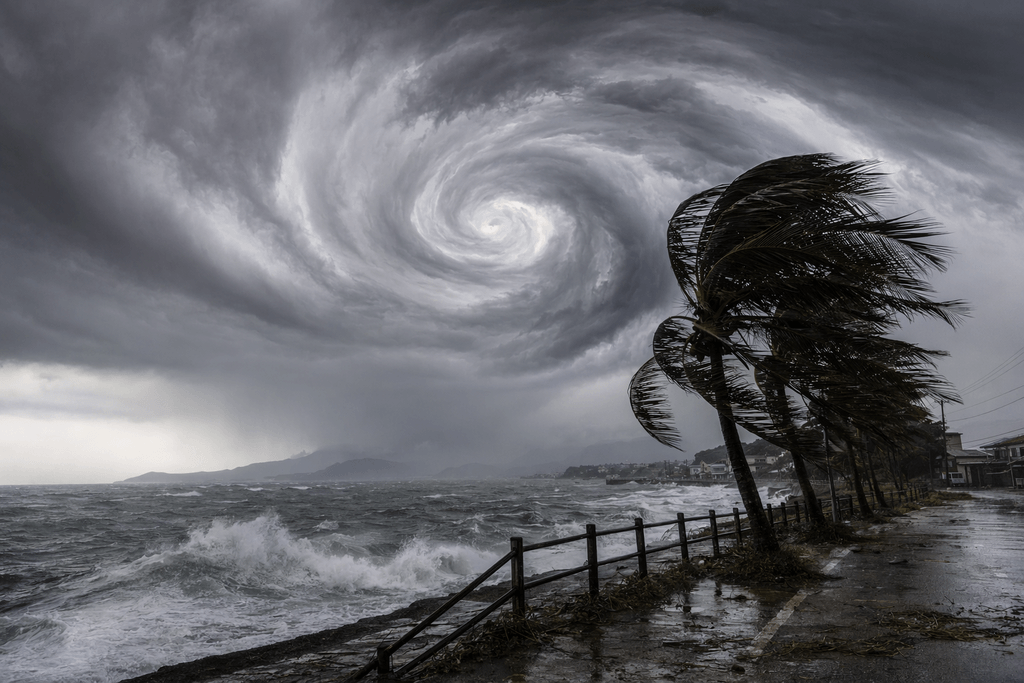
台風
bagyo
台風
bagyo
Explanation
台風
bagyo
台風
bagyo / bagyong tropikal / malakas na unos na may matinding hangin at ulan
( Base form )
( romanization )
( hiragana )
揺れる
mayanig / umugoy
揺れる
mayanig / umugoy
Explanation
揺れる
mayanig / umugoy
揺れる
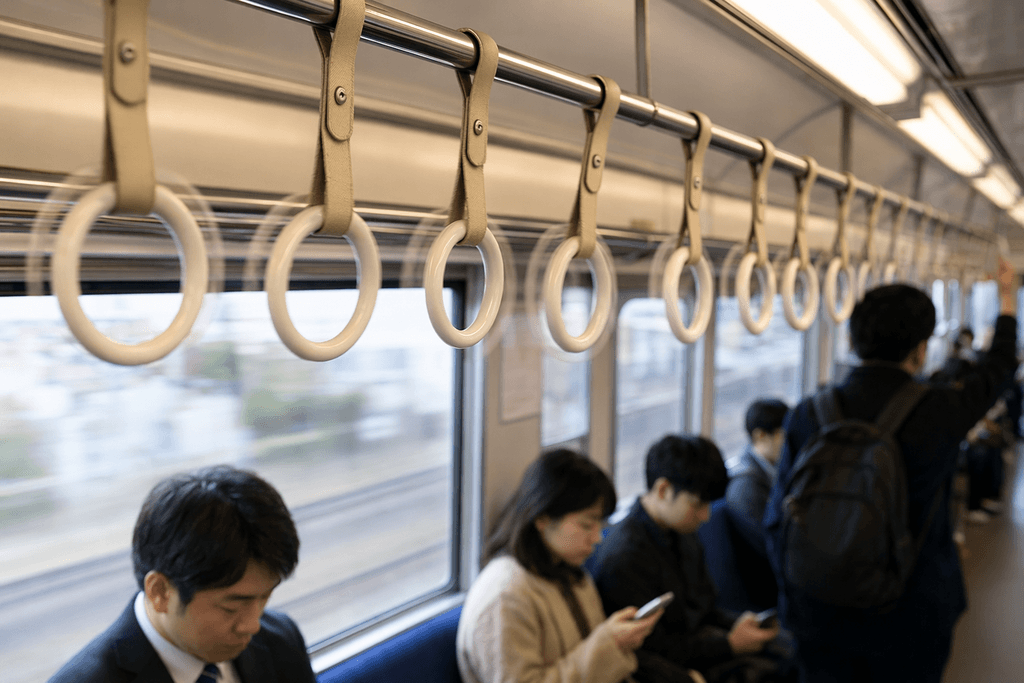
umalog o yumugyog / umugoy nang pabalik-balik / sa barko o sasakyan: umalog-alog, umatagtag
Word Forms
The basic and commonly used forms of this verb.
Basic forms
| Form | Word form | Usage |
|---|---|---|
| Imperfective form (mizenkei) | Connects to endings such as nai, reru, and seru. | |
| Continuative form (renyokei) | Connects to endings such as masu, tai, and ta. | |
| Conclusive form (shushikei) | Ends a sentence and serves as the dictionary form. | |
| Attributive form (rentaikei) | Modifies a noun. | |
| Conditional form (kateikei) | Combines with ba to express a condition. | |
| Imperative form (meireikei) |
Alternative:
揺れよ
|
Expresses a command or instruction. |
Common forms
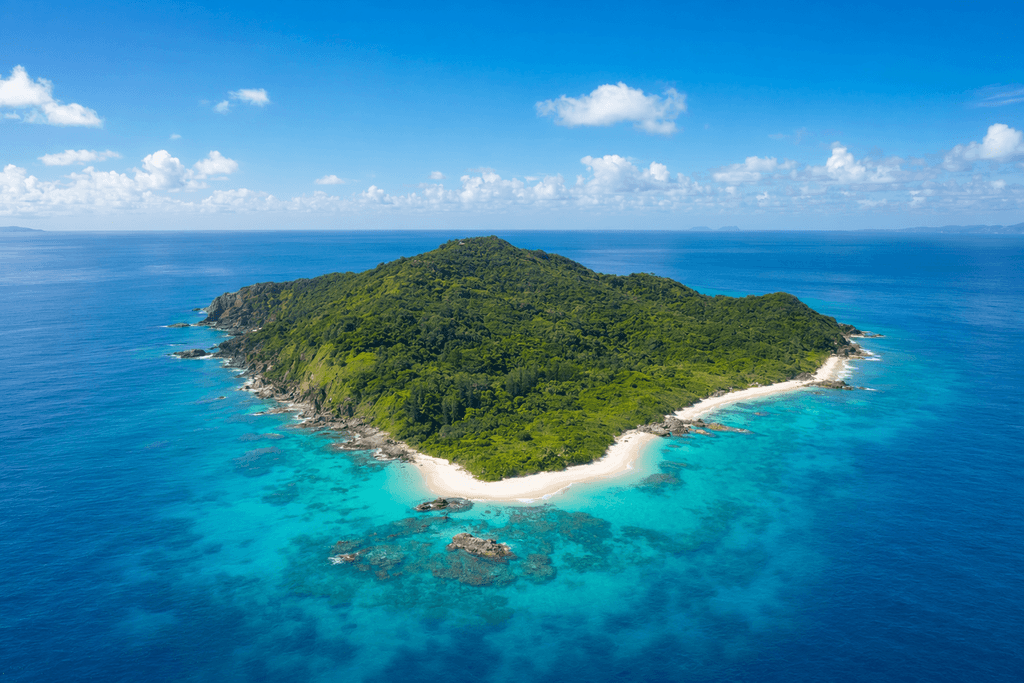
島
isla
島
isla
Explanation
島
isla
島
isla; pulo / sakop; teritoryo; sariling lugar
( romanization )
( hiragana )
いっぱい
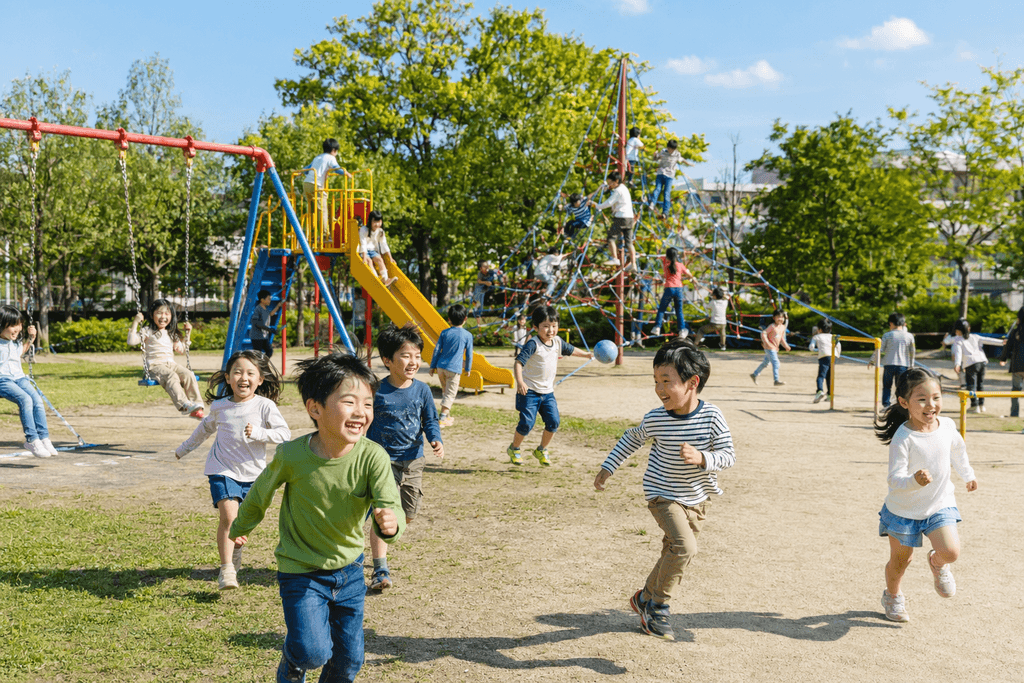
puno / marami
いっぱい
puno / marami
Explanation
puno / marami
いっぱい
marami / napakarami / ang dami
( romanization )
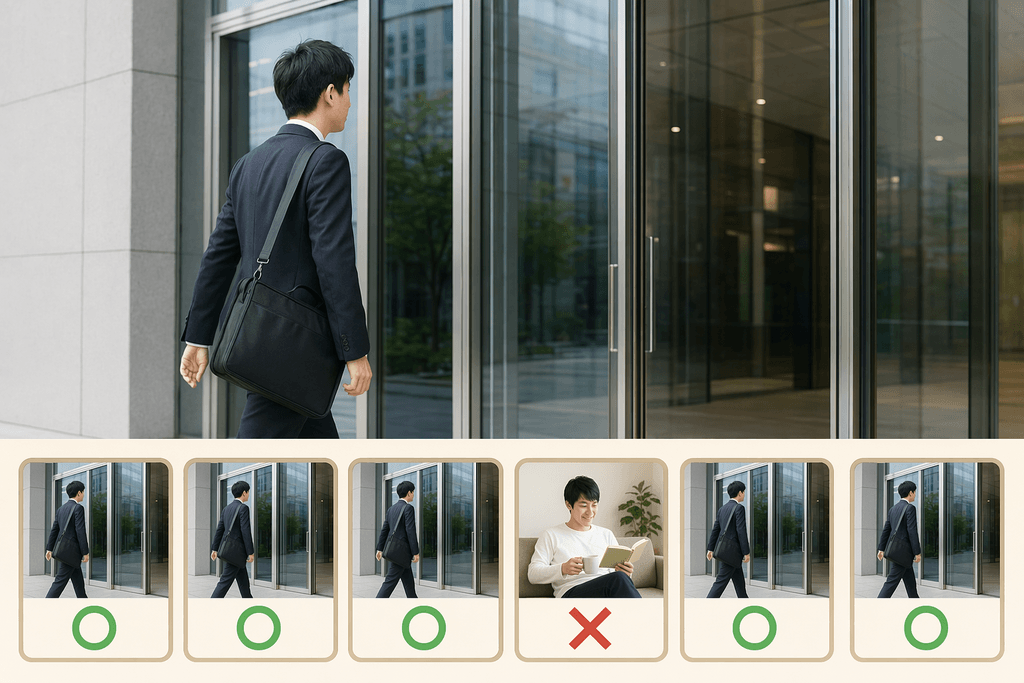
以外
maliban sa
以外
maliban sa
Explanation
以外
maliban sa
以外
maliban sa / liban sa / hindi kasama
( Base form )
( romanization )
( hiragana )
酷い
napakasama
酷い
napakasama
Explanation
酷い
napakasama
酷い
malupit / matindi / napakasama
Word Forms
The basic and commonly used forms of this adjective.
Basic forms
| Form | Word form | Usage |
|---|---|---|
| Imperfective form (mizenkei) | Used in forms such as karou; mainly literary. | |
| Continuative form (renyokei) |
Alternative:
酷かっ
|
Used in forms such as kute and kunai. |
| Conclusive form (shushikei) | Ends a sentence. | |
| Attributive form (rentaikei) | Modifies a noun. | |
| Conditional form (kateikei) | Expresses a condition with kereba. | |
| Imperative form (meireikei) | Rarely used in modern Japanese. |
Common forms
| Form | Word form | Usage |
|---|---|---|
| Te-form | Connects clauses with kute. | |
| Ta-form | Expresses the past with katta. | |
| Nai-form | Expresses negation with kunai. | |
| Ba-form | Expresses a condition with kereba. |
Notes
人形
manika / maliit na rebulto
人形
manika / maliit na rebulto
Explanation
人形
manika / maliit na rebulto
人形
manika / manikin / manikin para sa pananahi

( Base form )
( romanization )
( hiragana )
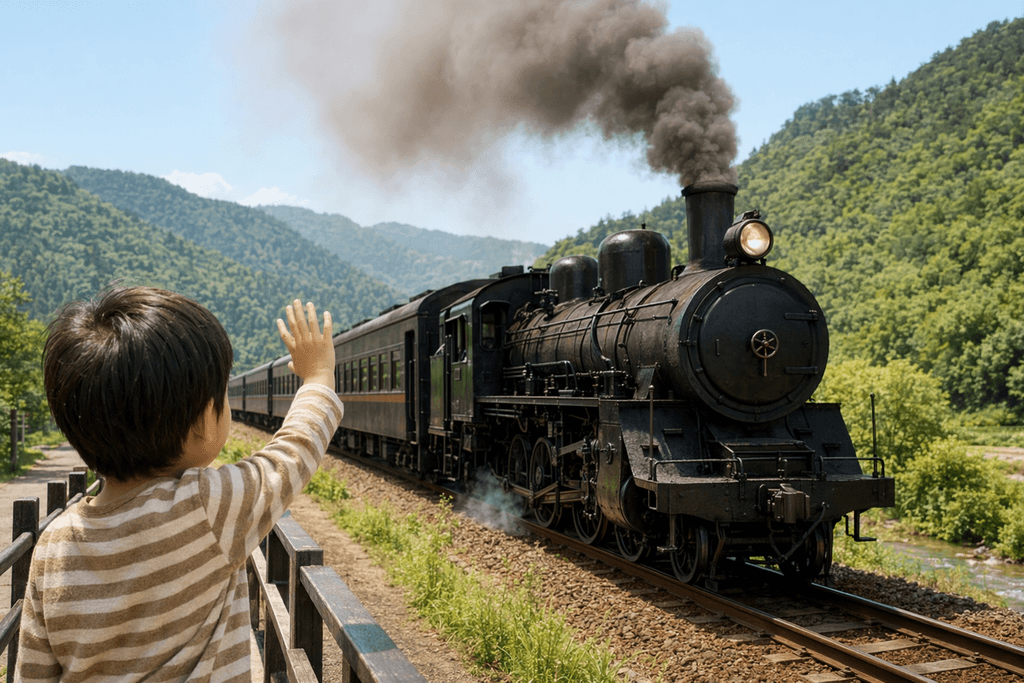
汽車
tren na de-singaw
汽車
tren na de-singaw
Explanation
汽車
tren na de-singaw
汽車
lokomotibong de-singaw / tren
( Base form )
( romanization )
( hiragana )
下がる
bumaba
下がる
bumaba
Explanation
下がる
bumaba
下がる
umalaylay / bumaba / umatras

Word Forms
The basic and commonly used forms of this verb.
Basic forms
| Form | Word form | Usage |
|---|---|---|
| Imperfective form (mizenkei) | Connects to endings such as nai, reru, and seru. | |
| Continuative form (renyokei) |
Alternative:
下がっ
|
Connects to endings such as masu, tai, and ta. |
| Conclusive form (shushikei) | Ends a sentence and serves as the dictionary form. | |
| Attributive form (rentaikei) | Modifies a noun. | |
| Conditional form (kateikei) | Combines with ba to express a condition. | |
| Imperative form (meireikei) | Expresses a command or instruction. |
Common forms
お礼
pasasalamat
お礼
pasasalamat
Explanation
お礼
pasasalamat
お礼
pasasalamat / pagpapahayag ng pasasalamat / handog o regalo bilang pasasalamat

( romanization )
Loading...

JLPT N4 多言語単語帳・631語 / JLPT N4 Multilingual Vocabulary: 631 Words

Jonathan Waller 氏の JLPT Resources の語彙リスト・レベル分類を出典とし、CC BY の条件に従って DiQt が初級向けに意味を作り直した631語の単語帳です。JLPT公式の語彙リストではありません。
This collection of 631 words is based on the vocabulary list and level classifications in Jonathan Waller’s JLPT Resources under CC BY, with meanings rewritten by DiQt for beginners. It is not an official JLPT vocabulary list.
Key Operations
Select the first quiz:
Ctrl + Enter
View Explanation:Ctrl + G
Close a feedback:Esc
When selecting a quiz
Answer:Enter
Select a choice:↓ or ↑
Reading out the question:Ctrl + K
View Hint: Ctrl + M
I don't know: Ctrl + Y



