
JLPT N4: Kahulugan ng mga salita - Unsolved

Alamin ang kahulugan ng 631 salita sa JLPT N4 sa Filipino sa pamamagitan ng mga tanong na may apat na pagpipilian.
-
magluwas
-
kumuha ng pagsusulit / dumalo sa aralin
-
dumausdos / madulas
-
sandali
-
noong isang araw
-
sa ganoong antas
-
lumampas / lumipas
-
lumipat ng bahay
-
mawala
- 五段活用(サ行)。「起こす」を主見出しとし、「興す」「熾す」は表記違いとして variants に収録。
-
templong Budista
-
kahulugan / dahilan
-
anak na babae / dalaga
-
gawaing part-time
-
palaman na prutas
-
laban sa palakasan
-
natutuwa
-
mapait
-
nahihiya
-
kabiguan / pagkakamali
-
magulang
-
paliparan
-
nakakatakot
-
maliliit / detalyado
-
maganda
- 読みは「よろしい」。丁寧・改まった語として「良い/いい」の意味で用いられる。
-
suriin
-
maghanap
-
magbigay
- 「降り出す」は「降る」+「出す」からなる複合動詞で、活用は語末の「出す」に従う五段活用(サ行)。
-
upang
-
museo ng sining
-
paunang pag-aaral ng aralin
釣る
mamingwit
釣る
mamingwit
Explanation
釣る
mamingwit
釣る
mangisda / mamingwit / manghuli ng isda

Word Forms
The basic and commonly used forms of this verb.
Basic forms
| Form | Word form | Usage |
|---|---|---|
| Imperfective form (mizenkei) |
Alternative:
釣ろ
|
Connects to endings such as nai, reru, and seru. |
| Continuative form (renyokei) | Connects to endings such as masu, tai, and ta. | |
| Conclusive form (shushikei) | Ends a sentence and serves as the dictionary form. | |
| Attributive form (rentaikei) | Modifies a noun. | |
| Conditional form (kateikei) | Combines with ba to express a condition. | |
| Imperative form (meireikei) | Expresses a command or instruction. |
Common forms
例えば
halimbawa
例えば
halimbawa
Explanation
例えば
halimbawa
例えば
halimbawa / gaya ng / tulad ng

( Base form )
( romanization )
( romanization )
( hiragana historical )
起こす
gisingin
起こす
gisingin
Explanation
起こす
gisingin
起こす
gisingin / magtatag / sindihan

Word Forms
The basic and commonly used forms of this verb.
Basic forms
| Form | Word form | Usage |
|---|---|---|
| Imperfective form (mizenkei) |
Alternative:
興さ
熾さ
起こそ
興そ
熾そ
|
Connects to endings such as nai, reru, and seru. |
| Continuative form (renyokei) |
Alternative:
興し
熾し
|
Connects to endings such as masu, tai, and ta. |
| Conclusive form (shushikei) |
Alternative:
興す
熾す
|
Ends a sentence and serves as the dictionary form. |
| Attributive form (rentaikei) |
Alternative:
興す
熾す
|
Modifies a noun. |
| Conditional form (kateikei) |
Alternative:
興せ
熾せ
|
Combines with ba to express a condition. |
| Imperative form (meireikei) |
Alternative:
興せ
熾せ
|
Expresses a command or instruction. |
Common forms
| Form | Word form | Usage |
|---|---|---|
| Te-form |
Alternative:
興して
熾して
|
Connects clauses with te. |
| Ta-form |
Alternative:
興した
熾した
|
Expresses the past with ta. |
| Nai-form |
Alternative:
興さない
熾さない
|
Expresses negation with nai. |
| Masu-form |
Alternative:
興します
熾します
|
Used for polite speech. |
| Ba-form |
Alternative:
興せば
熾せば
|
Expresses a condition with ba. |
| Volitional form |
Alternative:
興そう
熾そう
|
Expresses intention or invitation. |
Notes
科学
agham
科学
agham
Explanation
科学
agham
科学
agham / siyensiya / larangan ng pag-aaral

( Base form )
( romanization )
( romanization )
( kyūjitai )
( hiragana historical )
( hiragana )
森
gubat
森
gubat
Explanation
森
gubat
森
gubat / kagubatan / kakahuyan

( romanization )
( hiragana )
かたい
matigas
かたい
matigas
Explanation
matigas
かたい
matigas; hindi malambot / mahigpit o masikip / matatag; istrikto o hindi nababago

Word Forms
The basic and commonly used forms of this adjective.
Basic forms
| Form | Word form | Usage |
|---|---|---|
| Imperfective form (mizenkei) |
Alternative:
固かろ
硬かろ
堅かろ
|
Used in forms such as karou; mainly literary. |
| Continuative form (renyokei) |
Alternative:
固く
硬く
堅く
|
Used in forms such as kute and kunai. |
| Conclusive form (shushikei) |
Alternative:
固い
硬い
堅い
|
Ends a sentence. |
| Attributive form (rentaikei) |
Alternative:
固い
硬い
堅い
|
Modifies a noun. |
| Conditional form (kateikei) |
Alternative:
固けれ
硬けれ
堅けれ
|
Expresses a condition with kereba. |
| Imperative form (meireikei) |
Alternative:
固かれ
硬かれ
堅かれ
|
Rarely used in modern Japanese. |
Common forms
| Form | Word form | Usage |
|---|---|---|
| Te-form |
Alternative:
固くて
硬くて
堅くて
|
Connects clauses with kute. |
| Ta-form |
Alternative:
固かった
硬かった
堅かった
|
Expresses the past with katta. |
| Nai-form |
Alternative:
固くない
硬くない
堅くない
|
Expresses negation with kunai. |
| Ba-form |
Alternative:
固ければ
硬ければ
堅ければ
|
Expresses a condition with kereba. |
背中
likod ng katawan
背中
likod ng katawan
Explanation
背中
likod ng katawan
背中
likod ng katawan / bahagi ng katawan mula balikat hanggang baywang

( Base form )
( romanization )
( hiragana )
宜しい
maayos
宜しい
maayos
Explanation
宜しい
maayos
宜しい
mabuti / ayos / maaari

Word Forms
The basic and commonly used forms of this adjective.
Basic forms
| Form | Word form | Usage |
|---|---|---|
| Imperfective form (mizenkei) | Used in forms such as karou; mainly literary. | |
| Continuative form (renyokei) |
Alternative:
宜しかっ
|
Used in forms such as kute and kunai. |
| Conclusive form (shushikei) | Ends a sentence. | |
| Attributive form (rentaikei) | Modifies a noun. | |
| Conditional form (kateikei) | Expresses a condition with kereba. | |
| Imperative form (meireikei) | Rarely used in modern Japanese. |
Common forms
| Form | Word form | Usage |
|---|---|---|
| Te-form | Connects clauses with kute. | |
| Ta-form | Expresses the past with katta. | |
| Nai-form | Expresses negation with kunai. | |
| Ba-form | Expresses a condition with kereba. |
Notes
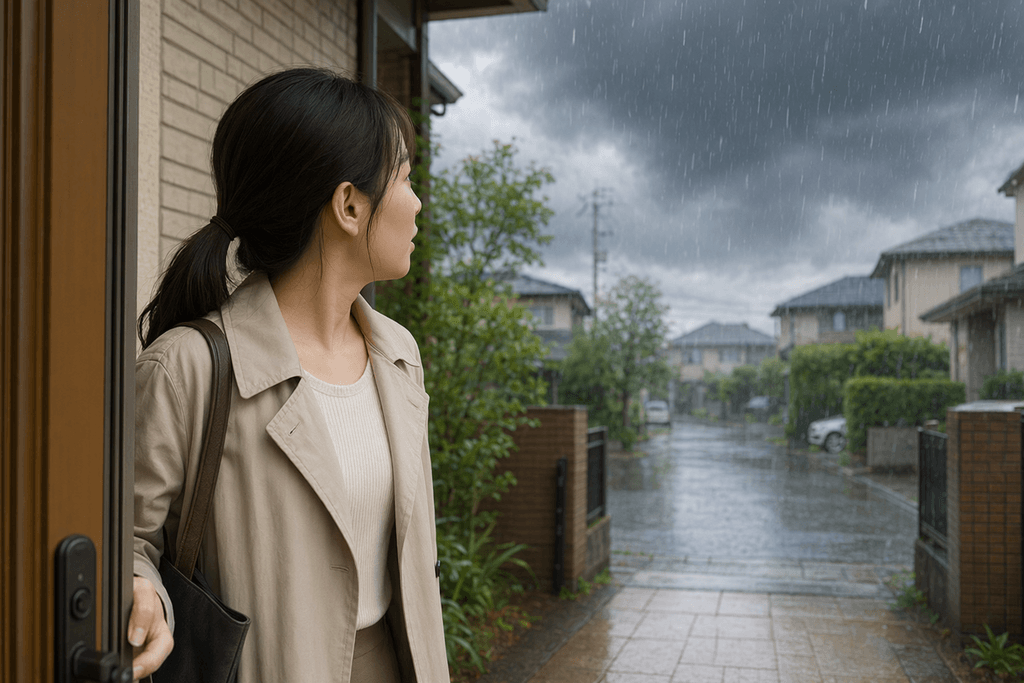
降り出す
magsimulang umulan
降り出す
magsimulang umulan
Explanation
降り出す
magsimulang umulan
降り出す
magsimulang umulan / magsimulang bumuhos ang ulan
Word Forms
The basic and commonly used forms of this verb.
Basic forms
| Form | Word form | Usage |
|---|---|---|
| Imperfective form (mizenkei) |
Alternative:
降り出そ
|
Connects to endings such as nai, reru, and seru. |
| Continuative form (renyokei) | Connects to endings such as masu, tai, and ta. | |
| Conclusive form (shushikei) | Ends a sentence and serves as the dictionary form. | |
| Attributive form (rentaikei) | Modifies a noun. | |
| Conditional form (kateikei) | Combines with ba to express a condition. | |
| Imperative form (meireikei) | Expresses a command or instruction. |
Common forms
| Form | Word form | Usage |
|---|---|---|
| Te-form | Connects clauses with te. | |
| Ta-form | Expresses the past with ta. | |
| Nai-form | Expresses negation with nai. | |
| Masu-form | Used for polite speech. | |
| Ba-form | Expresses a condition with ba. | |
| Volitional form | Expresses intention or invitation. |
Notes
棚
estante
棚
estante
Explanation
棚
estante
棚
estante / patungan / balag

( romanization )
Loading...

JLPT N4 多言語単語帳・631語 / JLPT N4 Multilingual Vocabulary: 631 Words

Jonathan Waller 氏の JLPT Resources の語彙リスト・レベル分類を出典とし、CC BY の条件に従って DiQt が初級向けに意味を作り直した631語の単語帳です。JLPT公式の語彙リストではありません。
This collection of 631 words is based on the vocabulary list and level classifications in Jonathan Waller’s JLPT Resources under CC BY, with meanings rewritten by DiQt for beginners. It is not an official JLPT vocabulary list.
Key Operations
Select the first quiz:
Ctrl + Enter
View Explanation:Ctrl + G
Close a feedback:Esc
When selecting a quiz
Answer:Enter
Select a choice:↓ or ↑
Reading out the question:Ctrl + K
View Hint: Ctrl + M
I don't know: Ctrl + Y



